


Quick Answer
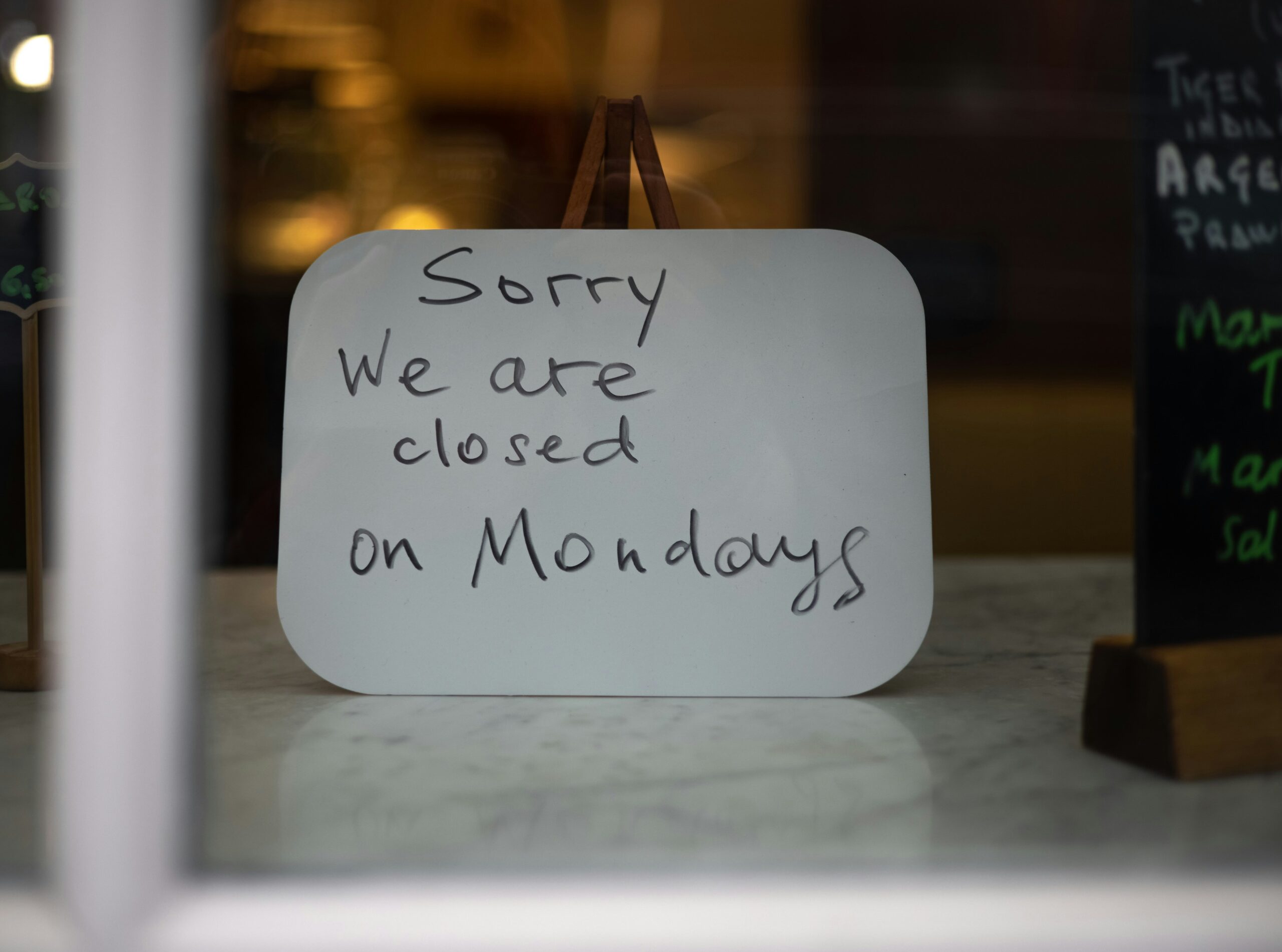
Stores in many European countries are closed on Sundays because national laws restrict Sunday trading. The strictest are Germany (LadenSchlussGesetz, 1956 federal law), Austria, and parts of Switzerland — most retail must close on Sundays except for limited categories (petrol stations, pharmacies, train station shops). France, Italy and Spain have eased Sunday rules over the last decade with many exceptions in tourist zones. The UK abandoned Sunday trading restrictions in 1994 (with limited exceptions). The US largely abandoned them in the 1970s-80s. The European pattern reflects historical religious observance and labour-protection laws, both still actively defended today.
At a glance: Sunday trading by country (2026)
| Country | Sunday rule | Exceptions |
|---|---|---|
| Germany | Strictly closed (LadenSchlussGesetz) | Petrol stations, pharmacies, train stations, “verkaufsoffene Sonntage” 4-12x/year |
| Austria | Strictly closed (Federal Working Time Act) | Train stations, airports, tourist zones |
| Switzerland | Closed (varies by canton) | Train stations, airports, tourist destinations |
| France | Generally closed; many exceptions | Tourist zones, designated commercial zones, food shops til 13:00 |
| Italy | Generally open; some local restrictions | Major chains usually open; small shops often close |
| Spain | Open in tourist zones; closed in residential | City-by-city rules; tourist permits override regional defaults |
| United Kingdom | Mostly open | Large stores limited to 6 hours; small shops unlimited |
| USA | Universally open | Some Bible Belt counties have alcohol restrictions; otherwise none |
The historical reason: religion and labour
European Sunday closing laws have two intertwined origins. The first is religious: Christian observance of Sunday as the Sabbath, codified in church and state laws since the Middle Ages. The second is labour-protective: the 19th-century industrial labour movement fought for one mandated rest day per week to protect workers from exhaustion. The two combined in laws like Germany’s 1956 LadenSchlussGesetz (Shop Closing Hours Act) — which protects both Sunday observance and worker rest.
The US went a different way. Most US states had “blue laws” restricting Sunday commerce until the 1960s-70s, but commercial pressure and shifting religious observance led most states to repeal them. By 2000, only a handful of US states (Massachusetts, Delaware, parts of the South) still had any Sunday restrictions on retail; today essentially none do.
Germany: the strictest enforcer
Germany has the most restrictive Sunday trading laws in Western Europe. The federal LadenSchlussGesetz (LSG, 1956) requires almost all retail to close on Sundays. Each German state can grant up to 4-12 “verkaufsoffene Sonntage” (open Sundays) per year — typically the first Sunday of advent, the Sunday before Christmas, and a few other special weekends.
Exceptions:
- Petrol stations: open and may sell limited groceries.
- Pharmacies: at least one in each municipality on rotation duty.
- Train station and airport shops: open for travellers’ essentials.
- Bakeries: traditionally open Sunday morning for fresh bread.
- Restaurants and bars: open normally; the law applies only to retail.
France: easing in tourist zones
French Sunday law (the loi Macron, 2015) tightened in some respects but eased in others. The default rule in France: stores close Sundays. The exceptions are extensive:
- Zones touristiques internationales: designated tourist zones (Paris Champs-Élysées, parts of Saint-Tropez, parts of central Cannes) — Sunday opening permitted year-round.
- Zones commerciales: certain commercial zones in larger cities permitted to open on Sundays.
- Food shops: small grocers (cremerie, boulangerie) typically open Sunday until 13:00.
- Garden centres in spring: permitted to open Sundays during the growing season.
Switzerland: cantonal patchwork
Swiss Sunday law is set at cantonal level, creating a patchwork. Generally:
- Most cantons: retail closed Sundays.
- Train station shops (e.g., Zurich HB, Bern HB, Lausanne): open daily including Sunday.
- Tourist destinations (Zermatt, Interlaken, Lugano): more flexibility, especially during ski season.
- Airport retail: open daily.
- Petrol stations: open with limited grocery selection.
UK and USA: fully open
The UK abandoned blanket Sunday trading restrictions in 1994 with the Sunday Trading Act. Today, all UK shops can open Sundays; only large stores (over 280m²) are limited to 6 hours of trading, typically 10:00-16:00 or 11:00-17:00. Small shops have no time restrictions.
The USA effectively has no Sunday trading laws at the national level. A few specific states or counties retain restrictions on alcohol sales (Bible Belt) but general retail and groceries are open daily. Major US chains (Walmart, Target, Costco) operate Sunday hours similar to other weekdays.
What this means for tourists
- Plan ahead in Germany, Austria, Switzerland: Saturday is the last shopping day. Many supermarkets close at 20:00 Saturday and stay closed until Monday morning.
- Sunday alternatives in Germany: Hauptbahnhof shops, restaurants and cafés. Most cities have a “Spätkauf” (late shop) operating Sunday evenings.
- France and Italy in tourist zones: shops more likely to be open. In Paris, Champs-Élysées and Marais area generally Sunday-open.
- Switzerland tourist towns: Zermatt, St. Moritz, Interlaken — typically open daily during ski/summer season.
- UK and US: no special planning needed. Supermarkets and most retail open Sundays.
- Mediterranean siesta countries: Spain, Italy — small shops often close 14:00-17:00 even on weekdays. Sundays add another layer of closure.
Frequently Asked Questions
Why are stores closed on Sundays in Germany?
Germany has a federal law (LadenSchlussGesetz, 1956) requiring most retail to close on Sundays. The law combines historical religious observance with labour-protection principles. Each German state can grant 4-12 ‘verkaufsoffene Sonntage’ (open Sundays) per year, but the default is closed.
Are stores open on Sundays in France?
Generally no. France’s default rule is Sunday closure for retail, but there are extensive exceptions: designated tourist zones (Paris Champs-Élysées, Saint-Tropez), specific commercial zones, food shops until 13:00, and garden centres in spring.
Can you shop on Sundays in Switzerland?
Limited. Swiss cantons set their own Sunday rules. Most retail is closed, but train station shops (Zurich HB, Bern HB, etc.), airport retail and tourist destinations like Zermatt typically open. Petrol stations sell limited groceries.
Why does the UK allow Sunday trading?
The UK Sunday Trading Act of 1994 abolished blanket Sunday closing rules. Today UK shops can open Sundays; large stores (over 280m²) are limited to 6 hours of trading, typically 10:00-16:00. Small shops have no restrictions.
Why are Sunday trading laws different in Europe vs USA?
European Sunday laws combined religious observance with labour-protection traditions developed in the 19th-century industrial era. The US had Sunday ‘blue laws’ until the 1960s-70s but most states repealed them under commercial pressure. By 2000 essentially no US state had general Sunday retail restrictions.
What is open on Sundays in Germany for tourists?
Petrol station shops, pharmacies on rotation duty, train station shops (Hauptbahnhof), airport retail, restaurants and cafés, and bakeries (typically Sunday morning only). Most cities also have a ‘Spätkauf’ (late shop) for Sunday evening essentials.
Recommended on Amazon
As an Amazon Associate, grandgo.com earns from qualifying purchases. Links below are affiliate links — clicking them may earn us a small commission at no extra cost to you. Prices and availability are shown on Amazon.co.uk.
- Lonely Planet Europe — flagship Europe travel guide with country-by-country opening hours notes
- Rick Steves Europe Through the Back Door — Rick’s practical Europe-traveller handbook with shopping-hour guidance
- Lonely Planet Germany — detailed Germany guide covering Sunday closing exceptions in major cities