Warning: opendir(/home/qtp/grandgo.com/www/wp-content/cache/db/options//f98/ed5): Failed to open directory: No such file or directory in /home/qtp/grandgo.com/www/wp-content/plugins/w3-total-cache/Util_File.php on line 158
Warning: opendir(/home/qtp/grandgo.com/www/wp-content/cache/db/options//43e/b92): Failed to open directory: No such file or directory in /home/qtp/grandgo.com/www/wp-content/plugins/w3-total-cache/Util_File.php on line 158
Warning: opendir(/home/qtp/grandgo.com/www/wp-content/cache/db/options//f18/e6c): Failed to open directory: No such file or directory in /home/qtp/grandgo.com/www/wp-content/plugins/w3-total-cache/Util_File.php on line 158
Warning: opendir(/home/qtp/grandgo.com/www/wp-content/cache/db/options//b0e/532): Failed to open directory: No such file or directory in /home/qtp/grandgo.com/www/wp-content/plugins/w3-total-cache/Util_File.php on line 158
Warning: opendir(/home/qtp/grandgo.com/www/wp-content/cache/db/options//a1d/7ed): Failed to open directory: No such file or directory in /home/qtp/grandgo.com/www/wp-content/plugins/w3-total-cache/Util_File.php on line 158
Warning: opendir(/home/qtp/grandgo.com/www/wp-content/cache/db/options//bc8/40e): Failed to open directory: No such file or directory in /home/qtp/grandgo.com/www/wp-content/plugins/w3-total-cache/Util_File.php on line 158
Warning: opendir(/home/qtp/grandgo.com/www/wp-content/cache/db/options//1a5/007): Failed to open directory: No such file or directory in /home/qtp/grandgo.com/www/wp-content/plugins/w3-total-cache/Util_File.php on line 158
Warning: opendir(/home/qtp/grandgo.com/www/wp-content/cache/db/options//84a/633): Failed to open directory: No such file or directory in /home/qtp/grandgo.com/www/wp-content/plugins/w3-total-cache/Util_File.php on line 158
Warning: opendir(/home/qtp/grandgo.com/www/wp-content/cache/db/options//8cb/0fb): Failed to open directory: No such file or directory in /home/qtp/grandgo.com/www/wp-content/plugins/w3-total-cache/Util_File.php on line 158
Warning: opendir(/home/qtp/grandgo.com/www/wp-content/cache/db/options//9ed/0fd): Failed to open directory: No such file or directory in /home/qtp/grandgo.com/www/wp-content/plugins/w3-total-cache/Util_File.php on line 158 Germany Travel Guide 2026: Berlin, Munich, Bavaria & More
Germany travel guides — Berlin’s history and nightlife, Bavaria’s mountains and beer culture, the Rhine Valley’s castles, Christmas markets, and everything in between.
What you will find in this section
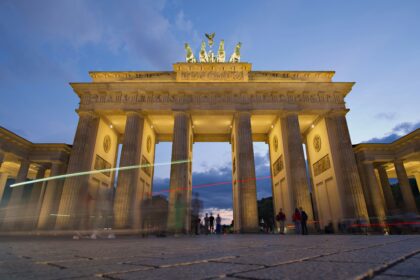
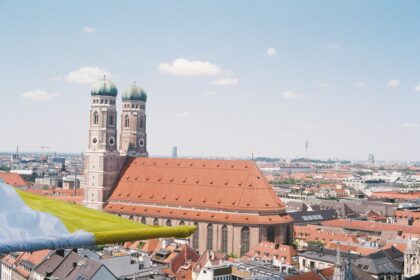
City guides: Berlin, Munich, Hamburg, Frankfurt, Cologne, Dresden
Practical info: Deutsche Bahn, ICE trains, Eurail, car-free travel
Language basics and dining etiquette
Christmas markets: which cities do it best
Seasonal highlights
Spring — Easter markets, cherry blossoms in Bonn
Summer — beer gardens, lake days, Berlin’s open-air scene
Autumn — Oktoberfest (late September), wine harvest on the Rhine
Winter — Christmas markets in Nuremberg, Dresden, Cologne; Alpine skiing
For the drinking age and alcohol rules specific to Germany, see the Drinking Laws section.
FAQ
What is the best city in Germany for a first visit?
Berlin for history, nightlife and museums; Munich for Bavarian culture, beer gardens and proximity to the Alps; Hamburg for maritime port atmosphere and modern architecture. First-time visitors typically start with Berlin + Munich or do a Romantic Road drive from Munich through Bavaria.
When is Oktoberfest?
Oktoberfest runs mid-September through the first Sunday in October in Munich. In 2026: 19 September to 4 October. It is not actually in October — the name comes from the first edition in 1810. Book accommodation 6-12 months ahead; prices triple during the festival.
When do Christmas markets run in Germany?
Most open on the last Sunday before Advent (around 25 November) and run until 23 December; some stay open through New Year in larger cities. Highlights: Nuremberg (Christkindlesmarkt), Dresden (Striezelmarkt — Germany’s oldest), Cologne (seven distinct markets), Munich (Marienplatz) and Aachen.
How does the Deutsche Bahn Eurail/Interrail pass work?
Most international rail passes include Germany. The domestic Deutschland-Ticket (€58/month in 2026) gives unlimited travel on regional trains (not ICE) — a great deal for slow travel across the country. ICE high-speed trains require separate tickets but no reservation fees on most routes.
Is Germany expensive?
Mid-range. Daily budgets €80-120 per person for mid-range hotels, restaurant meals and transport. Berlin is cheaper than Munich or Hamburg. Compared to Switzerland, Germany is roughly 40% cheaper for similar quality; compared to Poland, Czech Republic or Spain, Germany is 30-50% more expensive.
Munich offers many distinct experiences for its visitors - from shopping on…
Welcome Back!
Sign in to your account
grandgo.com is a participant in the Amazon Services LLC Associates Program and Amazon EU Associates Programme, affiliate advertising programs designed to provide a means for sites to earn advertising fees by advertising and linking to Amazon. As an Amazon Associate we earn from qualifying purchases.
We use cookies to ensure that we give you the best experience on our website. If you continue to use this site we will assume that you are happy with it.