



A Journey to History and Relevance.
Introduction
The Olympic Games, a worldwide celebration of athleticism and unity, find their origins in the quiet town of Olympia. Situated in Greece, this historic site holds the key to understanding the inception and evolution of the Olympics. This article embarks on a journey to Olympia, exploring its profound historical significance and its continued relevance in the modern world.
The Ancient Olympics: A Glimpse into History
Birth of the Olympics
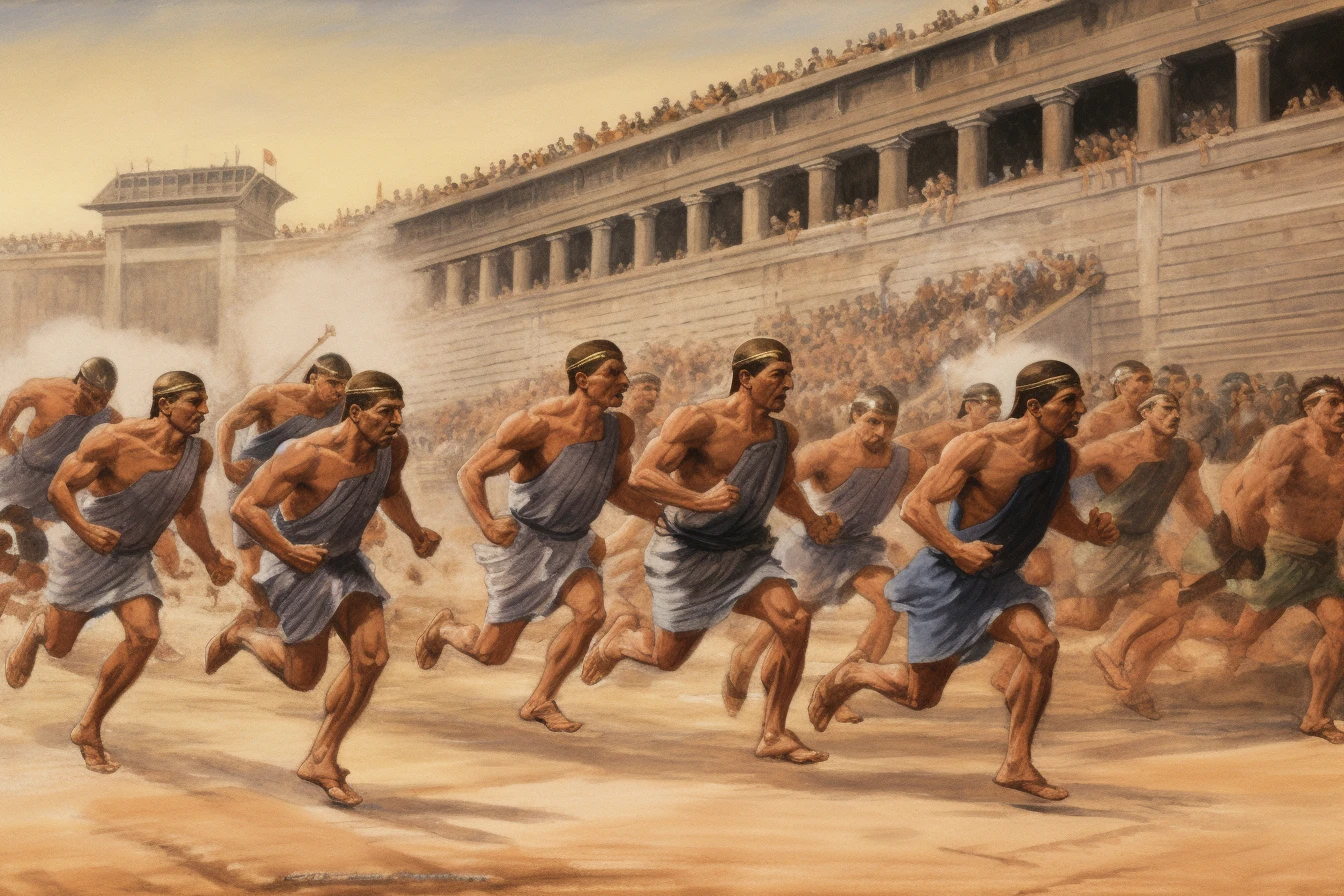
In ancient times, Olympia was more than just a venue; it was a sacred ground where sporting competitions held a deeper spiritual meaning. The first Olympics took place in 776 BC, marking the beginning of an era that would shape the future of athletics.
Ancient Olympic Events
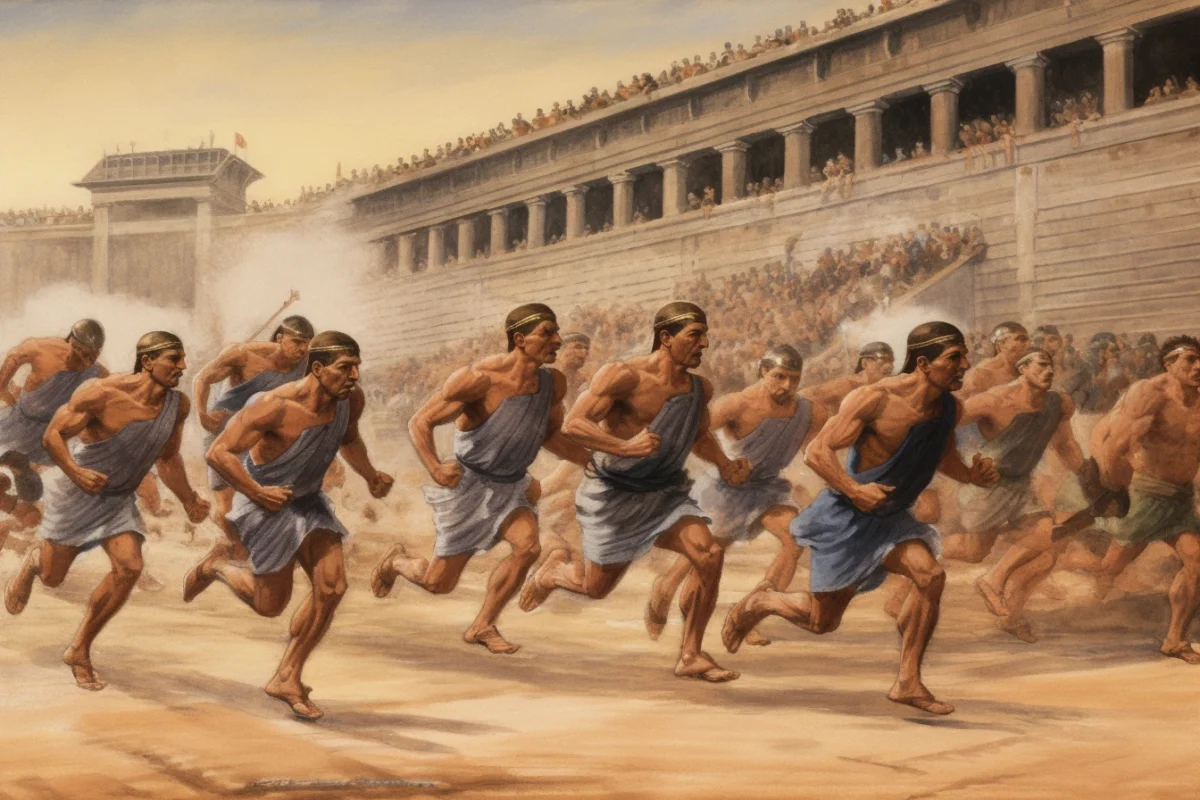
The early Olympics showcased various events, from foot races to discus throwing. These competitions fostered camaraderie among city-states and reinforced the importance of physical prowess.
Symbolism and Rituals
The Olympics weren’t solely about sports; they were infused with symbolism and rituals honoring Greek deities. Lighting the Olympic torch and the opening ceremony’s parade of athletes were part of this rich tapestry.
Olympia: A Spiritual and Cultural Center
Temples and Sanctuaries
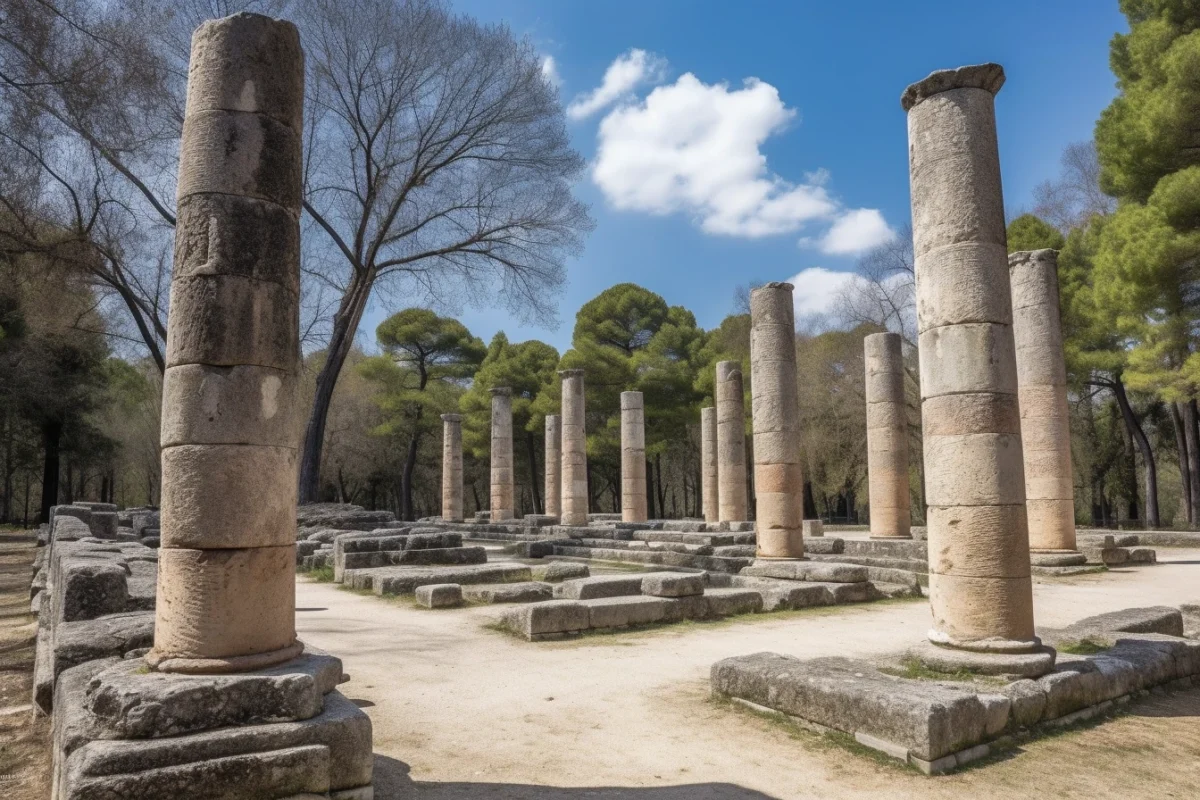
Olympia wasn’t only about sports; it was a center of worship. The Temple of Zeus, housing the monumental gold and ivory statue of the deity, and the Temple of Hera, symbolizing motherhood and fertility, emphasized the spiritual aura of the place.
Olympia’s Influence on Art and Architecture
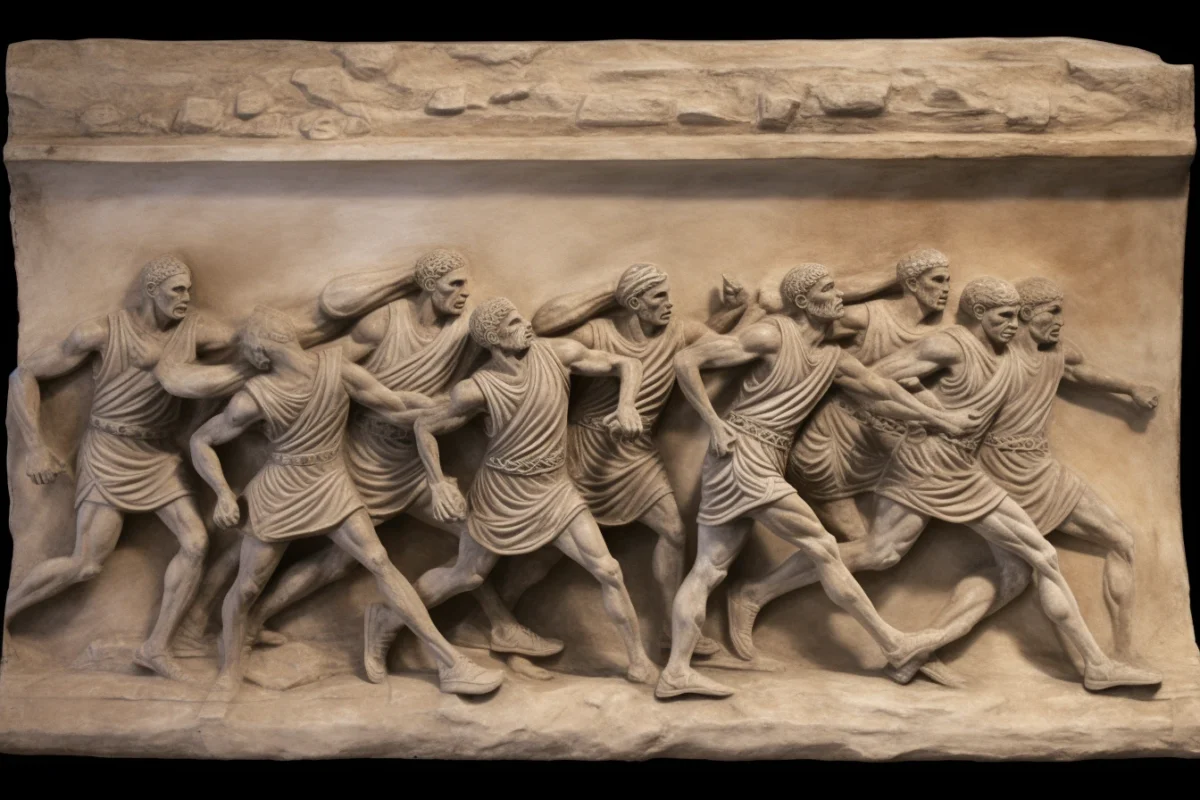
The intricate sculptures and architectural marvels found in Olympia portrayed the Greeks’ devotion to beauty and proportion. These artifacts offer a glimpse into the artistic zenith of ancient Greece.
Rediscovering Olympia: Archaeological Marvels
Excavations and Discoveries
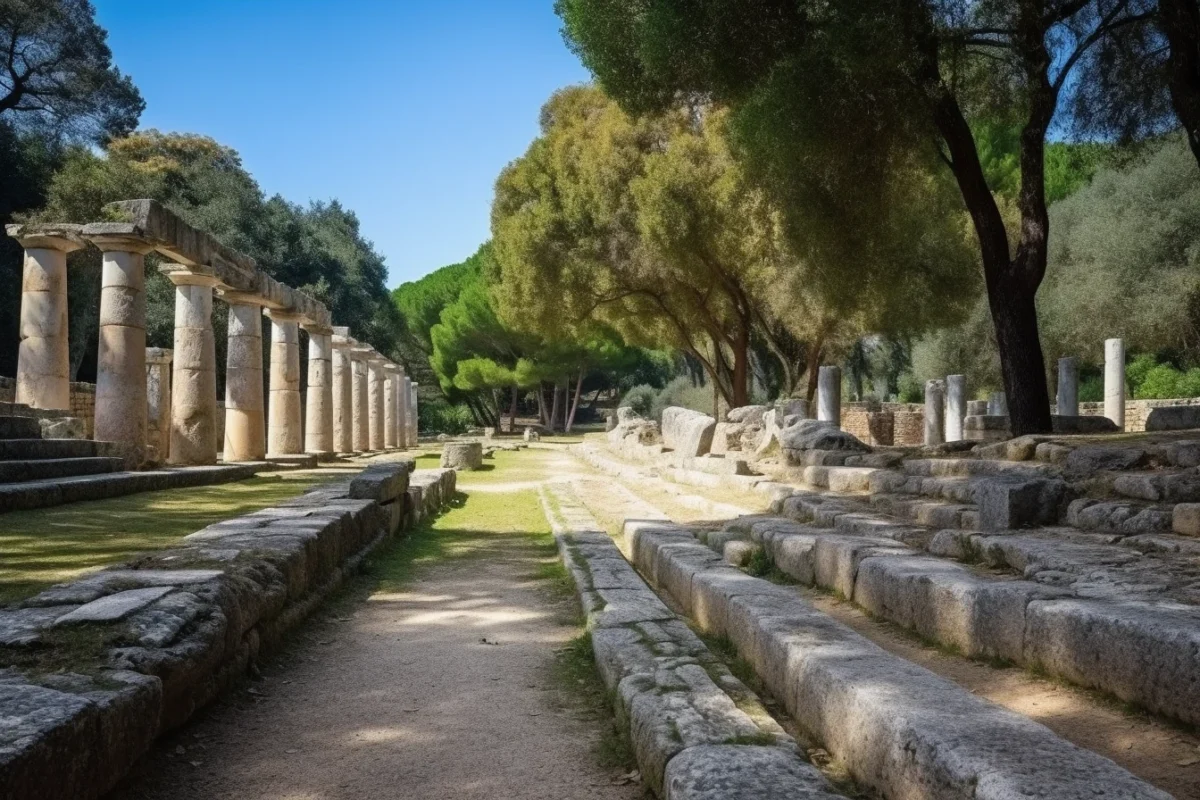
Centuries later, in the 19th century, archaeological expeditions uncovered Olympia’s buried treasures. The ruins of the stadium, gymnasium, and various statues unveiled a world frozen in time.
Preserving the Heritage
The preservation of Olympia is a global effort. Striking a balance between restoration and maintaining historical integrity presents a unique challenge to experts.
Modern Olympic Revival: The Resurgence
The Baron’s Vision
Baron Pierre de Coubertin’s vision rekindled the Olympic flame in 1896. His dream of re-establishing the Olympics as a platform for international harmony became a reality.
The Revival of the Modern Olympics
The modern Olympics stand on Olympia’s foundation, yet they have evolved to accommodate diverse sports and foster global togetherness.
Olympia Today: A Journey for Enthusiasts
Visiting the Archaeological Site
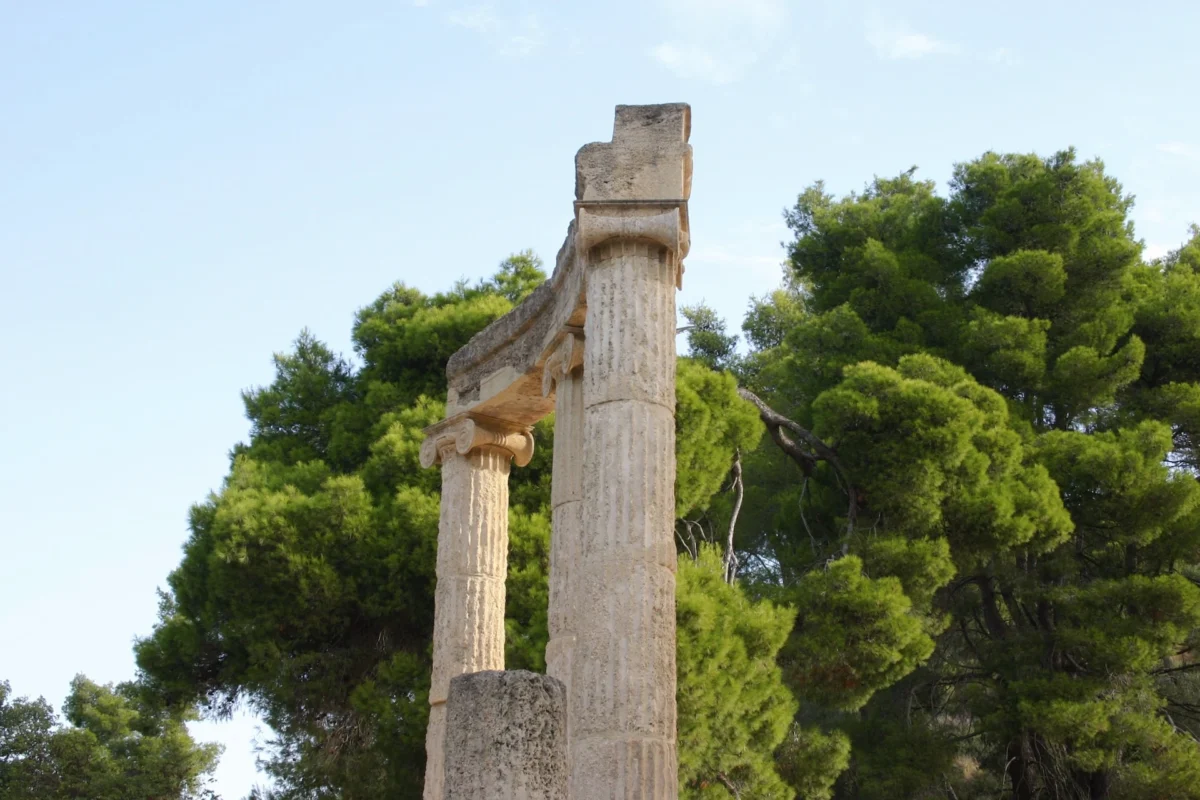
Today, Olympia welcomes visitors to walk its hallowed grounds. The ancient stadium, the Temple of Zeus, and other ruins provide a tangible link to history.
The Olympic Museum
The museum adjacent to the archaeological site showcases a remarkable collection of artifacts, offering insights into the Olympics’ evolution.
Experiencing the Olympic Spirit
Stepping into Olympia allows visitors to connect with the spirit of the games, fostering a sense of unity and shared human achievement.
Olympia’s Enduring Legacy: Inspiration and Unity
The Olympics as a Symbol of Peace
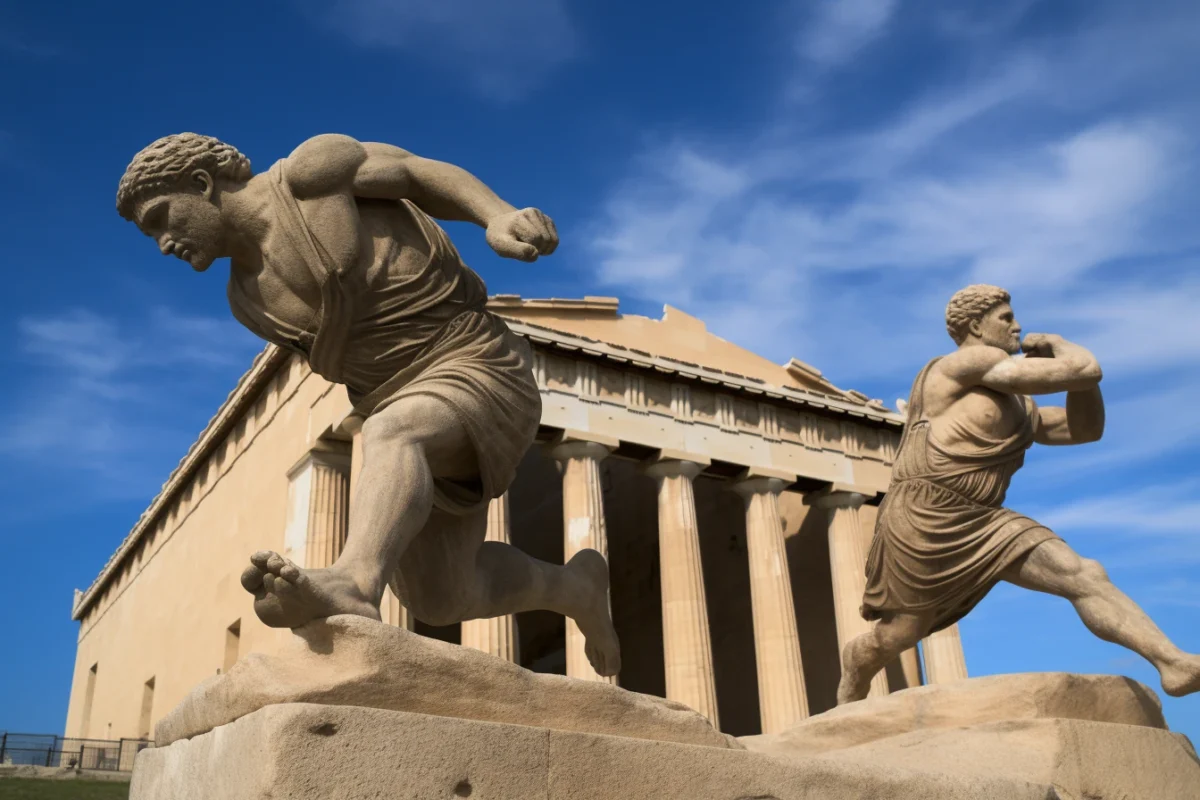
Olympia’s legacy is one of peace. The tradition of the Olympic Truce highlights the potential for global harmony through sports.
Global Collaboration and Sportsmanship
The Olympics serve as a platform for countries worldwide to put aside differences and compete with sportsmanship at the forefront.
The Olympics: Beyond Sports
Educational and Cultural Impact
The Olympics transcend sports, impacting education and culture. They inspire youth to embrace physical activity and celebrate diverse cultures.
Economic Implications
Hosting the Olympics brings economic opportunities, but the balance between investment and return remains a topic of debate.
Conclusion
Olympia, the birthplace of the Olympic Games, stands as a testament to human achievement, unity, and the enduring spirit of competition. As we explore its history and contemporary significance, we are reminded that the Olympics symbolize not just athletic prowess, but also the potential for global harmony and collaboration.
FAQs
- Is Olympia still an active site for the Olympics? No, Olympia is an archaeological site and no longer hosts the modern Olympics.
- What was the significance of the Temple of Zeus in Olympia? The Temple of Zeus housed the renowned gold and ivory statue of Zeus, one of the Seven Wonders of the Ancient World.
- How can I visit Olympia? Olympia is open to the public. You can visit the archaeological site and the museum to experience its historical marvels.
- Are the Olympic rituals from ancient times still followed today? While modern Olympic ceremonies echo ancient rituals, they have evolved