



When one envisions America’s national parks, captivating landscapes, diverse wildlife encounters, and unforgettable exploits typically come to mind. However, it’s imperative to recognize that not all national parks share equal prominence. While numerous parks deliver exceptional experiences, there are those that might not fully meet the anticipations of visitors. Within this article, we’ll delve into the uncelebrated facet of national parks, shedding light on those that could potentially fall short of their anticipated allure for various reasons. Whether due to limited activity options, overwhelming tourist masses, or hazardous conditions, there are a handful of national parks that might not necessarily align with the preferences of the average vacationer.
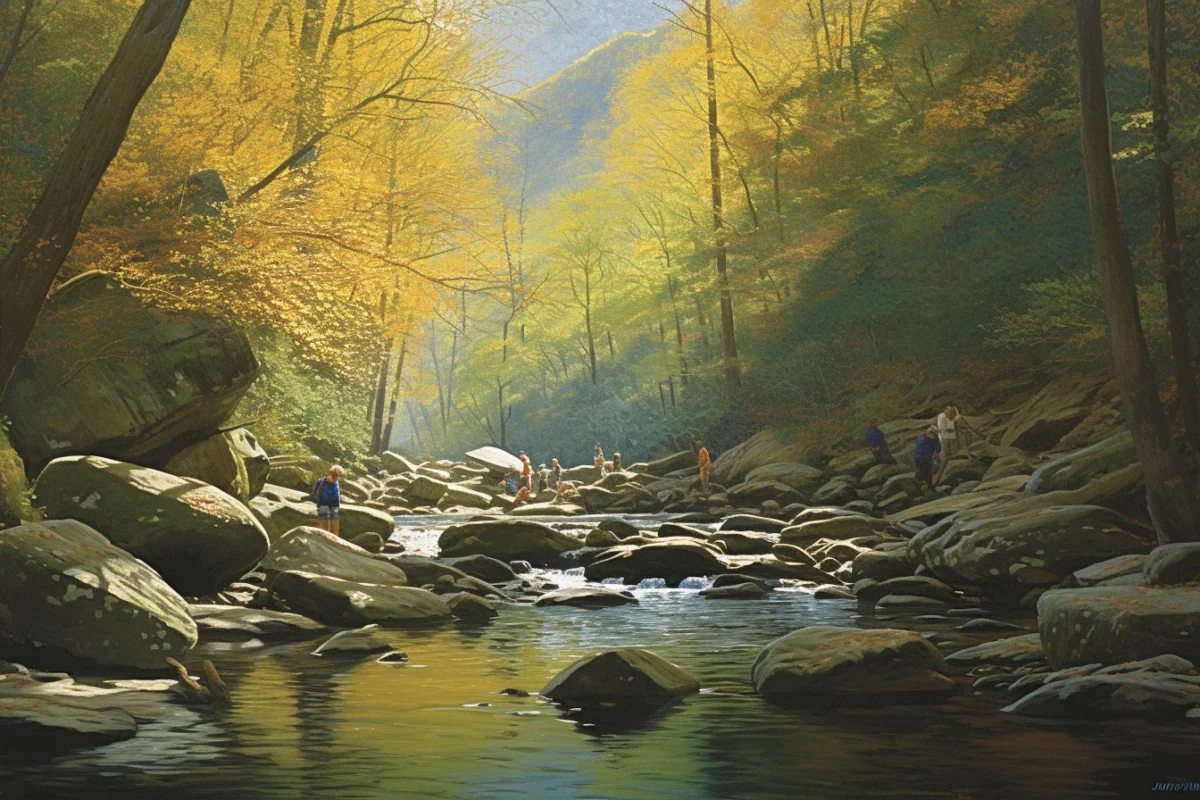
1. Great Smoky Mountains National Park: Beauty Overshadowed by Crowds
Nestled along the border of North Carolina and Tennessee, the Great Smoky Mountains National Park boasts stunning panoramic views of mountains and verdant forests. Nonetheless, the park’s soaring popularity comes at a price. The sheer magnitude of visitors often overshadows the park’s natural beauty. During peak seasons, traffic congestion and crowded trails can transform what should be a tranquil escape into a rather exasperating ordeal.
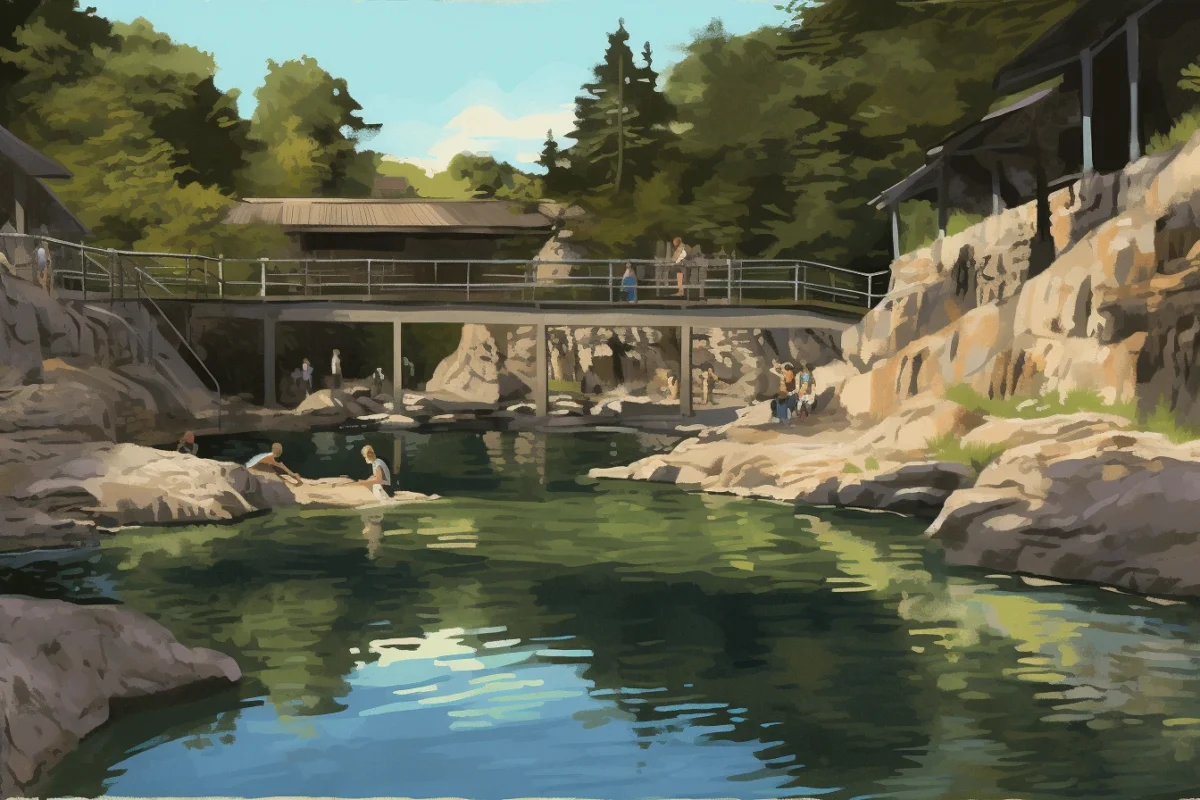
2. Hot Springs National Park: Calming Waters, Limited Diversions
Hot Springs National Park in Arkansas offers a distinctive experience with its natural thermal springs. While the therapeutic waters unquestionably entice, the park’s scarcity of comprehensive outdoor activities might leave certain visitors yearning for more. Unlike its national park counterparts, Hot Springs predominantly focuses on spa-like indulgences, which might make it less appealing to fervent adventure enthusiasts.

3. Gateway Arch National Park: Architectural Marvel with Restricted Scope
Situated in St. Louis, Missouri, the Gateway Arch National Park is centered around the iconic Gateway Arch—a symbolic representation of westward expansion. Although the arch itself stands as an architectural masterpiece, the park’s confined acreage and lack of diversified natural elements might evoke a sense of incompleteness among visitors. Furthermore, the urban surroundings contrast starkly with the conventional natural settings characteristic of most national parks.

4. Wind Cave National Park: Below the Earth’s Surface
Wind Cave National Park in South Dakota offers a one-of-a-kind subterranean adventure with its intricate cave networks. However, the park’s emphasis on guided cave tours means that those seeking above-ground explorations might encounter limited options. The park’s surface landscape lacks the grandeur and assortment of terrains found in its fellow national parks.
5. Congaree National Park: Wilderness with Trials
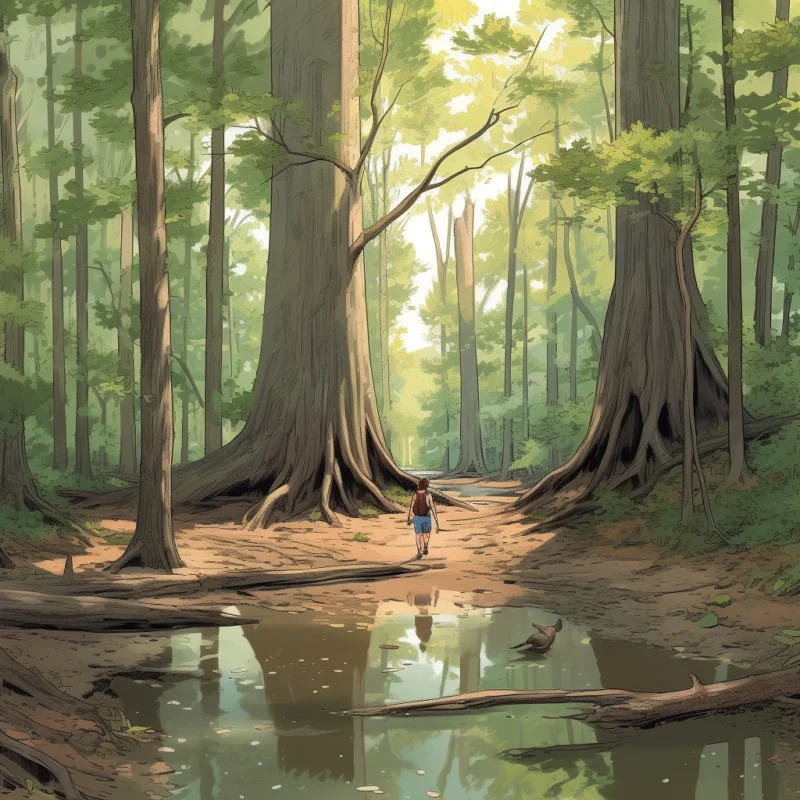
Renowned for its luxuriant wilderness and towering trees, Congaree National Park in South Carolina presents a distinctive allure. Yet, its remote location and rugged terrain can deter potential visitors. The park’s scant infrastructure, coupled with its susceptibility to flooding, can render it a less accessible and more demanding destination.
6. Cuyahoga Valley National Park: Caught Amid Urbanization
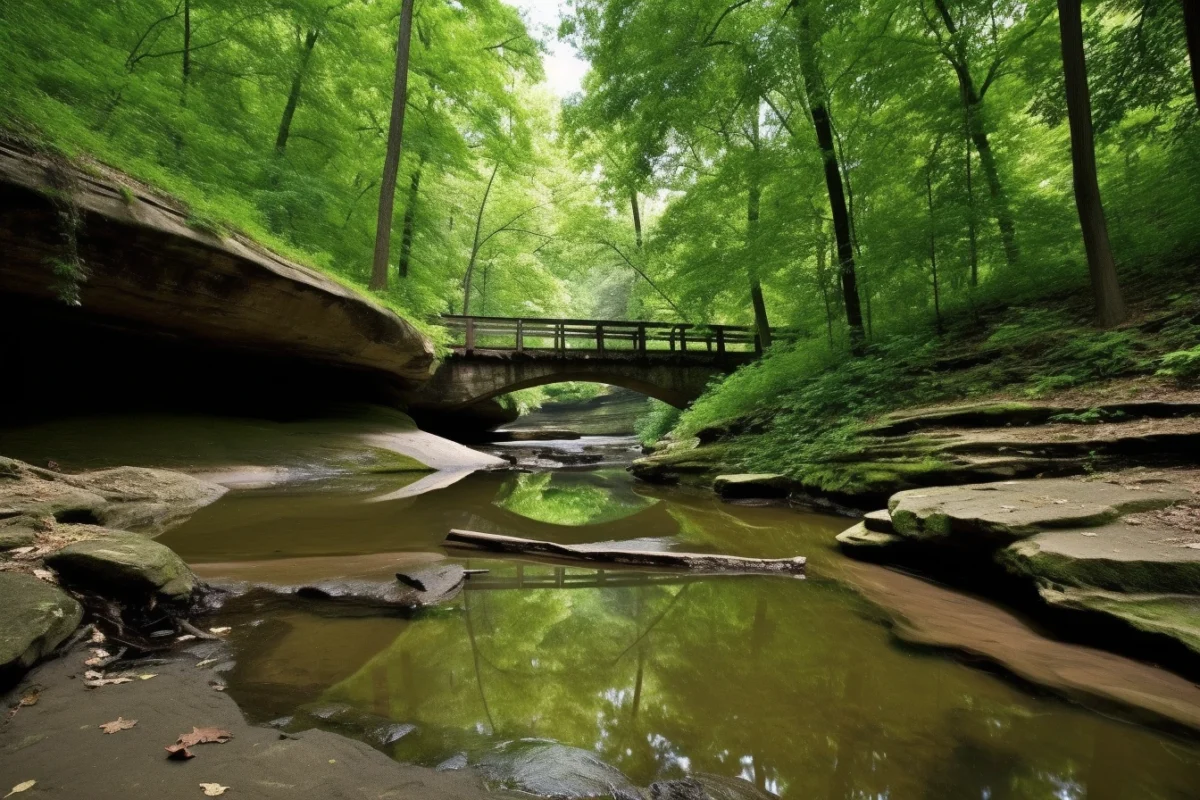
Nestled between Akron and Cleveland, Ohio, Cuyahoga Valley National Park strives to provide a natural haven within an urban backdrop. Nevertheless, the encroachment of nearby cities and industries can somewhat diminish the park’s charm. Noise pollution and the park’s relatively compact size can impede the sense of escapism often found in other national parks.
7. Isle Royale National Park: Isolation and Weather Challenges
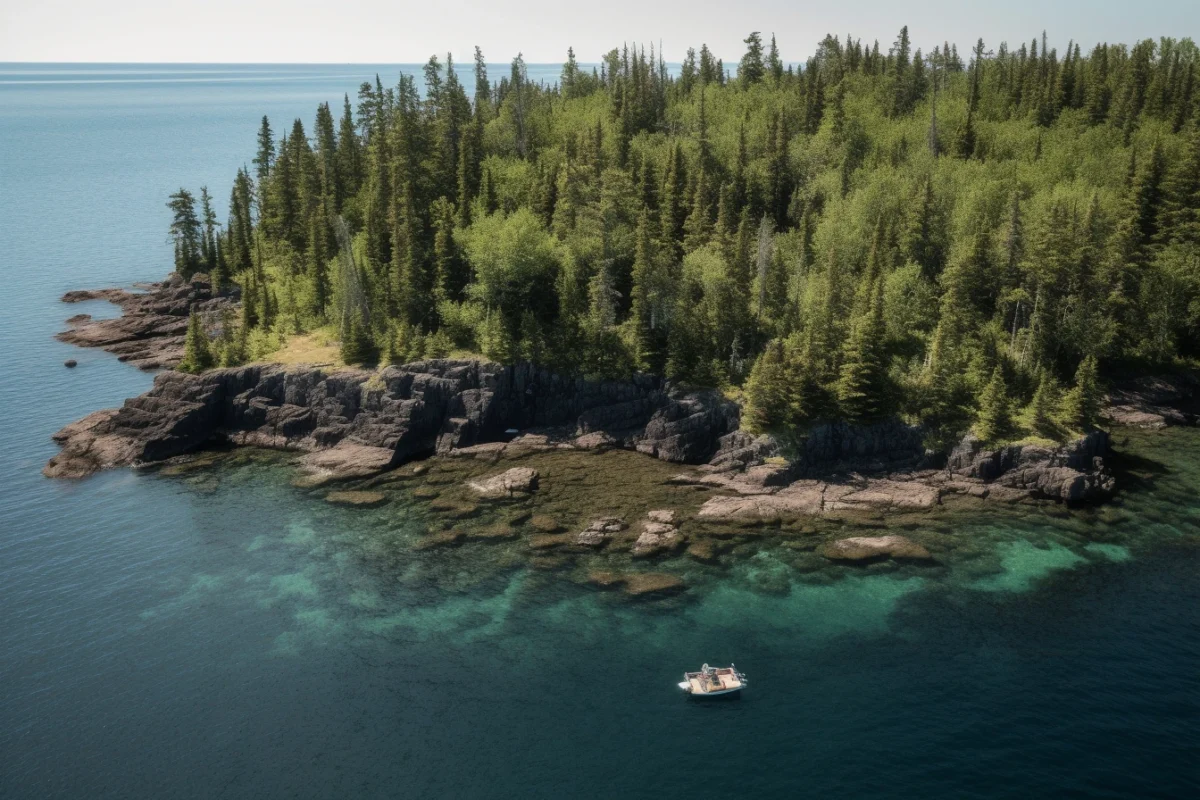
Isle Royale National Park in Michigan offers a secluded wilderness experience on an island in Lake Superior. While its seclusion is undeniably part of its allure, it can also pose a challenge for travelers seeking convenience. The park’s inclement weather conditions and limited transportation options can introduce logistical complexities, potentially deterring travel planning.
8. Virgin Islands National Park: Paradise with Limitations
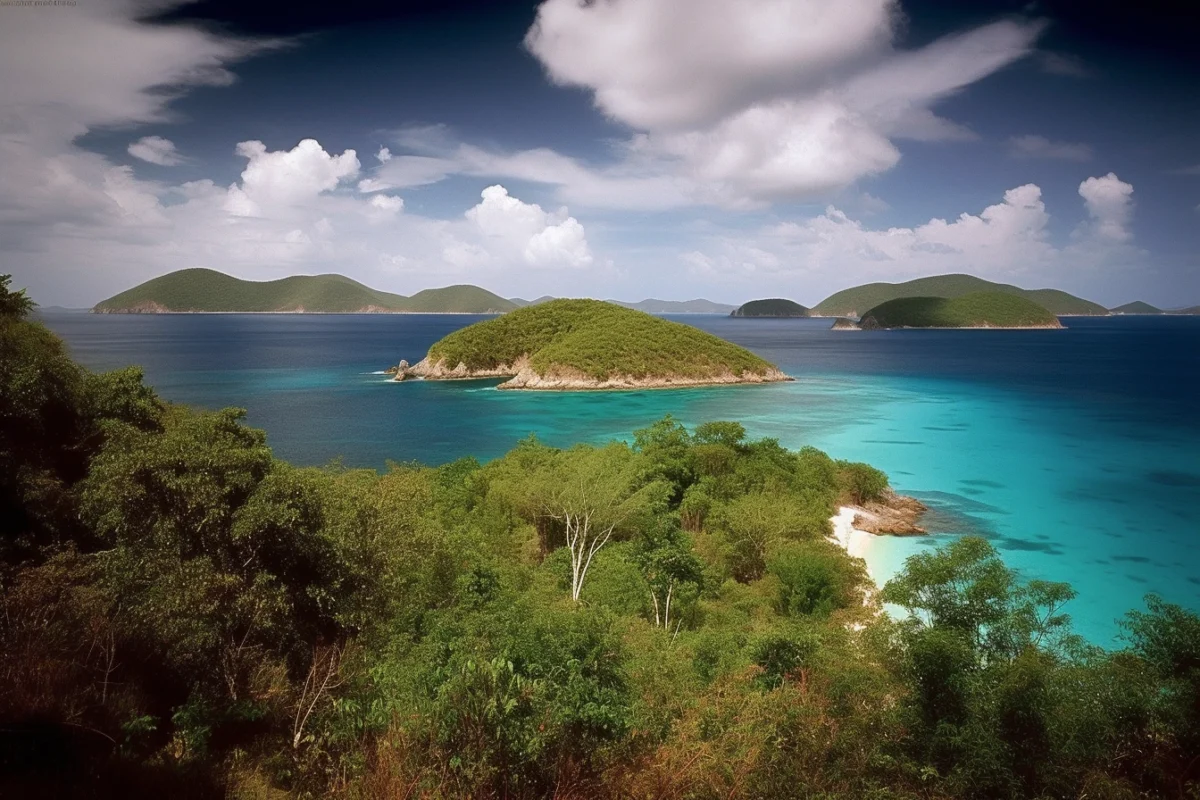
Boasting exquisite beaches and vibrant coral reefs, the Virgin Islands National Park in the Caribbean presents an idyllic image. However, its remote locale and the associated travel expenses to the islands might render it a less viable option for many. The park’s beauty might be unparalleled, yet the barriers to entry can be formidable.

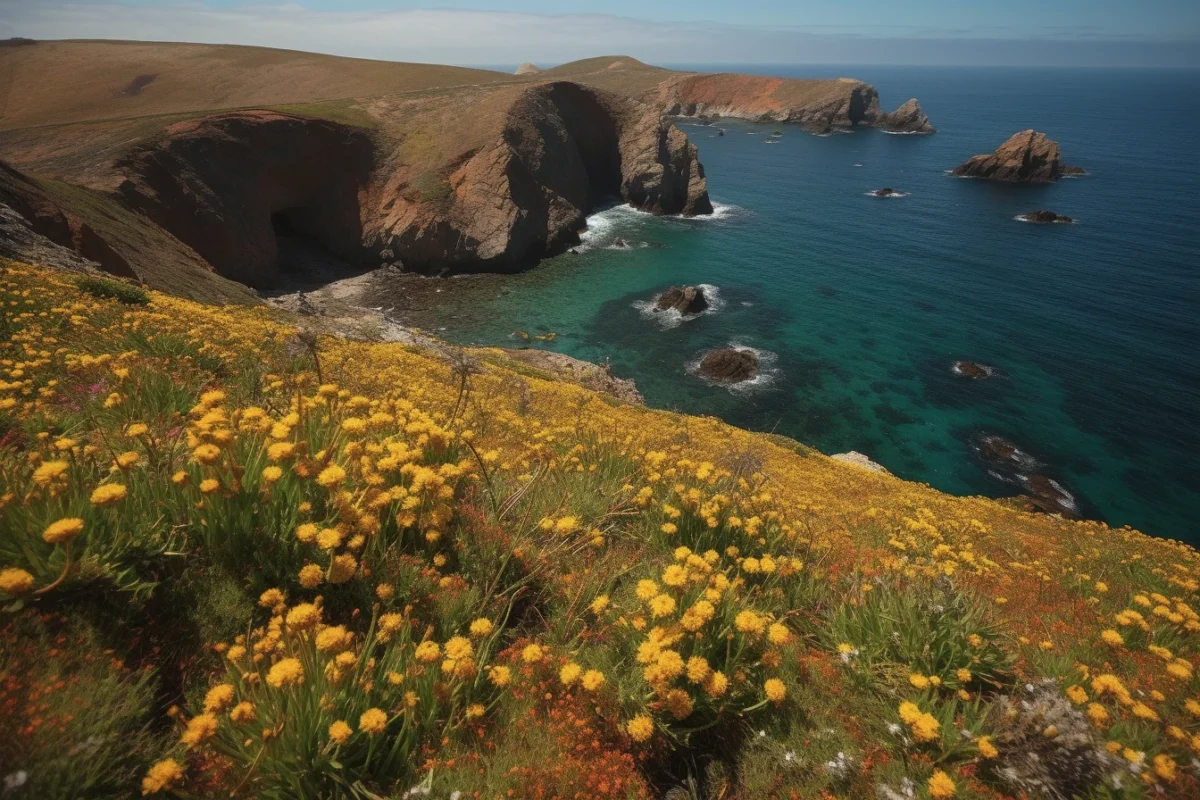
9. Channel Islands National Park: Struggle for Nature Enthusiasts
Situated off the coast of Southern California, Channel Islands National Park showcases unique flora and fauna. However, the restricted ferry service to the islands and the absence of extensive amenities can render a visit somewhat demanding. The park’s isolation might hold allure for some, but for others, the logistical obstacles could outweigh the benefits.
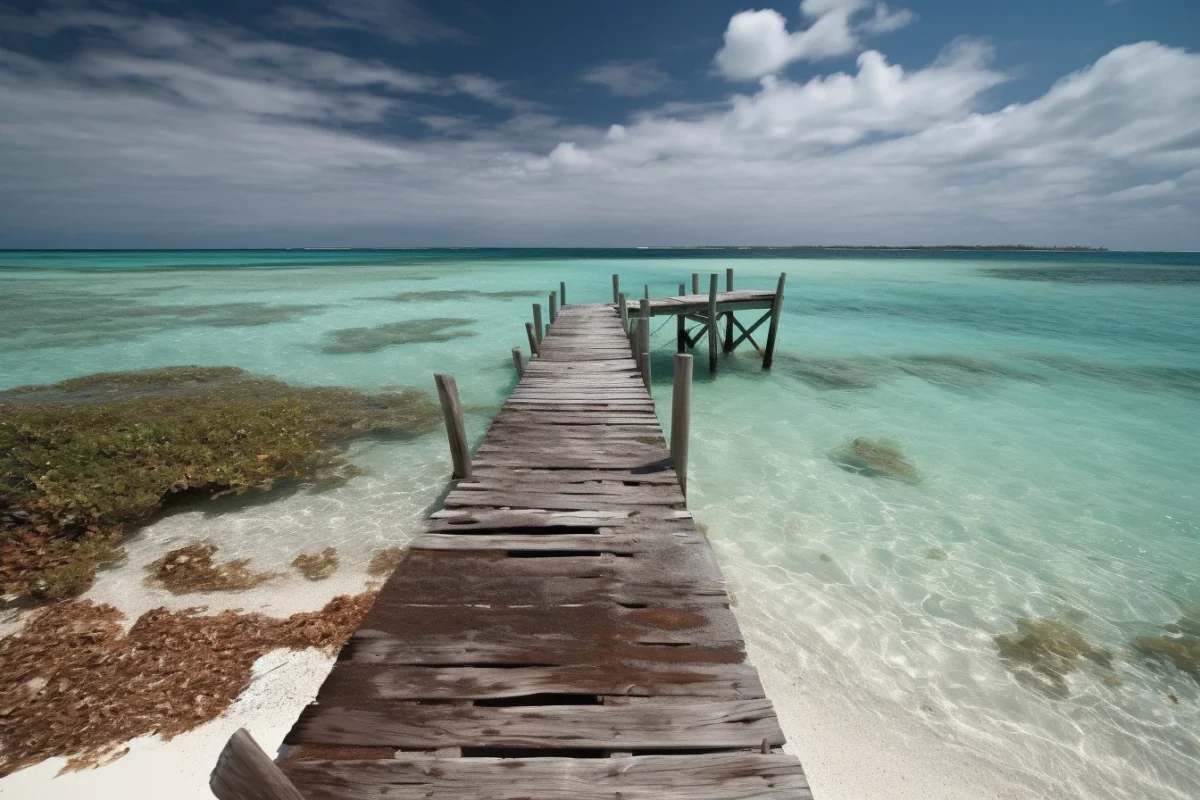
10. Dry Tortugas National Park: Isolated and Weather-Dependent
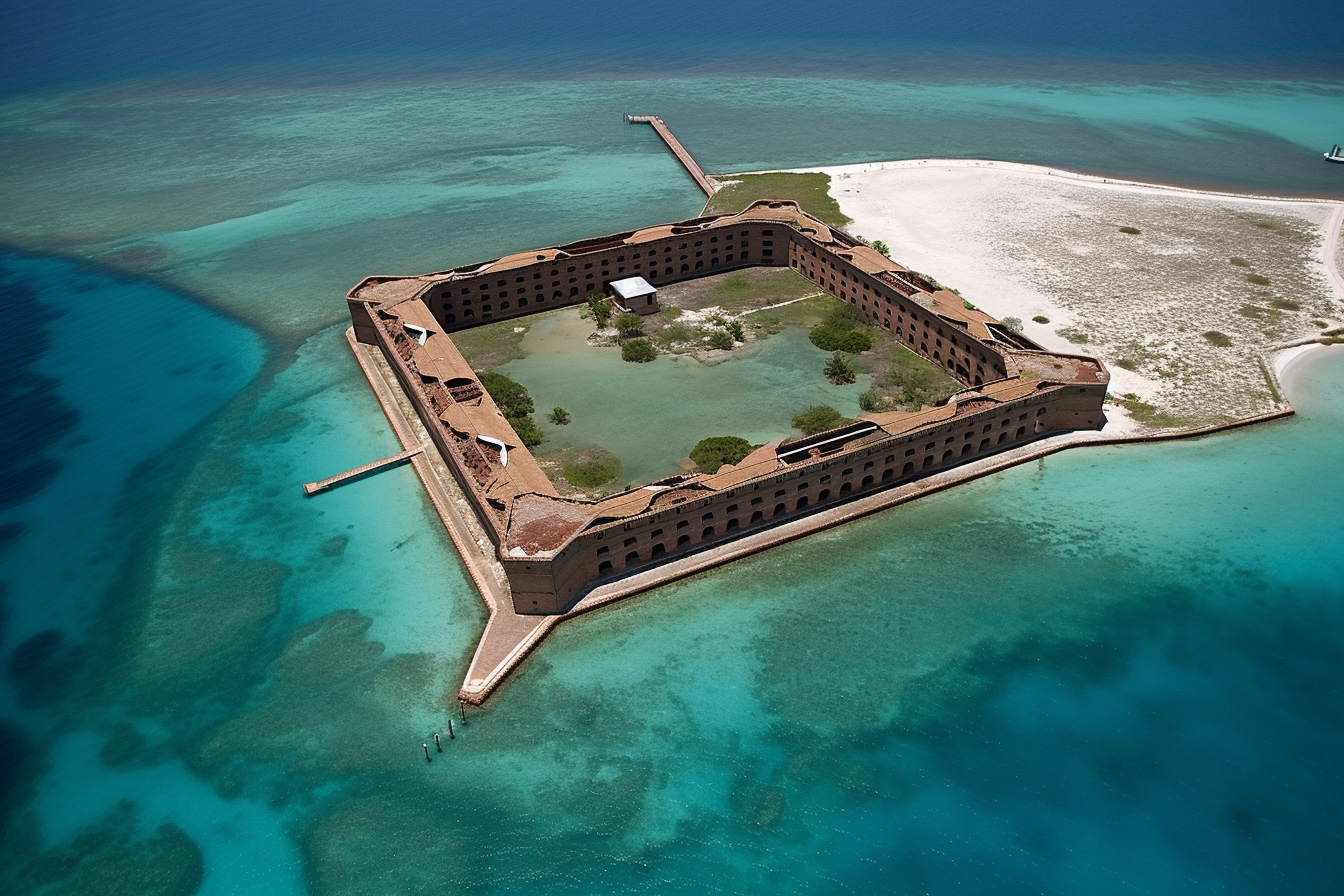
Positioned off the Florida coast, Dry Tortugas National Park houses historical forts and a vibrant marine ecosystem. Nonetheless, the park’s remote location and dependency on ferry services, which are subject to weather fluctuations, can introduce an element of unpredictability to a visit. The logistical intricacies can dissuade even the most intrepid travelers.

In summation, while the national parks of America often garner commendation for their natural splendor and recreational opportunities, it’s imperative to acknowledge that not every park is uniformly suited to all types of visitors. Aspects such as crowds, limited activity offerings, challenging topography, and secluded locations can significantly impact the overall experience. Before embarking on your next national park expedition, it’s advisable to weigh your inclinations and priorities to guarantee the selection of a park that harmonizes with your expectations and travel approach.
Trip-ready gear from Amazon
As an Amazon Associate, grandgo.com earns from qualifying purchases. Links below are affiliate links — clicking them may earn us a small commission at no extra cost to you. Prices and availability are shown on Amazon.co.uk.
- Anker portable charger 20000mAh — All-day phone battery.
- Compact daypack travel — For city sightseeing.
- Lonely Planet destination travel guide — Trip planning essential.