


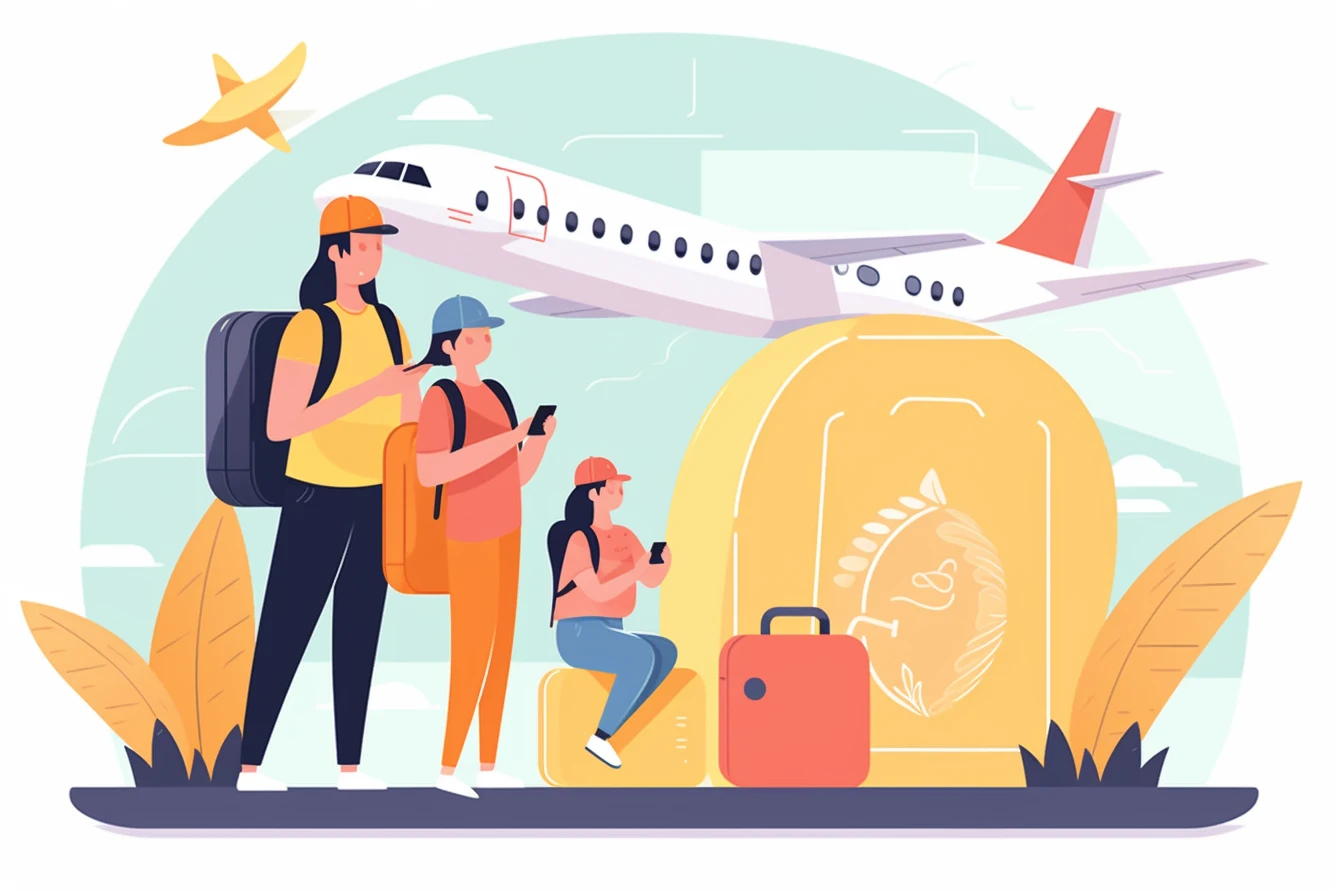

Are you getting ready to embark on your next adventure? Exciting! Traveling can be such a wonderful experience, but it’s important to remember that travel safety should always be a top priority. That’s why we’ve put together this comprehensive guide to help you prepare for your travels and stay safe throughout your journey.
First and foremost, it’s important to research your destination before you go. This will help you get a better understanding of the local laws and customs, as well as any potential safety concerns. Once you arrive, be sure to heed the advice of the locals, especially when it comes to avoiding areas that may be dangerous or unfamiliar.

When it comes to flying, it’s always a good idea to listen carefully to the instructions of the flight attendants. They are there to ensure your safety, and following their guidance can help you avoid potential accidents or emergencies. Additionally, be sure to pack any important medications or travel documents in your carry-on luggage, just in case your checked bags are lost or delayed.
As for your hotel stay, there are a few simple steps you can take to ensure your room is secure. Always use the deadbolt lock on your door, and consider using a doorstop or wedge to prevent anyone from entering your room while you’re inside. If you’re traveling alone, it’s also a good idea to avoid sharing too much personal information with strangers, and to be cautious when venturing out at night.
By taking these simple precautions and staying aware of your surroundings, you can enjoy your travels with peace of mind and confidence. Bon voyage!
1. Flight Attendant’s Insights
Have you ever wondered why flight attendants emphasize safety during their demonstrations? It’s not just routine – it’s a vital aspect of your travel experience. Ensuring your safety and security while flying is of utmost importance, and flight attendants are trained to make sure every passenger is prepared for any situation that may arise during the flight.
When they ask you to fasten your seatbelt low and tight, it’s not just for turbulence; it’s to keep you secure in case of unexpected situations. This simple act can make a huge difference in the outcome of an emergency situation. In the event of an unexpected occurrence, such as severe turbulence or sudden drop in altitude, a fastened seatbelt can keep you from being thrown out of your seat, potentially preventing injury.
Likewise, understanding the location of emergency exits and how to use oxygen masks can save precious seconds when every moment counts. In the event of an emergency, every second counts, and knowing where the emergency exits are located and how to properly use the oxygen masks can help you and others around you stay safe and avoid panic. Additionally, it is important to follow the instructions of the flight attendants during an emergency as they are trained to handle such situations professionally and efficiently.
2. Staying Safe in Your Hotel
When staying in a hotel, it’s crucial to prioritize the safety of your room. To guarantee this, there are several measures you can take. Firstly, ensure that you securely lock your door using both the deadbolt and the peephole. If the hotel provides a safe, it’s advisable to store your valuables and passports in there. Although hotel staff are typically respectful of your privacy, it’s always best to err on the side of caution. While you’re out exploring the area, it’s also important not to forget to leave the “Do Not Disturb” sign on your door. This is a subtle yet effective way of indicating to hotel staff that you are not currently present in your room. By following these recommendations, you can enjoy a more peaceful and secure stay in your temporary home away from home.
3. Identifying Hotel Safety Red Flags
As you settle into your room, it’s important to take note of your surroundings and assess any potential safety concerns. One of the first things to look for is the level of lighting in the area. Are there any dark corners or dimly lit hallways that could pose a threat to your safety? It’s also crucial to ensure that all locks on windows and doors are functioning properly to prevent any unauthorized entry.
If you notice anything that feels off, don’t hesitate to bring it up with hotel staff and request a room change. It’s better to err on the side of caution and prioritize your safety and comfort. Additionally, be cautious of hotel staff who seem overly persistent in inquiring about your room or personal information. While it’s important to cooperate with staff for basic needs, it’s also important to maintain your privacy and security. If you feel uncomfortable in any way, notify the front desk immediately to ensure your peace of mind and well-being.
4. Additional Travel Safety Tips
- Stay Informed: Research your destination before you go. Learn about the local customs, traditions, and history. Find out about the weather conditions, the local currency, and the transportation system. Moreover, familiarize yourself with local emergency numbers and the nearest medical facilities, so that you can be prepared in case of an emergency.
- Blend In: Dress modestly and try to avoid standing out. Wearing clothes that are too revealing or displaying expensive jewelry may draw unwanted attention, making you a target for theft or scams. Instead, try to blend in and dress like the locals so that you can experience the culture better. Moreover, try to learn a few phrases in the local language, as it can help you communicate better with the locals.
- Digital Security: Public Wi-Fi is convenient, but it’s also vulnerable. It is easy for hackers to intercept your data and steal your personal information. To protect your data, consider using a Virtual Private Network (VPN) while browsing. A VPN encrypts your data and makes it harder for hackers to intercept it.
- Stay Alert: In crowded places, keep an eye on your surroundings. Pickpockets often target distracted tourists. Therefore, try to stay alert and aware of your surroundings. Keep your valuables close to you and avoid carrying too much cash with you.
- Health Considerations: If you have specific medical needs or allergies, make sure to carry the necessary medications and inform your travel companions. Moreover, consider getting travel insurance to cover any medical emergencies that may occur during your trip. Additionally, make sure to drink plenty of water and stay hydrated, especially in hot and humid climates. Finally, do not forget to get enough rest and take breaks as needed, so that you can enjoy your trip to the fullest.
5. Conclusion
Traveling is a wonderful opportunity to create unforgettable experiences. While you are on your journey, it is important to prioritize your safety to ensure that your memories are positive and happy ones. Fortunately, there are several measures that you can take to reduce any risks and increase your peace of mind.
First and foremost, it is essential to follow the instructions provided by flight attendants. They are trained to keep you safe during your flight and will provide you with important information on how to use safety equipment in case of an emergency. Moreover, when you arrive at your destination, make sure to stay vigilant in your hotel. Keep your valuables locked in a safe and avoid leaving your room key or personal belongings unattended.
Additionally, it is crucial to remain aware of your surroundings at all times. Familiarize yourself with the area you are visiting and try to stay in well-lit and populated areas. Be cautious when interacting with strangers and only use licensed taxis or ride-sharing services. By taking these precautions, you can minimize the risks associated with traveling and focus on enjoying your trip.
Remember, whether you are soaring through the clouds or exploring the streets of a new city, your safety and well-being should always come first. By staying vigilant, following safety advice, and remaining aware of your surroundings, you can create wonderful memories that will last a lifetime.
6. FAQs
Q1: How can I know if a hotel is safe to stay in? A1: Research online reviews, check for security measures like surveillance cameras and keycard access, and opt for reputable accommodations.
Q2: Can I carry self-defense tools while traveling? A2: Certain items like personal alarms and travel-sized pepper spray may be allowed, but it’s crucial to research local laws and regulations first.
Q3: Are Airbnb rentals safe alternatives to hotels? A3: Many Airbnb rentals are safe, but make sure to verify the listing’s authenticity, read reviews, and communicate with the host before booking.
Q4: What should I do in case of a natural disaster while traveling? A4: Follow local authorities’ instructions, stay informed through reliable news sources, and reach out to your country’s embassy or consulate if necessary.
Q5: How can I keep my belongings secure while sightseeing? A5: Invest in a sturdy crossbody bag, avoid flaunting expensive items, and consider using portable locks for your luggage.
Remember, your travel safety is a collaboration between your own vigilance and the precautions taken by hotels and airlines. By incorporating these tips into your travel routine, you’re empowering yourself to have an unforgettable journey that’s both secure and enjoyable.
Trip-ready gear from Amazon
As an Amazon Associate, grandgo.com earns from qualifying purchases. Links below are affiliate links — clicking them may earn us a small commission at no extra cost to you. Prices and availability are shown on Amazon.co.uk.
- Reef-safe sunscreen SPF 50 — Beach + outdoor.
- Compact daypack travel — For city sightseeing.
- Lonely Planet destination travel guide — Trip planning essential.