


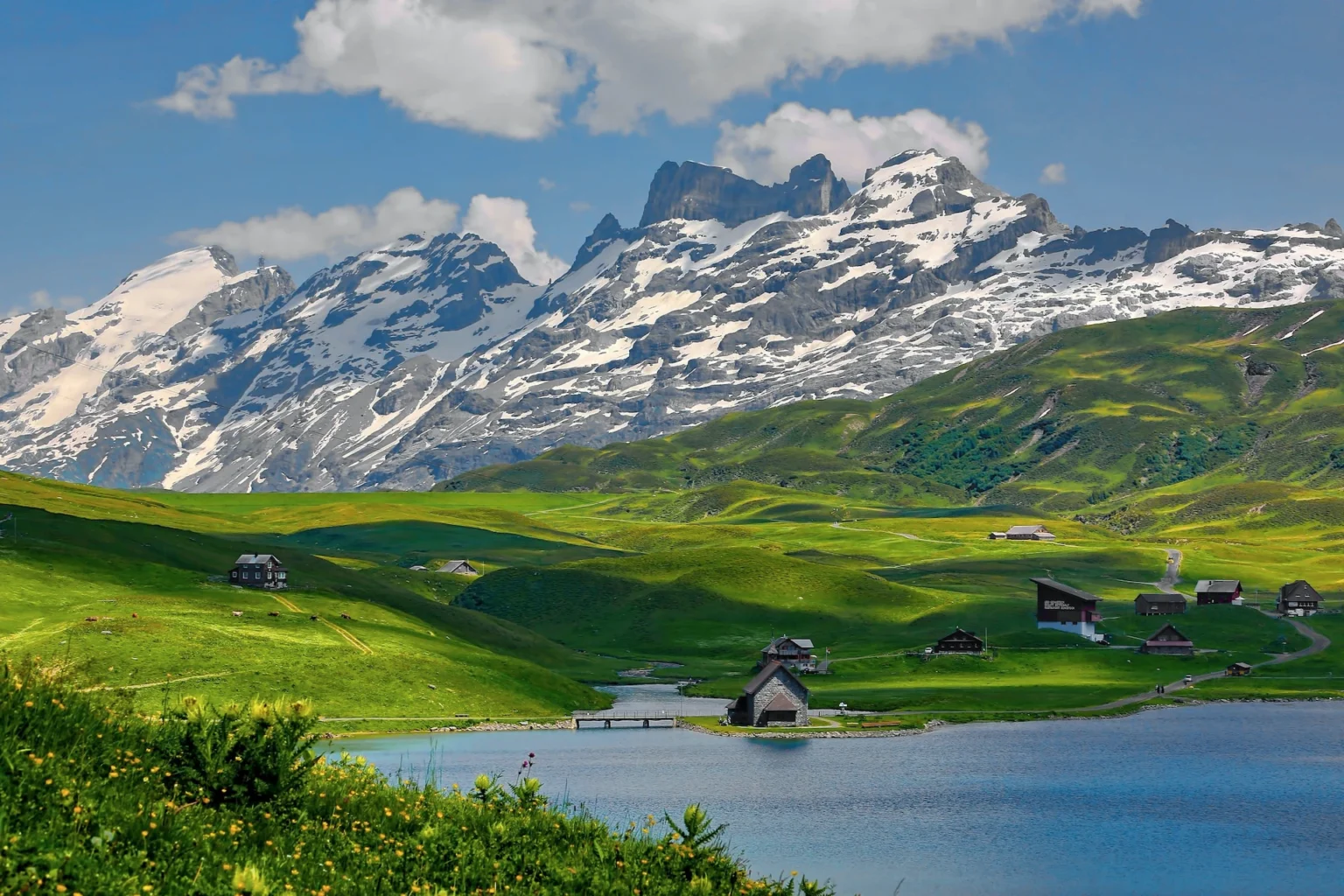

Nestled amidst the heart of Europe, the Alps stand as an epitome of nature’s grandeur and a testament to the intricate beauty our world holds. With its breathtaking peaks, serene valleys, and diverse cultures, the Alps have captured the hearts of explorers and adventurers for generations.
Let’s embark on an immersive journey as we delve into 30 fascinating facts about the Alps, uncovering the rich tapestry of its history, geography, and allure.
Facts about the Alps:
- The Alps are located in the heart of Europe.
- They are renowned for their breathtaking peaks and serene valleys.
- The Alps are home to a diverse range of cultures and traditions.
History of the Alps:
- The Alps have a long and storied history dating back thousands of years.
- They have been inhabited by various civilizations throughout time.
- The Alps have served as a crucial trading route between different regions.
Geography of the Alps:
- The Alps span across several countries, including France, Switzerland, Italy, Austria, and Germany.
- They are characterized by their rugged mountainous terrain and glacial lakes.
- The highest peak in the Alps is Mont Blanc, standing at 4,810 meters.
The Allure of the Alps:
- The Alps attract millions of tourists each year, offering a wide range of outdoor activities such as hiking, skiing, and mountaineering.
- The region is known for its picturesque landscapes and stunning natural beauty.
- The Alps provide a sense of tranquility and a chance to reconnect with nature.
Join us on this captivating journey as we explore the wonders of the Alps and discover the magic they hold.

Introduction: Embracing the Magnificence of the Alps
Stretching across eight countries, including France, Switzerland, Italy, Austria, and Germany, the Alps paint an awe-inspiring canvas that leaves a lasting impression on anyone who gazes upon them. These mountains have not only shaped the landscapes but have also etched their influence on the cultures and societies that have flourished around them.
The majestic Alps are a natural wonder, captivating with their breathtaking beauty and majestic peaks. They offer a diverse range of outdoor activities, from hiking and skiing to mountaineering and paragliding. The snow-capped peaks and glacial valleys create a stunning backdrop for nature lovers and adventure seekers alike.
But the Alps are more than just a playground for outdoor enthusiasts. They hold a rich history and cultural significance. The traditional alpine villages nestled in the valleys have preserved their distinctive architecture, artisan crafts, and culinary traditions. The mountain communities have developed a deep connection with the land, relying on agriculture, herding, and forestry as a way of life.
As you traverse the Alps, you will encounter a tapestry of languages, cultures, and traditions. Each region has its own unique identity, with festivals, music, and cuisine reflecting the local heritage. From the charming chalets of Switzerland to the medieval castles of Austria, the Alps offer a glimpse into the vibrant tapestry of European history.
So whether you are seeking adventure, cultural immersion, or simply a moment of tranquility surrounded by breathtaking beauty, the Alps are sure to captivate your soul and leave an indelible mark on your memory.
Key Highlights:
- Breathtaking beauty of the Alps spanning eight countries
- Diverse range of outdoor activities including hiking, skiing, and paragliding
- Rich history, distinctive architecture, and culinary traditions
- Vibrant tapestry of languages, cultures, and traditions

Alps: The Majestic Mountain Range of Europe
The Alps, the second highest range in Europe after the Caucasus, are a crescent-shaped geographic feature that stands as a classic example of mountainous areas. Stretching across eight alpine countries, including France, Switzerland, Italy, Monaco, Liechtenstein, Austria, Germany, and Slovenia, this mountain range stretches over 1,200 kilometers from the western Mediterranean to the eastern parts of Austria.
- Geographic features:
- Crescent-shaped mountain range
- Second highest range in Europe
- Countries spanned:
- France
- Switzerland
- Italy
- Monaco
- Liechtenstein
- Austria
- Germany
- Slovenia
The Alps cover a vast territory, extending over 1,200 kilometers, from the western Mediterranean to the eastern parts of Austria.
Geography and Topography
Located mainly in the alpine region of Central Europe, the Alps extend from the southern slopes of Lake Geneva in the west to the region bordering Vienna in the east. The major European rivers, such as the Rhine and the Rhône, flow from the Alps and provide Lowland Europe with essential drinking water. In the Rhône Valley, Lake Geneva, situated on the north shore, offers breathtaking aerial views of the Alps.
Divided into three main parts, the Western Alps, the Central Alps, and the Eastern Alps, each has its distinct charm. The Mont Blanc Massif in the Western Alps, which includes the highest mountain in the Alps, Mont Blanc, stands as a testament to the range’s grandeur. The Bernese Alps and the Bavarian Alps are other notable sections. The Dolomitic peaks of the Eastern Alps and the Julian Alps further embellish the range.
Flora and Fauna
The Alps are home to the preserved internal alpine forest, a haven for various alpine plants and animals. The region boasts some of the richest flora in Europe. From deciduous trees at lower altitude to pine trees and alpine plants in the upper zone, the biodiversity is mesmerizing. Animals like the Alpine Ibex, marmots, and even brown bears can be found in the Alps.
Culture and Lifestyle
Traditional alpine villages dot the landscape, each with a strong cultural identity. From the Swiss Alps to the Italian Alps and the Austrian Alps, each area has its unique alpine culture. Tourism, especially related to winter sports, is a significant industry here. Ski resorts abound, and the Winter Olympics have been hosted in the region multiple times.
During the summer season, the high mountain meadows transform into high elevation pastures frequented by locals herding sheep. These meadows also house small summer villages, providing a glimpse into the typical alpine village life. The tourism industry is further boosted by attractions like the Sphinx Tunnel, the Bernina Railroad, and the Devil’s Bridge, the first drivable bridge in the region.
History and Significance
The Alps have been pivotal throughout history. From prehistoric times, when salt mines were integral to local economies, to World War II, when Nazis hid looted art in secluded areas, the mountains have witnessed countless events.
Interestingly, the name “Alps” is derived from a Latin word, indicating their significance in ancient times. The region also played host to battles, with Russian troops crossing the mountains during significant wars.
Current Challenges
Despite their grandeur, the Alps face challenges. Climate change threatens the alpine glaciers, with the Aletsch Glacier, the largest glacier in the Alps, showing signs of receding. The mountains’ upper regions, with harsh cold conditions, have also witnessed changes in animal and plant life, making conservation efforts crucial.
The Alps, with their high peaks, alpine zones, and glaciers, are not just a physical atlas of Europe but also a symbol of the continent’s vibrant culture, history, and biodiversity. As they continue to inspire and provide for millions, the importance of preserving this majestic mountain range becomes ever more paramount.
Discovering the 30 Facts About Alps
Awe-Inspiring Heights
Reaching towards the heavens, the Alps are crowned by the magnificent Mont Blanc, standing as the highest peak in Western Europe at 15,774 feet (4,809 meters). This towering behemoth, covered in glistening snow, calls out to adventurers and mountaineers, urging them to conquer its formidable heights.
Key Features of Mont Blanc:
- Height: 15,774 feet (4,809 meters)
- Located in the Alps, Western Europe
- Covered in glistening snow
Why Mont Blanc is Attractive to Adventurers:
- Magnificent and towering peak
- Calls out to adventurers and mountaineers
- Urges them to conquer its formidable heights
By conquering Mont Blanc, adventurers and mountaineers achieve an incredible feat, standing atop the highest peak in Western Europe and witnessing breathtaking views from the summit.
Glacial Wonders
Step into a realm of frozen beauty as you explore the approximately 1,300 glaciers that grace the Alpine landscape. These colossal ice formations are not only stunning to behold but also play a vital role in providing fresh water to rivers and lakes, sustaining ecosystems and communities throughout the region.
- Glaciers are stunning and colossal ice formations.
- They play a vital role in providing fresh water.
- Glaciers sustain ecosystems and communities.
By exploring these glaciers, you can witness the majestic beauty of nature while also appreciating their essential contributions to the environment.
Eternal Ice Caves
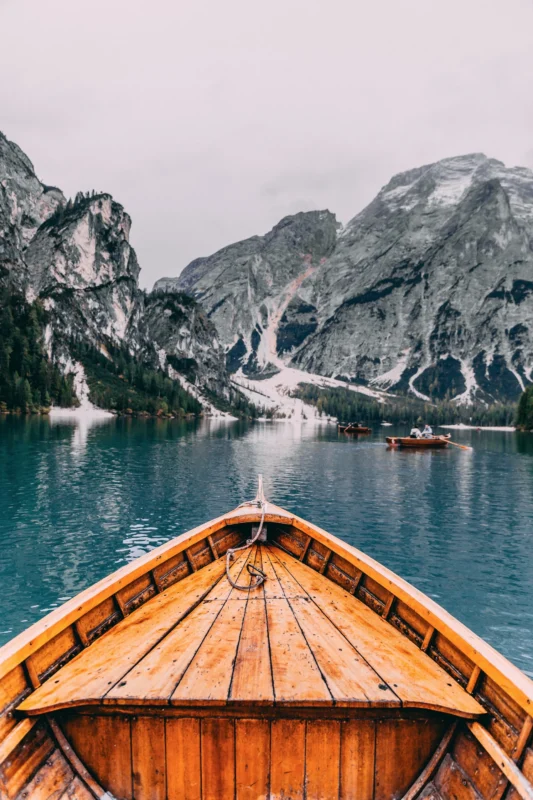
Venture into the heart of the Alps and uncover the secrets hidden beneath its surface. The Eisriesenwelt, nestled in the Austrian Alps, offers an enchanting journey into a mesmerizing ice cave, where intricate formations of ice create a breathtaking spectacle that defies the passage of time.
Explore the Eisriesenwelt:
- Location: Nestled in the Austrian Alps
- Experience: An enchanting journey into a mesmerizing ice cave
- Spectacle: Intricate formations of ice create a breathtaking sight
- Timelessness: Defies the passage of time
With its captivating beauty and mysterious allure, the Eisriesenwelt is a must-visit destination for those seeking an extraordinary adventure amidst the natural wonders of the Alps.
Diverse Landscapes
From the verdant meadows that come alive with a riot of wildflowers in the summer to the rugged, snow-capped peaks that pierce the sky, the Alps offer a myriad of landscapes that captivate the senses.
Among these, the picturesque Lake Geneva glistens like a sapphire jewel, reflecting the surrounding mountains in its tranquil waters.
- Verdant meadows with a riot of wildflowers
- Rugged, snow-capped peaks piercing the sky
- Picturesque Lake Geneva, a sapphire jewel, reflecting the surrounding mountains
The Alps truly offer a diverse range of breathtaking scenery that is sure to captivate anyone who sets foot in this magical place.
Cultural Tapestry
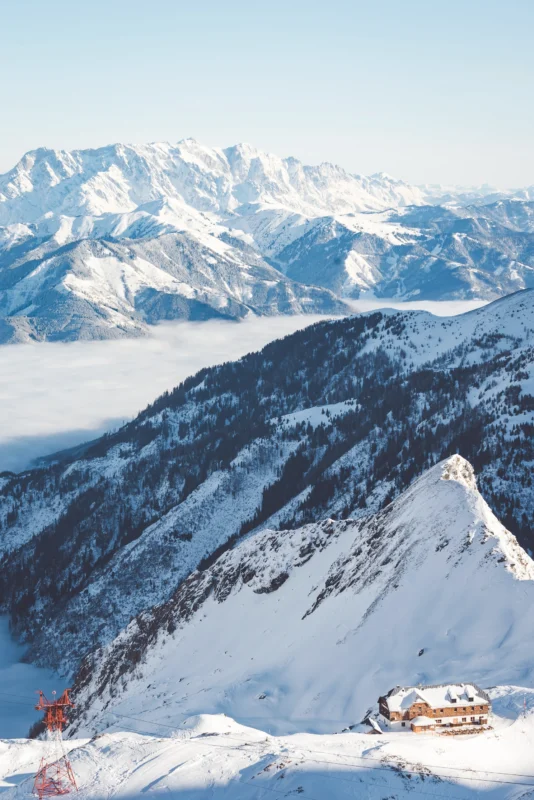
Beyond its physical beauty, the Alps weave together a rich tapestry of cultures and traditions that have evolved over centuries. As you traverse the region, you’ll encounter a harmonious blend of languages, cuisines, and customs, each influenced by the unique histories of the countries that share these majestic mountains.
- Languages: The Alps region is home to a diverse array of languages, including German, French, Italian, Slovenian, and Romansh. This linguistic diversity adds to the cultural richness of the area.
- Cuisines: Each country in the Alps has its own distinct culinary traditions. From hearty Austrian schnitzels to delicate Swiss chocolates, the food in the region reflects the unique flavors and ingredients of each culture.
- Customs: The Alps region is known for its vibrant customs and celebrations. From the colorful Fasnacht carnival in Switzerland to the traditional Almabtrieb cattle drive in Austria, there are numerous cultural events that showcase the heritage of the region.
The Alps offer not only breathtaking landscapes but also a captivating cultural experience. With its blend of languages, cuisines, and customs, this region truly embodies the diversity and history of the countries that surround it.
Legends and Folklore
The Alps harbor a realm of legends and folklore that add an air of mystique to the mountains. Tales of the elusive “Wild Man” and the mischievous “Alpgeist” have been whispered through generations, leaving a trail of wonder and intrigue for those eager to explore the stories that have shaped the region’s identity.
Legends and Folklore in the Alps
- The Alps are steeped in legends and folklore that captivate the imagination.
- These tales have been passed down through generations, adding to the rich cultural heritage of the region.
The Wild Man
- The Wild Man is a mythical figure believed to roam the remote areas of the Alps.
- He is often described as a hairy, wild creature who is in tune with nature.
- The legend of the Wild Man adds an element of mystery and fascination to the mountainous landscape.
The Alpgeist
- The Alpgeist is a mischievous spirit known for playing tricks on unsuspecting travelers.
- It is said to inhabit the mountains, causing mischief and leaving a sense of wonder and awe.
- The stories of the Alpgeist contribute to the enchanting aura of the Alps.
Explore the Legends
- For those intrigued by folklore and legends, the Alps offer a treasure trove of tales waiting to be discovered.
- Delve into the stories that have shaped the identity of this magnificent region and uncover the secrets hidden within the mountains.
Culinary Delights
Indulge your senses with the hearty and flavorful Alpine cuisine. Delicacies like fondue, raclette, and schnitzel not only tantalize the taste buds but also offer a glimpse into the alpine lifestyle, where sharing a meal is a cherished tradition that brings people together.
- Hearty and flavorful Alpine cuisine
- Delicacies like fondue, raclette, and schnitzel
- Tantalize the taste buds
- Offer a glimpse into the alpine lifestyle
- Sharing a meal as a cherished tradition that brings people together
Transcending Borders
The Alps serve as a natural bridge, connecting not only geographical landscapes but also fostering unity among nations. This transboundary cooperation is evident in initiatives aimed at preserving the region’s natural beauty, promoting sustainable tourism, and ensuring the well-being of both residents and visitors.
Key Features of the Alps:
- Natural Beauty: The Alps boast breathtaking landscapes, with majestic mountains, pristine lakes, and picturesque valleys.
- Transboundary Cooperation: The Alps bring together nations, encouraging collaboration and unity in various initiatives.
- Sustainable Tourism: Efforts are made to promote tourism that respects the environment, local cultures, and communities.
- Preservation of Nature: Conservation projects are implemented to protect the diverse flora and fauna of the region.
- Resident and Visitor Well-being: The Alps prioritize the welfare of both residents and visitors, ensuring a harmonious coexistence.
By highlighting the importance of preserving natural beauty, promoting sustainable tourism, and caring for the well-being of all, the Alps demonstrate the potential for cross-border collaboration in creating a shared and sustainable future.
Flora and Fauna
As you venture through the Alps, you’ll encounter a diverse array of flora and fauna that have adapted to the challenging environment. From vibrant alpine wildflowers that paint the meadows to iconic species like chamois, ibex, and golden eagles, the region’s biodiversity is a testament to nature’s resilience.
- Flora: The Alps boast a stunning variety of alpine wildflowers, including Edelweiss, Gentians, and Alpine Aster.
- Fauna: Keep an eye out for the majestic chamois, a nimble mountain goat, and the impressive ibex with its magnificent curved horns.
- Birds: Look to the sky for the sight of a golden eagle soaring high above the peaks.
The Alps are a haven for nature enthusiasts, offering a unique opportunity to witness the beauty and adaptability of the natural world in action.
Winter Wonderland
When winter blankets the Alps in a soft, white embrace, a world of winter sports and adventure comes to life. Renowned ski resorts like Chamonix in France and St. Moritz in Switzerland beckon enthusiasts to carve through pristine snow, while the Winter Olympics have graced these mountains, showcasing the pinnacle of human athleticism against a backdrop of natural beauty.
- Renowned ski resorts:
- Chamonix (France)
- St. Moritz (Switzerland)
- Winter activities:
- Carving through pristine snow
- Winter sports and adventure
- Winter events:
- Winter Olympics
The Enigma of Matterhorn
One glance at the Matterhorn, with its distinct pyramidal shape, and you’ll understand why it has captured the imaginations of explorers and climbers for generations. Scaling its heights is a challenge that calls out to those with a spirit of adventure, offering both a physical and metaphorical peak to conquer.
Key Features:
- Distinct pyramidal shape
- Captivating for explorers and climbers
- Symbolic challenge
The Matterhorn has a powerful allure that has drawn adventurers for years. Its unique shape and imposing presence make it a sight to behold. For those seeking thrill and conquest, scaling the Matterhorn is a testament to their adventurous spirit. It represents not only a physical challenge but also a metaphorical pinnacle to overcome.
Embarking on the journey to conquer the Matterhorn requires courage, determination, and skill. The mountain stands as a symbol of triumph and a test of one’s abilities. It is an experience that promises both physical exertion and profound personal growth.
So, if you’re ready to embark on an adventure like no other, set your sights on the Matterhorn. Prepare to be captivated, challenged, and inspired as you ascend to new heights, both literally and metaphorically.

Lakes of Tranquility
The Alps cradle within their embrace a collection of serene lakes that mirror the surrounding splendor. From the enchanting Lake Como in Italy to the fairy-tale-like Lake Bled in Slovenia, each body of water is a masterpiece in itself, beckoning travelers to pause and bask in their tranquil beauty.
- Lake Como in Italy
- Fairy-tale-like Lake Bled in Slovenia
Each of these lakes is a masterpiece in itself, inviting travelers to pause and bask in their tranquil beauty.
Historical Crossroads
The Alpine region has long served as a crossroads for trade and cultural exchange. Medieval trade routes crisscrossed these mountains, shaping the course of history and contributing to the unique blend of languages, customs, and architecture that define the Alps.
Key Features:
- Crossroads for trade and cultural exchange
- Medieval trade routes
- Shaping the course of history
- Unique blend of languages, customs, and architecture
The Alpine region has a rich history and is known for its diverse cultural heritage. The mountains have acted as a meeting point for different civilizations, resulting in a fascinating mix of traditions and influences. The trade routes that traversed these mountains during the medieval period played a significant role in shaping the region’s development.
The exchange of goods and ideas along these trade routes fostered cultural exchange, leading to the emergence of unique languages, customs, and architectural styles that are still evident in the Alpine region today. This rich tapestry of cultural diversity is one of the defining characteristics of the Alps.
Overall, the Alpine region’s history as a crossroads for trade and cultural exchange has left a lasting impact on its identity. The blend of languages, customs, and architecture found in the Alps is a testament to the centuries of interaction and collaboration that have taken place in this mountainous region.
Charming Alpine Villages
Nestled amidst the peaks, Alpine villages exude a charming allure that transports you to a storybook setting. Wooden chalets adorned with flower-filled balconies line cobblestone streets, creating a picturesque atmosphere that feels like stepping into a time-honored fairy tale.
- Alpine villages are nestled amidst the peaks, exuding a charming allure.
- The villages are adorned with wooden chalets featuring flower-filled balconies.
- Cobblestone streets create a picturesque atmosphere.
- The setting feels like stepping into a time-honored fairy tale.
Architectural Marvels
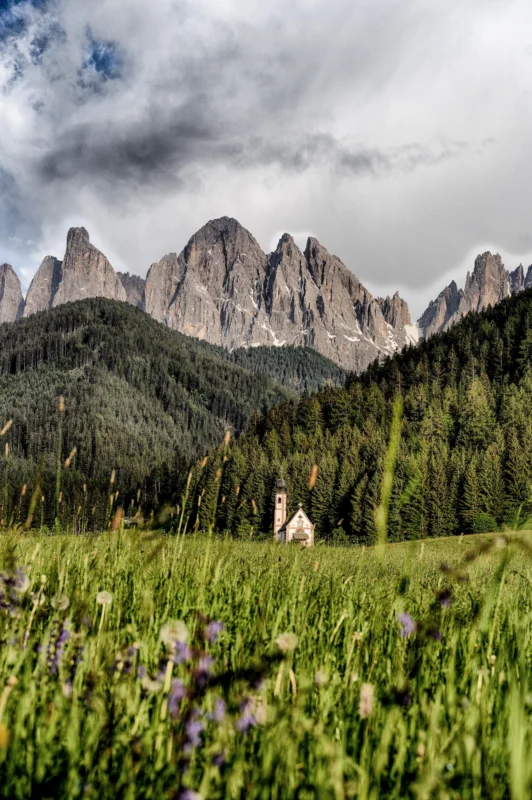
Perched atop hills or nestled within valleys, the Alps boast architectural marvels that mirror the region’s rich history. From centuries-old churches with intricate spires to fortresses that stand as guardians of the past, these structures are not just monuments but windows into the soul of the Alps.
The centuries-old churches in the Alps are adorned with intricate spires, showcasing the region’s rich history and architectural prowess. These churches serve as testaments to the faith and devotion of the communities that built them.
Fortresses dot the landscape of the Alps, standing tall as guardians of the past. These mighty structures have witnessed centuries of history and offer glimpses into the strategic importance of the region throughout the ages.
These architectural marvels in the Alps are not mere monuments; they are windows into the soul of the region. They tell stories of the past, embodying the culture, heritage, and resilience of the people who have called the Alps home.
Highlighted points:
- Architectural marvels in the Alps
- Centuries-old churches with intricate spires
- Fortresses as guardians of the past
Retreats of Serenity
Amidst the grandeur of the Alps, you’ll find havens of relaxation and rejuvenation. Wellness retreats and spa experiences allow you to unwind in a setting that harmonizes with nature, providing a perfect balance of tranquility and self-care.
- Relaxation and rejuvenation await amidst the grandeur of the Alps.
- Wellness retreats and spa experiences provide a serene escape in harmony with nature.
- Find tranquility and practice self-care in the breathtaking setting of the Alps.
Unwind, rejuvenate, and find tranquility amidst the grandeur of the Alps at these wellness retreats and spa experiences. Immerse yourself in nature’s embrace and discover the perfect balance of relaxation and self-care.

Evolving Biodiversity
The Alps house a spectrum of ecosystems that transition as you ascend the mountains. From lush valleys adorned with alpine flowers to rugged high-altitude terrain, each ecosystem hosts unique flora and fauna that have adapted to the challenging conditions, showcasing nature’s remarkable ability to thrive.
- Lush valleys adorned with alpine flowers
- Rugged high-altitude terrain
These ecosystems exhibit a wide range of biodiversity and are home to a variety of plant and animal species. The diverse range of habitats found in the Alps provides opportunities for scientific research and exploration. It is fascinating to observe how different organisms have evolved and thrived in these extreme environments.
Exploring the Alps offers a glimpse into the intricate relationship between nature and its surroundings. The breathtaking landscapes and diverse ecosystems make it a haven for nature enthusiasts and researchers alike. Whether you are a botanist studying alpine flora or a wildlife enthusiast observing the majestic Ibex, the Alps never cease to amaze with their natural wonders.
Majestic Alpine Ibex
With its distinctive curved horns and agile nature, the Alpine ibex stands as an emblem of the mountains’ wildlife. These sure-footed climbers navigate steep slopes with ease, a testament to the resilience and adaptability required to thrive in this demanding environment.
Key Features of the Alpine Ibex:
- Distinctive curved horns
- Agile and sure-footed climbers
Adaptability in Challenging Environments:
- Thrives in demanding mountainous regions
- Navigates steep slopes with ease
The Alpine ibex is a remarkable example of wildlife that embodies resilience and adaptability in the face of challenging conditions.
Cultural Inspiration
The beauty of the Alps has ignited the creative spark within artists and writers for centuries. The brushstrokes of J.M.W. Turner’s paintings and the poetic verses of Mary Shelley’s writings stand as testaments to the profound impact that these mountains have had on the realm of art and literature.
Artistic Inspiration
The breathtaking beauty of the Alps has long served as a muse for artists throughout history. The sweeping landscapes and majestic peaks have inspired countless painters, including the renowned J.M.W. Turner. Through his masterful brushstrokes, Turner captured the essence of the mountains, conveying their grandeur and awe-inspiring presence.
Literary Influence
The Alps have not only captivated visual artists but also sparked the imagination of writers. Mary Shelley, best known for her iconic novel Frankenstein, found inspiration in the dramatic landscapes of the Alps. She drew upon the mountains’ mystique and their ability to evoke both awe and terror, infusing her own work with a sense of sublime beauty and profound introspection.
The profound impact of the Alps on art and literature is undeniable. The interplay between nature’s magnificence and the human creative spirit continues to shape and inspire generations of artists and writers. The brushstrokes and poetic verses born from this connection stand as a testament to the enduring power of these majestic mountains.

Facing Climate Change
The Alps are not immune to the challenges of climate change. The shrinking glaciers are stark reminders of the environmental shifts occurring globally. However, this awareness has spurred on initiatives for sustainable tourism and conservation, as the world unites to protect these natural treasures.
- The Alps are experiencing the impacts of climate change.
- The shrinking glaciers serve as a powerful symbol of global environmental changes.
These challenges have prompted efforts to promote sustainable tourism and conservation, as people around the world come together to safeguard these precious natural wonders.
Legacy of Alpine Sports
While the Alps are famed for their ski resorts, their sporting legacy extends beyond the slopes. From mountaineering feats to ice climbing adventures, the mountains have been a playground for those seeking adrenaline-fueled experiences that test their limits.
The Alps offer a wide range of thrilling activities. Whether it’s hiking to breathtaking peaks, paragliding over stunning valleys, or canyoning through crystal-clear waters, there’s something for every adventure enthusiast.
For those who prefer a more challenging experience, the Alps provide opportunities for rock climbing and bouldering. The jagged cliffs and rugged terrain offer a perfect playground for climbers of all levels.
Moreover, the Alps are a haven for mountain biking enthusiasts. With an extensive network of trails, riders can explore the stunning landscapes and enjoy the adrenaline rush of downhill descents.
In addition to the thrilling activities, the Alps also offer breathtaking views and an opportunity to immerse oneself in nature’s beauty. The serene alpine meadows, pristine lakes, and majestic glaciers create a perfect backdrop for unforgettable adventures.
So, whether you’re seeking an adventure-packed vacation or simply want to marvel at the beauty of nature, the Alps are the ultimate destination.
Spectacular Cable Car Rides
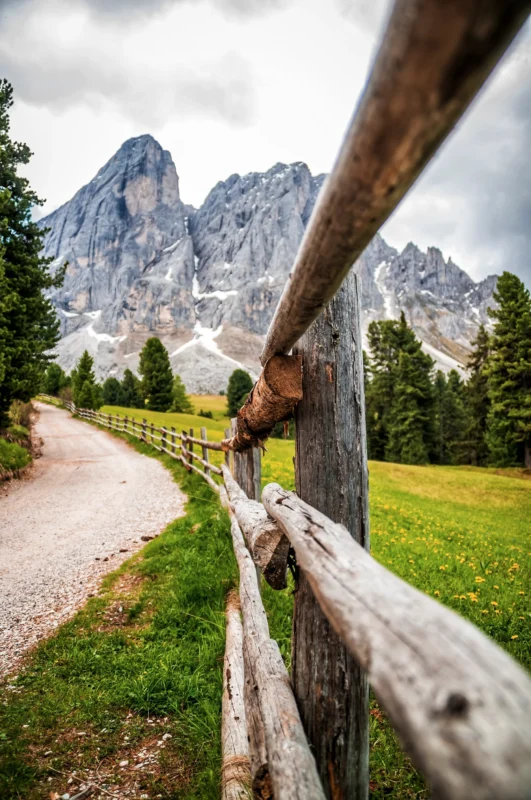
Embark on a journey like no other as you ascend the heights of the Alps through cable car rides that offer panoramic vistas of the surrounding landscape. These thrilling rides not only provide breathtaking views but also grant you a unique perspective on the grandeur of the mountains.
Experience the awe-inspiring beauty of the Alps as you soar above the rugged terrain, gazing at the majestic peaks that stretch as far as the eye can see. With each cable car ride, you’ll be treated to unforgettable moments as you witness the changing colors of the sky, the play of light on the mountains, and the sheer vastness of nature.
Immerse yourself in the tranquility of the mountains as you take in the crisp mountain air and listen to the gentle whispers of the wind. Feel a sense of serenity wash over you as you contemplate the sheer magnitude of the natural wonders that surround you.
As you ascend higher and higher, the landscape unfolds before your eyes, revealing hidden valleys, cascading waterfalls, and picturesque meadows. Take a moment to capture these fleeting moments in your memory or with your camera, knowing that you are witnessing something truly extraordinary.
Highlights of the cable car rides:
- Breathtaking panoramic vistas of the Alps
- Unique perspective on the grandeur of the mountains
- Unforgettable moments of awe-inspiring beauty
- Tranquility and serenity amidst nature’s wonders
- Discovering hidden valleys, waterfalls, and meadows
Embark on this unforgettable adventure and let the cable car rides transport you to new heights, both literally and metaphorically. Prepare to be amazed as you connect with the raw power and beauty of the Alps, leaving you with memories that will last a lifetime.
Preserving Natural Treasures
In recognition of their ecological significance, numerous national parks and protected areas have been established across the Alps. These havens of biodiversity and natural beauty serve as sanctuaries for both wildlife and those seeking to connect with the pristine outdoors.
These protected areas are important for preserving biodiversity and ensuring the survival of ecosystems that are under threat. They provide a safe habitat for a wide range of flora and fauna that are unique to the Alps.
Visiting these national parks and protected areas allows people to experience the wonders of nature and appreciate the majestic landscapes and diverse wildlife that call the Alps their home. Whether it’s hiking through lush forests, observing rare bird species, or simply enjoying the tranquility of the mountains, these areas offer something for everyone.
By protecting and preserving these natural spaces, we can continue to enjoy and benefit from the environmental, recreational, and educational resources they provide. It is crucial to safeguard these areas for future generations to ensure that the beauty and ecological value of the Alps are preserved for years to come.
Benefits of national parks and protected areas in the Alps:
- Preservation of biodiversity and ecosystems
- Habitat for unique flora and fauna
- Opportunities for outdoor recreation and nature exploration
- Educational resources for learning about the environment and conservation
In summary, the establishment of national parks and protected areas in the Alps is a testament to the recognition of their ecological importance. These areas not only protect and preserve biodiversity but also provide a space for people to connect with nature and appreciate the beauty of the natural world.
Melodies of the Mountains
The Alps resonate with the melodies of traditional music and the joyful celebrations of festivals that bring communities together. From lively folk tunes to vibrant festivities, the cultural heartbeat of the region comes alive in these moments of shared joy.
- Lively folk tunes
- Vibrant festivities
- Shared joy
The Alps resonate with the melodies of traditional music and the joyful celebrations of festivals that bring communities together. From lively folk tunes to vibrant festivities, the cultural heartbeat of the region comes alive in these moments of shared joy.
Dolomites’ Unique Splendor
Immerse yourself in the splendor of the Dolomites, a UNESCO World Heritage site renowned for its striking limestone formations. These towering peaks, with their dramatic contours and vibrant hues, stand as living works of art that evoke awe and admiration.
Key Features:
- Striking limestone formations
- Towering peaks with dramatic contours
- Vibrant hues that create a visual spectacle
Experience the Dolomites:
The Dolomites, designated as a UNESCO World Heritage site, offer a breathtaking natural landscape that captivates the senses. The majestic peaks, sculpted by time and weather, create a mesmerizing sight. The interplay of light and shadow on the rugged surface of the mountains adds to their allure. Whether you are an avid hiker, a nature enthusiast, or simply seeking tranquility, the Dolomites provide an unforgettable experience.
Art in Nature:
The Dolomites are not just a stunning natural wonder; they are also a masterpiece of art. The unique limestone formations, shaped over millions of years, resemble sculptures crafted by the most talented artists. The contrast between the vibrant hues of the rocks and the clear blue sky creates a stunning visual composition. As you explore the Dolomites, you will be surrounded by a living canvas that is constantly changing with the light and the seasons.
Awe and Admiration:
Visiting the Dolomites is a journey into a world of awe and admiration. The grandeur of the peaks, the serenity of the valleys, and the tranquility of the alpine meadows create a sense of wonder and reverence. Whether you choose to hike to the summits, ride a cable car to enjoy the panoramic views, or simply sit and absorb the beauty, the Dolomites will leave an indelible mark on your soul.
Discover the Splendor:
The Dolomites beckon you to explore their splendor. With every step, you will be immersed in a natural wonderland that feels like a dream come true. From the challenging hikes to the peaceful lakes, from the charming villages to the breathtaking viewpoints, the Dolomites offer a wealth of experiences that will leave you in awe.
Plan Your Visit:
- Research various hiking trails and choose the ones that suit your fitness level and interests
- Consider visiting during the summer months when the weather is pleasant for outdoor activities
- Make accommodation arrangements in advance, as the Dolomites are a popular destination
- Pack appropriate clothing and gear for hiking and outdoor adventures
Experience the Dolomites: Prepare to be enchanted by the beauty of the Dolomites, a place where nature and art intertwine to create a truly extraordinary experience.

FAQs About the Alps
Q: How did the Alps come into existence geologically?
A: The Alps emerged from the dynamic collision between the African and Eurasian tectonic plates, resulting in the majestic mountain range we see today.
Q: What is the best time to experience the Alps’ beauty?
A: Summer months (June to August) offer lush landscapes for outdoor exploration, while winter (December to February) transforms the region into a paradise for winter sports enthusiasts.
Q: Are there any endangered species in the Alps?
A: Yes, the Alps provide habitat for several endangered species, including the Alpine marmot and the majestic bearded vulture.
Q: How can I explore the Alps sustainably?
A: Opt for eco-conscious accommodations, respect designated trails, and support local businesses to minimize your ecological footprint while enjoying the Alps’ wonders.
Q: Are there any long-distance hiking routes in the Alps?
A: Absolutely, the Alps offer an array of long-distance hiking trails. The famous Tour du Mont Blanc and the iconic Haute Route are among the options for adventure seekers.
Q: Can I experience the beauty of the Alps on a budget?
A: Certainly, budget-friendly accommodations and activities like hiking and picnicking allow you to immerse yourself in the Alps’ beauty without breaking the bank.
Conclusion: Embracing the Alpine Majesty
As we draw the curtain on our journey through these 30 captivating facts about the Alps, we’re reminded that this mountain range is more than just geographical features; it’s a living testament to the wonders of our planet. With its towering peaks, rich cultural heritage, and resilient ecosystems, the Alps offer an invitation to explore, appreciate, and protect the beauty that nature has bestowed upon us.
So, whether you’re drawn by the allure of conquering peaks or captivated by the tranquility of alpine lakes, remember that the Alps hold a wealth of experiences that promise to enrich your soul and leave an indelible mark on your heart.
Trip-ready gear from Amazon
As an Amazon Associate, grandgo.com earns from qualifying purchases. Links below are affiliate links — clicking them may earn us a small commission at no extra cost to you. Prices and availability are shown on Amazon.co.uk.
- Victorinox Swiss Army Knife Spartan — The iconic multi-tool.
- Lindt Lindor gift box 200g — Take Swiss chocolate home.
- Lonely Planet Switzerland guide — Detailed regional coverage.