



Quick Answer
World’s 10 busiest airports 2026 by passenger traffic (ACI rankings): 1. Atlanta (ATL): ~105M passengers/year. Delta hub. World’s busiest since 1998. 2. Dubai (DXB): ~92M. Emirates hub. World’s busiest for international traffic. 3. Dallas/Fort Worth (DFW): ~82M. American Airlines hub. Largest by area in US. 4. Tokyo Haneda (HND): ~80M. JAL + ANA hubs. Asia’s busiest. 5. London Heathrow (LHR): ~79M. BA hub. Europe’s busiest. 6. Denver (DEN): ~78M. United hub. Largest by area in Western Hemisphere. 7. Istanbul (IST): ~76M. Turkish Airlines hub. Replaced Ataturk 2018. 8. Los Angeles (LAX): ~75M. Delta + United + American + Southwest. 9. Chicago O’Hare (ORD): ~73M. United + American hubs. 10. Shanghai Pudong (PVG): ~70M. China Eastern hub. Note: rankings shift annually based on ACI data. Beijing Capital + Daxing combined exceed most. Layover tips: ATL has Plane Train shuttle, DXB has free shower lounges, IST has world’s largest single-terminal airport.

Top 10 busiest airports — full data
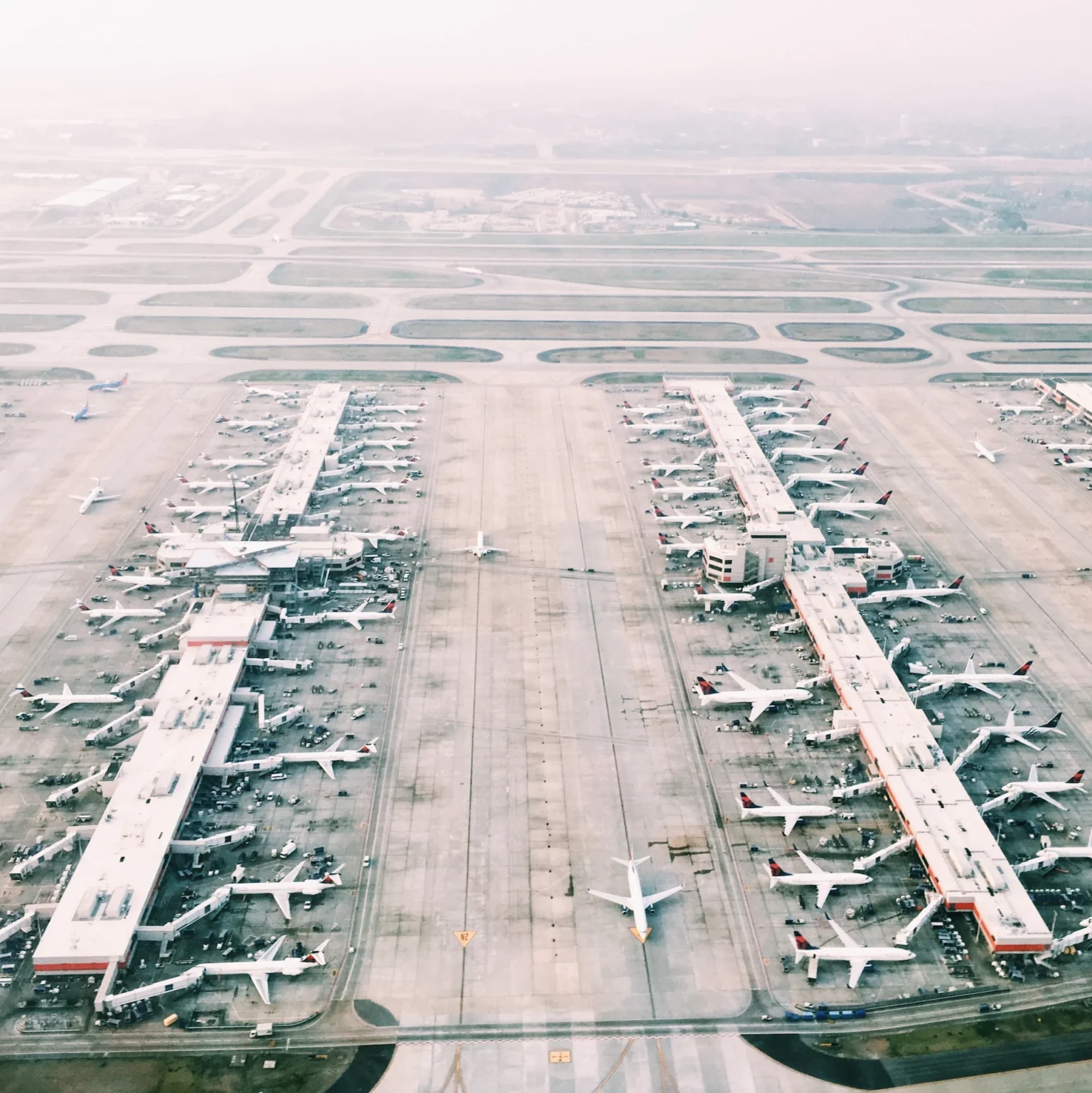
- 1. Atlanta Hartsfield-Jackson (ATL): ~105M passengers/year. 5 runways, 207 gates, 7 concourses (T, A, B, C, D, E, F). Delta primary hub. Plane Train ATL Skytrain connects concourses. World’s busiest airport since 1998.
- 2. Dubai International (DXB): ~92M passengers. 3 terminals, 4 concourses. Emirates flagship hub. Busiest for international traffic. 24/7 operations. Free shower lounges + meditation rooms.
- 3. Dallas/Fort Worth (DFW): ~82M passengers. 5 terminals connected by Skylink train. American Airlines primary hub. Largest by area in US (17,207 acres).
- 4. Tokyo Haneda (HND): ~80M passengers. 3 terminals (T1 domestic ANA, T2 domestic JAL, T3 international). JAL + ANA hubs. World-renowned cleanliness + punctuality.
- 5. London Heathrow (LHR): ~79M passengers. 4 terminals (T2 Queen’s Terminal, T3, T4, T5 BA flagship). British Airways primary hub. Europe’s busiest. Heathrow Express to London Paddington in 15 min.
- 6. Denver (DEN): ~78M passengers. 1 terminal + 3 concourses (A, B, C). United Airlines hub. Largest airport by area in Western Hemisphere (33,531 acres).
- 7. Istanbul (IST): ~76M passengers. Opened 2018 replacing Ataturk. Turkish Airlines hub. World’s largest single-terminal airport. 90M+ capacity.
- 8. Los Angeles (LAX): ~75M passengers. 9 terminals (T1-T8 + TBIT Tom Bradley International). Delta + United + American + Southwest hubs. People Mover under construction.
- 9. Chicago O’Hare (ORD): ~73M passengers. 4 terminals (T1, T2, T3, T5 international). United + American hubs. Notorious winter weather delays.
- 10. Shanghai Pudong (PVG): ~70M passengers. 2 terminals. China Eastern + Shanghai Airlines hubs. Maglev train to city in 7 min (430 km/h).
Honorable mentions — 50-70M range
- Paris CDG: ~68M. Air France hub. 3 terminals.
- Amsterdam Schiphol: ~62M. KLM hub. 1-terminal design.
- Hong Kong HKG: ~60M. Cathay Pacific hub. Top-rated Skytrax airport.
- Singapore Changi (SIN): ~58M. Top-rated Skytrax 2013-2020. Jewel waterfall + butterfly garden.
- Frankfurt FRA: ~57M. Lufthansa hub. Largest cargo airport in Europe.
- Madrid MAD: ~55M. Iberia hub. Spain’s largest.
- Beijing Capital PEK: ~50M. Air China hub. Was #2 globally pre-pandemic.
- Beijing Daxing PKX: ~40M. Opened 2019. Combined PEK+PKX ~90M.
- Seoul Incheon ICN: ~55M. Korean Air + Asiana hubs. Top-rated Skytrax.
- Mumbai BOM: ~50M. India’s busiest.
Layover survival tips
- ATL Atlanta: Plane Train under all concourses; allow 20 min between far-apart gates.
- DXB Dubai: free shower lounges in T3 + meditation rooms. Avoid Emirates lounge premium if not booked.
- HND Tokyo: 4F observation deck T1+T2. T3 international has Edo-style food street + onsen foot bath.
- LHR Heathrow: book Heathrow Express tickets in advance £20-25 vs £32 at machine. Free Wi-Fi 4 hours.
- IST Istanbul: free Stopover Istanbul city tour for layovers 6-24 hours via Turkish Airlines.
- LAX: avoid TBIT (Tom Bradley) connections — long lines + far terminal. Use FlyAway buses to Union Station ($9.75).
- SIN Singapore Changi: Jewel waterfall + butterfly garden + free cinema + napping zones. Best layover airport globally.
- ICN Seoul Incheon: free city tours 1-5 hours, traditional Korean cultural center on T1.
- FRA Frankfurt: AirRail Terminal connects to ICE high-speed trains direct to cities.
- HKG Hong Kong: free napping pods, observation lounge T2.
- General tips: download airport app; check terminal transfer time; allow 90+ min international connections; carry power bank.
- Long layovers 6+ hours: sleep pods (Yotelair, Sleepbox) £30-80; airport hotel with day rooms; lounge access (Priority Pass).
Trends shaping airport rankings
- India surge: Mumbai BOM + Delhi DEL growing fastest. Combined could enter top 10 by 2028.
- China dominance: Beijing Daxing + Pudong + Capital + Shenzhen + Guangzhou all in top 30.
- Middle East mega-hubs: DXB, Doha DOH, Abu Dhabi AUH transit hubs between East-West.
- European stagnation: Heathrow, CDG, FRA capacity-constrained. Few expansion projects.
- US recovery: ATL, DFW, ORD back to pre-pandemic. JFK $19B redesign.
- Sustainability push: SIN, ICN, ZRH targeting net-zero by 2050.
- Biometric + paperless: ICN, SIN, DXB lead facial recognition boarding.
- New megahubs: Istanbul IST replaced Ataturk 2018. Mexico City NLU 2022. Lisbon LIS new airport planned 2030.
Frequently Asked Questions
World’s busiest airport 2026?
Atlanta Hartsfield-Jackson (ATL) — ~105M passengers/year. World’s busiest since 1998. Delta primary hub.
Busiest international airport?
Dubai International (DXB) — ~92M passengers, busiest for international (non-domestic) traffic. Emirates flagship hub.
Busiest airport in Europe?
London Heathrow (LHR) — ~79M. British Airways hub. 4 terminals. Heathrow Express to Paddington 15 min.
Busiest airport in Asia?
Tokyo Haneda (HND) — ~80M. JAL + ANA hubs. 3 terminals. Beijing PEK + Daxing PKX combined exceed.
Largest airport by area?
Denver (DEN) — 33,531 acres, largest in Western Hemisphere. King Fahd Dammam Saudi Arabia largest globally.
Best layover airport?
Singapore Changi (SIN) — Jewel waterfall, butterfly garden, free cinema, top-rated Skytrax 2013-2020. Seoul Incheon ICN also excellent.
Recommended on Amazon
grandgo.com is an Amazon Associate and earns from qualifying purchases. Links open your local Amazon store.
- Bose noise-cancelling headphones — long layovers.
- Anker portable charger 20000mAh — multi-flight days.
- Travel neck pillow memory foam — layover sleep.