


Comprehensive Guide to Swiss Weather
Switzerland, known for its picturesque landscapes, sumptuous chocolates, and precise timepieces, is equally famous for its distinct weather conditions. With the Alps and Jura mountains influencing the climate, it’s essential to understand the variations to make the most of your trip. Let’s delve into the intricate details of Swiss weather.
The Four Distinct Swiss Seasons
Spring (March to May)
Blossoming Beauty:
Spring in Switzerland is characterized by mild temperatures and blossoming landscapes. As snow retreats from the lower altitudes, colorful flowers replace them, painting a vibrant picture.
Temperature Range: 8°C to 15°C.
Travel Tip: This is a great time for city tours and lakeside excursions.
Summer (June to August)
Sunny Sojourns:
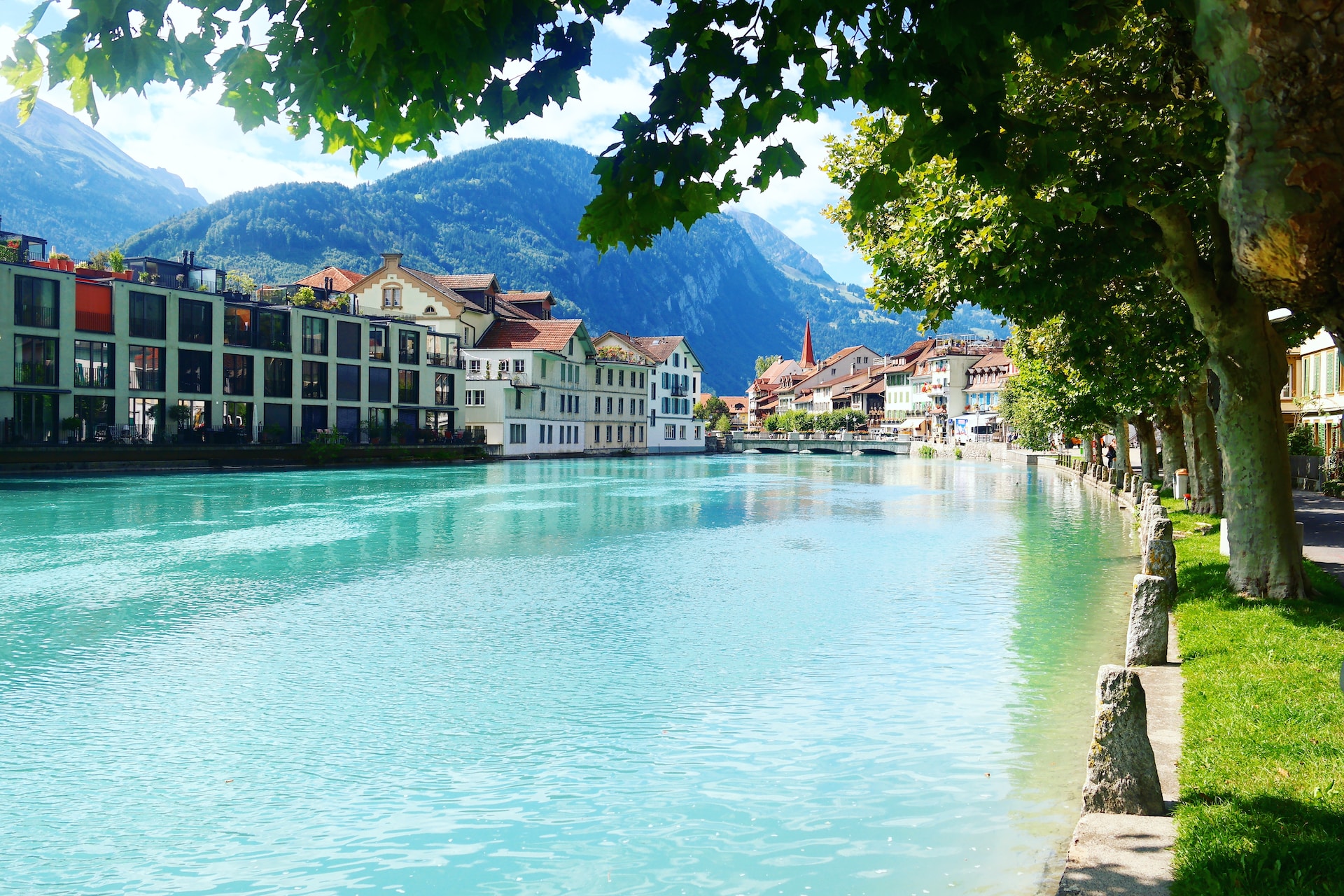
Swiss summers are warm but not excessively hot, making it perfect for outdoor adventures. Expect longer daylight hours, perfect for hiking, paragliding, and lake activities.
Temperature Range: 18°C to 25°C.
Travel Tip: Mountain resorts are popular during this time, as are the numerous music festivals throughout the country.
Autumn (September to November)
Kaleidoscope of Colors:
Switzerland in autumn is a sight to behold with trees showcasing hues of orange, yellow, and red. The weather starts to cool, preparing for the upcoming winter.
Temperature Range: 8°C to 14°C.
Travel Tip: Visit vineyards for wine tasting and enjoy serene boat rides on Switzerland’s lakes.
Winter (December to February)
Winter Wonderland:
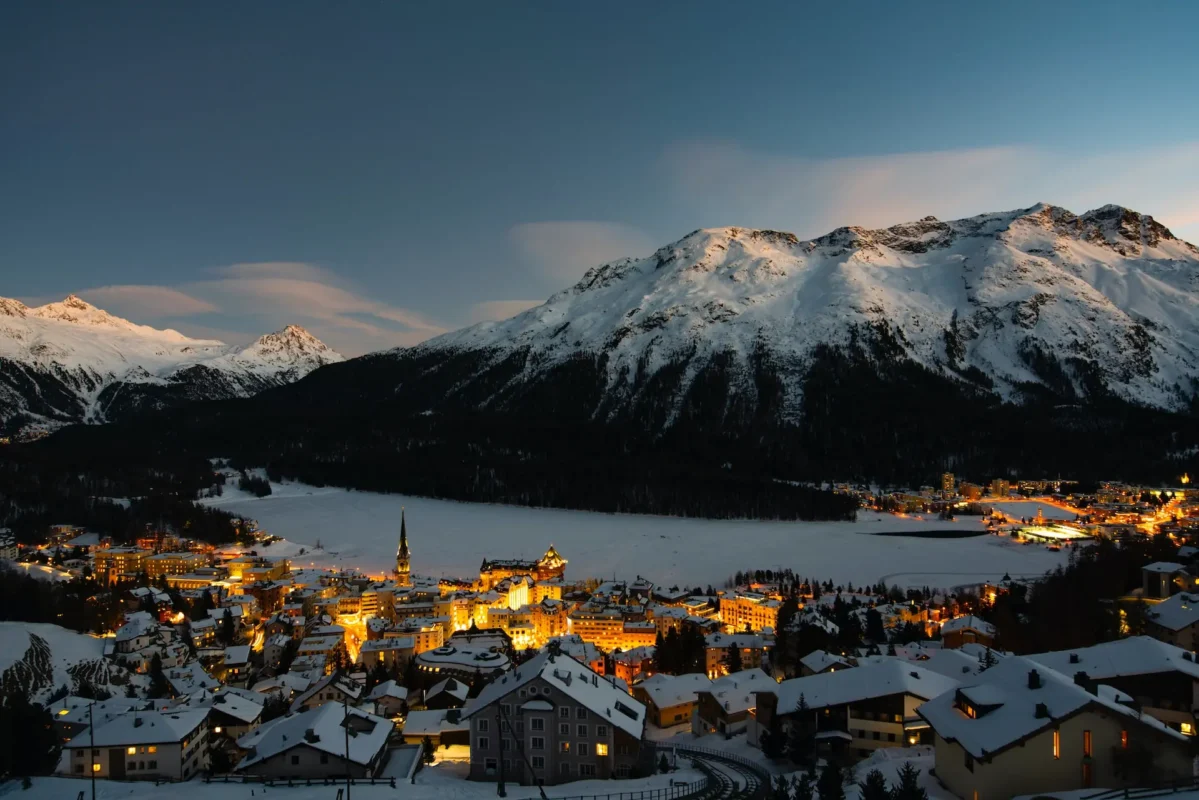
The country turns into a winter wonderland, especially in regions above 1,000 meters. Expect snowfall, making it a haven for winter sports enthusiasts.
Temperature Range: -2°C to 7°C.
Travel Tip: Popular winter destinations include Zermatt, St. Moritz, and Davos.
Influencing Factors of Swiss Weather
Altitude Differences
Given Switzerland’s mountainous terrain, altitude plays a pivotal role. The higher you go, the cooler it becomes. For instance, while cities may have pleasant temperatures, mountain peaks might be snow-capped.
North and South Divide
The Alps create a natural division, with the north experiencing continental climate and the south Mediterranean. This results in milder winters and warmer summers in places like Ticino.
Monthly Weather Breakdown
To ensure an even more detailed understanding, here’s a monthly weather summary:
| Month | Average Temperature (°C) | Short Weather Conditions Description |
|---|---|---|
| January | -2°C to 3°C | Cold, snowy, shorter days |
| February | -1°C to 4°C | Peak of winter, snowfall |
| March | 2°C to 8°C | Transition to spring, snow melting |
| April | 5°C to 12°C | Mild spring, flowers blossoming |
| May | 8°C to 15°C | Warm spring, clear skies |
| June | 12°C to 20°C | Beginning of summer, longer days |
| July | 14°C to 25°C | Warmest month, outdoor activities peak |
| August | 13°C to 24°C | Late summer, occasional rain |
| September | 10°C to 18°C | Start of autumn, leaves changing |
| October | 6°C to 12°C | Cool autumn, crisp air |
| November | 2°C to 8°C | Colder days, winter preparation |
| December | -1°C to 4°C | Snowy, festive atmosphere |
Essential Tips for Visitors
- Packing Right: Depending on when you’re visiting, ensure you pack appropriate clothing. Summers call for lighter wear, while winters demand thermal clothing and snow gear.
- Stay Updated: Swiss weather can be unpredictable, especially in mountainous regions. Regularly check forecasts during your stay.
- Travel Insurance: Given the weather’s unpredictability, it’s advisable to have travel insurance covering delays or cancellations.
In conclusion, Switzerland offers a unique blend of climates thanks to its geographical diversity. With this comprehensive guide, you’re now equipped to experience the best of Switzerland, irrespective of the season. Safe travels!