The Comprehensive Guide to Money Matters in Switzerland
Switzerland is not just about picturesque landscapes, chocolates, and watches; it’s also about efficient financial systems. Understanding Switzerland’s monetary facets is crucial for travelers, expats, and businesses alike. This article dives deep into Switzerland’s financial landscape, guiding you through the intricacies of money in this European haven.
Swiss Currency: The Swiss Franc
The Foundation of Switzerland’s Economy
The Swiss Franc (CHF), denoted by the sign “Fr.”, is the official currency of Switzerland.
It’s a symbol of the country’s stability and has a reputation for being one of the most reliable currencies globally.
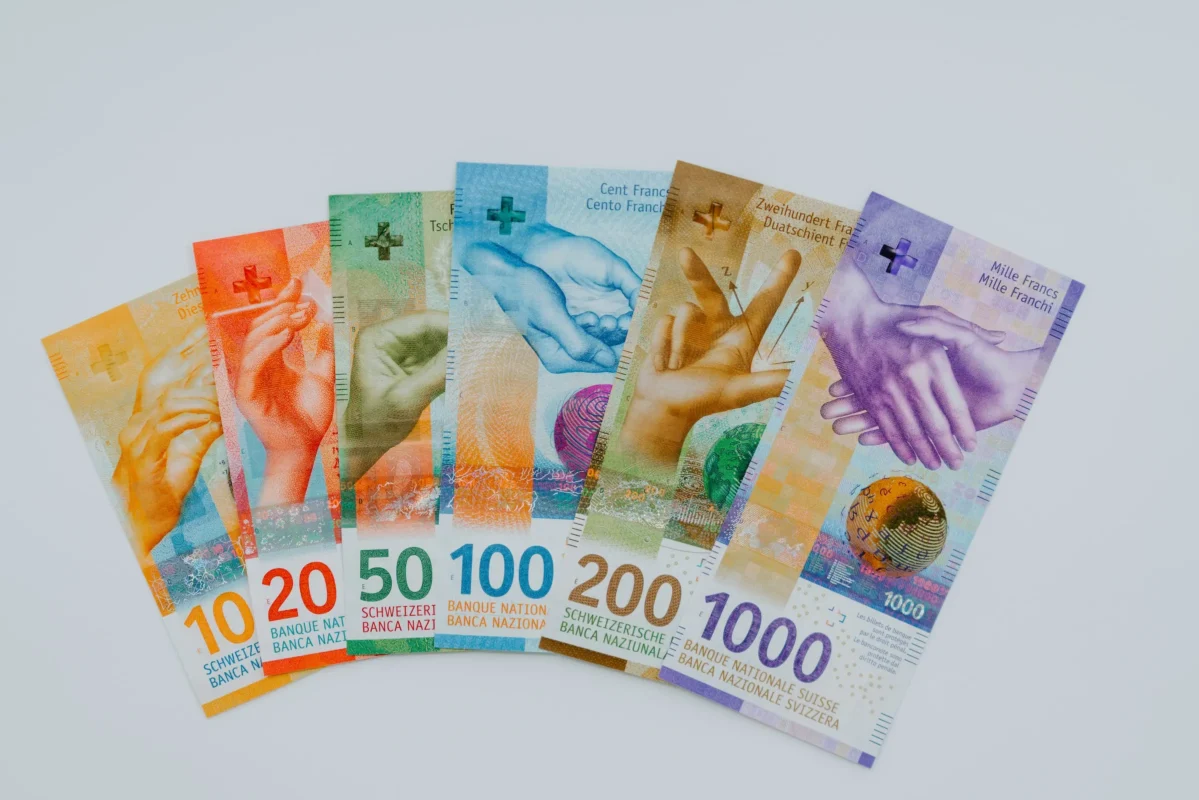
- Coins: Ranging from 5 rappen to 5 francs.
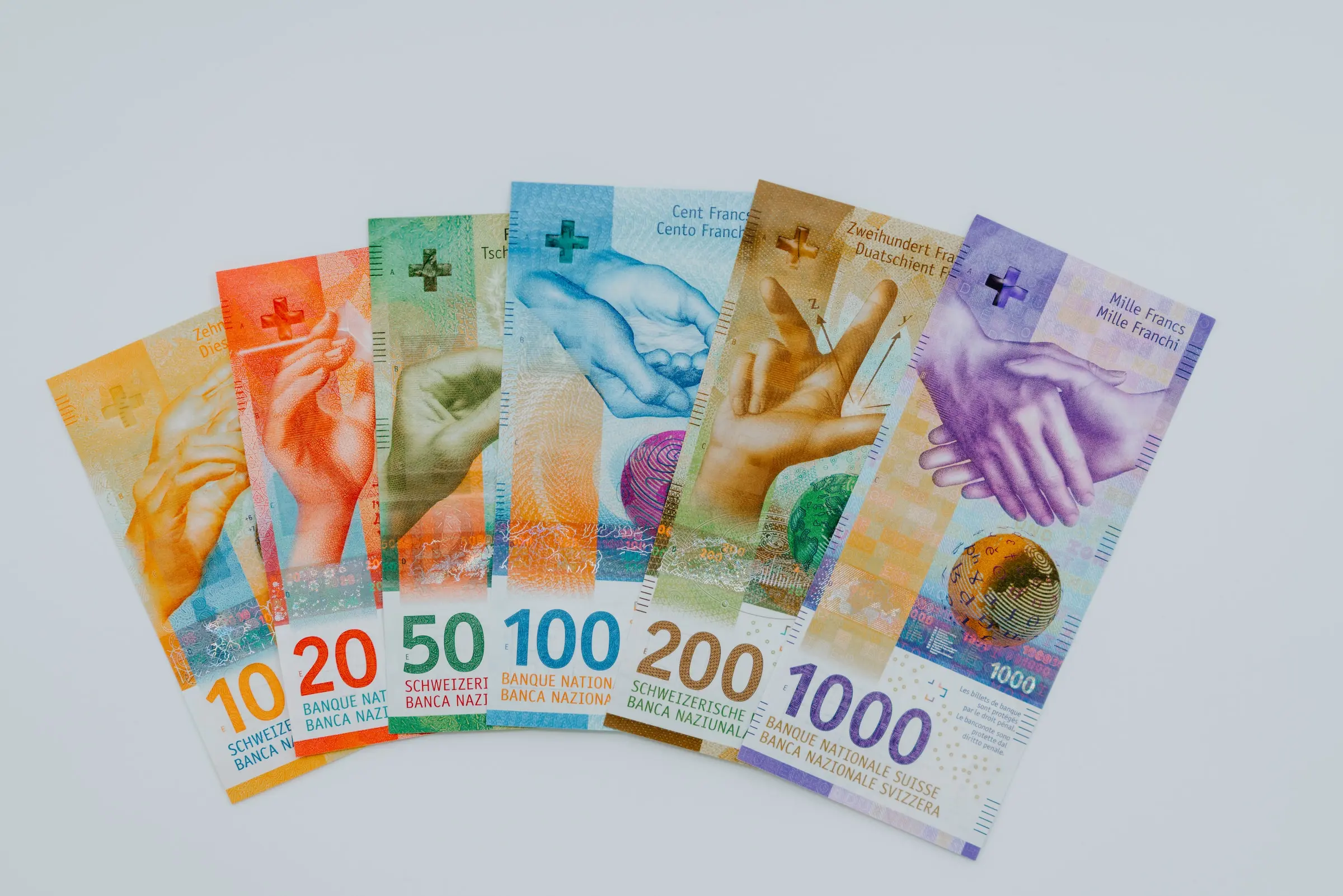
- Banknotes: Available from 10 to 1,000 francs.
The Swiss Franc’s Value
The strength of the Swiss Franc is evident in its global standing. It’s a preferred reserve currency and often considered a safe haven during economic downturns.
Using Money in Switzerland: Practical Tips
1. Cash or Card?
While Switzerland is progressively moving towards a cashless society, it’s advisable to keep some cash, especially when traveling to remote areas or for small expenses.
2. ATMs and Banking
ATMs, locally known as “Bancomats,” are widespread. Most of them accept international cards. However, be mindful of conversion rates and transaction fees.
3. Cost of Living
Switzerland is synonymous with quality, but this comes at a price. Expect higher living costs, especially in major cities like Zurich, Geneva, and Basel.
Exchanging Currency: Best Practices
Currency Exchange Offices: Available at airports and major train stations. While convenient, they may not offer the best rates.
Banks: Swiss banks are renowned for their services. Most banks provide currency exchange services with competitive rates.
Online Platforms: Modern solutions like currency exchange apps and online platforms offer real-time rates and can be a cost-effective choice.
Taxes and Refunds: What Tourists Should Know
Switzerland offers a Value Added Tax (VAT) refund system for tourists. If you’re shopping, always ask for a “Global Blue” form. This allows non-residents to claim a VAT refund when exiting the European Union.
Safety and Precautions
Switzerland boasts one of the lowest crime rates globally. However, always exercise basic precautions:
- Use wallets with RFID protection.
- Avoid keeping all your money in one place.
- Be vigilant in crowded places to avoid pickpockets.
The Digital Landscape: E-Banking and Apps
Swiss banks and financial institutions have readily embraced digital transformations. E-banking platforms like UBS Mobile Banking, Credit Suisse Direct, and ZKB eBanking are popular among residents and expats.
Additionally, apps like Twint allow for quick and easy mobile payments across the country.
Cost of Living in Switzerland: A Detailed Breakdown
Switzerland, with its pristine beauty and efficient systems, is frequently recognized as one of the most expensive countries in the world.
Here’s a closer look at the everyday expenses one can anticipate when visiting or residing in this Alpine nation.
Dining Out: What’s the Bill?
Restaurants and Cafes
Eating out in Switzerland can be quite an experience, not just for the quality of food but also for the bill that accompanies it.
- Lunch: A standard meal at a modest restaurant, which usually consists of just the main course, can set you back between 15-20 CHF.
- Coffee: Whether you’re at a quaint cafe in Zurich or aboard a moving train, expect to pay around 5 CHF for your cup of joe.
- Beer: Quenching your thirst with a beer will typically cost you between 5-8 CHF.
It’s noteworthy to mention that Switzerland doesn’t have a concept of ‘mountain premiums.’ The price you pay for a coffee at a regular street cafe will be consistent with what you’d pay on a train or even at a height of 3,000 meters above sea level.
Groceries: Supermarket Spends
When it comes to groceries, Switzerland offers an array of high-quality produce, dairy, and other essentials. While shopping at supermarkets:
- General Food Items: The cost of everyday food items in supermarkets is surprisingly comparable to many other European countries, albeit slightly on the higher side.
While Switzerland’s cost of living might be higher than other countries, the quality of goods and services, combined with the nation’s unparalleled beauty and efficient infrastructure, often justifies the price tag for many.
Whether you’re planning a short visit or considering a longer stay, being aware of these expenses can help you budget effectively and make the most of your Swiss experience.
Tipping Practices in Restaurants in Switzerland
Understanding the Swiss Tipping Etiquette
Switzerland’s tipping practices are more reserved compared to many other countries. Here are key insights:
- Discretionary Tipping: In Swiss restaurants, tipping is not obligatory. It’s a gesture extended only if you’re satisfied with the service.
- Small Gratuity: If you choose to tip, it’s customary to leave a modest amount. This isn’t typically a percentage but more about rounding up the bill or adding a couple of Swiss Francs.
- No Tip, No Offense: In many countries, refraining from tipping might be perceived as dissatisfaction with the service. However, in Switzerland, it’s perfectly acceptable not to tip even if you received excellent service.
Negotiating in Switzerland: Is it Common?
Switzerland, renowned for its structure and organized marketplaces, doesn’t foster a strong culture of bargaining. Here’s what you should know:
- Standardized Pricing: Most retail outlets, boutiques, and services in Switzerland have fixed prices. Attempting to negotiate in such places is not customary and might be perceived as impolite.
- Occasional Flexibility: While haggling isn’t ingrained in Swiss commerce, there might be slight room for negotiation in certain local markets or with individual artisans, particularly for larger purchases or unique items.

Saving Money in Switzerland: Tips for a Budget-Friendly Stay
Switzerland, often touted for its luxury experiences, can be quite the strain on one’s pocket.
However, with the right guidance and a bit of planning, enjoying this Alpine paradise on a budget becomes not just feasible but delightful. Here are some tips to maximize your experience without breaking the bank.
Transport: Getting In and Around
Cost-Efficient Travel Tips
- Driving: If you’re coming from nearby European, driving is a viable option. Though the annual motorway vignette costs 40 CHF, it’s a worthy investment if you’re planning extensive travels within the country. Note that fuel prices can be slightly higher than in neighboring countries.
- Alternative Transport: If you choose to fly or train into Switzerland, it’s advisable to rely on the extensive train network for in-country travel. Long-distance buses, though available, offer limited services. Alternatively, ridesharing or hitchhiking (allowed everywhere except highways) can be explored for shorter distances.
Accommodation: Budget Places to Rest
Affordable Staying Options
- Airbnb and Campsites: To save substantially on accommodation, consider platforms like Airbnb or local campsites. These provide authentic experiences at a fraction of the cost of traditional hotels.
- Wild Camping: Switzerland’s stance on wild camping sits in a grey area. While some regions are more lenient, it’s wise not to camp at a single spot for more than one night. Do remember that wild camping is prohibited in national parks and certain areas marked by signage. The golden rule: leave nature as you found it. Often, locals can provide insights on the best spots for camping.
Food: Eating on a Budget
Smart Dining Choices
- Supermarket Dining: There’s no need to bring your entire pantry. The most budget-friendly way to eat is to buy ingredients from affordable supermarkets like Aldi or Lidl and cook your meals.
- Fast Food Chains: Switzerland has several fast food chains that offer affordable meals, including McDonald’s, Burger King, and Subway.
- Lunch Menus: Many restaurants in Switzerland offer affordable lunch menus that include a main dish, salad, and drink. This is a great way to enjoy a sit-down meal at a reasonable price.
Attractions: Choosing Wisely
Experience Switzerland off the Beaten Path
- Avoid Tourist Traps: While iconic destinations like Pilatus, Jungfraujoch, Zermatt, and St. Moritz are mesmerizing, they come with hefty price tags. However, Switzerland offers myriad hidden gems that are equally beautiful.
- Explore Lesser-Known Regions: Dive into regions like Wallis (excluding high-end spots like Zermatt, Saas Fee, and Verbier), Glarus, Uri, Appenzell, the expansive Graubünden canton, Ticino, and the Jura mountains, hidden in the shadow of the Alps.
Switzerland’s beauty isn’t reserved for those with deep pockets. With these tips and a sense of adventure, you can immerse yourself in the Swiss experience without depleting your savings.

Daily Budgets in Switzerland
Switzerland offers a diverse range of experiences for travelers of all budgets. Whether you’re traveling on a tight budget, looking for a comfortable mid-range experience, or seeking luxury, understanding your potential daily expenses is crucial. Here’s an estimation of daily budgets per person, segmented into three different price brackets:
Budget Traveler: Essential Experience
For the minimalist travelers:
- Accommodation: Camping is the most affordable option, typically around 15 CHF per person, per night.
- Food: Self-cooked meals, fast food, or local kebab stands should average around 10 CHF per day.
- Transport: Driving your own vehicle is the most cost-effective, with expenses based on distance covered. A good estimate would be around 20 CHF daily.
Total Estimated Daily Expense: 45 CHF or less.
Mid-Range Traveler: Comfort and Value
For those who prioritize comfort with a sense of moderation:
- Accommodation: A double room in a 3-star hotel can be expected to cost around 130 CHF per night.
- Food: Allocate a daily budget of about 40 CHF for meals in standard restaurants.
- Transport: Renting a compact car might come to around 100 CHF per day.
Total Estimated Daily Expense: 155 CHF.
Luxury Traveler: The Premium Experience
For travelers who want the best that Switzerland has to offer:
- Accommodation: A double room in a 4-star or 5-star hotel usually starts at 170 CHF per night.
- Food: Budget around 70 CHF daily for meals in upscale restaurants.
- Transport: Consider a car rental with a driver, starting from 200 CHF per day.
Total Estimated Daily Expense: 255 CHF or more.
Switzerland caters to diverse travel preferences. By understanding the range of daily budgets, travelers can plan a trip that aligns with their comfort level and financial boundaries. Safe travels!
In Conclusion
Switzerland’s financial landscape is a blend of traditional practices and modern innovations. By understanding the intricacies of Swiss money matters, you can navigate this alpine nation with ease and confidence. Knowing the monetary dynamics will always keep you a step ahead, whether you’re savoring a cup of hot cocoa in a Swiss cafe or investing in a Swiss venture.
Also read: