



Introduction
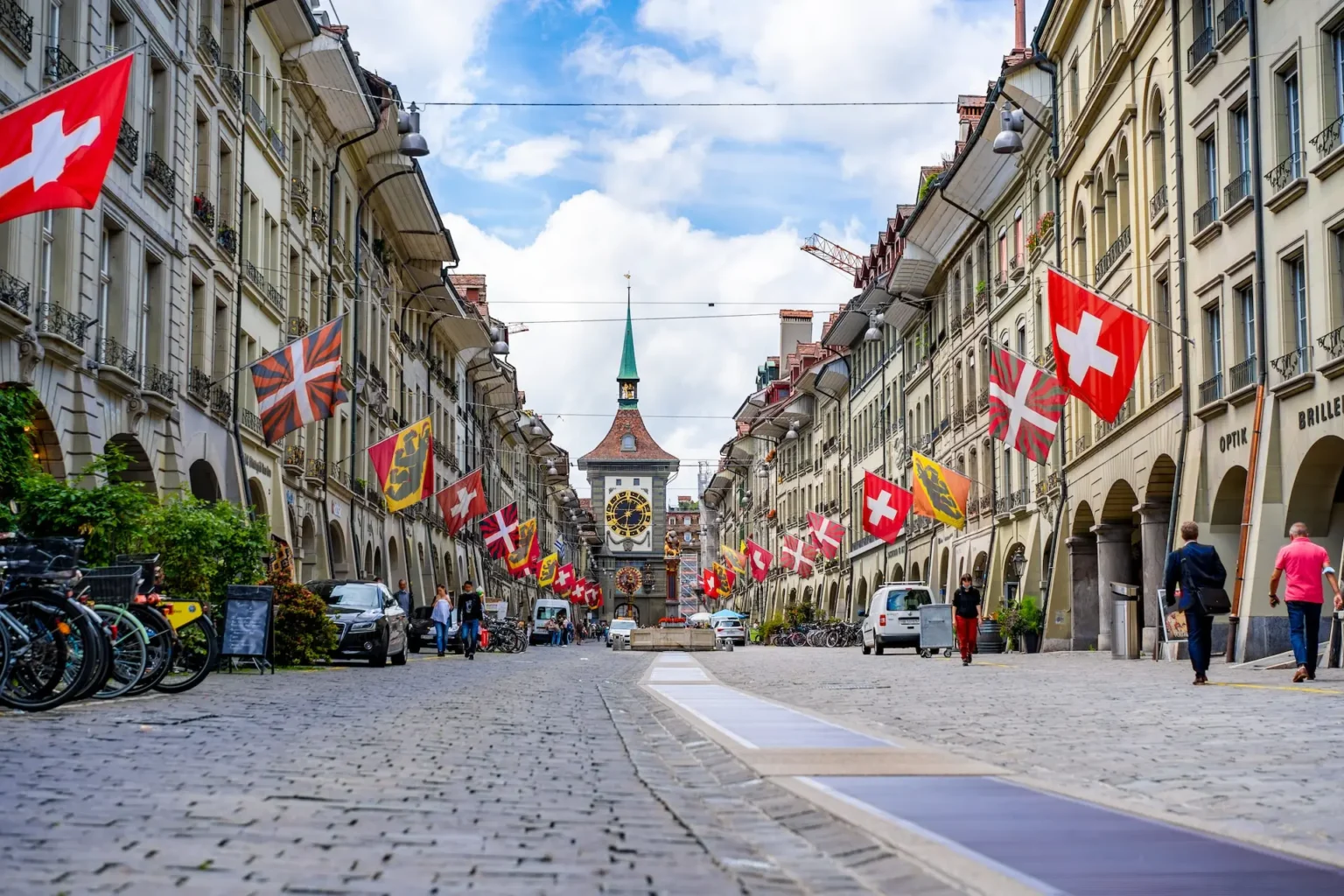
Switzerland, a nation renowned for its picturesque landscapes, precise timepieces, and scrumptious chocolates, possesses another extraordinary feature – its rich linguistic diversity. A land where multiple languages coexist harmoniously, Switzerland offers a unique study into the world of linguistics.
Switzerland has four official languages: German, French, Italian, and Romansh.

Digging into Switzerland’s Multilingual Roots
A common misconception is that countries often have one dominant language. However, Switzerland defies this belief. At the very heart of this nation lies its multilingual culture, deeply rooted in history and tradition.
National Languages and Their Distributions
German: The Dominant Lingua Franca
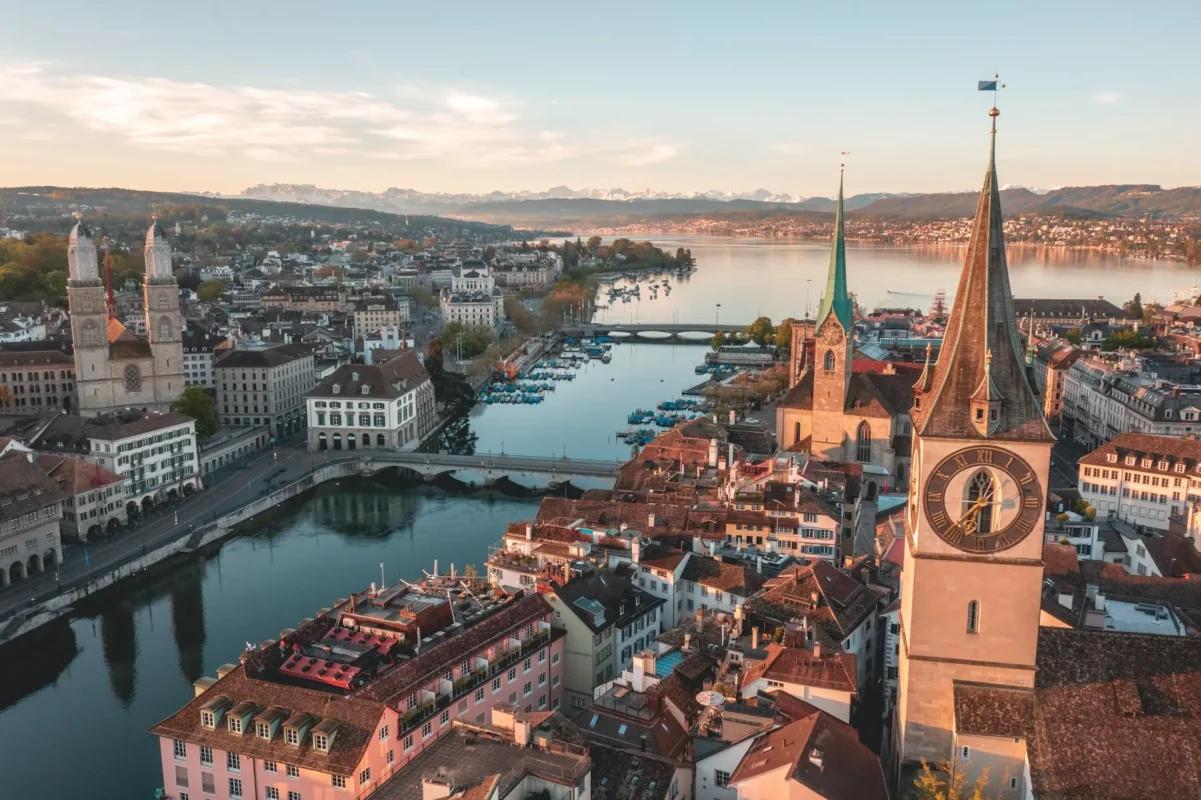
The majority speaks German, and it serves as a bridge connecting various communities. From the bustling streets of Zurich to the tranquil countryside, the German language leaves its mark everywhere.
French: The Language of Romance
As we head west, French gains prominence. Cities like Geneva and Lausanne echo the melodies of the French language, offering a contrasting charm to the German-speaking regions.
Italian: Echoes from the South
In the southernmost tip, we find traces of Italy. Ticino, the Italian-speaking region, boasts a culture that’s a harmonious blend of Swiss and Italian influences.
Romansh: Preserving Ancient Echoes
Though spoken by a small percentage, Romansh is a testament to Switzerland’s commitment to linguistic diversity. It’s a bridge to the past, a remnant of ancient Rhaeto-Romance languages.
Factors Influencing Linguistic Diversity
Geography’s Role
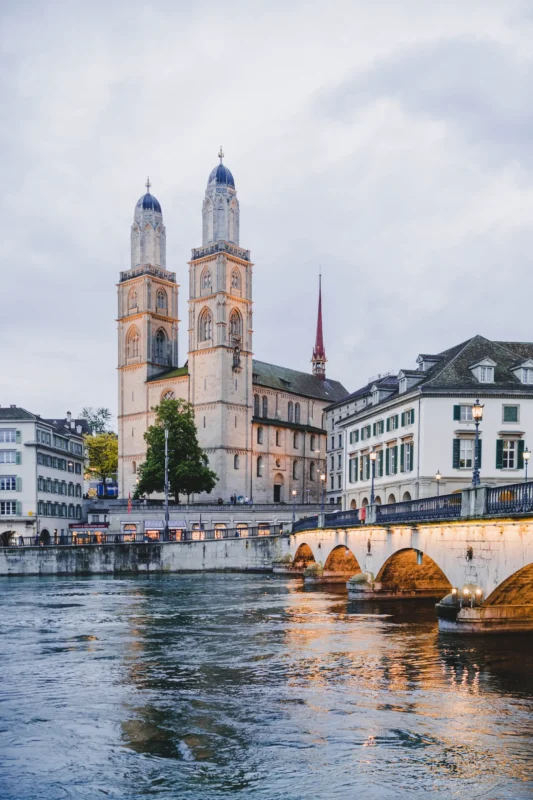
Switzerland’s geographical position, nestled among major European nations, plays a pivotal role in shaping its linguistic landscape. Its neighbors have left indelible imprints, each contributing to its rich tapestry of languages.
Historical Evolution
Switzerland’s history is a saga of different communities coming together. The confluence of cultures over centuries has resulted in its current linguistic scenario.
Cultural and Economic Ties
Trade, diplomacy, and shared cultural events have ensured that languages don’t just survive but thrive in Switzerland. These ties have further strengthened the linguistic bonds.
Challenges and Triumphs of Multilingualism
Balancing Act in Administration
Imagine the challenge of running a country with multiple official languages! From drafting laws to daily communication, the Swiss administration juggles languages with aplomb.
Education in Multilingual Settings
Teaching in a multilingual nation isn’t child’s play. However, the Swiss education system is adept at ensuring that every child learns multiple languages, promoting unity in diversity.
Economic Impacts of Linguistic Diversity
Contrary to the belief that multiple languages could be a hurdle, Switzerland uses its linguistic prowess to its advantage in the global market.
Switzerland as a Linguistic Role Model
Promoting Peaceful Coexistence
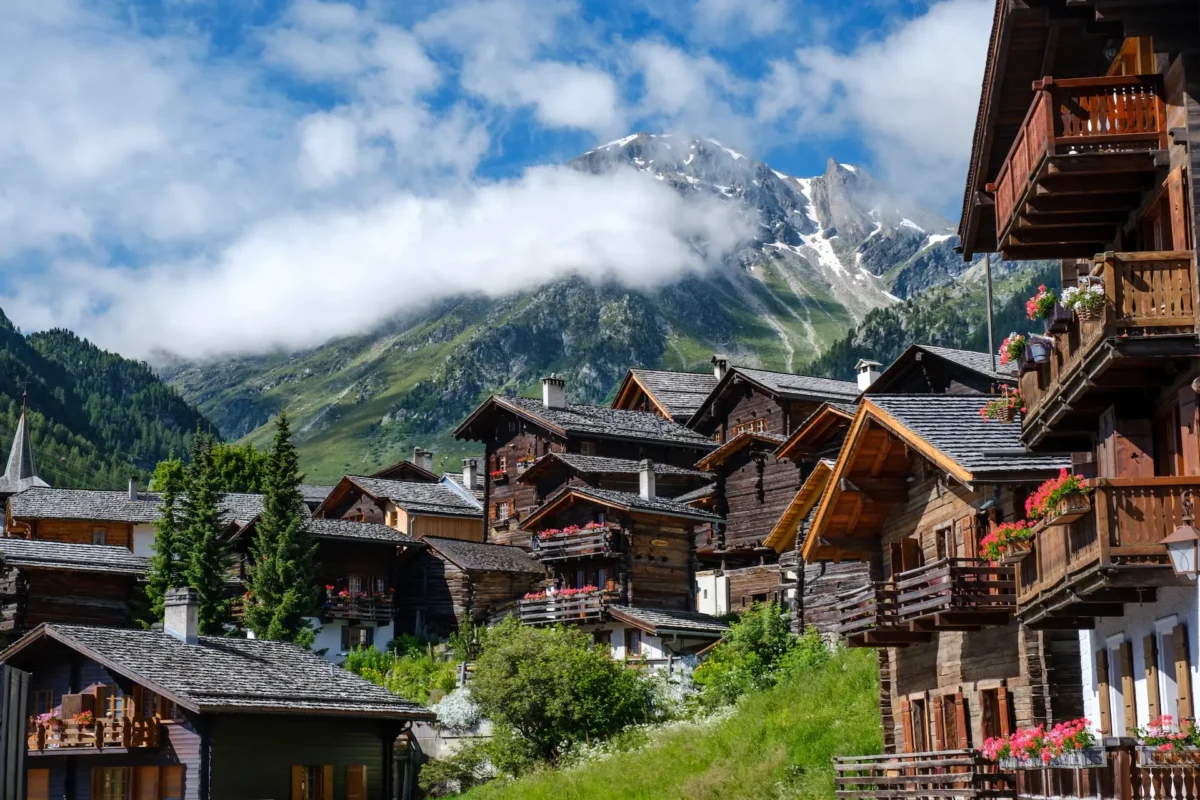
Switzerland demonstrates that languages can coexist without overshadowing each other. It serves as a beacon of hope in a world grappling with linguistic and cultural conflicts.
Linguistic Tourism
Many a traveler has been enticed by Switzerland’s linguistic charm. The prospect of experiencing multiple European languages in one nation is a unique selling proposition.
Safeguarding Minority Languages
Despite being spoken by a small fraction, Romansh enjoys the same status as the other national languages. Switzerland underscores the importance of preserving linguistic heritage.
Frequently Asked Questions
How many official languages does Switzerland have?
Switzerland has four official languages: German, French, Italian, and Romansh.
Why is Romansh considered unique?
Romansh is a remnant of the ancient Rhaeto-Romance languages, making it a bridge to the past.
Does every Swiss citizen speak all four languages?
While multilingualism is common, not every Swiss individual is fluent in all four languages.
How does Switzerland manage administration in multiple languages?
Switzerland has a decentralized system, with regions using their dominant language for administrative purposes.
How has multilingualism impacted Switzerland’s global relations?
Multilingualism has been a boon, enabling Switzerland to foster strong diplomatic and trade ties with neighboring countries.
What’s the role of schools in promoting multilingualism?
Swiss schools teach multiple languages, ensuring students are well-versed in at least two of the national languages.
Conclusion
Switzerland’s linguistic landscape is a testament to the nation’s resilience, adaptability, and commitment to preserving its heritage. In a world often divided by languages and cultures, Switzerland stands out as a beacon of unity in diversity.
Sprzęt podróżny — polecane na Amazon
Jako uczestnik programu Amazon Associates, grandgo.com uzyskuje dochody z kwalifikujących się zakupów. Poniższe linki to linki afiliacyjne — kliknięcie w nie może dać nam małą prowizję bez dodatkowych kosztów dla Ciebie. Ceny i dostępność są widoczne na Amazon.co.uk.