


Switzerland, often referred to as the “Playground of Europe,” is renowned for its breathtaking alpine landscapes. Nestled in the heart of Europe, this small yet picturesque country boasts some of the most iconic mountains in the world. Embarking on an alpine adventure in Switzerland is a journey filled with awe-inspiring vistas, thrilling activities, and a deep dive into the rich cultural tapestry of the Swiss highlands.
1. The Alpine Giants:
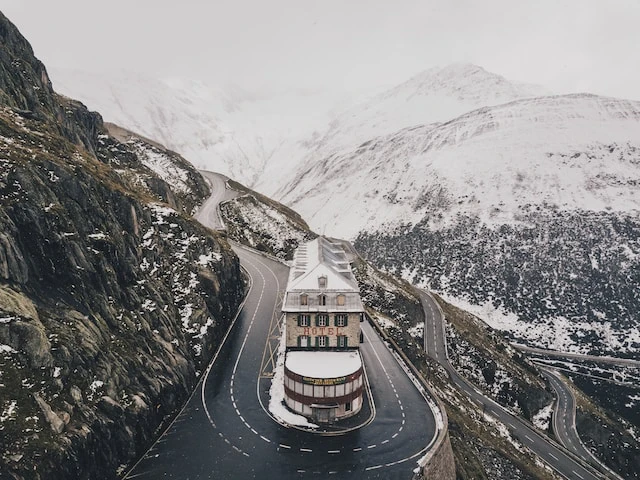
Switzerland, a country renowned for its picturesque landscapes, is home to some of the most majestic mountains in the world. These Alpine giants not only dominate the Swiss skyline but also hold significant cultural and historical value. Here’s a closer look at three of the most iconic Swiss peaks:
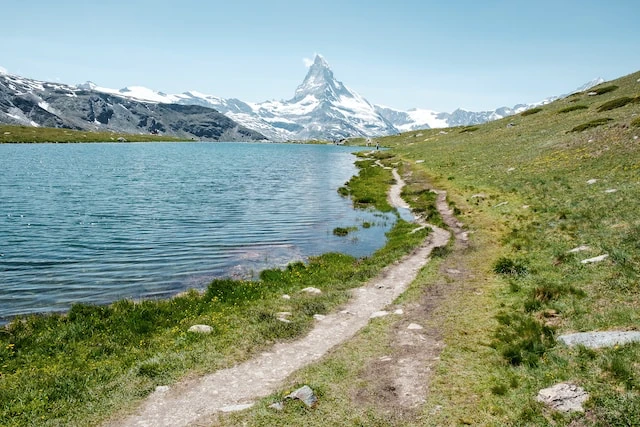
- The Matterhorn: Often referred to as the “Mountain of Mountains,” the Matterhorn is a marvel of nature. Rising to a staggering height of 4,478 meters, its distinctive pyramid shape has made it one of the most photographed mountains globally. Straddling the border between Switzerland and Italy, the Matterhorn is more than just a scenic beauty; it’s a challenge that beckons mountaineers from all corners of the world. While its ascent is reserved for the experienced, its breathtaking views can be enjoyed by tourists from various vantage points.
- The Eiger: The Eiger, with its formidable north face, has earned a reputation as one of the most dangerous climbs in the world. Standing tall at 3,967 meters, it forms a part of the legendary trio of mountains alongside the Mönch and Jungfrau. Over the years, the Eiger has witnessed numerous climbing expeditions, some triumphant and others tragic, adding to its mystique. Its sheer vertical cliffs are both a dream and a nightmare for climbers, making it a must-visit for those seeking adrenaline-pumping adventures.
- The Jungfrau: Crowned as the highest peak in the Bernese Alps, the Jungfrau reaches an impressive altitude of 4,158 meters. One of its standout features is the Jungfraujoch railway station, situated at a dizzying height and dubbed the “Top of Europe.” Visitors traveling to this station are treated to awe-inspiring views of the vast Aletsch Glacier, a sight that remains etched in memory. The Jungfrau’s snow-capped peaks, combined with its accessibility, make it a favorite among both adventurers and leisure travelers.
In conclusion, Switzerland’s Alpine giants are a testament to the country’s unparalleled natural beauty. Each mountain, with its unique characteristics and stories, contributes to Switzerland’s rich tapestry of landscapes and adventures. Whether you’re an avid mountaineer or a traveler seeking serene vistas, the Swiss Alps promise an experience like no other.
2. Activities in the Alps:
- Skiing and Snowboarding: Switzerland is a winter sports paradise. Resorts like Zermatt, St. Moritz, and Verbier offer world-class skiing and snowboarding experiences.
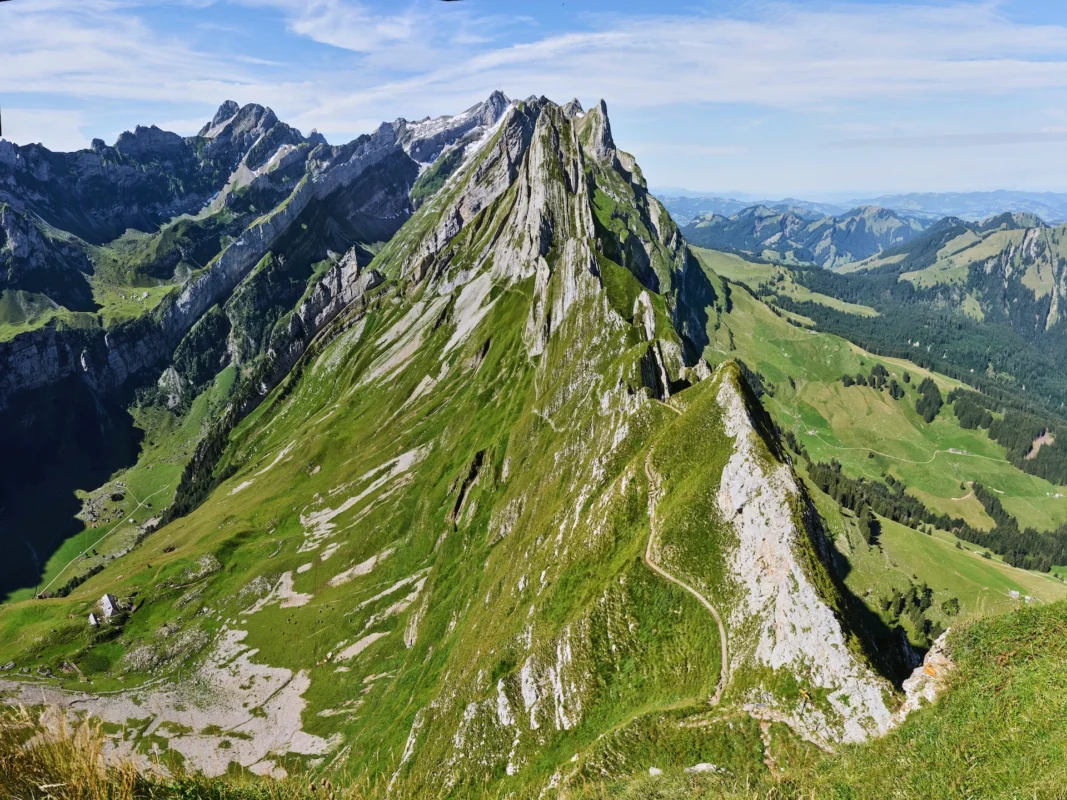
- Hiking: The Swiss National Park in the Engadine Valley is the oldest in the Alps. With over 80 kilometers of hiking trails, it’s a haven for nature lovers.
- Mountain Biking: For those seeking adrenaline, the alpine trails provide challenging terrains for mountain biking, especially in regions like Graubünden.
- Paragliding: Experience the Alps from the sky! Towns like Interlaken offer thrilling paragliding experiences, giving you a bird’s-eye view of the majestic landscapes.
3. Embracing the Culture:
Switzerland’s alpine regions are rich in tradition. From the melodious alpenhorn to the vibrant yodeling, the mountains resonate with centuries-old customs. The picturesque chalets, the aromatic Swiss cheese, and the delectable chocolate further add to the cultural experience.
Embracing the Culture: Switzerland’s Alpine Heritage
Nestled amidst the towering peaks of the Swiss Alps, the alpine regions of Switzerland are a treasure trove of rich traditions and cultural practices that have been preserved and passed down through generations. These traditions, deeply rooted in the mountainous terrain, offer a unique insight into the Swiss way of life.
The Melodious Alpenhorn
The hauntingly beautiful sound of the alpenhorn reverberates through the valleys, a testament to its ancient origins. Originally used by mountain dwellers to communicate across vast distances, the alpenhorn has now become a symbol of Swiss alpine culture. Crafted from wood and sometimes stretching over 3 meters in length, these instruments are often played during festivals and events, showcasing the deep connection between the Swiss people and their environment. Learn more about the history and significance of the alpenhorn on the Swiss Alpenhorn Association’s website.
Vibrant Yodeling
Yodeling, a form of singing that involves rapid changes between low and high pitches, is another iconic aspect of Swiss alpine culture. Originating as a form of communication between alpine herders, yodeling has evolved into a musical expression of the Swiss soul. Festivals like the Eidgenössisches Jodlerfest celebrate this unique art form, drawing enthusiasts from all over the world.
Picturesque Chalets
The Swiss chalet is more than just a type of housing; it’s a reflection of the alpine lifestyle. Built to withstand the harsh mountain climate, these wooden homes are characterized by sloping roofs, decorative carvings, and balconies adorned with colorful flowers. The chalet’s design not only offers protection against heavy snowfall but also provides a cozy refuge from the outside world. Discover the architectural beauty of Swiss chalets in this comprehensive guide.
Aromatic Swiss Cheese and Delectable Chocolate No exploration of Swiss culture would be complete without mentioning its world-famous cheese and chocolate. The alpine regions produce a variety of cheeses, each with its distinct flavor profile, from the creamy Gruyère to the pungent Raclette. Swiss chocolate, with its smooth texture and rich taste, is a product of centuries of perfection. Brands like Lindt, Toblerone, and Nestlé have made Swiss chocolate synonymous with luxury and indulgence.
4. Sustainable Tourism:
Switzerland places a strong emphasis on eco-friendly and sustainable tourism. The pristine alpine environment is meticulously preserved, ensuring that future generations can also revel in its beauty.
Switzerland, known for its breathtaking landscapes and picturesque alpine settings, has long been a sought-after destination for travelers from around the world. But beyond its natural beauty, Switzerland stands out for its unwavering commitment to sustainable tourism. Here’s a closer look at how the country prioritizes eco-friendliness in its tourism sector:
- Eco-Friendly Initiatives: Switzerland has implemented a range of initiatives aimed at promoting eco-friendly tourism. From encouraging the use of public transportation to reducing carbon footprints, the country is at the forefront of green travel.
- Preservation of Natural Beauty: One of Switzerland’s most commendable efforts is its dedication to preserving its pristine environment. The nation understands the importance of maintaining its natural wonders, not just for the current generation but for future ones as well.
- Sustainable Accommodations: Many Swiss hotels and lodges have adopted sustainable practices, ensuring that their operations have minimal impact on the environment. This includes energy conservation, waste reduction, and sourcing local and organic products.
- Eco-Tourism Opportunities: For those looking to immerse themselves in nature, Switzerland offers a plethora of eco-tourism opportunities. Whether it’s hiking in the Alps, exploring protected forests, or engaging in conservation activities, there’s something for every eco-conscious traveler.
- Education and Awareness: Switzerland places a significant emphasis on educating both locals and tourists about the importance of sustainability. Through various campaigns and programs, the country raises awareness about the need to protect its natural and cultural heritage.
- Support for Local Communities: Sustainable tourism in Switzerland is not just about the environment; it’s also about supporting local communities. By promoting local products and crafts, the country ensures that tourism benefits are shared equitably among its residents.
- Continuous Improvement: Switzerland continually assesses and improves its sustainable tourism strategies. By staying updated with the latest eco-friendly practices and technologies, the country ensures that it remains a leader in sustainable travel.
In conclusion, Switzerland’s approach to sustainable tourism is a testament to its dedication to preserving its natural beauty and ensuring that it remains a top destination for generations to come. Through its various initiatives and practices, Switzerland showcases how tourism can be both enjoyable and eco-friendly.
Conclusion:
An alpine adventure in Switzerland is more than just a trip; it’s an experience that imprints on the soul. The majestic mountains, the serene valleys, and the warm hospitality of the Swiss people make it a journey worth embarking on. Whether you’re a thrill-seeker, a nature enthusiast, or someone looking to soak in the culture, the Swiss Alps await with open arms.
Switzerland, a landlocked country located in Western and Central Europe, is renowned for its breathtaking landscapes, marked predominantly by its numerous lakes and towering mountains. The country is surrounded by Austria, Liechtenstein, France, Italy, and Germany. The Swiss Alps, which cover about 60% of the country’s total area, are the most prominent geographical feature, with peaks such as the Dufourspitze and the Matterhorn drawing adventurers and tourists from around the world. North of the Alps lies the Swiss Plateau, home to the majority of Switzerland’s population and its major cities like Geneva, Zurich, and Bern. The Jura Mountains, another significant range, are located to the northwest of the plateau.
Interesting Facts:
- Switzerland is often referred to as the “water tower of Europe” due to its vast freshwater reserves.
- The Rhine Falls near Schaffhausen is Europe’s largest waterfall.
- The country is divided linguistically, with four national languages: German, French, Italian, and Romansh.
FAQs:
- What are the major mountain ranges in Switzerland?
- The major mountain ranges in Switzerland are the Swiss Alps and the Jura Mountains.
- Which is the highest peak in Switzerland?
- The Dufourspitze, part of the Monte Rosa massif, is the highest peak in Switzerland, standing at 4,634 meters.
- How many national languages does Switzerland have?
- Switzerland has four national languages: German, French, Italian, and Romansh.
For a deeper dive into the geography of Switzerland, you can explore the Wikipedia page on the Geography of Switzerland.
Trip-ready gear from Amazon
As an Amazon Associate, grandgo.com earns from qualifying purchases. Links below are affiliate links — clicking them may earn us a small commission at no extra cost to you. Prices and availability are shown on Amazon.co.uk.
- Travel thermos coffee — Hot chocolate on the train.
- Lonely Planet Switzerland guide — Detailed regional coverage.
- Lindt Lindor gift box 200g — Take Swiss chocolate home.