


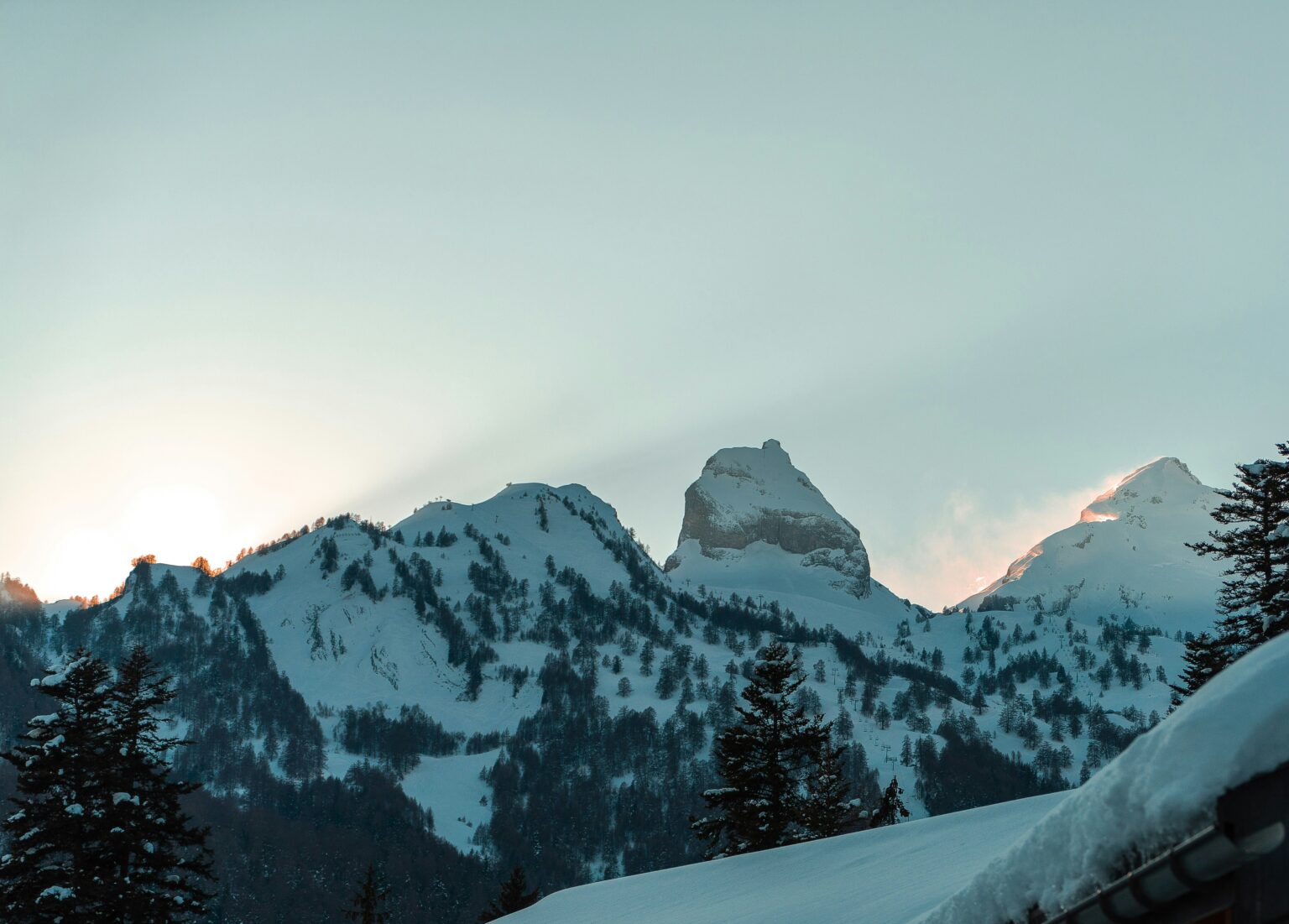
, how to rent for ski or summer, and what to look for.)
Quick Answer
Swiss chalets are the wooden alpine farmhouses traditional to Switzerland’s mountain regions. The classic chalet has overhanging eaves, a stone foundation, exposed timber beams, and a sloped roof. The architectural style developed over 600 years as adaptation to deep-snow Alpine winters. Authentic Swiss chalets are found in the canton of Bern (Berner Oberland), Valais, Grisons (Graubünden), Vaud and Fribourg. Most accommodation marketed as a “chalet” today is purpose-built holiday rental rather than 17th-century original — but plenty of historic chalets are still inhabited and some are available to rent. Best regions for chalet stays: Verbier, Zermatt, Grindelwald, St. Moritz, Wengen, Saas-Fee.
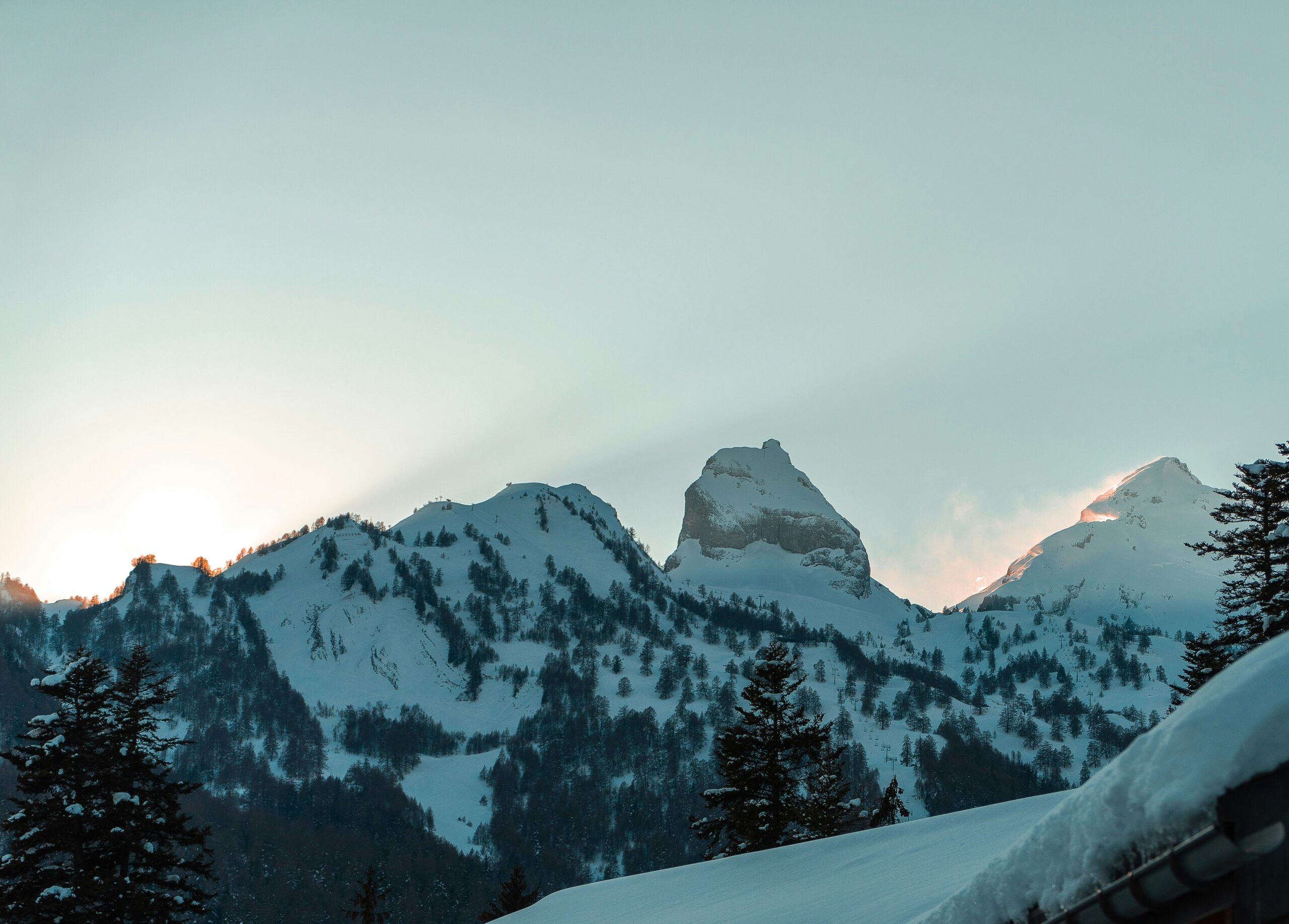
At a glance: where Swiss chalets are found
| Region | Best for | Notable destinations |
|---|---|---|
| Berner Oberland | Classic chalet aesthetic, accessible from Zurich | Grindelwald, Wengen, Lauterbrunnen, Mürren |
| Valais | Sun-exposed chalet villages; ski resorts | Verbier, Zermatt, Crans-Montana, Saas-Fee |
| Grisons (Graubünden) | Eastern Alps; less touristy | St. Moritz, Davos, Klosters, Pontresina |
| Vaud | French-speaking; mid-elevation chalets | Villars, Les Diablerets, Leysin |
| Fribourg | Pre-Alpine; cheaper options | Charmey, Schwarzsee |
What makes a chalet a Swiss chalet?
The Swiss chalet evolved as Alpine architecture over 600 years. Distinguishing features:
- Wood construction — local fir or pine, often with exposed beams visible inside and out.
- Steep pitched roof — designed to shed Alpine snow loads of 1-2 meters per winter.
- Overhanging eaves — wide overhang protects the wooden walls from snow drift and rain.
- Stone foundation — typically the lower 1-2 meters are local mountain stone, isolating the wood from ground moisture.
- Decorative wood carving — the gable end (called the “trapezform” in Swiss German) often features carved or painted decoration.
- Two or three storeys — ground floor for animals (historic) or storage; living quarters above; loft below the roof.
- Aged silver-grey wood — untreated wood weathers to a distinctive silver-grey color over decades.
The chalet is not unique to Switzerland — Austrian, Bavarian, French and Italian Alpine regions all developed similar wooden architecture. But the Swiss chalet is the most photographed and most exported version, finding its way into everything from suburban-American “Swiss chalet” houses to Disneyland’s Matterhorn.
Best chalet regions in Switzerland
Bernese Oberland
The most-visited chalet region. Grindelwald, Wengen, Mürren and Lauterbrunnen are postcard-perfect chalet villages with the Eiger, Mönch and Jungfrau mountains as backdrop. Lauterbrunnen valley alone has 72 waterfalls. Easy day-trip from Zurich (3 hours) or Bern (1 hour). Best summer months: June-September. Winter ski season: December-April.
Valais
The sunniest Swiss canton, home to Zermatt (Matterhorn) and Verbier. Valais chalets often have darker, more weathered wood from intense alpine sun. Saas-Fee is a car-free chalet village. Crans-Montana and Verbier are larger ski destinations. The Lötschental valley hosts some of Switzerland’s most authentic still-inhabited 17th-century chalets.
Grisons (Graubünden)
The eastern canton, less touristed than Bern. St. Moritz is the famous luxury destination; Davos and Klosters are also large. The Engadin valley contains beautiful traditional chalets in Sils, Pontresina and Soglio. The Romansh-speaking heart of Switzerland; chalets here often have decorated facade plaster (sgraffito) rather than carved wood.
How to rent a Swiss chalet (and what to expect)
- Booking platforms: Interhome (Swiss-based), Bookings.com, Airbnb, HomeAway. Direct from local rental agencies often saves 5-10%.
- Price range: CHF 800-2,500/week for a 4-6 person chalet in mid-range destinations; CHF 3,000-15,000+ for premium chalets in Zermatt or Verbier high season.
- Sizing: a standard 4-person chalet is roughly 80-100m². Larger chalets sleeping 8-12 people exist in resort towns.
- Catered vs self-catered: traditional Swiss chalet rentals are self-catered (kitchen included). “Catered chalets” with chef + housekeeping (British ski-tradition style) exist in Verbier, Méribel-shoulder Switzerland and Zermatt at premium rates.
- Heating: most chalets have wood stoves or modern central heating. Wood is often included for guests.
- Internet: most modern rentals have wifi; verify if remote/working from chalet matters to you.
- Booking timing: ski season (Dec-Apr) — book 6-12 months ahead for popular weeks. Summer — 3-6 months. Off-season (May, October) — 1-2 months works.
Authentic vs purpose-built holiday chalets
Most “Swiss chalets” available to rent are not 17th-century originals. Many were built in the 1960s-2000s in chalet style for the tourism trade. Some signs you are renting an authentic historic chalet:
- Listed building / historical protection: chalets older than 200 years often have listed status; the listing should be in the rental description.
- Visible old-growth wood: original chalets use larger, hand-cut beams; modern reproductions use smaller commercial timber.
- Stone foundation visible: original chalets have a clear stone-to-wood transition.
- Off-square geometry: 300-year-old wood has settled; floors and walls are rarely perfectly level.
- Modest size: original farm chalets are 60-80m²; “big chalets” are usually modern.
- Local materials: original chalets used wood from the nearest forest. The grain is distinctive Alpine fir.
Practical tips for chalet visitors
- Bring slippers / indoor shoes — taking off boots at the door is universal. Many rentals provide guest slippers, but bring your own as backup.
- Check car access in winter — some chalet villages (Wengen, Mürren, Saas-Fee) are car-free. You park at a base station and take a train or cable car up.
- Plan for groceries — chalet kitchens are well-equipped; supermarkets in chalet villages tend to be small and expensive. Stock up at a Coop or Migros in the larger town before arriving.
- Off-piste safety — if your chalet is in ski country, off-piste skiing requires avalanche safety knowledge, training, and equipment. Don’t improvise this.
- Respect noise — chalet villages enforce quiet hours from 22:00. Bass-thumping après-ski parties are not the local culture.
- For wider Swiss travel planning, see our complete Switzerland travel guide and Zurich budget guide.
Frequently Asked Questions
What is a Swiss chalet?
A Swiss chalet is a wooden alpine farmhouse traditional to Switzerland’s mountain regions. Distinguishing features include: pitched roof, overhanging eaves, stone foundation, exposed timber beams, and decorative wood carving on the gable end. The architectural style evolved over 600 years as adaptation to Alpine snow conditions.
Where are the best Swiss chalets?
The classic chalet regions are: Bernese Oberland (Grindelwald, Wengen, Mürren), Valais (Verbier, Zermatt, Saas-Fee), Grisons (St. Moritz, Davos, Klosters), Vaud (Villars, Les Diablerets) and Fribourg (Charmey).
How much does it cost to rent a Swiss chalet?
CHF 800-2,500/week for a mid-range 4-6 person chalet in regular destinations. CHF 3,000-15,000+ for premium chalets in Zermatt or Verbier during high ski season. Off-season (May, October) is significantly cheaper.
What is the difference between a chalet and a regular alpine house?
Swiss chalets specifically have: wood construction, steep pitched roof, overhanging eaves wide enough to keep snow off walls, stone foundation, and traditional decorative carving. Many modern alpine houses look like chalets but lack the original construction details.
Are most rental chalets authentic or modern reproductions?
Most are modern reproductions or 1960s-2000s holiday-trade construction. Authentic 200+ year old chalets exist (some listed and protected) and are available to rent in valleys like the Lötschental in Valais. Look for hand-cut beams, settled geometry, and visible old-growth wood.
When is the best time to visit a Swiss chalet?
Ski season: December to April for snow and skiing. Summer hiking: June to September for mountain trails. Spring (May) and autumn (October) are quieter, cheaper and have spectacular weather but limited activities. Book 6-12 months ahead for ski season; 3-6 months for summer.
Recommended on Amazon
As an Amazon Associate, grandgo.com earns from qualifying purchases. Links below are affiliate links — clicking them may earn us a small commission at no extra cost to you. Prices and availability are shown on Amazon.co.uk.
- Lonely Planet Switzerland — flagship Switzerland travel guide; see our complete Switzerland guide
- Switzerland Hiking Guide — detailed hiking-route reference for chalet-staying summer visitors
- Lonely Planet Cycling in Europe — covers Swiss alpine cycling routes connecting chalet villages