


The Ionian Sea covers an area of approximately 116,000 square kilometers.
The vast expanse of the Ionian Sea covers an impressive area of approximately 116,000 square kilometers. With this immense size, it stands as one of the most expansive bodies of water in the Mediterranean region. Surrounded by beautiful coastal countries such as Italy and Greece, it offers a remarkable backdrop for an array of activities and exploration. From picturesque beaches to hidden coves, the Ionian Sea’s vastness guarantees endless possibilities for adventurers and nature enthusiasts alike.
Furthermore, the sheer size of the Ionian Sea allows for a diverse range of ecosystems to thrive within its depths. As one delves below the surface, they are met with a world teeming with aquatic life and breathtaking underwater landscapes. With an average depth of around 1,000 meters and a staggering 5,000 meters at its deepest, the Ionian Sea’s expanse holds untold secrets and wonders waiting to be discovered. Such immense depths not only provide a habitat for a multitude of marine species but also contribute to the overall uniqueness and allure of this remarkable body of water.
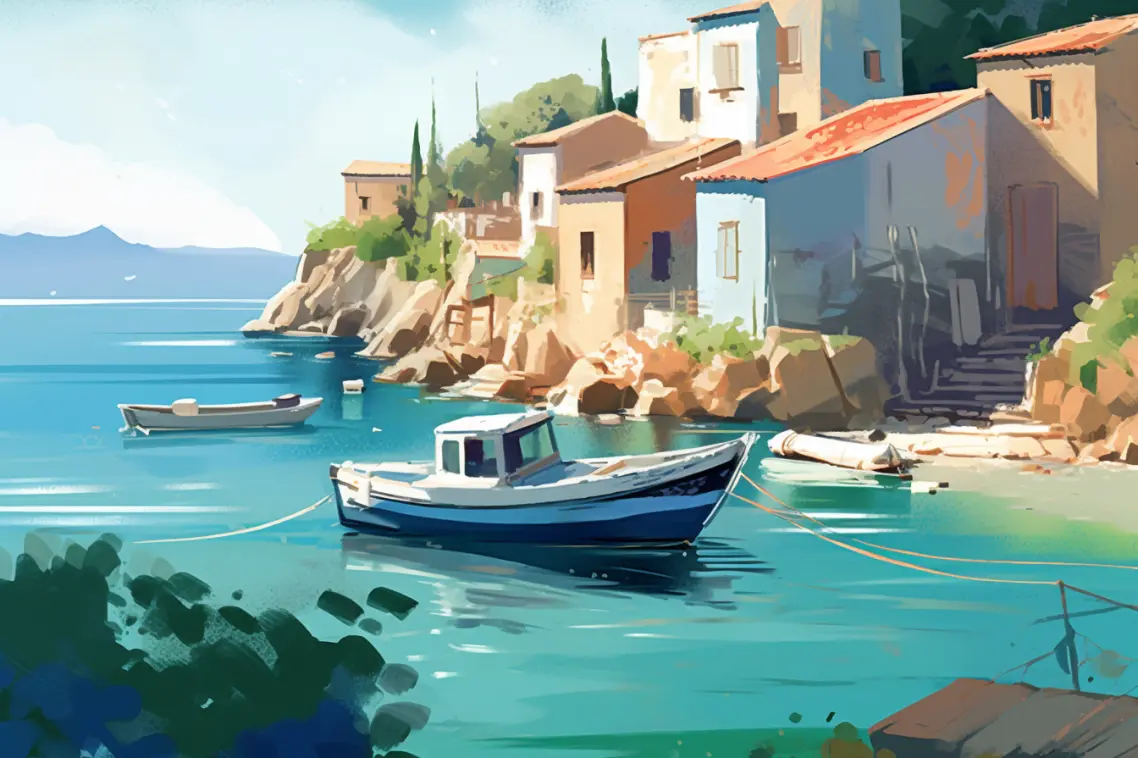
It has an average depth of around 1,000 meters, with the deepest point reaching over 5,000 meters.
The Ionian Sea is an impressive body of water, with an average depth of approximately 1,000 meters. This substantial depth allows for the existence of a diverse and intriguing marine ecosystem. At its deepest point, the Ionian Sea plunges to over 5,000 meters, revealing the sheer magnitude of this vast expanse. Such depths create an environment that is unique and awe-inspiring, attracting the interest of scientists and researchers who seek to explore the mysteries that lie beneath the surface.
This immense depth also has practical implications, as it provides ample space for various marine organisms to thrive. The Ionian Sea’s deep waters offer habitats for a wide range of species, from small fish to large mammals. The abundance and variety of marine life found within these depths contribute to the sea’s ecological importance and attract divers and nature enthusiasts from around the world. Exploring the depths of the Ionian Sea offers a glimpse into a world that is both vibrant and captivating, a testament to the incredible wonders that exist beneath the waves.
Islands and Archipelagos
The Ionian Sea is home to several notable islands that add to its allure. Corfu, Zakynthos, Kefalonia, and Lefkada are among the standout islands in this vast maritime expanse. Tourists and travelers are drawn to these islands for their picturesque landscapes, pristine beaches, and charming local culture. Each island has its own unique character and attractions, making the Ionian Sea a popular destination for those seeking a diverse and enchanting island hopping experience.
These islands are not standalone entities but form part of archipelagos that dot the Ionian Sea. The Ionian Islands and the Echinades Islands are the two prominent archipelagos in the region. The Ionian Islands, consisting of seven main islands and numerous smaller ones, are known for their lush vegetation, medieval towns, and Venetian architecture. The Echinades Islands, on the other hand, are a group of small islets that provide a haven for nature enthusiasts and birdwatchers. These archipelagos further contribute to the beauty and richness of the Ionian Sea, offering visitors a diverse range of islands to explore and discover.
The Ionian Sea is home to several notable islands, including Corfu, Zakynthos, Kefalonia, and Lefkada.
The Ionian Sea is known for its breathtaking collection of islands, offering visitors a diverse range of landscapes and experiences. Among the notable islands found in this region are Corfu, Zakynthos, Kefalonia, and Lefkada. These islands are characterized by their picturesque beauty and rich cultural heritage.
Corfu, also known as the “Emerald Isle,” captivates visitors with its lush greenery, pristine beaches, and charming old town. Steeped in history, it boasts Venetian-inspired architecture, ancient ruins, and impressive fortresses. Zakynthos, on the other hand, entices travelers with its stunning turquoise waters, white cliffs, and the iconic Navagio Beach, home to the famous shipwreck. Known as the “Island of Captain Corelli’s Mandolin,” Kefalonia offers a tranquil retreat with its rugged coastline, crystal-clear waters, and picturesque villages. Lastly, Lefkada enthralls with its mesmerizing beaches, such as Porto Katsiki and Egremni, nestled amidst breathtaking cliffs and azure waters.
Together, these islands create a captivating tapestry of natural beauty, cultural richness, and enchanting experiences. Whether seeking sun-soaked beaches, exploring historical sites, or immersing oneself in the vibrant local culture, the Ionian Sea’s notable islands offer an unforgettable journey for any traveler.
These islands form part of various archipelagos, such as the Ionian Islands and the Echinades Islands.
The Ionian Sea is known for its stunning islands, which are part of various archipelagos. One of the most famous archipelagos in the area is the Ionian Islands, which include the picturesque islands of Corfu, Zakynthos, Kefalonia, and Lefkada. These islands are renowned for their natural beauty, charming coastal towns, and rich cultural heritage. Visitors to the Ionian Islands can enjoy pristine beaches, lush green landscapes, and a wide range of activities such as sailing, hiking, and exploring ancient ruins.
Another notable archipelago in the Ionian Sea is the Echinades Islands, which is located closer to the mainland. This group of islands is less developed and offers a more secluded and peaceful environment for those seeking tranquility. The Echinades Islands are characterized by their unspoiled nature, crystal-clear waters, and diverse marine life. They provide a perfect getaway for nature lovers, offering opportunities for snorkeling, fishing, and bird-watching. Whether you choose to explore the Ionian Islands or the Echinades Islands, you are guaranteed to be mesmerized by the enchanting beauty of these archipelagos in the Ionian Sea.
Biodiversity and Marine Life
The Ionian Sea is home to a remarkable array of biodiversity and marine life. Its crystal-clear waters give rise to diverse ecosystems and support a wide range of species, making it a haven for marine enthusiasts and researchers alike.
One of the notable features of the Ionian Sea is its vibrant coral reefs. These underwater wonderlands are teeming with life, providing essential habitats for countless marine organisms. From colorful fish to delicate anemones and intricate coral structures, the reefs showcase nature’s beauty and resilience. Exploring these reefs is like entering a magical world, where every corner holds a new discovery.
The sea also boasts an abundance of marine mammals, such as dolphins and whales. These magnificent creatures can often be seen swimming gracefully through the Ionian’s azure waters. Their presence adds to the allure of the region, providing visitors with the opportunity to observe these incredible animals in their natural habitat.
The Ionian Sea is not only home to fish and dolphins but also provides nesting grounds for various species of sea turtles. These ancient reptiles are an important indicator of a healthy marine ecosystem and are under threat due to human activities. Conservation efforts in the region aim to protect these turtles and their nesting sites, ensuring their survival for future generations.
In addition to its coral reefs, marine mammals, and sea turtles, the Ionian Sea is also known for its underwater caves. These mysterious caverns offer a glimpse into a hidden world, with their dark recesses harboring unique species adapted to the darkness. Exploring these caves is an adventure in itself, as each turn reveals a new marvel of nature.
Overall, the Ionian Sea’s biodiversity and marine life are a testament to the resilience and beauty of our oceans. The region’s rich ecosystems and diverse species highlight the importance of conservation efforts to ensure the continued health and sustainability of this unique marine environment.
The Ionian Sea boasts a rich biodiversity, with numerous species of fish, marine mammals, and sea turtles.
The biodiversity of the Ionian Sea is truly remarkable. Within its depths, there exists a wide variety of fish species, each with its own unique characteristics and adaptations. From the vibrant Mediterranean rainbow wrasse to the elusive torpedo ray, these marine creatures contribute to the intricate web of life that thrives in this ecosystem.
Not only is the Ionian Sea home to diverse fish populations, but it also serves as a haven for various marine mammals. Dolphins, in particular, are often spotted frolicking in its waters, delighting both locals and visitors alike. Additionally, sea turtles can be found nesting on the sandy shores of the surrounding islands, their ancient rituals continuing to awe and inspire conservation efforts.
The richness of the Ionian Sea’s biodiversity extends beyond what meets the eye. Beneath its surface lie lush coral reefs and hidden underwater caves, beckoning divers to explore their secrets. These habitats provide vital shelter and nourishment for a multitude of marine organisms, creating a thriving community within the sea’s depths.
It is known for its vibrant coral reefs and underwater caves, which provide habitats for various marine organisms.
The vibrant coral reefs and underwater caves found in the Ionian Sea are teeming with diverse marine organisms. These natural structures provide crucial habitats and nurseries for a wide range of species. The coral reefs act as a shelter and feeding ground for fish, crustaceans, and other invertebrates, while also supporting an array of vibrant underwater plants. The caves, on the other hand, offer a refuge for various marine mammals and sea turtles, providing them with safe breeding and resting grounds. Overall, the presence of these vibrant coral reefs and underwater caves contributes to the rich biodiversity and ecological balance of the Ionian Sea.
These habitats also serve as important research sites for scientists and marine biologists who seek to understand more about the intricate relationships between marine organisms and their environment. They provide invaluable insights into the behaviors, adaptations, and interdependencies of the species that call the Ionian Sea home. Furthermore, the presence of vibrant coral reefs and underwater caves enhances the region’s appeal to divers and snorkelers, offering them unforgettable opportunities to explore and marvel at the underwater beauty of the Ionian Sea. Preserving and protecting these habitats is of utmost importance to ensure the continued existence and thriving of the marine life in this unique and ecologically significant body of water.
Historical Significance
Throughout history, the Ionian Sea has stood witness to numerous significant events and civilizations. Its strategic location made it a crucial area for trade and cultural exchange between the Eastern and Western Mediterranean. The ancient Greeks, known for their mastery of seafaring, established colonies along the coasts, creating a network of city-states that flourished for centuries. These cities, including Corinth, Athens, and Syracuse, developed into cultural and intellectual hubs, fostering the birth of democracy, philosophy, and art.
In addition to its role in ancient Greece, the Ionian Sea was a coveted region for various empires. The Roman Empire expanded its influence, incorporating the Ionian Islands and surrounding coastal areas. During the Byzantine era, the sea saw the establishment of important trading ports and the construction of fortresses to defend against invasions. The Byzantines’ presence was later followed by the Venetians, who established their own maritime empire and exerted control over key islands in the region.
The historical significance of the Ionian Sea extends beyond its conquests and empires. It witnessed countless naval battles, including the famous Battle of Actium between Octavian and Mark Antony, which ultimately led to the triumphant rise of Octavian as the first Roman emperor. Additionally, the sea served as a gateway for the Crusaders during the Middle Ages, as they embarked on their quest to regain the Holy Land. The Ionian Sea’s turbulent history makes it a captivating area to explore, as each wave and current carries echoes from civilizations long gone.
The Ionian Sea has played a significant role in ancient history, serving
The Ionian Sea holds immense historical significance, having served as a vital transportation route and trade hub in ancient times. Its strategic location facilitated the exchange of goods, ideas, and cultures between various civilizations, leaving a lasting impact on the development of societies around its shores.
Throughout antiquity, the Ionian Sea witnessed the progression of numerous maritime empires, including the Greeks, Romans, and Byzantines. These seafaring civilizations used the Ionian Sea as a gateway to establish colonies, expand their territories, and exert their influence over the Mediterranean region. The sea’s navigational importance also made it a target for conquest, leading to numerous battles and conflicts fought on its waters.
Additionally, the Ionian Sea served as a melting pot of different cultures and intellectual movements. The ancient Greek city-states flourished along its coastline, giving birth to renowned philosophers, scientists, and mathematicians. The Ionian Islands, with their idyllic landscapes and temperate climate, provided inspiration for poets and artists alike. The sea’s role as a center for intellectual and artistic exchange fostered the development of significant advancements in various fields, which continue to shape our understanding of the ancient world.
Trip-ready gear from Amazon
As an Amazon Associate, grandgo.com earns from qualifying purchases. Links below are affiliate links — clicking them may earn us a small commission at no extra cost to you. Prices and availability are shown on Amazon.co.uk.
- Snorkel mask travel pack — Crystal Greek waters.
- Ferry booking guide Greek islands — Ferries between islands.
- Lonely Planet Greek Islands guide — Island-hopping planning.