


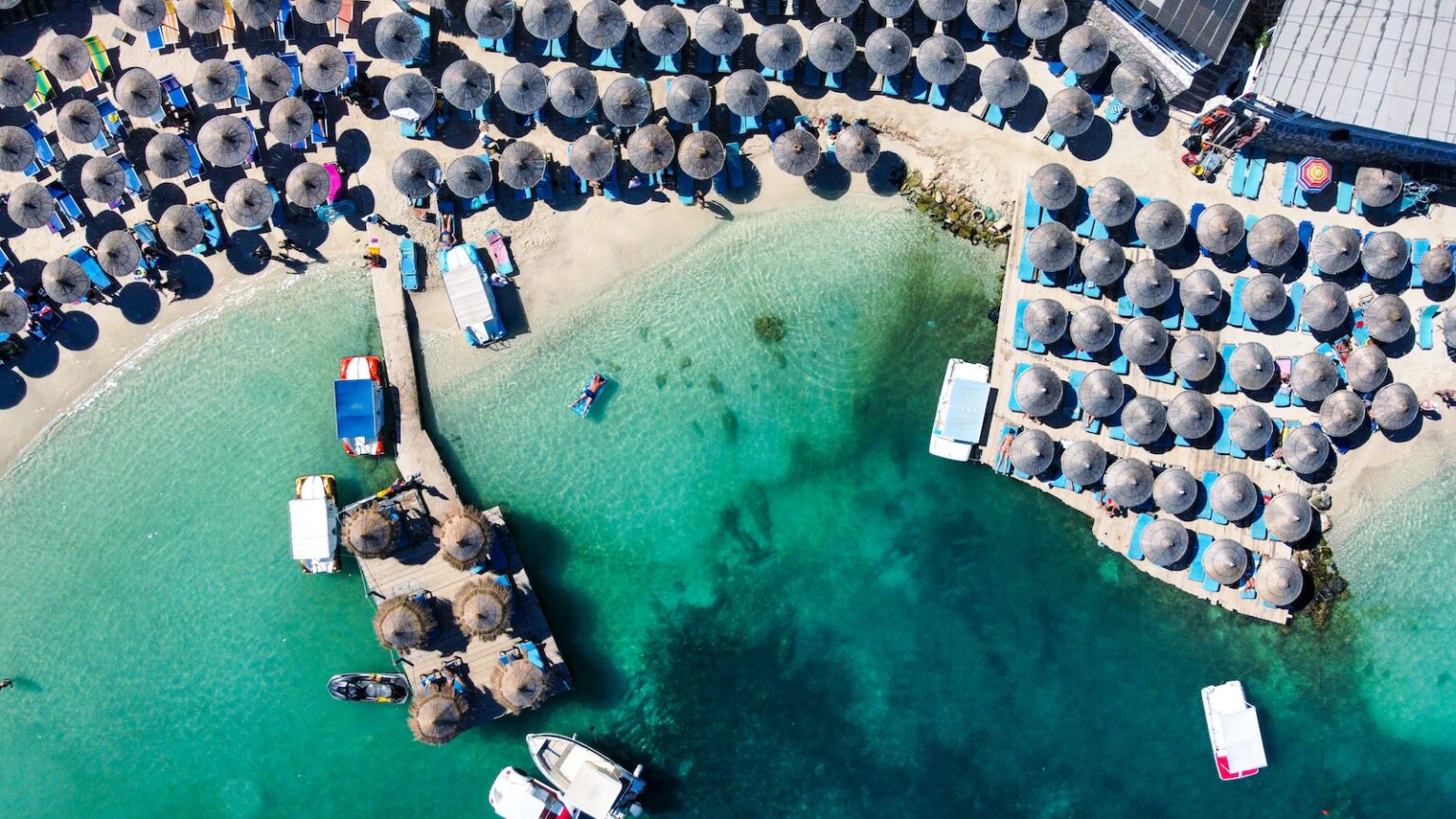

Geographical Location of the Ionian Sea
The Ionian Sea is a body of water located in the southeastern part of the Mediterranean Sea. It is enclosed by the southern coasts of Italy, including the regions of Calabria, Basilicata, and Apulia, as well as the western coast of Greece.
Stretching over an area of approximately 45,000 square kilometers, this sea is renowned for its stunning natural landscapes and breathtaking views.
Key Features:
- Located in the southeastern part of the Mediterranean Sea
- Enclosed by the southern coasts of Italy and the western coast of Greece
- Covers an area of approximately 45,000 square kilometers
The Ionian Sea offers visitors a chance to immerse themselves in its mesmerizing beauty and enjoy a wide range of activities such as swimming, snorkeling, and sailing. Whether you are exploring the picturesque coastal towns of Italy or the charming Greek islands, the Ionian Sea promises an unforgettable experience.
Soak in the stunning natural landscapes and breathtaking views as you navigate through the crystal-clear waters of the Ionian Sea. With its rich history, vibrant culture, and diverse marine life, this region is a true paradise for nature lovers and adventure seekers alike.
Situated between the mainland and the Ionian Islands, the geographical location of the Ionian Sea makes it a strategic waterway with significant historical and economic importance. Its proximity to major trade routes and access to diverse coastal environments have attracted civilizations throughout history, leaving behind a rich cultural heritage. From ancient Greek colonies to Roman settlements, the Ionian Sea has played a pivotal role in connecting civilizations and facilitating trade, making it a fascinating area to explore both geographically and historically.

Climate Patterns and Seasons in the Ionian Sea
The Ionian Sea, located in the Mediterranean region, experiences a Mediterranean climate pattern characterized by mild, wet winters and hot, dry summers. The climate in this region is influenced by several factors, including the geographical location and the surrounding landmasses. The sea’s proximity to the Mediterranean Basin and its exposure to the warm air masses from the south contribute to the overall climate patterns in the Ionian Sea.
The seasons in the Ionian Sea are distinct, reflecting the different weather conditions and temperatures throughout the year. During the winter months, from December to February, the sea experiences cooler temperatures, with average highs ranging from 13 to 16 degrees Celsius (55 to 61 degrees Fahrenheit). Rainfall is more frequent during this period, and occasional storms can occur.
In contrast, the summer months, from June to August, bring higher temperatures, with average highs reaching 30 to 33 degrees Celsius (86 to 91 degrees Fahrenheit). These months are characterized by clear skies and reduced rainfall, providing favorable conditions for tourists and beachgoers. The transition periods of spring and autumn exhibit more moderate temperatures, with average highs ranging from 19 to 25 degrees Celsius (66 to 77 degrees Fahrenheit).
These climate patterns and the varying seasons in the Ionian Sea influence tourism, agriculture, and the overall natural environment of the region. The temperature and weather conditions attract tourists during the summer months, while the cooler winters are suitable for agricultural activities. Understanding the climate patterns and seasons in the Ionian Sea is crucial for planning activities, managing resources, and sustaining the diverse ecosystems present in this Mediterranean sea.
Factors Influencing the Water Temperature in the Ionian Sea
The water temperature in the Ionian Sea is subject to a variety of influencing factors. One of the primary factors is the geographical location of the sea itself. Located in the eastern part of the Mediterranean, the Ionian Sea is affected by its proximity to surrounding landmasses and water bodies. The sea is surrounded by the Italian peninsula to the west, Greece to the east, and the Mediterranean Sea to the south. These geographical features play a significant role in the sea’s temperature, as they affect the amount of solar radiation absorbed by the water and the air masses that pass over it.
Another key factor influencing water temperature in the Ionian Sea is the climate patterns and seasons of the region. The Mediterranean climate prevalent in the Ionian Sea area is characterized by hot and dry summers and mild winters. The warm temperatures during the summer months contribute to higher water temperatures in the sea. Additionally, seasonal variations, such as wind patterns and rainfall, can also impact water temperature. For example, strong winds can lead to upwelling, where cold water from the deeper layers rises to the surface, resulting in cooler temperatures in certain areas of the sea.
In conclusion, the water temperature in the Ionian Sea is influenced by several factors, including its geographical location and the climate patterns and seasons of the region. Understanding these influences is crucial in comprehending the dynamics of the sea’s temperature and its impact on marine life and human activities.
The Effect of Currents on Ionian Sea Temperature
One of the significant factors that affect the temperature of the Ionian Sea is the presence of currents. These oceanic currents play a crucial role in regulating the temperature of the water. The Ionian Sea is influenced by several currents, including the Atlantic Ionian Stream and the Levantine Current.
The Atlantic Ionian Stream brings warm waters from the Atlantic Ocean into the Ionian Sea, increasing the temperature in the region. This current, also known as the Western Mediterranean Current, transports subtropical waters to the eastern Mediterranean. As a result, the coastal areas of the Ionian Sea experience higher temperatures compared to the open sea. On the other hand, the Levantine Current, which originates in the eastern Mediterranean, brings cooler waters into the Ionian Sea, counteracting the warming effect of the Atlantic Ionian Stream. These contrasting currents create a dynamic environment, leading to variations in sea temperature throughout the Ionian Sea.
Analysis of Average Monthly Temperatures in the Ionian Sea
January marks the beginning of the new year in the Ionian Sea, with average monthly temperatures ranging between 14°C to 18°C. As winter unfolds, February sees a slight drop in temperature, averaging between 13°C to 16°C.
The gradual increase of daylight hours and the approaching spring bring a slight rise in temperatures throughout March, ranging between 14°C to 17°C.
April, with its blooming flowers and warmer days, sees a more noticeable increase in temperatures in the Ionian Sea. At this time, the average monthly temperatures range from 15°C to 19°C, marking the transition towards the summer season.
By May, the Ionian Sea experiences a further surge in temperature, with averages ranging between 18°C to 22°C. The month of May signals the advent of summer, inviting locals and tourists alike to indulge in the pleasure of the crystal-clear and inviting waters.
Variations in Sea Temperature Throughout the Ionian Islands
The Ionian Islands, located in the Ionian Sea off the west coast of Greece, experience distinct variations in sea temperature throughout the year. These variations are influenced by a combination of factors, including the island’s geographical location and the surrounding climatic patterns.
During the summer months, from June to September, the sea temperature in the Ionian Islands reaches its peak, typically exceeding 25 degrees Celsius. This is the time when the islands are most popular among tourists, as the warm waters make for ideal swimming and water sports activities. However, it is important to note that the sea temperature can vary slightly from island to island within the Ionian archipelago.
In contrast, the winter months bring cooler temperatures to the Ionian Sea, with the water temperature dropping below 15 degrees Celsius. Despite this decrease, the sea remains relatively mild compared to other regions in the Mediterranean. The cooler sea temperatures during this time of year may deter some visitors from swimming, but it is still possible to enjoy activities such as fishing and boating. Additionally, the lower sea temperature can create unique opportunities for underwater exploration, as the clarity of the water improves during the winter months.
The variations in sea temperature throughout the Ionian Islands play a significant role in shaping the region’s marine ecosystems. The warmer summer temperatures support the growth of a diverse range of marine flora and fauna, attracting a multitude of species to the islands’ waters. Conversely, the cooler temperatures in winter signal a shift in the marine ecosystem, with certain species migrating or entering a period of hibernation.
It is worth noting that while the sea temperature in the Ionian Islands experiences predictable variations throughout the year, it is also subject to short-term fluctuations due to weather conditions. Storms and rainfall can cause temporary drops in sea temperature, while prolonged periods of sunshine and calm weather can lead to a slight increase. These fluctuations, although short-lived, can have an impact on the overall marine life and tourism activities in the region.
Understanding the variations in sea temperature throughout the Ionian Islands is crucial for the conservation and management of the marine environment. It allows for better assessment of the impacts of climate change, as well as helps to identify areas of vulnerability and resilience for marine species. Furthermore, it aids in the development of sustainable tourism practices that take into account the seasonal changes in water temperature, ensuring the long-term preservation of this unique region and its diverse marine ecosystem.
Impact of Weather Conditions on Ionian Sea Temperature
The weather conditions in the Ionian Sea play a significant role in determining its temperature. The sea temperature is influenced by various weather factors such as air temperature, wind patterns, and atmospheric pressure. During summer, when the air temperature is higher, the sea temperature also tends to rise. Conversely, in colder seasons, the sea temperature decreases, offering a stark contrast.
Wind patterns also impact the temperature of the Ionian Sea. Strong winds, such as the Mistral and Bora, can cause the mixing of the water layers, resulting in a decrease in surface temperature. Additionally, wind can also enhance the evaporation process, leading to a cooling effect. Conversely, calm weather conditions can contribute to a rise in sea temperature, as there is less mixing and evaporation taking place.
The atmospheric pressure also influences the temperature of the Ionian Sea. High-pressure systems are typically associated with clear and sunny weather conditions, which can increase the sea temperature. On the other hand, low-pressure systems often bring stormy weather and cooler temperatures.
It is important to understand the impact of weather conditions on the Ionian Sea because these fluctuations can have significant consequences for marine life and ecosystems. Changes in temperature can affect the distribution and behavior of various species, including fish, mammals, and plankton. Additionally, extreme temperature variations can disrupt the delicate balance of the marine environment, potentially leading to negative impacts on biodiversity and food chains.
Efforts are being made to monitor and study the relationship between weather conditions and the temperature of the Ionian Sea. By understanding these patterns and their effects, scientists and researchers can make informed decisions for the conservation and management of this valuable marine ecosystem.
Comparison of Ionian Sea Temperature with Other Mediterranean Regions
The Ionian Sea, situated in southeastern Europe, is a unique region renowned for its stunning landscapes and diverse marine life. When it comes to the sea temperature, the Ionian Sea exhibits distinct characteristics compared to other Mediterranean regions. The sea temperature in the Ionian Sea is generally warmer throughout the year, thanks to its geographical location and climate patterns.
Due to its position in the south-central Mediterranean, the Ionian Sea experiences a more pronounced influence from the North African climate system. This results in higher average temperatures, especially during summer, compared to other areas in the Mediterranean. The sufficient sunshine and warm air masses contribute to the constant heating of the Ionian Sea, making it an attractive destination for those seeking a pleasant coastal experience. Additionally, the sea temperature remains relatively stable during autumn and spring, offering a comfortable environment for beachgoers and marine ecosystems alike.
The unique combination of geographical factors and climate patterns imparts the Ionian Sea with a distinct character when it comes to sea temperature. While the comparison with other Mediterranean regions showcases its warmer average temperatures, further analysis and examination of seasonal and monthly variations are needed to fully grasp the significance of the Ionian Sea’s temperature dynamics. Understanding these variations is crucial to comprehending the ecosystem’s response to climate change and human activities.
Significance of Ionian Sea Temperature for Marine Life
The temperature of the Ionian Sea plays a vital role in shaping the marine life within its depths. Marine organisms have varying temperature requirements for survival, growth, and reproduction. The thermal conditions of the Ionian Sea provide an environment suitable for sustaining a rich diversity of marine species.
The temperature of the sea influences the metabolic rates and physiological processes of marine organisms. Warmer waters usually accelerate metabolism, leading to increased activity and energy consumption among marine species. This, in turn, affects their feeding patterns, growth rates, and reproductive behavior. Additionally, temperature fluctuations in the Ionian Sea can trigger significant changes in the distribution and abundance of marine life, as certain species are more adaptable to specific thermal conditions. Understanding the significance of Ionian Sea temperature for marine life is crucial for effective conservation and management measures to ensure the sustainability of this fragile ecosystem.
Human Activities and Their Influence on the Ionian Sea Temperature
Human activities in the Ionian Sea region have a significant impact on its temperature. The discharge of industrial and domestic waste into the sea can lead to water pollution and increased water temperatures. This pollution introduces various chemicals and pollutants which can disturb the delicate balance of the marine ecosystem and affect the overall temperature of the sea.
Moreover, the increase in coastal development and tourism in the area can also contribute to the rising sea temperatures. The construction of hotels, resorts, and other infrastructure along the coast increases the heat absorption by concrete and asphalt, causing localized heat islands. These heat islands can lead to higher air temperatures, which in turn influence the temperature of the Ionian Sea.
Additionally, the extraction of natural resources such as oil and gas from the seabed can also impact the temperature of the Ionian Sea. The process of extraction involves the release of heat and other byproducts, which can alter the surrounding water temperature. This can disrupt the natural thermal balance of the sea and affect the marine life that depends on consistent water temperatures.
It is essential to address these human activities and their influence on the Ionian Sea temperature to ensure the sustainability of the marine ecosystem. Proper waste management and pollution control measures need to be implemented to minimize the negative impact of industrial and domestic discharge. Furthermore, sustainable coastal development practices should be adopted to mitigate the heat island effect caused by human infrastructure. By mitigating these factors, we can help maintain a stable and suitable temperature regime for the marine life in the Ionian Sea.
Trip-ready gear from Amazon
As an Amazon Associate, grandgo.com earns from qualifying purchases. Links below are affiliate links — clicking them may earn us a small commission at no extra cost to you. Prices and availability are shown on Amazon.co.uk.
- Ferry booking guide Greek islands — Ferries between islands.
- Lonely Planet Greek Islands guide — Island-hopping planning.
- Reef-safe sunscreen SPF 50 — Ionian + Aegean essential.