


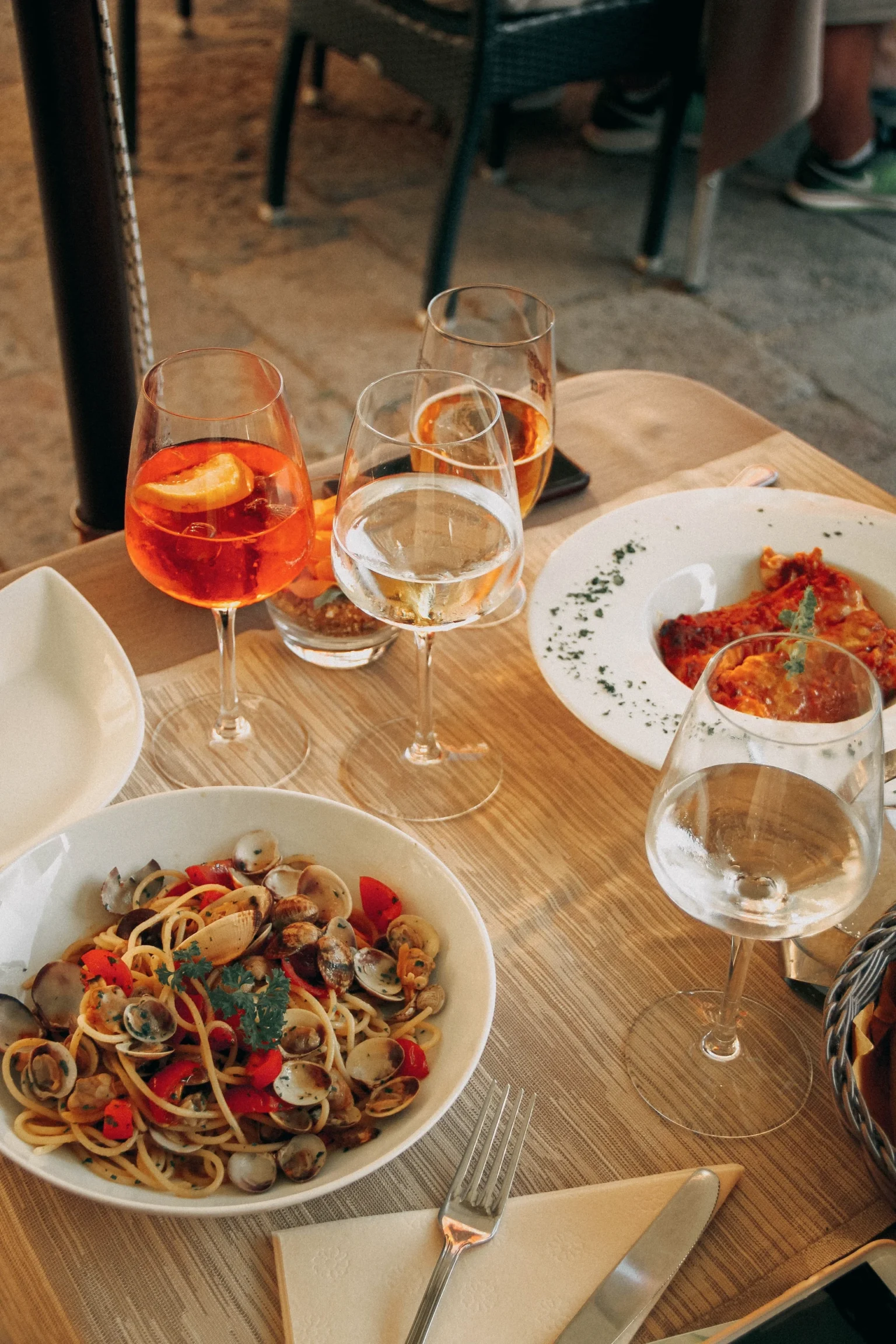

Are you tired of the same old boring meals? Do you crave something different, something that will awaken your taste buds and transport you to a new culinary adventure? Look no further than the world of international food!

What is International Food?
International food refers to the diverse array of cuisines from around the globe. It includes traditional dishes, cooking techniques, and ingredients that are unique to specific countries or regions. From the bold and spicy flavors of Indian food to the delicate and intricate tastes of Japanese sushi, international food offers a delightful variety that caters to every palate.
Top Food Destinations
When it comes to international food, some destinations are renowned for their culinary excellence. Let’s explore a few of the top food destinations around the world:
Italy
Italian cuisine, a cornerstone of the Mediterranean diet, is celebrated for its emphasis on fresh, high-quality ingredients and simple yet robust flavors. Italian food is much more than just pasta and pizza; it encompasses a diverse range of regional cuisines, each with its own unique set of flavors and cooking techniques. In the north, you’ll find dishes featuring creamy sauces, polenta, and risotto, while the south is known for its vibrant tomato-based dishes and olive oil. Italian desserts like tiramisu, panna cotta, and cannoli are just as renowned, offering a sweet finish to any meal. Italian cuisine also boasts an impressive array of wines and cheeses, with each region producing its own specialties. The Italian approach to dining, which emphasizes leisurely meals enjoyed with family and friends, is an integral part of the country’s allure for food lovers.
Thailand
Thai cuisine is a complex interplay of flavors and textures, making it one of the most coveted culinary styles in the world. It’s not just about the balance of sweet, sour, salty, and spicy flavors, but also about the use of aromatic herbs and spices that give Thai food its distinctive character. Street food in Thailand, like Pad Thai, Som Tam (green papaya salad), and Tom Yum Goong (spicy shrimp soup), offers an authentic taste of the country’s culinary spirit. Thai cuisine also features a variety of curries, from the milder massaman curry to the fiery green curry, each with its own unique blend of spices and ingredients. Thai desserts, often made with coconut milk and sticky rice, provide a perfect end to a Thai meal. The country’s food is deeply intertwined with its culture, with traditional cooking methods and recipes passed down through generations.
Mexico
Mexican cuisine is a rich tapestry that reflects the country’s complex history and diverse geography. It goes far beyond the well-known tacos and guacamole to include a wide array of flavors and ingredients, such as mole, a complex sauce with numerous regional variations, and tamales, a traditional comfort food. Mexican street food is an integral part of the country’s culinary landscape, offering an array of flavors from spicy to sweet. Ingredients like corn, beans, chili peppers, and tomatoes form the backbone of Mexican cuisine, while meats and cheeses add depth and richness. Mexican desserts, like flan and tres leches cake, are as diverse and flavorful as the savory dishes. The country’s beverages, including tequila, mezcal, and a variety of fruit-infused waters, are an essential part of its culinary identity. Mexican cuisine is not just about food; it’s a vibrant, living culture that celebrates community, family, and tradition.
Japan
Japanese cuisine is a marvel of precision and gastronomic elegance. It extends beyond sushi and sashimi, encompassing a wide range of dishes that emphasize seasonality, quality of ingredients, and presentation. Japanese chefs are renowned for their meticulous techniques and dedication to perfection, whether it’s in a simple bowl of ramen or a multi-course kaiseki meal. The cuisine is deeply connected to the natural world, with dishes that reflect the changing seasons. Ingredients like seaweed, fish, rice, and soy form the basis of Japanese cooking. Unique elements like umami, the fifth taste, are central to the Japanese culinary experience. Japanese desserts, often less sweet than their Western counterparts, include treats like mochi and matcha-flavored sweets. The tea ceremony, an integral part of Japanese culture, reflects the Zen philosophy of mindfulness and respect, which is also evident in the country’s approach to food.
France
French cuisine is the epitome of culinary artistry, known for its finesse and flavor. It’s a cuisine that has evolved over centuries, influenced by the country’s rich history and regional diversity. French cooking is not just about haute cuisine, but also about rustic, regional dishes that are deeply rooted in local traditions. The country is famous for its pastries, like croissants and éclairs, as well as its bread, like the iconic baguette. French cheese and wine are integral to the dining experience, with each region offering its own specialties. Dishes like coq au vin, bouillabaisse, and ratatouille showcase the range of French cooking, from the simple to the sophisticated. French desserts, such as crème brûlée and tarte tatin, are renowned worldwide. The French approach to dining, which emphasizes taking time to savor and enjoy food, reflects the country’s deep appreciation for the pleasures of the table.
India
Indian cuisine is a diverse and vibrant culinary tradition that varies significantly from region to region. It’s not just about the use of spices, but also about the combination of flavors, textures, and aromas that make Indian food so distinctive. Northern Indian cuisine is known for its hearty meat dishes and breads like naan and roti, while Southern Indian cuisine features lighter, rice-based meals and a variety of seafood. Indian sweets, such as gulab jamun and jalebi, are as integral to the cuisine as the savory dishes. Indian street food, like chaat and vada pav, offers a glimpse into the country’s rich culinary diversity. The use of spices in Indian cooking is an art form, with each spice serving a specific purpose to achieve the desired flavor profile. Indian cuisine is not just about food; it’s a reflection of the country’s vast cultural and geographical diversity.
Spain
Spanish cuisine is a celebration of both land and sea, reflecting the country’s diverse landscapes and cultural influences. It’s about much more than just tapas and paella; Spanish food is a rich mosaic of flavors, from the seafood of the coastal regions to the hearty stews and roasts of the interior. Ingredients like olive oil, garlic, and tomatoes are staples in Spanish cooking, while dishes like gazpacho and jamón ibérico showcase the country’s mastery of both the simple and the sophisticated. Spanish desserts, such as churros and flan, are a testament to the country’s sweet tooth. Spanish wine and cava are integral to the dining experience, often enjoyed alongside meals. The Spanish approach to food is social and communal, with meals seen as a time to gather and enjoy not just food, but also each other’s company.
Peru
Peruvian cuisine is a fusion of indigenous, Spanish, African, and Asian influences, creating a unique and diverse culinary landscape. It’s not just about ceviche and pisco sour; Peruvian food is a journey through a variety of flavors and ingredients, from the Andes to the Amazon. Dishes like lomo saltado and aji de gallina reflect the blending of cultural influences, while native ingredients like quinoa, potatoes, and aji peppers are central to many traditional dishes. Peruvian street food, like anticuchos and salchipapas, offers a taste of the country’s vibrant culinary scene. Peruvian desserts, such as alfajores and picarones, are a sweet reflection of the country’s diverse culinary influences. The cuisine of Peru is an exploration of contrasts and combinations, where ancient traditions meet modern innovation.

Benefits of Trying International Dishes
Exploring international food not only satisfies your gastronomic cravings but also brings a range of benefits. Here are a few reasons why you should embrace international cuisine:
Expanded Palate
Trying international dishes allows you to expand your palate and experience new flavors and textures. It opens up a whole world of taste sensations that you may have never encountered before.
Health Benefits
Many international cuisines emphasize the use of fresh, unprocessed ingredients. For example, the Mediterranean diet, which is rich in olive oil, fruits, vegetables, and whole grains, has been linked to numerous health benefits, including a reduced risk of heart disease and a longer lifespan.
Cultural Appreciation
Through international food, you can gain a deeper understanding and appreciation of different cultures. Food is an integral part of a country’s identity and trying their traditional dishes is a way to connect with their heritage.
Practical Tips for Incorporating International Flavors
If you’re ready to embark on a culinary adventure, here are some practical tips for incorporating international flavors into your everyday meals:
Experiment with Spices
Spices are the backbone of many international cuisines. Start by exploring common spices used in different countries, such as cumin in Indian dishes or paprika in Spanish cuisine. Experiment with adding these spices to your favorite recipes to infuse them with new and exciting flavors.
Try New Ingredients
Visit your local ethnic grocery stores or farmer’s markets to discover new ingredients. From exotic fruits and vegetables to unique grains and sauces, you’ll find a world of possibilities to incorporate into your cooking.
Attend Food Festivals and Events
Food festivals and events are an excellent way to immerse yourself in different cultures and try a variety of international dishes. Check local listings for upcoming events and mark your calendar for a feast of global flavors.
Take a Cooking Class
Joining a cooking class focused on international cuisine can provide hands-on experience and expert guidance. Learn how to prepare authentic dishes under the guidance of skilled chefs, and impress your friends and family with your newfound culinary skills.
Case Studies: Exploring International Food
Case Study 1: Japanese Cuisine
Japanese cuisine, known for its delicate flavors and artistic presentation, offers a unique culinary experience that goes beyond sushi and sashimi. This case study follows the journey of Kenji, a culinary student from Canada, who spent six months in Japan exploring its food culture.
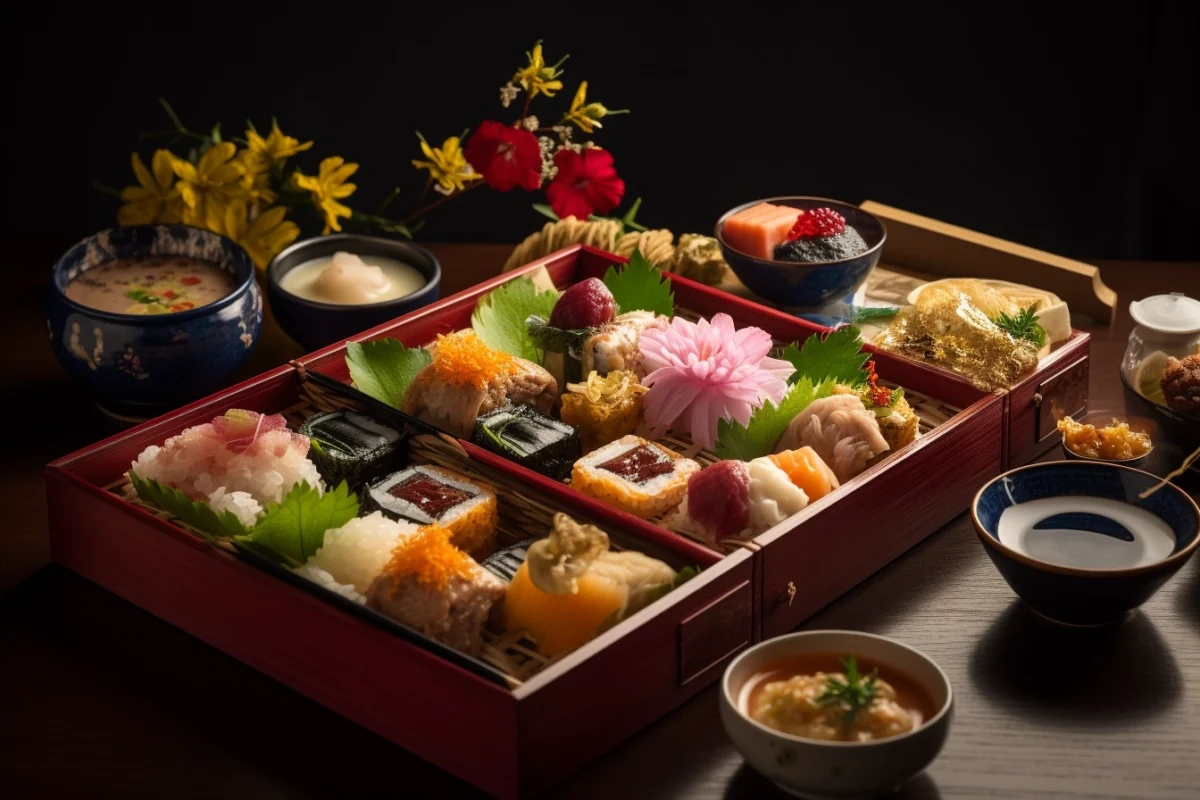
Kenji’s exploration began in Tokyo, where he discovered the precision of sushi chefs in Tsukiji Market. He learned about the importance of rice and fish quality, and the subtle art of balancing flavors with just a touch of wasabi and soy sauce. “Sushi in Japan is not just food; it’s an art form, where every detail matters,” Kenji observed.
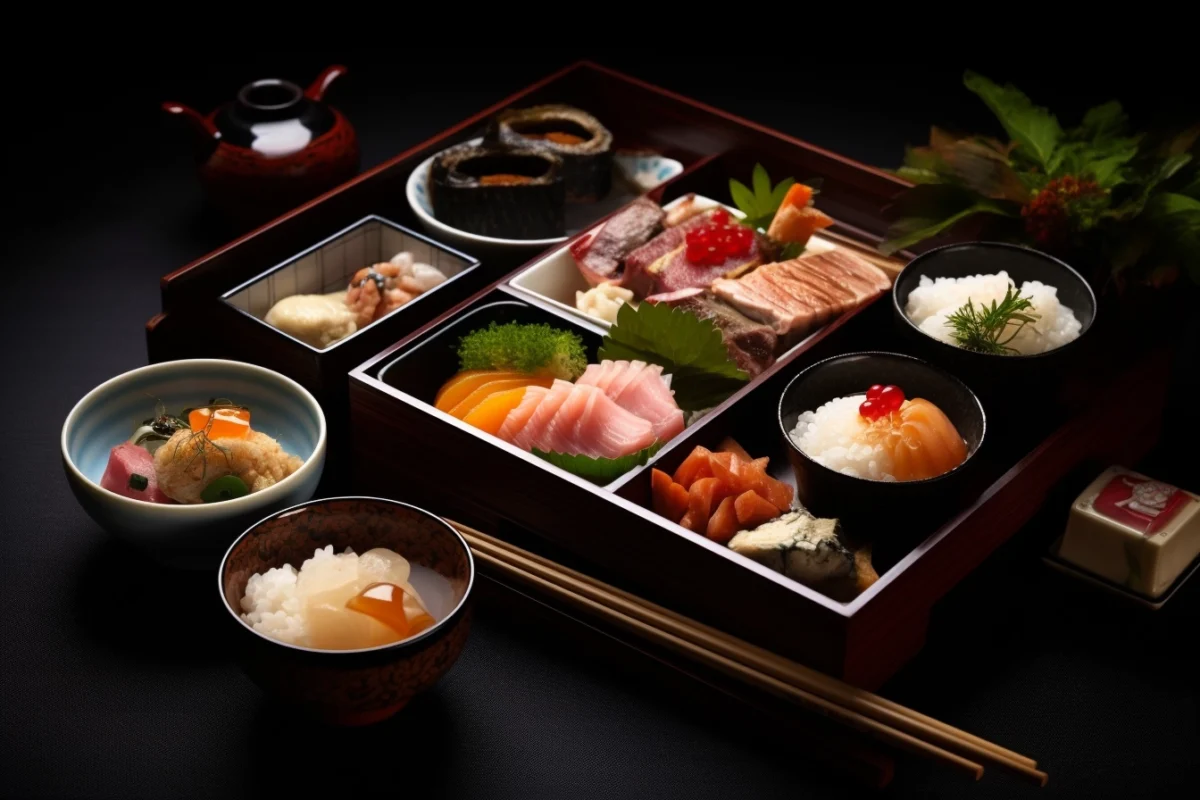
Traveling to Kyoto, Kenji delved into the world of kaiseki, a traditional multi-course Japanese dinner. Here, he experienced how seasonal ingredients are transformed into a series of small, aesthetically pleasing dishes that tell a story of the local environment. “Kaiseki is a celebration of the seasons. It’s amazing how each dish captures the essence of a particular time of year,” Kenji noted.
In Osaka, known as Japan’s kitchen, Kenji explored street food. He was fascinated by takoyaki (octopus balls) and okonomiyaki (savory pancakes), which offered a different perspective on Japanese cuisine – one that’s more casual but equally flavorful.
Kenji’s journey also included learning about the importance of umami, the fifth taste, central to Japanese cooking. He visited a soy sauce brewery and a miso maker, understanding how these fermented products add depth and richness to dishes.
The case study of Kenji’s journey through Japan highlights the diversity and complexity of Japanese cuisine. It shows how food in Japan is deeply intertwined with culture, tradition, and the natural environment, offering insights not just into cooking techniques but also into Japanese philosophy and way of life.
Case Study 2: Moroccan Cuisine
The next case study focuses on Sarah, a chef from the UK, who traveled to Morocco to explore its rich culinary heritage. Moroccan cuisine, with its blend of Berber, Arab, Andalusian, and Mediterranean influences, offers a tapestry of flavors and aromas.
Sarah’s journey began in Marrakech, where she was captivated by the bustling Jemaa el-Fnaa market. Here, she tasted tagines, slow-cooked stews made with meat, vegetables, and a blend of spices like cumin, coriander, and cinnamon. “The tagine is a perfect example of how Moroccan cuisine combines ingredients and spices to create dishes with depth and complexity,” Sarah explained.
In Fez, Sarah explored the ancient art of preserving lemons, a staple in Moroccan cooking. She learned how this simple process transforms the fruit, adding a unique tangy and slightly bitter flavor to dishes.
Her exploration also took her to the coastal city of Essaouira, where she discovered the importance of seafood in Moroccan cuisine. Here, she experienced the freshness of grilled sardines and seafood tagines, flavored with herbs and spices.
One of the highlights of Sarah’s journey was learning to make traditional Moroccan bread and pastries. She was particularly fascinated by the communal bread ovens found in many neighborhoods, symbolizing the shared nature of food in Moroccan culture.
Sarah’s experience in Morocco showcased the rich culinary traditions of the country, highlighting how its history, geography, and culture have shaped its food. From the spices used to flavor dishes to the communal way of cooking and eating, Moroccan cuisine offers a window into the country’s soul.
Firsthand Experience: Exploring New Cuisines
My personal journey into the world of international food began when I traveled to Thailand. I was enchanted by the street food stalls lining the bustling marketplaces, offering a myriad of aromatic and mouthwatering dishes. One of my favorite discoveries was Pad Thai, a classic Thai stir-fried noodle dish packed with flavors from tamarind, fish sauce, and chili. The balance of sweet, sour, and spicy was truly a party in my mouth!
After returning home, I began experimenting with Thai recipes and incorporating Thai flavors into my everyday cooking. It has not only added excitement to my meals but has also broadened my culinary horizons.
Conclusion
International food is a gateway to a world of flavors, culture, and culinary exploration. By embracing international cuisines, you can expand your palate, enjoy health benefits, and develop a deeper appreciation for different cultures. Whether you’re trying Italian pasta, Thai curries, or Indian spices, each dish tells a unique story and invites you to embark on a delicious adventure. So, why settle for the mundane when you can experience the extraordinary through international food? Let your taste buds travel the world!