


The Origins of Vietri sul Mare: Tracing Its Historical Roots
Located on the stunning Amalfi Coast of southern Italy, Vietri sul Mare is a charming town with a rich and fascinating history. Tracing its historical roots takes us back to ancient times when the area was inhabited by the indigenous Osci people. However, it was the Romans who truly left their mark on this coastal community.
The Romans recognized the strategic importance of Vietri sul Mare due to its natural harbor and proximity to the major trade routes of the Mediterranean. As a result, they established a thriving port here, which served as a key hub for the export of goods such as wine, olive oil, and terracotta. This trade brought prosperity to the town and attracted settlers from all over the Roman Empire, leading to the development of a vibrant and diverse community. The architectural influence of the Romans can still be seen today in the town’s structures, particularly in the use of terracotta, which has become a symbol of Vietri sul Mare.
The Ancient Roman Influence on Vietri sul Mare’s Architecture
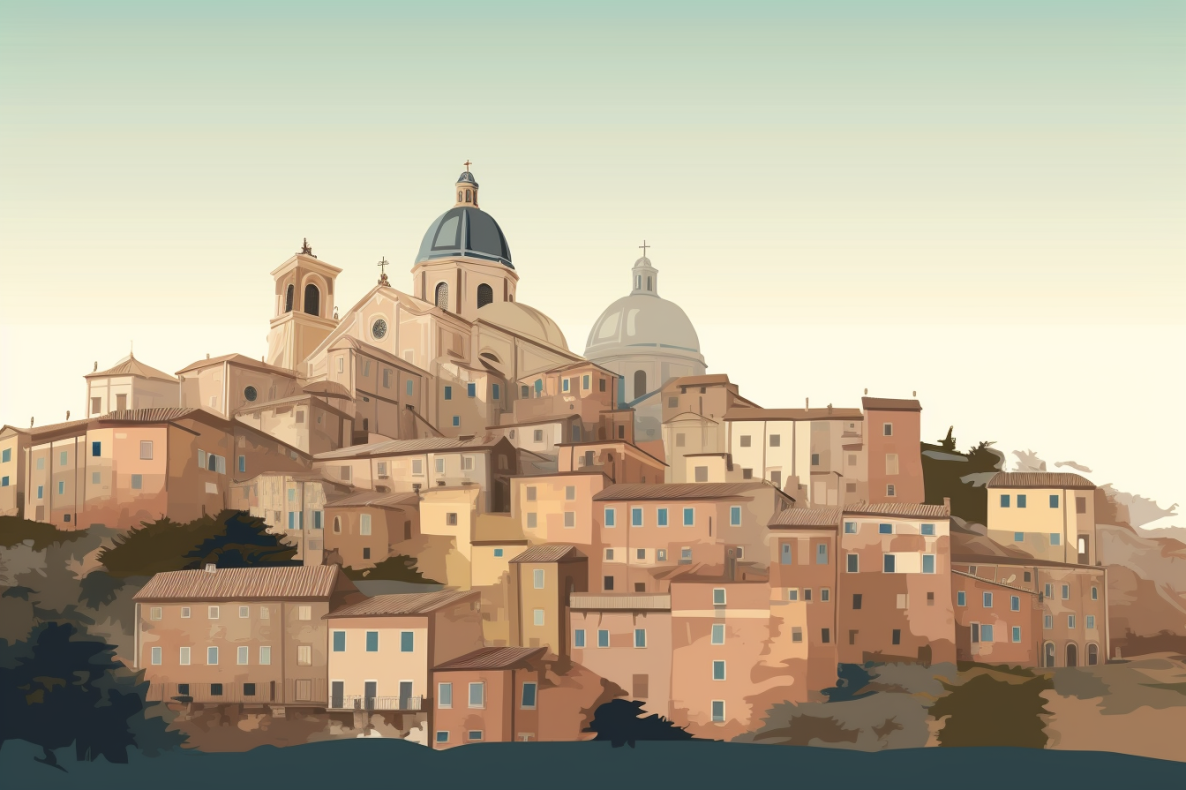
One cannot explore the architectural heritage of Vietri sul Mare without acknowledging the profound influence of ancient Rome. This charming coastal town, nestled along the Amalfi Coast in southern Italy, showcases a rich architectural tapestry with traces of Roman design that have stood the test of time. From grand villas to intricate mosaics, the Roman influence on Vietri sul Mare’s architecture is unmistakable.
One of the most prominent examples of Roman architecture in Vietri sul Mare is the Villa Guariglia. Dating back to the 1st century BC, this opulent villa once served as a retreat for affluent Romans seeking respite by the sea. Its impressive ruins, which include beautifully preserved mosaic floors and intricately carved columns, offer a glimpse into the grandeur and opulence of ancient Roman architecture. Excavated in the 19th century, the villa remains a cherished archaeological site and a testament to the enduring legacy of Roman architectural finesse in this captivating town.
Exploring the Medieval Legacy: Castles and Defensive Structures
During the medieval period, Vietri sul Mare was a strategic location for various warring factions due to its proximity to the Amalfi Coast. As a result, the town was dotted with numerous castles and defensive structures that still stand to this day, serving as a tangible reminder of its tumultuous past.
One such castle is the Castello di Marincanto, which was built in the 11th century and sits majestically on a hill overlooking the town. Its robust stone walls and imposing architecture attest to its original purpose of protecting the inhabitants from invasions. Today, visitors can marvel at its well-preserved structure and panoramic views of the coastline, providing a unique glimpse into the region’s medieval heritage.
Another notable site is the Torre della Crestarella, a 13th-century tower that was part of a larger defensive system. Standing tall amidst the lush greenery, this tower served as a lookout point to detect approaching threats from the sea. Its strategic location allowed guards to warn the townspeople of potential attacks, providing a sense of security and fortification. Exploring these castles and defensive structures in Vietri sul Mare is not only a journey through time but also an opportunity to appreciate the architectural prowess of those who built them and the significance they held in protecting the town.

The Renaissance Period in Vietri sul Mare: Art and Architecture
The Renaissance period in Vietri sul Mare marked a significant shift in the town’s artistic and architectural landscape. During this time, artists sought to revive and emulate the classical influences of ancient Greece and Rome. In doing so, they introduced new artistic techniques and styles that left a lasting impact on the town’s cultural heritage.
One notable aspect of the Renaissance art in Vietri sul Mare is the use of vibrant colors and intricate details in paintings and ceramics. Artists such as Francesco Solimena and Paolo de Matteis were known for their mastery in capturing the beauty of nature and human form through their brushstrokes. These artworks continue to be celebrated today and can be seen in various galleries and exhibitions throughout the town.
In terms of architecture, the Renaissance period witnessed the construction of grand palaces and noble residences that still stand as impressive landmarks today. These structures often featured elegant facades adorned with ornate sculptures and decorative motifs. The Palazzo Aliprandi, for example, is a prime example of Renaissance architecture in Vietri sul Mare, showcasing its distinctive style and grandeur. The integration of harmonious proportions and classical elements further highlights the town’s embrace of the Renaissance ideals.
Uncovering the Secrets of Vietri sul Mare’s Historic Churches
The historic churches of Vietri sul Mare offer a fascinating glimpse into the town’s rich religious and cultural heritage. One of the most notable churches is the Collegiate Church of St. John the Baptist, located in the heart of the town. This magnificent church, dating back to the 10th century, features an impressive façade adorned with colorful ceramics, a characteristic that sets it apart from other churches in the area. Inside, visitors are greeted by a stunning main altar, intricately carved wooden choir stalls, and beautiful frescoes depicting scenes from the Bible.
Another significant church in Vietri sul Mare is the Church of Saint George, situated on a hill overlooking the town and offering breathtaking views of the coastline. This medieval church was built in the 12th century and reflects the architectural style of the time. Its bell tower stands tall as a reminder of the church’s historical importance and its role as a place of worship for the local community. Inside, visitors can admire exquisite works of art, including religious paintings and sculptures, which further enhance the spiritual atmosphere of this sacred space.

The Influence of the Bourbons: Palaces and Royal Residences
The influence of the Bourbons is evident in the palaces and royal residences that dot the landscape of Vietri sul Mare. These grand structures, built during the Bourbon dynasty’s rule in the 18th and 19th centuries, reflect the opulent and sophisticated tastes of the royal family.
One of the most notable examples is the Palazzo Reale, also known as the Royal Palace. Situated in the heart of the town, this majestic residence served as the summer retreat for the Bourbon monarchs. Its grand façade, adorned with intricate carvings and statues, is a testament to the wealth and power of the ruling family. The interior is equally impressive, featuring lavishly decorated rooms, stunning frescoes, and an expansive garden overlooking the sea. Visiting this historic palace is like stepping back in time and experiencing the splendor of the Bourbon era.
The Impact of World War II on Vietri sul Mare: Remnants and Memorials
During World War II, Vietri sul Mare experienced significant devastation as a result of its strategic location along the southern coast of Italy. The town and its surrounding areas endured intense bombings, resulting in the destruction of many buildings, infrastructure, and the loss of numerous lives. The impact of the war on Vietri sul Mare is still visible today in the remnants and memorials that serve as a poignant reminder of the town’s history during this tumultuous period.
One of the most prominent remnants of World War II in Vietri sul Mare is the Torre Crestarella, a coastal defense tower that was heavily damaged by aerial bombings. Originally built in the 16th century as part of a network of watchtowers, the Torre Crestarella played a crucial role in the defense of the town throughout the centuries. Today, its partially destroyed structure stands as a testimony to the destructive force of war, serving as a solemn reminder of the sacrifices made by the people of Vietri sul Mare during this turbulent era.
In addition to the physical remnants, Vietri sul Mare also pays tribute to the memory of those who lost their lives during World War II through various memorials scattered throughout the town. These memorials serve as solemn spaces of reflection, honoring the bravery and resilience of both the civilian population and the military forces. They offer visitors an opportunity to pay their respects and gain a deeper understanding of the impact of war on the local community. Through these remnants and memorials, Vietri sul Mare bears witness to its wartime history, ensuring that the sacrifices made during World War II are never forgotten.
Preserving the Past: Museums and Cultural Institutions in Vietri sul Mare
Vietri sul Mare is not just a town with a remarkable history, but also a place that takes pride in preserving its past through its museums and cultural institutions. These establishments play a crucial role in showcasing the rich heritage of this coastal town. One such museum is the Museo della Ceramica, a museum dedicated to the renowned ceramics of Vietri sul Mare. Here, visitors can explore a wide range of ceramic artifacts, from traditional pottery to intricate hand-painted tiles. The museum not only highlights the skill and craftsmanship of local artisans but also provides insight into the cultural significance of ceramics in the region.
In addition to the Museo della Ceramica, another institution that contributes to preserving the town’s past is the Archivio Storico Comunale. Located in the heart of Vietri sul Mare, this archive houses a vast collection of historical documents, photographs, and records that chronicle the town’s development over the centuries. Researchers, historians, and curious individuals all have the opportunity to delve into the town’s past through these valuable resources. By providing access to such a wealth of information, the Archivio Storico Comunale ensures that the historical narrative of Vietri sul Mare remains alive and accessible to future generations.
The Coastal Charm of Vietri sul Mare: Beaches and Seaside Promenades
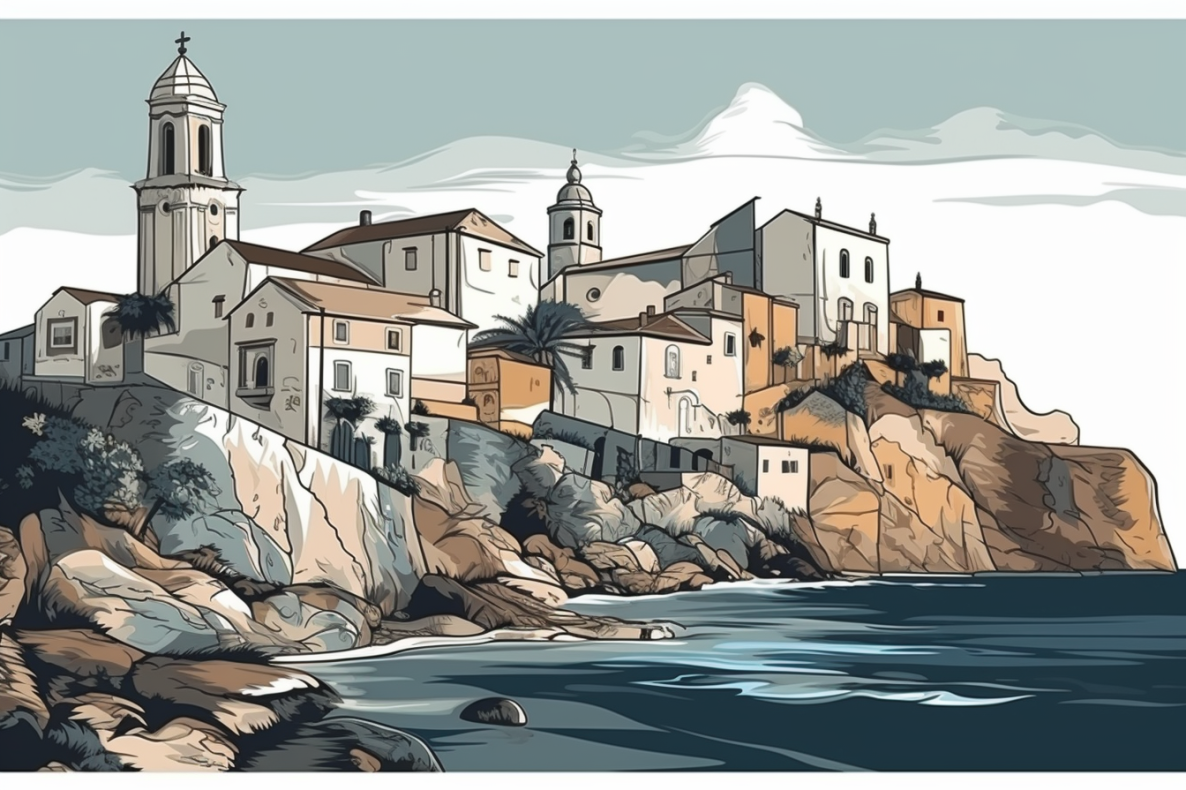
Vietri sul Mare, with its picturesque coastline, is a coastal paradise where visitors can indulge in the charm of its beaches and seaside promenades. Stretching along the pristine shores of the Tyrrhenian Sea, the town boasts a series of beautiful beaches that cater to both leisurely sun-seekers and adventurous water sports enthusiasts. The fine sands and crystal-clear waters make these beaches perfect for sunbathing, swimming, and even snorkeling, allowing visitors to immerse themselves in the natural beauty of the area.
In addition to the stunning beaches, Vietri sul Mare also offers delightful seaside promenades that allow visitors to take leisurely strolls beside the sea. These promenades, adorned with colorful flowers and trees, provide a serene atmosphere where locals and visitors alike can enjoy a relaxing stroll, take in the panoramic views of the coast, and feel the refreshing sea breeze. Whether it’s enjoying a romantic sunset walk or simply savoring the tranquil ambiance, these seaside promenades add an extra touch of coastal charm to the vibrant town of Vietri sul Mare.
Experiencing the Local Culture: Festivals and Traditions in Vietri sul Mare
Vietri sul Mare, a picturesque town on the Amalfi Coast of Italy, is not only known for its stunning coastline and historical sites, but also for its vibrant festivals and rich cultural traditions. Throughout the year, locals and visitors alike have the opportunity to immerse themselves in the lively atmosphere of these events, which showcase the town’s unique heritage and sense of community.
One of the most anticipated festivals in Vietri sul Mare is the Festa di San Giovanni Battista, held on June 24th each year. This religious celebration pays homage to the town’s patron saint, Saint John the Baptist, and features a grand procession through the streets, accompanied by traditional music and dancing. The highlight of the festivities is the stunning display of fireworks that illuminates the night sky, captivating spectators and adding an extra touch of magic to the occasion. Visitors can join in the festivities, mingling with the friendly locals, sampling local delicacies, and witnessing the deep-rooted traditions that have been passed down through generations.
In addition to religious festivals, Vietri sul Mare also hosts various cultural events that showcase the artistic talents of the local community. The Vietriiarte Ceramic Symposium, for example, brings together renowned ceramic artists from around the world to create intricate masterpieces using the town’s famous maiolica technique. This event not only celebrates the town’s rich ceramic heritage but also provides a platform for artistic exchange and inspiration. Visitors can witness the creation process firsthand, attend workshops and exhibitions, and even bring home one-of-a-kind handmade pieces as souvenirs. These festivals and traditions are a testament to the town’s vibrant culture and offer a unique opportunity for visitors to connect with the heart and soul of Vietri sul Mare.
FAQs
What festivals can I experience in Vietri sul Mare?
Vietri sul Mare hosts several festivals throughout the year, including the Festival of San Giovanni Battista, the Feast of Santa Margherita, and the Vietri Ceramics Festival.
When does the Festival of San Giovanni Battista take place?
The Festival of San Giovanni Battista is celebrated on June 24th each year.
What is the Feast of Santa Margherita?
The Feast of Santa Margherita is a religious event held on July 20th in honor of the town’s patron saint.
What can I expect at the Vietri Ceramics Festival?
The Vietri Ceramics Festival showcases the town’s rich ceramic tradition and features exhibitions, workshops, and cultural events centered around ceramic art.
Are these festivals open to visitors?
Yes, these festivals are open to both locals and visitors, providing a wonderful opportunity to immerse yourself in the local culture.
Are there any special traditions associated with these festivals?
Yes, each festival has its own unique traditions, such as processions, religious ceremonies, live music performances, and traditional dances.
Can I purchase Vietri ceramics during these festivals?
Yes, the Vietri Ceramics Festival is an ideal time to purchase authentic Vietri ceramics directly from local artisans.
Are there any other cultural traditions in Vietri sul Mare?
Yes, in addition to festivals, Vietri sul Mare is known for its traditional ceramics production, which has been a part of the town’s culture for centuries.
Are there any specific places in Vietri sul Mare where I can learn about its cultural traditions?
Yes, you can visit the local museums and cultural institutions in Vietri sul Mare, which preserve and showcase the town’s cultural heritage.
Can I explore the local traditions and festivals on my own?
Yes, you can explore the local traditions and festivals on your own, but it may be helpful to research the specific dates and locations in advance to ensure you don’t miss any events.