


The History of Traditional Armenian Drinks
Armenia, a land rich in history and culture, has a long-standing tradition of making and enjoying traditional drinks. Dating back thousands of years, the production of beverages has been an integral part of Armenian life. The Armenians have perfected the art of winemaking, with evidence suggesting that they were one of the earliest civilizations to cultivate grapes and produce wine. This strong connection to viticulture has resulted in a wide variety of wines that reflect the unique terroir of Armenia, capturing the essence of the land in every sip.
Another notable traditional Armenian drink is Ararat brandy, which has earned worldwide recognition for its exceptional quality. The Armenians have been distilling brandy for centuries, with the renowned Ararat brand being established in the late 19th century. The process of crafting this fine beverage involves aging grape brandy in oak barrels, allowing it to develop a smooth and rich flavor profile. Ararat brandy has become synonymous with Armenian culture, symbolizing the country’s pride and craftsmanship. Whether it’s wine or brandy, traditional Armenian drinks carry with them the legacy of generations, embodying the essence of a proud nation deeply rooted in its history and traditions.

Armenian Festivals and their Cultural Significance
Armenian festivals are an integral part of the country’s rich cultural heritage. These events hold significant importance as they celebrate various aspects of Armenian life, history, and traditions. Each festival showcases unique customs, rituals, and performances that reflect the deep-rooted values and beliefs of the Armenian people.
One such notable festival is “Vardavar,” which takes place in July and is celebrated by splashing water on each other as a symbol of cleansing and renewal. This ancient tradition has ties to the pre-Christian era and is a joyful way to commemorate the feast of Transfiguration. Another significant festival is “Navasard,” held in August, which honors the Armenian New Year and the mythical birth of Hayk, the legendary founder of the Armenian nation. Navasard is characterized by various cultural performances, traditional dances, and vibrant displays of Armenian artistry.
These festivals not only provide entertainment and merriment but also serve as a way to preserve and pass down Armenian traditions and values from one generation to the next. They play a pivotal role in fostering a sense of community and collective identity among the Armenian people, reminding them of their deep connection to their roots and the importance of cultural preservation.
The Role of Toasting in Armenian Celebrations
Toasting holds a significant role in Armenian celebrations, serving as a cherished tradition that brings people together. Whether it’s a wedding, birthday, or holiday gathering, toasting is a fundamental practice that adds warmth and joy to the occasion. In Armenian culture, a toast represents not only a gesture of appreciation but also a means of expressing gratitude, good wishes, and love towards family and friends.
The act of toasting in Armenian celebrations is accompanied by heartfelt speeches, where individuals share their sentiments and memories. These speeches often reflect the deep connection and bond between the guests and the host. Toasting also allows for the recognition of accomplishments, the celebration of milestones, and the expression of unity within the community. Through the art of toasting, Armenians honor their heritage, paying tribute to their ancestors and ensuring the preservation of their cultural values.
Traditional Armenian Drinking Customs and Etiquette
Armenian culture places great importance on drinking customs and etiquette. When partaking in traditional Armenian gatherings, it is essential to adhere to certain social norms to show respect and ensure a pleasant experience for all. One of the most important rules is to never start drinking before the host offers the first toast. The host is regarded as the leader of the gathering, and their initiation serves as a signal for others to begin. It is also customary to wait until the host takes the first sip before others start drinking. This practice symbolizes unity and camaraderie among the participants.
In addition to observing the host’s lead, it is crucial to maintain a certain level of decorum throughout the gathering. For instance, it is considered impolite to pour your own drink. Instead, others will take the initiative to pour for you and vice versa. This act of serving one another is a reflection of the Armenian value of hospitality. It is also customary to make toasts during the event, expressing gratitude, well wishes, or commemorations. When making a toast, it is customary to look the other person in the eye and raise the glass slightly higher than theirs as a sign of respect. These customs and gestures foster a warm and inclusive atmosphere, where everyone feels valued and included in the celebration.
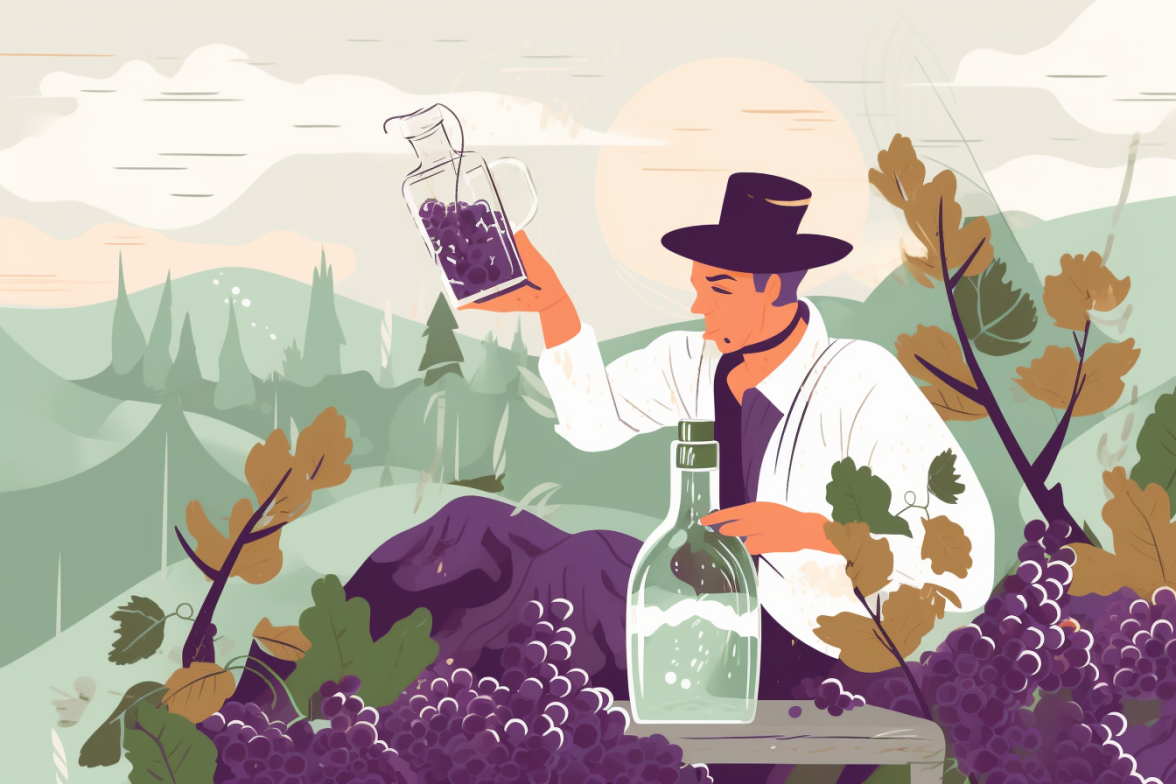
Armenian Traditional Drinks: From Wine to Brandy
Armenian traditional drinks have a rich history that spans centuries, a testament to the vibrant cultural heritage of the Armenian people. From wine to brandy, these beverages hold a significant place in Armenian celebrations, as well as everyday life.
Wine has been a staple in Armenian culture since ancient times. The Armenian highlands were blessed with fertile soil and ideal climate for grape cultivation, leading to the production of high-quality wines. The art of winemaking was refined over time, and today, Armenian wines are known for their distinct flavors and unique characteristics. They range from dry red wines to sweet dessert wines, offering a wide variety for every palate.
Brandy, also known as cognac, holds a special place in Armenian drinking traditions. Introduced in the late 19th century, Armenian brandy quickly gained fame for its exceptional quality. The Armenian producers adopted traditional French methods and added their unique touch to create a one-of-a-kind brandy. Known for its smoothness and rich aroma, Armenian brandy has become synonymous with luxury and sophistication. It is often enjoyed neat or used as a key ingredient in many traditional Armenian cocktails.
The Symbolism Behind Armenian Drinking Songs
Armenian drinking songs have long been an integral part of the country’s rich cultural heritage. These songs are not merely festive tunes sung during celebrations; they also hold deep symbolism and meaning. Each song tells a story, reflects the values and ideals of the Armenian people, and perpetuates the traditions that have been handed down through generations. Through the rhythm and melody of these songs, Armenians share their pride, joy, and unity, creating a sense of belonging among those who join in the revelry.
The lyrics of Armenian drinking songs often touch upon themes such as love, friendship, nature, and the beauty of the Armenian homeland. They are filled with heartfelt emotions and vivid imagery that resonate with listeners. These songs serve as a way of expressing gratitude for life’s blessings and acknowledging the struggles faced by the Armenian people throughout history. In this way, the drinking songs not only entertain but also strengthen the communal bond and keep the cultural heritage alive.
Armenian Traditional Toasts and Blessings
Throughout Armenian history, toasting and offering blessings during special occasions have held great cultural significance. These traditions are deeply rooted in Armenian culture and provide a meaningful way to honor and celebrate important moments.
Armenian toasts often focus on expressing gratitude, respect, and well wishes towards the individuals being honored. Cheers are raised, glasses are clinked, and heartfelt words are spoken to mark the occasion. These toasts are more than just words; they are a way to connect on a deeper level, strengthening bonds amongst friends and family.
Similarly, blessings are an integral part of Armenian celebrations, adding a spiritual and sacred element to the event. These blessings are often recited by religious leaders or by family members who hold significant roles in the community. They serve as a way to invite good fortune, happiness, and divine blessings into the lives of those being celebrated. The words spoken carry weight and are believed to have the power to bring about positive outcomes.
Armenian Drinking Games: Uniting Friends and Family
Armenian drinking games have a long-standing tradition of bringing friends and family closer together. Through playful competitions and challenges, these games create an atmosphere of joy and camaraderie during social gatherings. One popular game is “Nardi,” a backgammon-like board game that is often played while enjoying traditional Armenian drinks. This game not only tests the players’ strategic skills but also provides an opportunity for laughter and friendly banter.
Another well-known drinking game in Armenia is called “Totin Ajikh.” In this game, participants take turns singing Armenian folk songs while everyone else tries to drink without laughing or spilling their drink. The game relies on the performers’ ability to maintain a straight face while singing humorous and lively tunes, adding an element of entertainment and challenge to the festivities. These drinking games serve as a means of fostering strong bonds among friends and family members, allowing them to share laughter, traditions, and unforgettable moments.
Armenian Festive Drinks: From Mulberry Vodka to Apricot Wine
Armenian festive drinks have deep roots in the country’s rich cultural heritage. From mulberry vodka to apricot wine, these traditional beverages are not only enjoyed for their flavors but also hold symbolic significance. Mulberry vodka, also known as tutovka, is made from ripe mulberries and is often enjoyed during special occasions such as weddings and family gatherings. Its vibrant red color and sweet-tart taste make it a popular choice among Armenians celebrating joyous moments. Similarly, apricot wine, known as karasi, is made from locally grown apricots and is considered a delicacy. Its golden hue and fruity aroma create a delightful experience for those partaking in Armenian festivities.
These festive drinks are more than just beverages; they are an integral part of Armenian culture and traditions. They are often used as a means of toasting and are believed to bring good luck and fortune. Toasting is a significant aspect of Armenian celebrations, where heartfelt wishes and blessings are exchanged among friends and family. As glasses are raised, the clinking of the cups resonates with joy and camaraderie. The consumption of mulberry vodka and apricot wine during these toasts not only adds to the merriment but also symbolizes the unity and happiness shared by those present.
The Evolution of Armenian Drinking Traditions Over Time
Throughout history, the drinking traditions of the Armenian people have evolved and adapted to reflect the changing times. From ancient times to the present day, there have been various factors that have influenced these traditions. One significant factor is the influence of different civilizations that have occupied or interacted with Armenia, such as the Persians, Greeks, Romans, and Byzantines. Each of these cultures brought their own customs and preferences when it came to alcoholic beverages, which influenced the way Armenians approached drinking.
Another factor that has shaped the evolution of Armenian drinking traditions is the country’s geography and climate. Armenia is blessed with fertile soils and a climate suitable for grape cultivation, making wine production a significant part of the country’s history. Over time, the Armenians developed their techniques for wine production, refining the process and creating unique varieties that are still enjoyed today. Moreover, the abundance of fruits like apricots, pomegranates, and mulberries has also led to the creation of various fruit-based beverages that are a part of Armenian drinking culture.
The evolution of Armenian drinking traditions continues to this day, with a resurgence in interest in traditional Armenian drinks and a growing focus on quality and craftsmanship. Younger generations are rediscovering the traditional recipes and techniques that have been passed down for centuries, combining them with modern innovations to create new and exciting flavors. As the cultural pride in Armenian traditions grows both within the country and in the diaspora, so too does the appreciation for the rich and diverse range of drinks that have come to define Armenian celebrations and gatherings. The future of Armenian drinking traditions is an exciting one, as the continued evolution and adaptation of these customs ensure their preservation for generations to come.
FAQs
What are some traditional Armenian drinks?
Some traditional Armenian drinks include wine, brandy, mulberry vodka, and apricot wine.
How have Armenian drinking traditions evolved over time?
Armenian drinking traditions have evolved with the introduction of new drinks and the incorporation of cultural and historical influences.
What is the cultural significance of Armenian festivals?
Armenian festivals hold great cultural significance as they provide a platform for celebrating traditions, including drinking customs and fostering a sense of community and identity.
What role does toasting play in Armenian celebrations?
Toasting plays an important role in Armenian celebrations as it is a way to honor guests, express gratitude, and bring people together in a joyous atmosphere.
What are some traditional Armenian drinking customs and etiquette?
Traditional Armenian drinking customs and etiquette involve respecting elders, offering toasts, and following certain rituals, such as clinking glasses and drinking in moderation.
What is the symbolism behind Armenian drinking songs?
Armenian drinking songs often carry deep cultural and historical symbolism, expressing themes such as love, friendship, and the celebration of Armenian heritage.
What are some traditional Armenian toasts and blessings?
Traditional Armenian toasts and blessings are heartfelt expressions of good wishes, gratitude, and blessings for the occasion or the people being honored.
Are there any Armenian drinking games?
Yes, Armenian drinking games are a popular way to unite friends and family during celebrations, providing entertainment and fostering a lively atmosphere.
What are some examples of Armenian festive drinks?
Some examples of Armenian festive drinks include mulberry vodka, apricot wine, and other fruit-based beverages that are enjoyed during special occasions.
How have Armenian drinking traditions changed over time?
Armenian drinking traditions have changed over time due to influences from other cultures, advancements in technology and production methods, and evolving societal norms.