


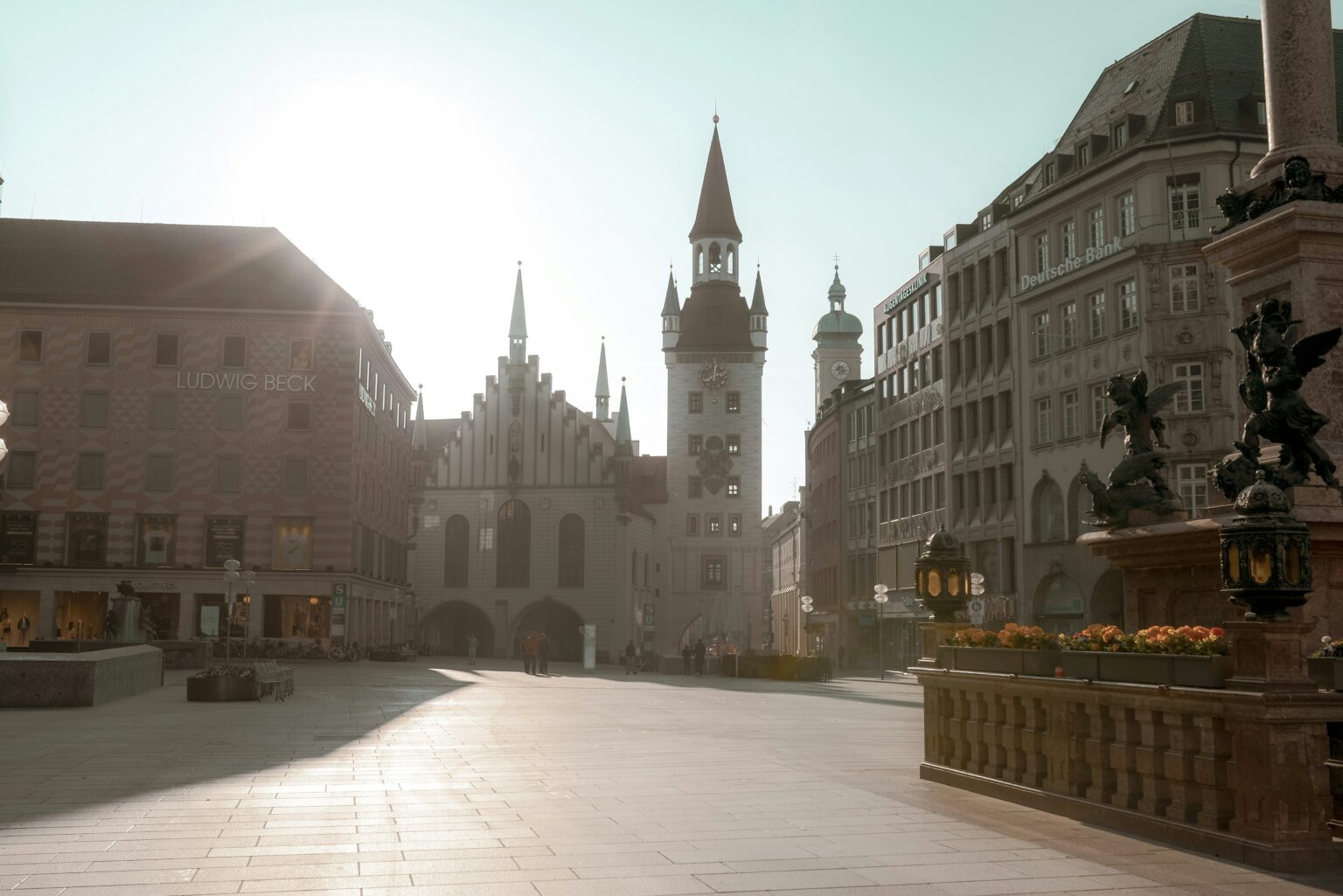

Munich has established itself as an emerging European center of culture and technology with its luxurious new hotels and cutting-edge museums, but there’s much more to experience here in its medieval center with centuries-old traditions.
Start in Marienplatz to take in its stunning neoclassical buildings and witness a Glockenspiel performance, in which dancing figurines tell folklore tales such as royal weddings or jousting tournaments.
History
Munich has long been tied to Bavaria, of which it serves as capital. The name Munich may derive from “monk,” as early development was linked with Benedictine abbeys. An initial monastery was founded here during the eighth century; by 1296 it had flourished into a bustling town.
In the 14th century, Wittelsbach became home to its future-shaping dukes of Bavaria who exerted significant influence over almost 700 years. Under their watchful gaze and great prosperity for their Wittelsbach family, its population surged significantly.
As Munich expanded, so did its urban layout, reflecting this growth. Marienplatz square – still at the center of modern Munich – served as a market place during medieval times, while also housing both Munich Cathedral and city government headquarters.
Munich was long known for its crafts trades and manufacturing industries, particularly brewing. Beer production remains one of the city’s primary industries today. Additionally, precision instruments, optical appliances, aerospace components and high-tech products were all manufactured here as a major part of its economy.
As wealth expanded within the city, so did its cultural life. The lavish building programs and entertainments organized by Wittelsbach rulers became legendary for both their extravagance (some feasts lasted up to three weeks!) as well as for placing financial strain on residents who had to pay for them.
As financial fortunes improved during the late 18th century, Berlin saw a revival in cultural activity. Theatres were constructed – including Heckentheater or Gartentheater from 1719 and Nymphenburg Palace Theatre from 1723) along with Logentheater at Residenz Palace from 1740 and finally Hofmusikkapelle orchestra established in 1818.
As Germany moved towards industrialisation and modernisation in the 19th century, Munich prospered again. The first railway arrived in Munich in 1839; electric lighting soon thereafter. Many important inventors and scientists such as Alois Senefelder, Joseph von Fraunhofer, Justus von Liebig, Georg Ohm Carl von Linde Rudolf Diesel were all hailing from Munich.
Sights
Munich is renowned for its beautiful skylines, magnificent royal palaces and world-class museums – each boasting their own distinct skylines, exquisite royal palaces and world-class museums. Additionally, this vibrant city exudes humor: from rickshaws blasting out oompah band music to surfers riding the Eisbach wave; to the quirkiness of its city centre which draws both locals and visitors; full of sights and attractions making Munich an essential stop on any European tour itinerary.
Marienplatz is one of Munich’s dazzling old town (Altstadt). This grand square’s striking Acropolis-inspired rotunda sits among magnificent town houses and bustling markets; you can join an optional walking tour or simply explore on your own to take in its architectural highlights.
St Michael’s Church, the first Renaissance church north of the Alps, is another Munich landmark and must-see attraction. Situated on Marienplatz, its wooden carvings represent both history and architecture enthusiasts with images depicting jousting tournaments and dancers from Munich’s barrel makers entertaining plague victims by dancing their shops.
Residenz, Munich’s palace home from 1508 until 1918 and one of its must-see landmarks, boasts an opulent and ornate interior that mirrors that of Loggia dei Lanzi in Florence almost exactly.
Schloss Nymphenburg is another must-visit attraction, boasting a grand interior to match its expansive grounds. Built to mark the birth of King Ferdinand III’s heir in 1662, this landmark now serves as a top tourist destination.
English Garden, one of the city’s largest urban parks, provides visitors with an oasis-like setting ideal for leisurely walks and picnics in lush greenery. Additionally, rent a boat and sail its lake; explore wooded pathways or traditional beer gardens for more exploration opportunities.
If you’re an avid sports fan or visiting Munich to attend an event, the Olympic Park should definitely be on your itinerary. Home to the Munich Olympic Stadium with its distinctive tent roof design as well as modern facilities hosting concerts, spectacular events and all manner of sporting activities; its presence will leave a lasting impression!
Festivals
There are various festivals and fairs throughout the year that honor Munich. One such celebration is Oktoberfest – held from late September until the first Sunday in October – the grandest beer festival on Earth. Here, attendees don traditional German attire such as dirndls or lederhosens to take full advantage of its festive atmosphere and delicious traditional German fare that have become iconic aspects of Oktoberfest celebrations worldwide. Many cities worldwide host similar festivities to capture that sense of gemutlichkeit (coziness).
Munich Film Festival provides music lovers and those interested in the arts an ideal experience, featuring national and international films along with panel events featuring filmmakers and industry professionals.
At the Munich Marathon, runners of all ages and abilities will find something to cheer about each year. Offering full marathon, half marathon, 10K race distances as well as costume runs add extra fun and challenge for even experienced athletes while encouraging newcomers into running as a sport.
Other festivals, like the Kocherlball – or ball of servants – take place each summer and attract an enthusiastic crowd who come to watch folk dance performances and admire traditional Munich costumes known as Tracht, developed during Biedermeier period.
A more subdued but no less lively celebration is the Stadtgrundungsfest held annually in mid-June. At this festival, city center residents come together with culinary offerings and handmade goods on offer from different vendors; those eager to create something themselves will delight at getting hands-on experience with traditional techniques such as tinkering or peening will also find plenty to keep themselves busy with.
At the close of summer comes Tollwood Festival, which offers something a bit quieter than Oktoberfest. This popular event offers 25 days of world cuisine, markets of ideas and music events; in addition to outdoor theatre productions and environmental-friendly initiatives. Collectors will love visiting its booths which offer antiques and curiosities such as books, porcelain and clothing for sale.
Food
Munich is the Bavarian capital and offers many attractions for food and beverage lovers alike, from pretzels to noodles – you can try all kinds of delicious dishes here. Additionally, Munich boasts an acclaimed brewery history.
Munich may be known for being a meat-centric city, but that doesn’t mean vegetarians and vegans won’t find something suitable to eat here. Plenty of restaurants and cafes provide vegetarian and vegan dining options; just be sure to do your research prior to arriving in Munich!
One of the best places to find vegetarian or vegan restaurants is in the Old Town district. Here, you will find traditional German eateries as well as an abundance of other types of cuisine – you might also ask locals where they go for lunch and dinner!
Wirtshaus restaurants are another popular option for lunch and dinner in Germany, serving traditional German food along with beer in large tavern-like settings. They’re great spots to meet friends for casual meals; and almost anywhere in any city will likely feature at least one.
Munich would not be complete without sampling their signature breakfast dish: Weisswurstfruhstuck – white sausages served up on freshly fried bread along with sweet mustard and beer as part of a breakfast tradition in most restaurants throughout Munich.
For seafood fans, Munich offers another delectable treat – Fischbroetchen (a sandwich composed of smoked or fried fish served on semme rolls).