


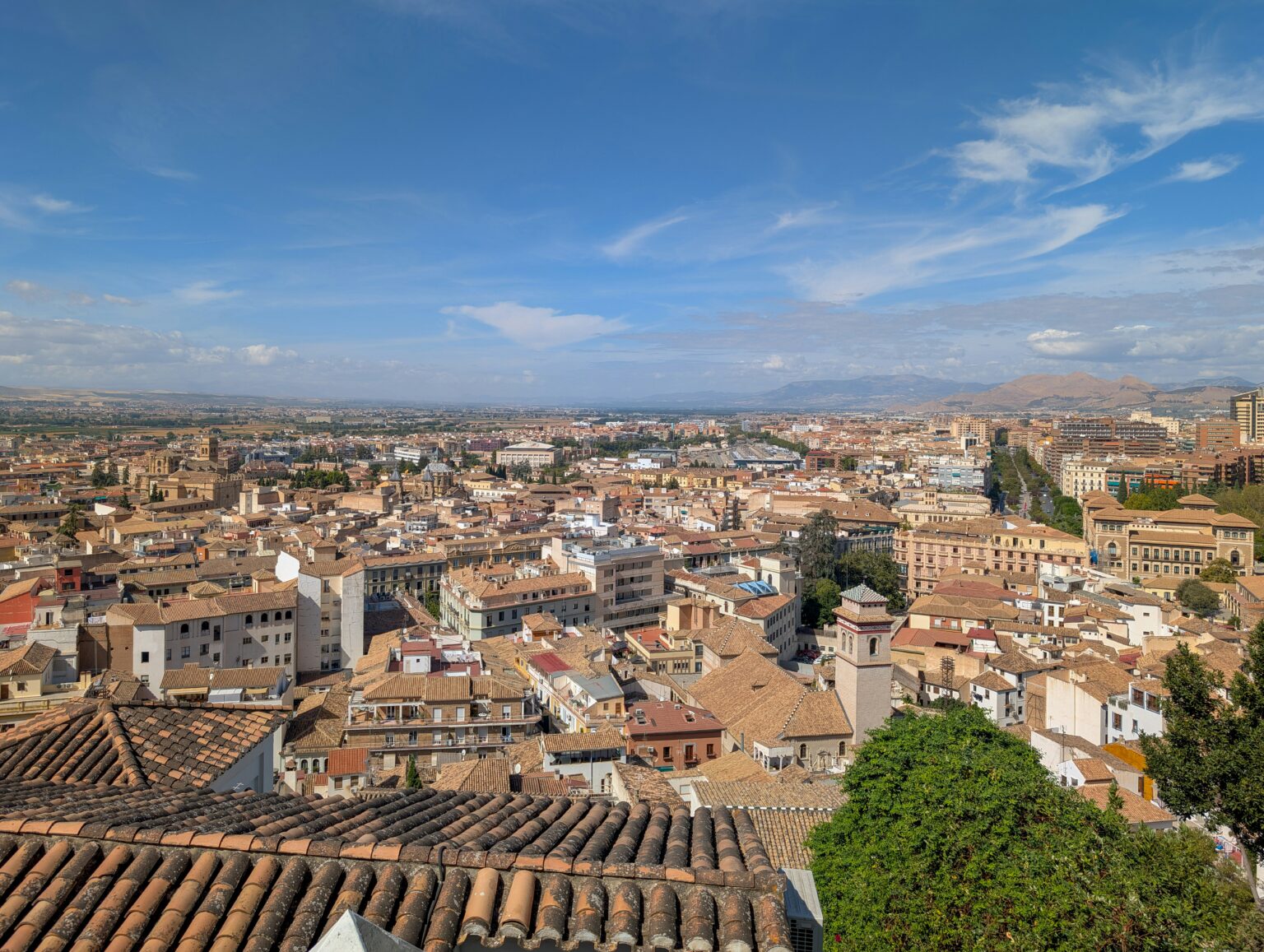

Granada is an Andalusian melting pot, where Muslim, Jewish and Christian influences coexist seamlessly – including in its food culture.
Contraviesa wine is an absolute must and many bars provide tapas – bite-sized servings of various dishes that range from familiar to exotic – including Plato alpujarreno; an irresistibly tasty local dish composed of potatoes, fried eggs, cured ham and blood sausage (morcilla). With its combination of sweet and savoury flavours it makes an irresistible treat!
Moorish influence
Granada’s iconic symbol, the pomegranate is seen everywhere you turn in this vibrant city. From streets, cafes and even buildings it makes its presence known.
Andalusian city Cordoba boasts some of Spain’s most stunning architecture, including the Alhambra palace complex. Once Moorish control on Iberian Peninsula was overtaken by Spain in 1492; they left behind numerous beautiful architectural works which can still be seen today throughout this vibrant Andalusian city.
The Alhambra is an international icon and one of Granada’s greatest landmarks, known as a UNESCO World Heritage Site. Situated atop a hill, its elegant medieval Islamic architecture showcases intricately designed palaces, courtyards, gardens and more that are absolutely must-sees during any visit to Granada. It must not be missed!
As part of its Moorish occupation of Granada, different cultures had an immense effect on its art, culture, and cuisine. This can be seen through the architecture of Muslim-era buildings which feature Christian and Islamic influences simultaneously. Additionally, Moors left their mark on both language and music: many Arabic words still feature in local dialect while traditional Andalusian music has roots in Moorish traditions.
As one of Europe’s most culturally diverse cities, Granada boasts an international population with people hailing from various backgrounds. While most residents are Spanish, there is also an ever-increasing presence from North Africa and South America residing here. Yet despite such diversity Granada still maintains an inclusive community that celebrates their shared history and heritage.
Location is one of the key components to Granada’s rich history. Nestled between Sierra Nevada mountain ridges and its foothills, Granada stands out as an idyllic city in which to live, learn, and discover. Due to this prime geographical spot, Granada has long been recognized as a hub of culture as well as being an academic centre attracting students from around the globe – creating a flourishing cultural and culinary scene throughout Granada today.
The Alhambra
An experience in Granada would not be complete without exploring the magnificent Alhambra palace and fortress complex. Set atop Sabika hilltop, this iconic Moorish structure serves as a monument to Spain’s cultural legacy while at the same time providing visitors with breathtaking sights of Moorish architecture and history. Additionally, its inclusion on UNESCO World Heritage list offers visitors insight into Spain’s complex past while simultaneously being an source of inspiration for modern architects, watershapers, artists, and dreamers worldwide.
Built during the mid-13th century, Alhambra served as the royal residence and fortress of Moorish Nasrid dynasty of Spain until it fell during Christian Reconquista in 1492 with Granada capitulating to Catholic monarchs Ferdinand and Isabella’s rule over Spain. Although various changes occurred after this eventful event, many elements of its original character still remain.
Alhambra is famous for its charming courtyards and gardens, such as its iconic Court of the Lions with its fountain surrounded by twelve marble lions carved during Sultan Muhammad V’s rule in 14th century. This exquisite example of Islamic architecture stands as testament to their incredible designs.
Other courtyards at the Alhambra include Patio de los Arrayanes, with its rose garden and fountains. Lush gardens surround these courtyards such as Generalife’s series of ponds, channels, and gardens – complementing them perfectly!
No matter the time of day or night that you visit the Alhambra, this remarkable structure will leave a lasting impression in your memory. For an extra memorable experience, book a moonlight tour that takes you around this palace in romantic splendor.
The Alhambra is an incredible treasure owed much of its value to its long history of neglect and mistreatment. Once used by paupers and wanderers of Granada as shelter, criminals would come there to steal treasures; only after Washington Irving arrived did people start treating the Alhambra with more respect.
Granada’s art scene
Many visitors to Granada come for its iconic Alhambra and breathtaking vistas, but this city offers much more. Artful expression is at the core of Grenada’s vibrant culture and historical legacy; whether Renaissance painters or cutting-edge contemporary artists are featured, Grenada is home to an abundance of artistic talent showcased through galleries and museums.
Though scattered museums and galleries can be found across the island, Granada is where most of the creative action occurs. Here many of Spain’s finest artists reside and create stunning works of art.
Within the city centre you will find various art galleries and studios. This includes the Granada Museum of Modern Art and the Art and Soul Gallery which both display both contemporary and traditional works, while the Granada Contemporary Art Center houses an expansive collection of global artwork.
Grenada stands out among other countries by not having restrictive zoning laws that prevent artists from setting up easels outside their homes and setting up temporary exhibitions or painting on the side of their houses during the day – this has allowed an expanding art scene with some artists even garnering international renown.
As more people look toward Grenada, a growing cohort of illustrators, photographers, and digital designers are giving voice to the country in their creative works. And it’s not only well-known artists – there are numerous smaller businesses or community projects being undertaken which lend the island more prominence in creative circles.
One way to gain a feel for the local art scene is to hit the streets early and explore Calle Molinos, with its vibrant murals. Additionally, speaking with locals about where the best street art can be found can help immensely.
Tapas
Imagine you have just come off touring the Alhambra and are feeling peckish. After wandering into a nearby square, you find a cozy restaurant where a waiter serves a cold beer before offering free tapas – it is part of Granada’s longstanding tradition, and is an excellent way of tasting different cuisine and wines without becoming inebriated! While this practice dates back decades it remains highly effective today in this city.
Many restaurants in Granada also provide flamenco shows. This traditional music and dance form has become immensely popular here, so you can watch while sipping wine or nibbling on tapas – it creates an intimate and unforgettable evening experience!
When ordering tapas, it is best to order several things all at once as this ensures servers can bring out rounds of tapas in proportion with how many drinks were ordered. Also be sure to ask what kinds of dietary-restricted tapas might be available as some restaurants only serve specific varieties.
Tortilla Sacromonte is one of Granada’s most beloved meat tapas, comprising of an irresistibly satisfying omelet filled with pork, beef and lamb offal and served alongside mushrooms and peppers. Boquerones en Vinagre are equally beloved, along with Pulpo a la Gallega: boiled octopus served up topped with garlic and parsley for extra flavour! Granada may not be coastal city but that doesn’t stop them from having delicious seafood tapas such as Pulpo a la Gallega.
If you prefer an alcoholic beverage with your tapas, a glass of wine or beer are both delicious options; however, for those trying to limit alcohol intake there are many non-alcoholic alternatives to choose from such as sodas, iced tea and tinto de verano (red wine with grape juice).
Sangria is another popular beverage option. Made of red wine, sugar, orange juice or soda and chopped peach, lemon and orange slices; often served with large ice cubes – Sangria may not be as popular nowadays but still can be found at many bars and restaurants around Granada.
Trip-ready gear from Amazon
As an Amazon Associate, grandgo.com earns from qualifying purchases. Links below are affiliate links — clicking them may earn us a small commission at no extra cost to you. Prices and availability are shown on Amazon.co.uk.
- Spanish phrasebook Berlitz — Essential Spanish for travel.
- Sun hat wide-brim women men — Andalusian summer necessity.
- Reef-safe sunscreen SPF 50 — Costa del Sol + Ibiza.