


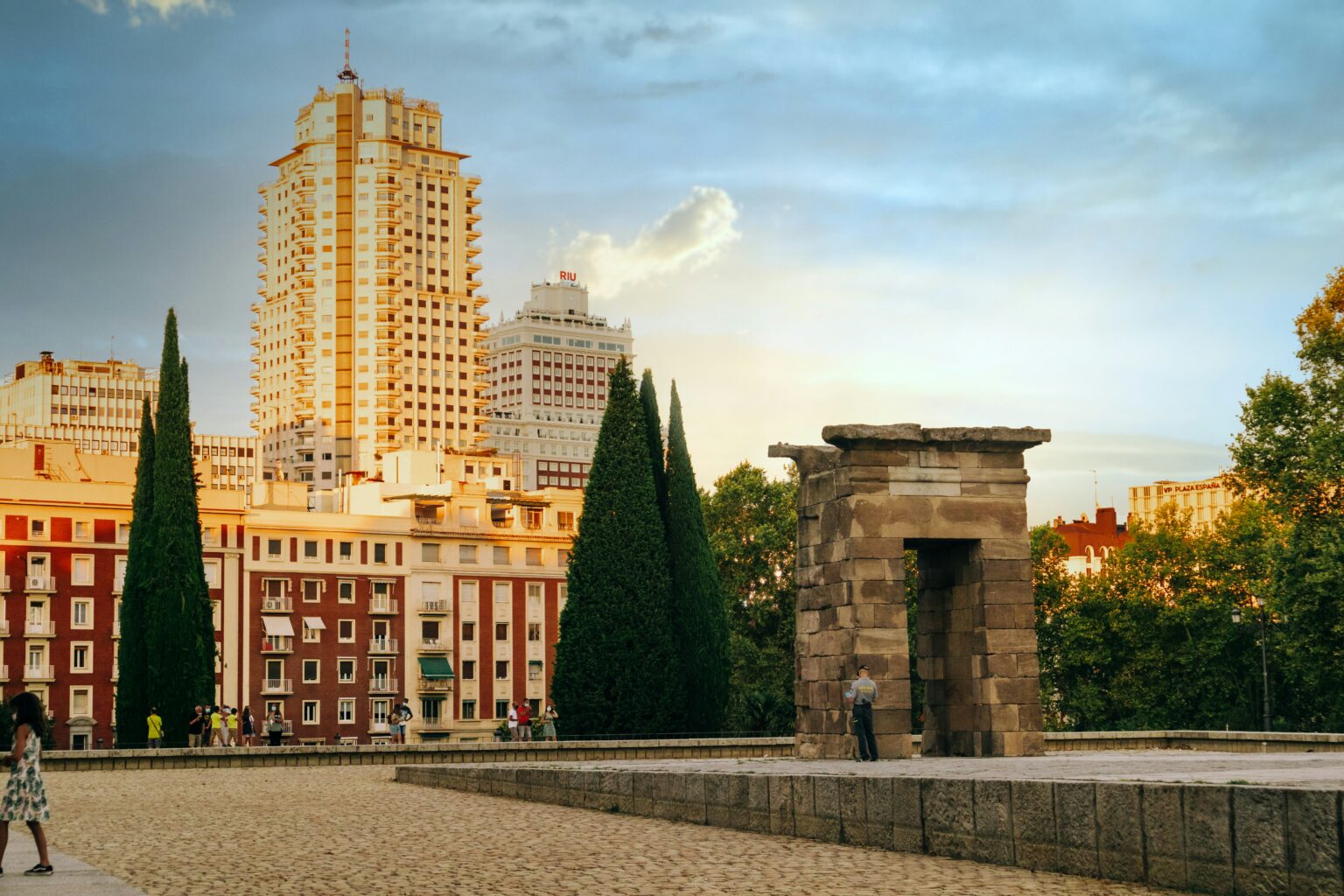

With one of Europe’s longest life expectancy, Madrile
Explore Spain’s masterpieces at the Prado and Royal Palace. Or take it easy in the city’s green heart, El Retiro, a Unesco-listed park full of spritzing fountains and classic gardens.
History
As Spain’s political, economic and cultural centre, Madrid has always attracted a diverse population. Its mix of cultures stretches back to the city’s origins, when it was called Mayrit and passed between Muslim and Christian hands several times. The Christian monarchs built sumptuous palaces and churches to show off their power and prestige. Yet the city’s lower classes lived in squalid conditions. One story goes that when a soldier reaching Magerit’s defences saw the Moorish banner, he climbed up the wall with great daring and ripped down the flag to replace it with the cross – thus earning the nickname el Gato (the cat).
Philip II moved his court here in 1561 from Toledo perhaps because of its central location, which put him far away from Spanish enemies. The city grew into a grand capital where the nobles, civil servants and writers tried to keep Spain as a World hegemon.
The aristocratic class changed the way they lived in the first half of the 19th century, influenced by artistic and literary movements with a French flavour. The Museum of Romanticism, housed in a magnificent 1776 palace, recreates rooms as they were to give an idea of the lifestyle.
In the second half of that century, political turmoil dominated. The first Spanish republic lasted just two years (1873-74) and several dictators came and went, including the long reign of Franco (who died in 1975). But the capital survived. Modern pressures have inhibited the extensive street life for which Madrid used to be famous, but it’s still a remarkably lively, happening place. The city is also home to many renowned art museums and theatres. In addition, the city offers a huge variety of tapas bars, dance shows, concerts, soccer matches and ethnic neighborhoods.
Festivals & Events
There’s no doubt that Madrid boasts a rich cultural heritage, a beautiful city centre, delicious food and some of the best live music in Europe. Festivals and events are a regular feature in the calendar. They are highly valued by locals and visitors alike as they offer the opportunity to take a break from daily troubles, get out of the house and celebrate.
Carnaval is a huge event that transforms the city into one giant party. It’s a time of dancing, drinking and dressing up. It takes place in February. It is a celebration of art and culture and a chance for many visitors to enter some of the city’s most famous museums.
The Suma Flamenca is a month-long festival of flamenco singing and dancing, and guitar playing. It is a world-class festival that showcases both up-and-coming and established artists. It has been running since 1984, originally inspired by the Festival d’Automne in Paris.
Corpus Christi is celebrated with big processions in the centre of the city and other nearby cathedral cities, such as Toledo. The celebrations are accompanied by an enormous feast.
A major religious holiday, this event is marked by a parade and a mass in the Basilica of Our Lady of the Angels (Basilica de la Madre de Dios). The procession ends at the Plaza Mayor where people can eat, drink and dance the night away.
The festival is a huge event that transforms the entire city centre into an impromptu theatre. The programme includes folkloric dancing, pop and classical music and zarzuelas, and there is open-air cinema in the Parque del Retiro.
Nightlife
Whether you love to dance, want to savor a cocktail or simply relax with a chilled beer, the city of Madrid offers you endless nightlife options. Dance clubs that don’t open until midnight, bars that draw you in with menus of spectacular cocktails and gorgeous food – you can find all this and more.
There are Flamenco dance clubs, raucous rock venues and hidden jazz hangouts, DJs spinning underground electronica, and casinos where you can game the night away. The city also has a vast range of places where you can just sit back and watch the world go by, lingering with a drink in one of the many squares, parks or terraces.
The Florida Retiro park is a good choice, as it’s open until late throughout the year (midnight in summer, 10pm in winter) and at this hour, you can see the city out and about: families with children running around the playgrounds, lovers sharing a kiss under the moonlight, joggers or dog walkers chatting, and even a group of dancers in their flamboyant costumes.
For something more electric, check out Kapital, a seven-floor megaclub that’s the high temple of hedonism in Madrid. Each floor blasts out a different musical style, from R&B and hip hop to house and Spanish disco. You can sip a cocktail, take in a film on the big screen, or screw up your courage and try some karaoke.
Another must-do is sampling tapas in a bar or restaurant and taking advantage of the thriving, authentic scene in the city’s historic neighborhoods. It’s a great opportunity to immerse yourself in the local culture, as people from all walks of life flock to these venues to enjoy a chat with friends and family over drinks like a glass of wine, sangria or a beer.
Shopping
Whether you’re looking to stock up on souvenirs or treat yourself to some new clothes, Madrid is the place for you. From tailored designer duds to funky vintage options, the city’s streets are packed with shopping opportunities that cater to every style and budget.
Those with a keen eye for design will love the array of high-end boutiques scattered throughout the Barrio Salamanca area. There, you’ll find stores like Bimba y Lola, a popular local womenswear brand with a sleek minimalist interior to match its contemporary designs. Similarly, upscale clothing shop Uno de 50 stocks feminine blouses, dresses, and accessories from renowned designers.
More familiar name brands are also easy to come by. A walk along Gran Via will reveal numerous outlets from the likes of Adidas, Nike, and New Balance. Fast-fashion chains like Zara and H&M have multiple storefronts on this street, and there’s even a Primark (one of the largest in Europe). El Corte Ingles department store is a must-visit for those who want to browse a wide range of products within one building.
Then there’s the flea market El Rastro, a true treasure trove where you can find anything from antiques and furniture to clothing and books. Just be aware that this popular destination is a prime spot for pickpockets, especially when it’s busy with tourists.
There are countless other shopping destinations in Madrid. In addition to a range of upscale boutiques, there are countless independent shops and chain supermarkets that offer the best in Spanish and international fashion. For instance, Mercadona has multiple locations where you can pick up everyday staples and grocery items at low prices. There are also a variety of luxury food halls where you can stock up on gourmet foods and gifts.
Restaurants & Bars
Madrid’s gastronomy scene is buzzing with options that run the gamut from blindingly creative to deeply traditional. Whether you prefer a relaxed tapas bar or one of the city’s Michelin-starred restaurants, Madrid has something for every palate and budget.
Visiting Spain without enjoying a mercado (market) is like visiting France and not eating a baguette—it’s a gastronomic sin. Plaza Mayor is the most touristy market in town but for a more authentic experience, head to Mercado de San Miguel. Here you’ll find a mix of locals leisurely sipping sherry and tucking into tapas such as grilled artichokes with mani, stewed pork cheeks, or toasted butter risotto with tuber aestivum.
Another mercado worth checking out is Mercado de Vallehermoso, known for its high-end tasting menu stall called Tripea. Its tagline is “come y flipa”—come and eat and leave stuffed—and it’s a true one-of-a-kind culinary experience. You’ll sit at a table that overlooks the bustling market, watching people bargain for artisanal produce, families scoop up ice cream, and students sip beer as you savor grilled artichokes with manchego, fried quail eggs, and pork cheeks stewed in laurel leaves.
Also in the barrio is Montia, which earned its Michelin star after an extensive renovation. The new space is Nordic-inspired, but the original flare remains—in dishes like foie mousse stuffed in dates and figs, trout with Peguerinos beans, and aromatic herbs picked right on site. It also boasts a natural wine cellar and an incredible vegetable garden. There’s a cozy feel and the servers are friendly and warm, which add to the experience.
Trip-ready gear from Amazon
As an Amazon Associate, grandgo.com earns from qualifying purchases. Links below are affiliate links — clicking them may earn us a small commission at no extra cost to you. Prices and availability are shown on Amazon.co.uk.
- Spanish phrasebook Berlitz — Essential Spanish for travel.
- Reef-safe sunscreen SPF 50 — Costa del Sol + Ibiza.
- Sun hat wide-brim women men — Andalusian summer necessity.