


, Janteloven (no-one is special), Viking heritage, modern oil wealth, hytte cabin tradition, royal family. Complete guide.)
Quick Answer
Norwegian culture is shaped by Viking heritage (793-1066), 400 years under Denmark (1380-1814), independence (1905), oil wealth post-1969 (Norway now world’s wealthiest country per capita with $1.7 trillion sovereign wealth fund). Population: 5.5 million in 385,000 km² — Europe’s most sparsely populated country. Cultural pillars: 1. Friluftsliv (“open-air life”) (untranslatable — outdoor life as cultural cornerstone — hiking, skiing, fishing, swimming year-round), 2. Janteloven (Law of Jante — no one is special, community over individual, rejection of bragging — same as Denmark), 3. Hytte (remote cabin tradition — every Norwegian has access to a hytte for weekend escapes), 4. Sustainability + environmentalism (electric cars 80%+ of new sales, recycling extensive), 5. Egalitarian welfare state (highest per-capita government spending world, free healthcare + education), 6. Norse mythology (Odin, Thor, Loki — modern Norwegian + Marvel popularization). Languages: Norwegian (Bokmål + Nynorsk), Sami. English universal — 90%+ Norwegians fluent. Religion: 70% Lutheran (declining). Royal family: King Harald V + Queen Sonja + Crown Prince Haakon. Currency: Norwegian krone (NOK).
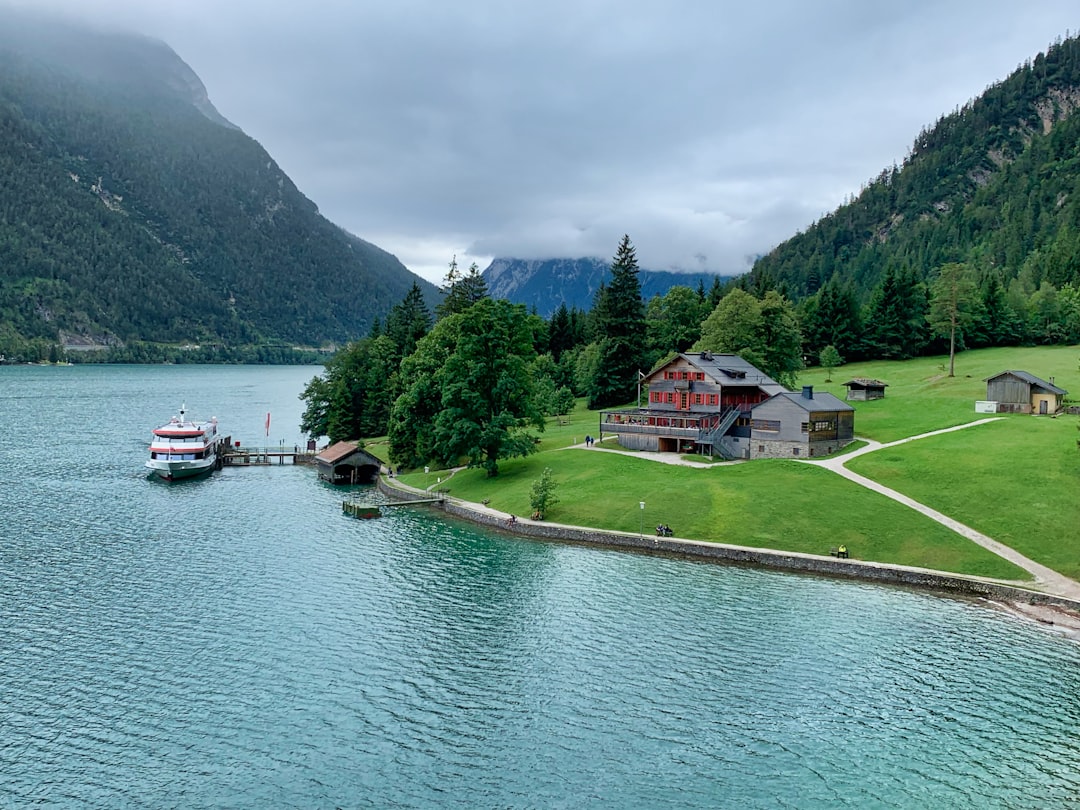
Friluftsliv — open-air life
- Definition: “open-air life” — coined by playwright Henrik Ibsen 1859. Meaning untranslatable.
- Beyond just being outdoors: communing with nature, restoration, simple living, Norwegian identity.
- National constitution recognizes: right to roam (Allemannsretten) — anyone can hike + camp on uncultivated land freely.
- Practiced year-round: Norwegians don’t avoid winter — they embrace it. “There is no bad weather, only bad clothing.”
- Activities: hiking (turgåing), skiing (born in Norway 4,000+ years ago), fishing, foraging mushrooms + berries, swimming year-round, hut-to-hut hiking.
- Children outdoors: Norwegian children spend more time outside than any peers. Forest kindergartens (utebarnehage) common.
- Allemannsretten (right to roam): 150-year-old codified right. Camp anywhere outside cultivated areas, 150m+ from buildings. Pick berries + mushrooms freely.
- Hut-to-hut hiking (Hytte til hytte): DNT (Norwegian Trekking Association) maintains 550 cabins. 100,000+ members.
- Compare to Danish hygge: hygge is indoor cozy. Friluftsliv is outdoor + active. Both contribute to happiness.
Janteloven — no one is special
- Origin: Aksel Sandemose’s 1933 Norwegian-Danish novel “A Fugitive Crosses His Tracks.” Set in fictional town Jante.
- 10 rules essence: “You are not special. You are not better than us. You shouldn’t think anyone cares about you. You shouldn’t think you are smart…”
- Cultural impact: rejection of individualism. Community + equality + humility.
- Modern Norway: CEOs ride bikes, royals shop normally, bragging is taboo.
- Tall poppy syndrome: similar concepts in Sweden + Denmark. Scandinavian collective.
- Effects on visitors: Norwegians seem reserved. NOT unfriendly — just don’t show off.
- Critics argue: Janteloven inhibits ambition + entrepreneurship.
- Norway’s wealth: oil discovery 1969 challenged Janteloven. Government prudently invested in sovereign fund.
- Government Pension Fund Global: $1.7 trillion. Owns 1.4% of all listed companies worldwide.
Hytte — cabin tradition
- Hytte: remote cabin in mountains, forest, or by sea. Iconic Norwegian getaway.
- ~500,000 cabins: for 5.5M population. 1 in 11 Norwegians own one. Many family-owned across generations.
- Hytte culture: weekend retreats, summer holidays, Easter ski trips. Cabins range from rustic (no electricity, no plumbing) to luxury.
- Påsketur (Easter cabin trip): tradition of skiing + reading detective novels + eating oranges.
- Allemannsretten + DNT: public access to mountain cabins. 550+ DNT cabins available to members + non-members.
- Self-service cabins: bring your own food + sleeping bag. Find key + sign in.
- Famous routes: Hardangervidda hike, Jotunheimen Galdhøpiggen, Lofoten hut-to-hut.
- Modern hytte: luxury cabin trend — wood-fired hot tubs, glass walls, Architecture+Design winners. Expensive (€500K-2M).
- Hytte in literature: Knut Hamsun, Henrik Ibsen wrote at remote cabins.
Viking heritage
- Viking Age (793-1066): Norwegian Vikings raided + settled England, France, Iceland, Greenland, Vinland (North America).
- Leif Erikson: Norwegian-born — founded Vinland (Newfoundland) c. 1000 AD. 500 years before Columbus.
- Snorri Sturluson Sagas (13th c. Iceland): wrote down Norwegian Viking + Norse mythology. Heimskringla = Kings of Norway saga.
- Norse mythology: Odin (chief god), Thor (thunder), Loki (trickster), Freya (love), Ragnarök (end of world). Source of Marvel comics.
- Christianization 1030 AD: Olaf Haraldsson (St. Olav). Stave churches built — only 28 survive worldwide (almost all in Norway).
- Stave churches: Borgund (best-preserved), Urnes (UNESCO 1979), Heddal (largest), Eidsborg.
- Viking museum: Oslo’s Viking Ship Museum reopens 2026 as Museum of Viking Age. Oseberg + Gokstad ships.
- Vikings TV: popularized Norwegian Viking heritage globally. Filmed Ireland but story Norwegian.
- Modern Norse paganism: Forn Sed Norge — recognized religion since 1996. 1,000 members.
Norwegian language + literature
- Two written forms: Bokmål (90% used — Danish-influenced) + Nynorsk (10% — based on rural dialects).
- Both official: all government documents in both. Schools teach both.
- Spoken Norwegian: 4-5 dialect groups. Wide variety. Bergen + Trondheim + Oslo + North dialects very different.
- Sami language: indigenous. 30,000 speakers. Co-official in Sami municipalities (Finnmark + parts of Troms + Nordland).
- Literature giants: Henrik Ibsen (1828-1906 — playwright “A Doll’s House”), Bjørnstjerne Bjørnson (Nobel Lit 1903), Knut Hamsun (Nobel Lit 1920 — “Hunger”), Jo Nesbø (modern crime fiction).
- Karl Ove Knausgård: “My Struggle” 6-volume autobiographical novel. Norwegian literary phenomenon.
- Try saying: “Hei” or “Hallo” (hello). “Tusen takk” (thanks a thousand). “Ha det” (goodbye — “it’s been”). Norwegians very forgiving of foreigners trying.
- English universal: 90%+ fluent. Don’t need to learn Norwegian.
Norwegian food + traditions
- Salmon: world’s largest farmed salmon producer. Smoked + grilled + sushi everywhere.
- Reker (shrimp): peel-and-eat on dark rye bread.
- Brunost (brown cheese): caramelized whey cheese. Iconic. With waffles + bread.
- Pølser: Norwegian hot dogs. Lompe (potato wraps) optional. From 7-Eleven.
- Lutefisk: dried fish soaked in lye. Christmas tradition. Acquired taste.
- Fårikål: mutton + cabbage stew. National dish (October).
- Kjøttkaker: Norwegian meatballs (different from Swedish — bigger).
- Lefse: potato flatbread.
- Rakfisk: fermented trout. Strong smell. Acquired taste.
- Aquavit: caraway-flavored spirit. Linje aquavit traditionally crosses equator.
- Coffee culture: highest per-capita consumption world. Tim Wendelboe (Oslo third-wave roaster).
- Christmas (Jul): central holiday. Lutefisk + ribbe (pork ribs) + julegrøt (rice porridge). Christmas Eve December 24 main celebration.
- Constitution Day (Syttende Mai — May 17): 1814 constitution. Children’s parades + bunad (folk costume).
- Sankt Hans (Sankthansaften — June 23): midsummer. Bonfires.
Modern Norway — wealth + sustainability
- Oil discovery 1969: Ekofisk field. Transformed economy.
- Government Pension Fund Global ($1.7T): world’s largest sovereign wealth fund. Owns 1.4% of all listed companies worldwide.
- Wealthiest country per capita: $84K GDP per capita 2024.
- Electric cars: 80%+ of new car sales electric (highest worldwide). Goal: 100% by 2025.
- Renewable energy: 98% from hydropower (highest among major countries).
- EV incentives: no VAT, free toll roads, free public charging, bus lanes for EVs (some).
- Sustainability culture: recycling extensive. Bottle deposit (Pant) €0.20-0.30 per bottle. Norway’s pant scheme returns 92% of bottles.
- Worker rights: 5 weeks legal vacation. 13-month parental leave. 8-hour day cap.
- Royal family: King Harald V (since 1991) + Queen Sonja. Crown Prince Haakon + Crown Princess Mette-Marit (commoner). Princess Märtha Louise + Princess Ingrid Alexandra.
- Politics: stable. Center-left + center-right alternating. Petroleum policy debated.
- Compulsory military service: for both genders since 2015 (first NATO country).
Cultural awareness for visitors
- Reservedness: Norwegians can seem cold. Not unfriendly — just respect personal space. Janteloven inhibits initiating conversation with strangers.
- Punctuality: show up on time. Late = rude.
- Trust + honesty: Norwegians value directness. Small talk minimal.
- “Skål” (cheers): make eye contact, drink, eye contact again. Important.
- Drinking culture: alcohol expensive (state monopoly Vinmonopolet). Norwegians binge-drink weekends — typical Friday “vorspiel” (pre-game).
- Tipping: service included. Round up if appreciated.
- Quiet hours: noise restrictions Sunday + 11pm-7am weekdays.
- Footwear: remove shoes when entering Norwegian homes.
- Sauna culture: common in cabins + sports clubs. Mixed-gender often (with swimwear).
- Friluftsliv participation: embrace outdoors. Don’t expect grand parties — small gatherings + cabin trips.
- Recycling + bottle deposit: sort bins. Pant €0.20-0.30 per bottle. Norwegians return 92%.
Frequently Asked Questions
What is friluftsliv?
Untranslatable Norwegian — ‘open-air life.’ Coined 1859 by Henrik Ibsen. Beyond outdoors — communing with nature, restoration, simple living. Practiced year-round (Norwegians embrace winter). Right to roam (Allemannsretten) constitutionally guaranteed.
Norwegian cultural differences vs Swedish/Danish?
Similar Nordic foundation but distinct. Norwegians: most outdoorsy + rural-oriented + wealthier (oil), more cabin-loving (hytte). Swedes: most formal + reserved (lagom = balance). Danes: most outgoing + relaxed + drink most. Shared Janteloven.
Is Norway expensive culturally?
Yes — wealthiest country per capita. €150-300/day mid-range. Hotels €200-400/night. But: free Vigeland Park, free entry to nature, hotel breakfast big, supermarket lunches, Vinmonopolet (state alcohol cheaper than restaurants).
Why are Norwegians so reserved?
Janteloven (community over individual) + Lutheran reserve + respect for personal space. NOT unfriendly — Norwegians warm up after introduction. Drinking culture (Friday ‘vorspiel’ pre-game) shows their fun side. Don’t mistake reserve for coldness.
Famous Norwegians?
Henrik Ibsen (playwright). Knut Hamsun (Nobel Lit 1920). Edvard Munch (painter — ‘The Scream’). Roald Amundsen (first to South Pole). Erna Solberg (former PM). Magnus Carlsen (chess world champion). Kygo + a-ha (musicians).
Norwegian weather + fashion?
Cold most of year — layers + waterproof essential. ‘No bad weather, only bad clothing.’ Wool layer + fleece + waterproof shell. Bring hat + gloves even summer. Norwegians dress for outdoors — practical over fashion.
Recommended on Amazon
As an Amazon Associate, grandgo.com earns from qualifying purchases. Links below are affiliate links — clicking them may earn us a small commission at no extra cost to you. Prices and availability are shown on Amazon.co.uk.
- Lonely Planet Norway — comprehensive guide.
- Norwegian phrasebook — travel essentials.
- Wool layer base — Norwegian outdoor essential.