


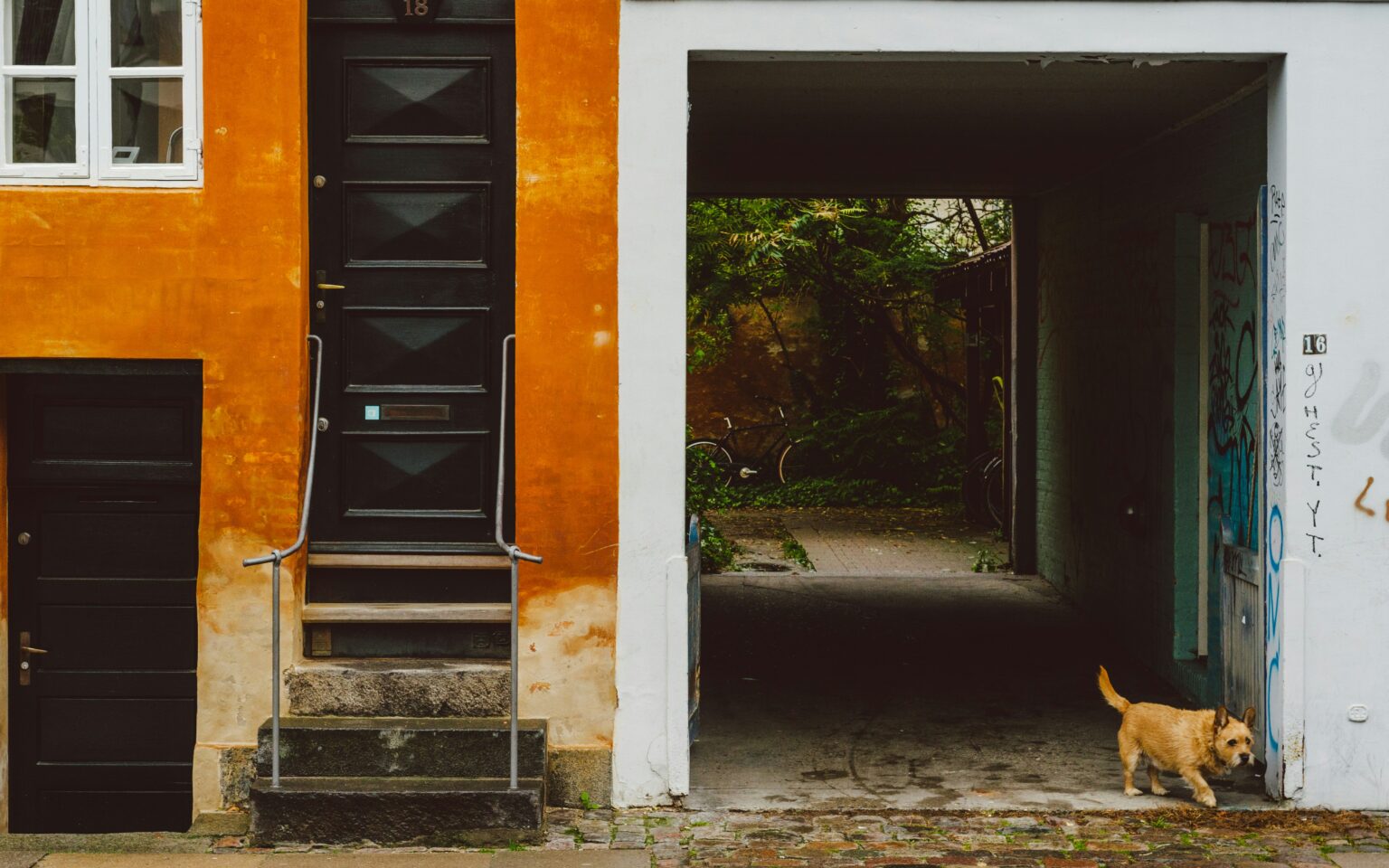
, Viking heritage, design icons, smørrebrød + pastries, royal family, happiness.)
Quick Answer
Danish culture is shaped by 1,200 years of monarchy (oldest in Europe), Viking heritage, Lutheranism, social welfare state, and unique concepts like hygge (cozy comfort) and Janteloven (Law of Jante — no one is special). 5.9 million Danes in Denmark + diaspora 1.5M. Consistently top 3 happiest countries world. Cultural pillars: 1. Hygge (cozy moments + togetherness — candles, blankets, hot drinks, warm conversation), 2. Janteloven (10 rules from Aksel Sandemose’s 1933 novel — community over individual, rejection of bragging), 3. Welfare state (50%+ taxes + universal healthcare + free education + generous parental leave), 4. Bicycle culture (62% Copenhageners commute by bike — most in any major city), 5. Design icons (Arne Jacobsen Egg Chair, Hans Wegner Wishbone Chair, Poul Henningsen lamps, LEGO 1949), 6. Smørrebrød + Danish pastries (open-faced sandwiches + wienerbrød). Royal family: King Frederik X (since 2024) + Queen Mary (Australian-born). Languages: Danish, Faroese (Faroe Islands), Greenlandic (Greenland). Famous Danes: Hans Christian Andersen, Søren Kierkegaard, Niels Bohr, Lars von Trier, Mads Mikkelsen.
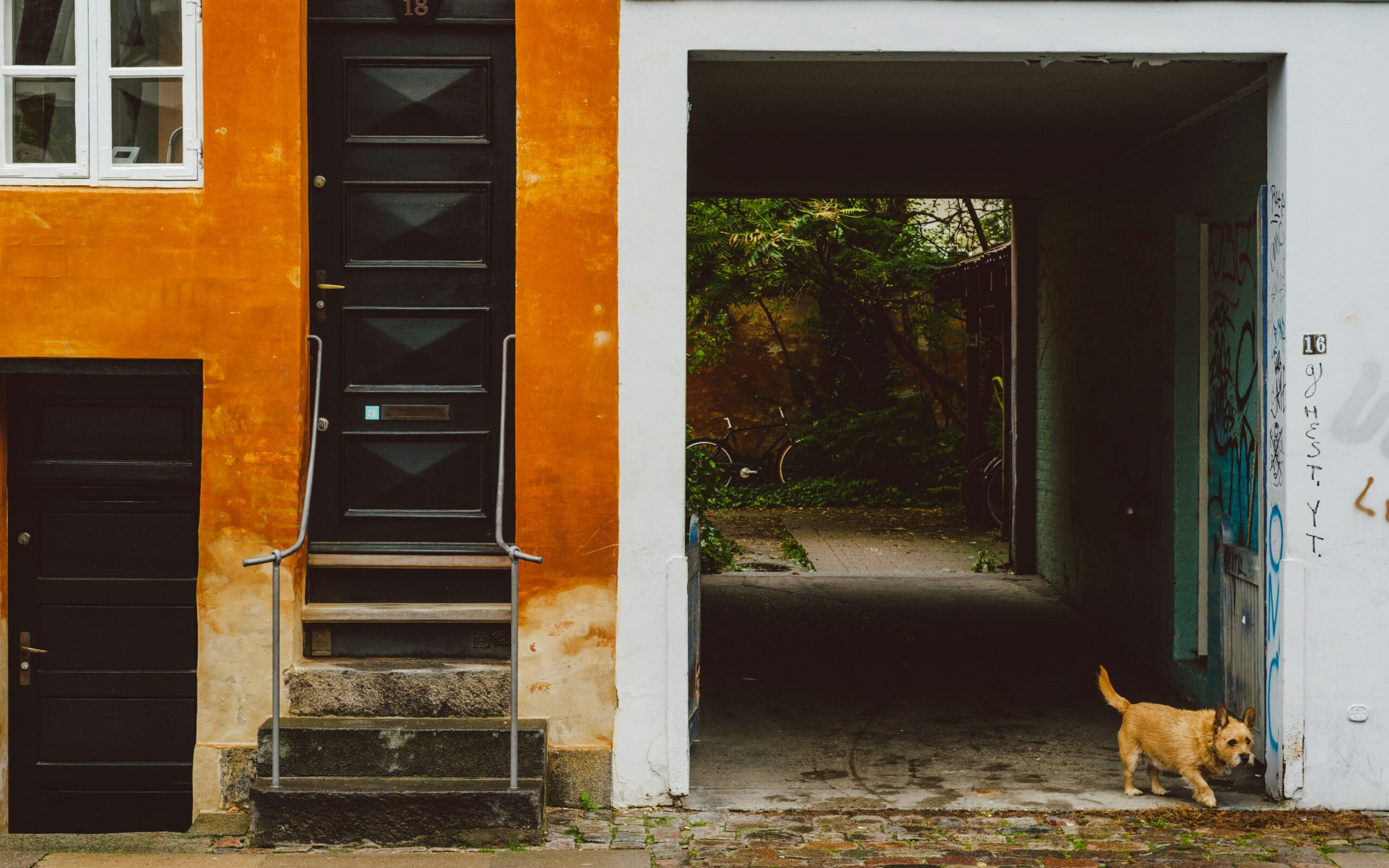
Hygge — cornerstone of Danish life
- Pronunciation: “hue-gah.” Untranslatable Danish concept.
- Definition: cozy comfort + simple pleasures + togetherness. Beats translation.
- Practical hygge: candles (Danes burn most candles per capita worldwide), blankets, hot drinks, warm conversation, soft lighting (no overhead fluorescent), comfort food.
- Hygge moments: autumn-winter cafés with candles, family Christmas dinner (Julefrokost), summer beach picnic with friends, watching rain through window.
- Hygge architecture: low-hanging pendant lamps, warm wood, soft textiles. Danish design embodies hygge.
- Why important now: Danish “happiness paradox” — top 3 happiest despite cold + dark winters. Hygge plus social welfare + work-life balance + bicycle culture.
- Hygge does NOT mean: spa luxuries, social media curation, “self-care” trends. It’s about presence + simplicity.
- 2016-2018 hygge global craze: books + lifestyle marketing. Real Danes find this amusing.
Janteloven — the Law of Jante
- Origin: Aksel Sandemose’s 1933 novel “A Fugitive Crosses His Tracks” set in fictional town Jante.
- 10 rules (essence): “You are not special. You are not better than us. You shouldn’t think you are smart. You shouldn’t laugh at us. You shouldn’t think anyone cares about you. You shouldn’t think you can teach us anything. You shouldn’t get angry. You shouldn’t think you know more than us. You shouldn’t think you are good at anything. You shouldn’t think we know nothing about you.”
- Cultural impact: rejection of individualism. Community + equality + humility valued.
- Modern Denmark: Janteloven still influences. CEOs ride bikes. Royals shop at IKEA. Bragging is taboo.
- Tall poppy syndrome: similar concepts in Sweden + Norway. Scandinavian collective.
- Effects on visitors: Danes seem reserved + quiet. NOT unfriendly — just don’t show off. Compliments accepted humbly.
- Critics argue: Janteloven inhibits ambition + entrepreneurship. Some young Danes pushing back.
- Combined with hygge: creates communal cozy society where everyone feels included.
Welfare state + work-life balance
- Tax rate: 35-55% income tax. Plus 25% VAT. Total 50%+ for most workers.
- Free healthcare: universal. Excellent quality.
- Free education: primary through PhD for Danish citizens + EU students. Stipend (SU) for students €700/month.
- Generous parental leave: 52 weeks paid total. Mother 18 weeks + father 24 (since 2022) + 10 weeks shared.
- Long vacation: 5 weeks legal minimum + bank holidays.
- Work week: 37 hours legal. Most Danes finish 4-5pm.
- Flexicurity: easy to fire + easy to re-hire + strong unemployment benefits. Danish model emulated.
- Trust in government: highest in world. Low corruption.
- Social cohesion: low income inequality (Gini 0.27 — lowest in EU).
- Trade-off: high taxes for security. Most Danes accept this trade.
Viking heritage + history
- Viking Age (793-1066): Danes raided + settled England, France, Russia, North America (Vinland). Defined Northern Europe.
- Christianization 965 AD: King Harald Bluetooth converted. Jelling Stones (UNESCO) “Denmark’s birth certificate.”
- Old Danish Empire: at peak (1397-1523) included Norway, Sweden, Iceland, Greenland, Faroes. Kalmar Union.
- Viking Ship Museum (Roskilde): 5 ships sunk 1070 — recovered 1962. €17.
- National Museum Copenhagen: world’s best Viking artifacts. Free.
- Trelleborg fortress: 980 AD reconstructed. Symmetrical Viking ring fortress.
- Bluetooth technology: named after King Harald Bluetooth (united Denmark + Norway = uniting devices).
- Long monarchy: Gorm the Old (~900 AD) → King Frederik X (2024). Oldest reigning monarchy in Europe.
- Royal family today: Frederik X + Queen Mary (Australian-born). Crown Prince Christian. Modest by royal standards.
Danish design + LEGO
- Functionalism: 1930s-1960s movement. Form follows function. Clean lines.
- Arne Jacobsen (1902-1971): architect + designer. Egg Chair (1958), Swan Chair, AJ lamps.
- Hans Wegner (1914-2007): “master of the chair.” Wishbone Chair (1949), Round Chair (used in Kennedy-Nixon TV debate).
- Poul Henningsen: PH lamps with multi-shaded design. Eliminated direct light.
- Verner Panton: psychedelic colourful designs. Panton Chair (1960).
- Borge Mogensen: functional furniture for working class.
- Designmuseum Danmark (Copenhagen): Danish design history. €11. Iconic chairs gallery.
- LEGO: founded Billund 1949 by Ole Kirk Christiansen. Name from “leg godt” (play well). Plastic brick 1958. Most-loved toy worldwide.
- Legoland Billund: theme park 1968. Original.
- Royal Copenhagen: 1775 porcelain. Iconic blue + white.
- Bang & Olufsen: luxury electronics. Danish minimalism.
Danish food
- Smørrebrød: open-faced sandwiches. 1-2 cm dark rye bread + topping (smoked salmon, herring, beef tartare, egg + shrimp, liver pâté). Lunch tradition. Best at Schønnemann (since 1877).
- Frikadeller: Danish meatballs. Fried in butter. With potatoes + cabbage.
- Stegt flæsk med persillesovs: “national dish” (referendum 2014). Crispy fried pork belly with parsley sauce + potatoes.
- Pickled herring (sild): Christmas + Easter staple. Various flavors — curry, mustard, glasmestersild.
- Danish pastry (wienerbrød): “Vienna bread” called Danish abroad. Cardamom + almond + custard. Lagkagehuset, Sankt Peders Bageri.
- Æbleskiver: spherical pancakes. Christmas treat. With jam + powdered sugar.
- Rugbrød: dense dark rye bread. Foundation of smørrebrød.
- Hot dogs (pølser): Danish tradition. From street pølsevogns. Try medium røde (red) sausage with crisp onion + pickles + remoulade.
- Salty licorice (saltlakrids): Scandinavian acquired taste. 30+ Danish brands.
- New Nordic: Noma (René Redzepi 5x World’s Best). Geranium 3-Michelin. Foraging + local + minimal.
Beverages + festivals
- Carlsberg + Tuborg: Danish beer giants. Carlsberg Glyptotek free art museum funded by brewery.
- Mikkeller: Danish craft brewery icon. Multiple Copenhagen taprooms.
- Akvavit (snaps): caraway-flavored spirit. Aalborg Akvavit oldest (since 1846). Drink ice-cold straight.
- Coffee culture: Danes drink most coffee per capita with Finland. Strong dark roasts.
- Christmas (Jul): central holiday. Gløgg (mulled wine), Ris à l’amande (rice pudding), Æbleskiver, smoked salmon. December 24 main celebration.
- Constitution Day (June 5): only national day-celebration. Speeches + flag-flying.
- Sankt Hans (June 23): Saint John’s Eve. Bonfires on beaches. Witch effigy burned.
- Roskilde Festival (late June-early July): Northern Europe’s biggest music festival. 130,000+ attendees. Non-profit.
- Copenhagen Pride (August): third-largest Scandinavian Pride.
- Christmas markets: Tivoli December magical. Nyhavn, Radhuspladsen.
Cultural awareness for visitors
- Reservedness: Danes can seem cold. Not unfriendly — just respect personal space. Janteloven inhibits initiating conversation.
- Punctuality: show up on time. Late = rude.
- Trust + honesty: Danes value directness. Small talk minimal.
- Bicycles: respect bike lanes when walking. Don’t stand in bike lanes.
- No tipping required: service included. Round up if appreciated.
- “Tak” (thank you): use frequently. “Tak for sidst” (thanks for last time you met).
- Drinking: Danes drink + are friendly when drinking. Friday afternoons casual workplace drinking (“fredagsbar”).
- Sunday slowdown: shops closed Sundays (limited exceptions). Quiet hours 8pm-7am weekdays.
- Recycling + bottle deposit: sort bins. Bottles return €0.13-0.40 each.
- Hygge participation: embrace candles + cozy moments. Don’t expect grand parties — small gatherings.
- Gender equality: Denmark high — equal pay, parental leave, women in workforce.
Practical info
- Population: 5.9 million Denmark + Greenland 56,000 + Faroe Islands 53,000.
- Languages: Danish official. Faroese + Greenlandic regional. English universal — 95%+ Danes fluent.
- Currency: Danish krone (DKK). NOT Euro. €1=7.5 DKK approximately.
- Religion: 75% Lutheran. Sundays quiet — but church attendance among lowest in world.
- Constitutional monarchy: King Frederik X + Queen Mary.
- EU member: Denmark since 1973. NOT in Eurozone (kept own currency).
- Visa: Schengen 90 days for visa-free nationals.
- Driving: right side. Excellent infrastructure.
- Public transport: excellent. Copenhagen Metro 24/7.
- Best time to experience culture: December for Jul + hygge. June 23 Sankt Hans bonfires. June Constitution Day. Roskilde Festival late June-July.
Frequently Asked Questions
What is hygge?
Untranslatable Danish concept of cozy comfort + togetherness + simple pleasures. Candles (Danes burn most candles per capita), blankets, warm drinks, friends, soft lighting. Cultural cornerstone explaining Danish happiness despite cold + dark winters.
What is Janteloven?
Law of Jante — 10 rules from Aksel Sandemose’s 1933 novel. Essence: ‘no one is special; community over individual; rejection of bragging.’ Modern Denmark CEOs ride bikes, royals shop at IKEA. Outsiders find Danish reservedness rooted here.
Are Danes really happiest?
Consistently top 3 World Happiness Report. Reasons: hygge + welfare state + bicycle culture + low income inequality + work-life balance + trust in institutions + 5 weeks vacation + universal healthcare + free education. Trade-off: 50%+ taxes.
Danish vs Swedish vs Norwegian culture?
Similar Nordic foundation but distinct. Danes: most outgoing + relaxed + drink most. Swedes: more formal + reserved (lagom = balance). Norwegians: most rural + outdoorsy + wealthier (oil). All share Janteloven + hygge equivalents.
Why are Danes so quiet?
Janteloven (community over individual) + Lutheran reserve + respect for personal space. NOT unfriendly — Danes warm up after introduction. Friday afternoon ‘fredagsbar’ workplace drinking shows their fun side. Don’t mistake reserve for coldness.
Famous Danes?
Hans Christian Andersen (fairy tales — Little Mermaid, Ugly Duckling). Søren Kierkegaard (existentialism). Niels Bohr (atom Nobel). LEGO + Carlsberg + Bang & Olufsen + Pandora + Vestas (wind turbines). Mads Mikkelsen (actor). King Frederik X.
Recommended on Amazon
As an Amazon Associate, grandgo.com earns from qualifying purchases. Links below are affiliate links — clicking them may earn us a small commission at no extra cost to you. Prices and availability are shown on Amazon.co.uk.
- Lonely Planet Denmark — comprehensive guide.
- Hygge book — Danish coziness manual.
- Danish design book — Jacobsen Wegner Henningsen.