


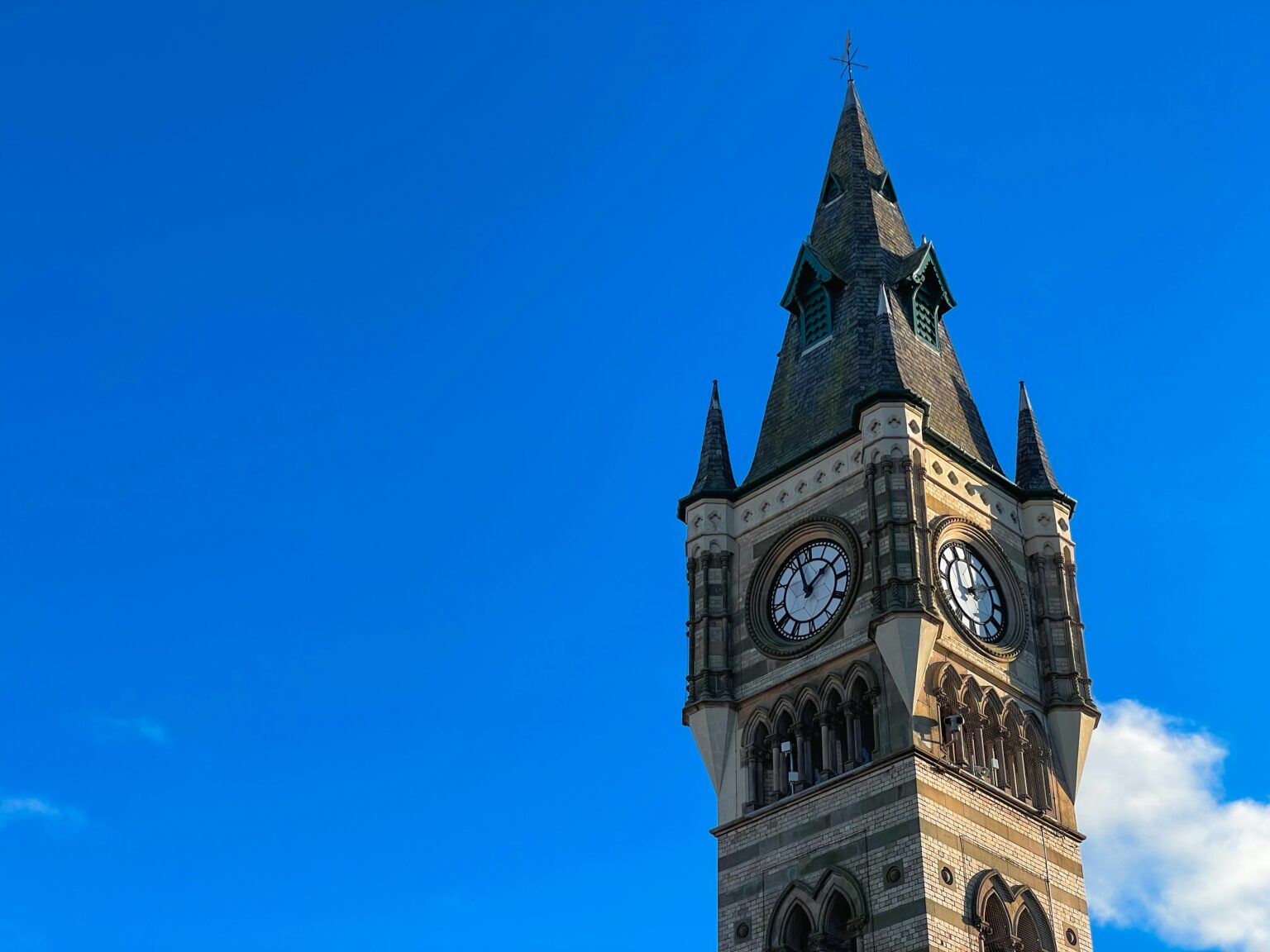

At the International Meridian Conference held in 1884, Greenwich Mean Time – named for the Greenwich Borough where the Royal Observatory is situated – was chosen as an internationally accepted time standard based on 0 degrees longitude as determined by the prime meridian.
England observes British Summer Time (BST), an internationally popular adjustment that sees clocks moving forward or backward on an annual schedule each spring and autumn.
Greenwich Mean Time (GMT)
Royal Observatory Greenwich is home to Greenwich Mean Time (GMT) and its historic Prime Meridian line, as well as world-class museums that highlight scientific history, maritime heritage and world-class exhibits. Discover how GMT helped shape our global time system today – as well as see the historic clocks which set UK standard time – as you discover this wonderful venue brimming with scientific history, maritime heritage and world-class exhibits.
Before 1884, most countries utilized local solar time that varied considerably based on location; there were no global conventions that dictated how long a day or an hour should last. With technological progress and industrialisation came an increased need for global time standards that would eventually come about as part of globalisation efforts.
Establishment of the Prime Meridian at Greenwich in 1884 represented a critical milestone. This international reference point became used for measuring terrestrial longitudes and for calculating time zones around the globe.
An international conference of astronomers made this decision at a meeting held in Greenwich. Astronomers agreed upon designating the line passing through the Old Royal Observatory’s main transit instrument as the Prime Meridian of the World; every 15 degrees westward of this meridian represents one hour difference in GMT time zones.
At this point, the astronomical convention of numbering hours began to replace the civil one which had been employed since Ptolemy. This change required subtracting one full hour from calculations based on noon; not everyone embraced this transition immediately, though over time most did agree to its adoption.
In the 19th century, railways propelled widespread acceptance of GMT as an industry standard time standard. Railway staff could easily communicate between themselves using GMT as their time standard of reference and passengers traveling towards similar destinations could stay informed as to their position in the country.
Today, most of the United Kingdom employs GMT year-round with exception to two dates each year: last Sunday of March and last Sunday of October when British Summer Time takes effect for one hour ahead. Britain was amongst the first group of European countries to adopt this system of daylight saving which begins at 1am on last Sunday in March and ends two hours later on last Sunday in October.
British Summer Time (BST)
As part of British Summer Time (BST), clocks are advanced an hour during summer months from 1am on the last Sunday in March until 2am on the final Sunday in October, starting on the last Sunday. This adjustment allows more efficient use of daylight; additionally it means sunrise and sunset occur an hour later than they would under regular timekeeping conditions.
William Willett from Kent first proposed changing clocks during summer by publishing a pamphlet in 1907 which advocated saving energy by moving clocks ahead by one hour in spring and back again in autumn. Unfortunately, Willett died of influenza before seeing his proposal come into law, but in his honour there is now a memorial sundial located near Petts Wood to commemorate his work.
Supporters of changing to permanent Daylight Saving Time say it would save energy while preventing an hour’s loss of sleep. Furthermore, lighter evenings will encourage people to spend more time outdoors while simultaneously decreasing energy usage as more people turn on lights briefly in the morning and switch them back off again before continuing with their day.
Opponents of the move argue that it would lead to darker winter mornings and make it more challenging for children to walk to school in the dark. Furthermore, this change would make it more challenging for farmers to evacuate livestock from barns at nighttime and disrupt business and travel – particularly within aviation where flight schedules change throughout the year.
Politicians and campaign groups such as RoSPA (the Royal Society for the Prevention of Accidents) and environmental group 10:10 have proposed moving to British Summer Time permanently. A three year trial took place from 1968-1971 during which Britain stayed on GMT+1 all year, but the government ultimately decided that continuous summer time would bring too many disadvantages; hence its decision to switch back at the conclusion of this period.
British Standard Time (BST)
British Standard Time, more commonly referred to by its acronym BST, is the time zone in England and most of the United Kingdom that runs an hour ahead of Coordinated Universal Time (UTC), or GMT+01:00. Clocks in Britain move one hour forward during Daylight Saving Time period from March until October and then back one hour in winter; eventually returning the country back to GMT+01:00 timezone.
The transition between British Summer Time (BST) and Greenwich Mean Time (GMT) has long been the subject of heated discussion, with both camps offering their opinions. Studies have suggested that BST/GMT switching can cause people to become more fatigued than otherwise, while others maintain that extra daylight in evening hours allows people to engage in outdoor activities or meet with friends more easily.
Some countries have experimented with discontinuing BST altogether. The Royal Society for the Prevention of Accidents is still advocating year-round BST as it would improve road safety by decreasing accidents caused by people driving at night.
No matter the controversy, most Brits appear to support keeping British Summer Time (BST). A 2015 YouGov poll found that 40% wanted to stop it while 33% supported continuing as is; others were either neutral or uncertain about their position.
Transitioning between BST and GMT can cause disruptions to students’ sleep patterns, which in turn disrupt their concentration and alertness in class. Furthermore, this change may alter students’ energy levels which could contribute to decreased academic performance. Luckily, there are ways that can help students cope with these issues and get rest; here are some tips that make transitioning between BST and GMT as seamless as possible for students.
Trip-ready gear from Amazon
As an Amazon Associate, grandgo.com earns from qualifying purchases. Links below are affiliate links — clicking them may earn us a small commission at no extra cost to you. Prices and availability are shown on Amazon.co.uk.
- Compact folding umbrella — Necessary British Isles.
- Oyster card travel pouch — London Underground essential.
- Walking shoes waterproof Gore-Tex — Countryside walking.