


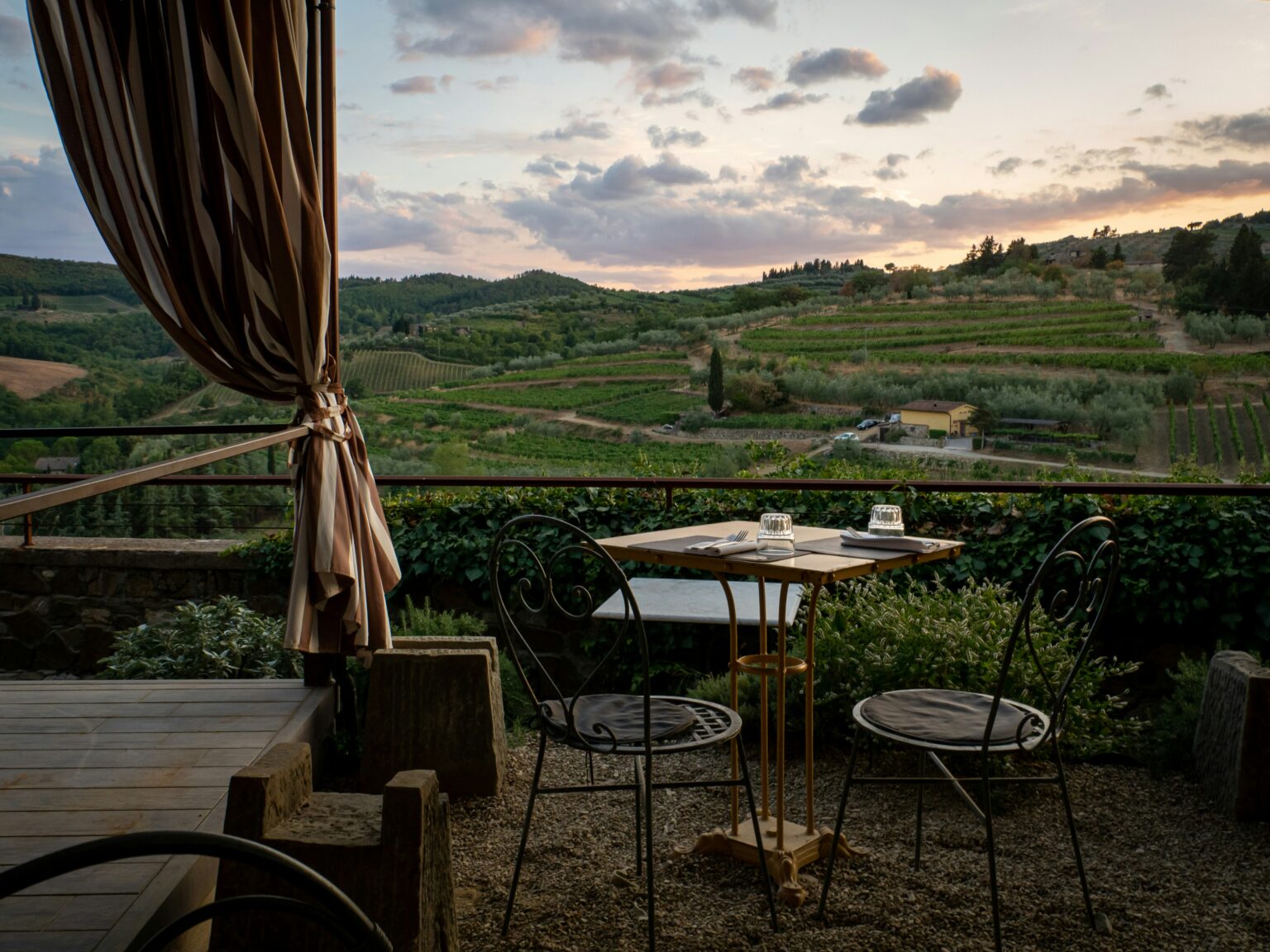

Tuscany conjures images of village Italy, complete with manicured fields, rustic farms and cypress-lined driveways. Additionally, this region provides sandy beaches as well as an expansive selection of wine and cuisine.
Each Tuscan town holds something special to discover; whether it be ancient frescoes in palazzi, the thrilling biannual Palio horse racing festival in Siena or other events that make their presence known.
Art & Architecture
Tuscany offers visual delights around every turn – be it its glittering palaces and piazzas, its frescoes and sculptures that have delighted generations of visitors, medieval castles that host some of Italy’s greatest tales and legends, or architectural marvels such as Pisa Tower and Belvedere Medici Fortress.
Tuscany’s artistic legacy can be traced back to the Etruscans, who first settled all of modern-day Tuscany around 1000BC and were heavily influenced by Ancient Greek culture, leaving behind fine art as well as connecting cities that previously lived isolated lives through roads systems. Tuscany continues its commitment to preserve art and architecture today; witness restoration work of Renaissance frescoes or visit one of Tuscany’s many museums that hold some of the world’s greatest treasures!
After the fall of Rome in 5th century AD, Europe fell victim to barbarian invasions before coming under control of local aristocratic families ruled by local dynasties – with Florence emerging as a key banking centre and Siena and Lucca becoming silk producing towns.
With the Renaissance came a cultural revitalization of Tuscany’s towns and cities. Renowned architects such as Brunelleschi, Filippo Brunelleschi, Michelangelo transformed many towns and cities throughout Tuscany; their works inspired architects around the globe while their legacy continues today in emerging Tuscan architects.
During the Mannerist period in Tuscany, architects experimented with new forms and designs – such as using curves or ellipses instead of straight lines and simple arches – in their architecture. Bernardo Buontalenti was an esteemed architect during this era who designed villas and extravagant gardens for the Medici family, such as the Uffizi Tribune and Santa Trinita facade, along with grottoes in their Boboli garden. His more subdued works include the facade of San Giovanni in Perugia Church and interiors of several other churches as well as altar frames and chapel ensembles. Following this was the Baroque period which revisited and embellished on Renaissance forms with extravagant embellishments and decorations.
Food & Wine
Tuscany is an absolute haven for food and wine enthusiasts. Boasting beautiful art cities, picturesque villages, cypress trees, the strada bianchi (white-colored dirt roads), as well as some of Italy’s finest wines and olive oils produced here, Tuscany produces some exquisite wines and olive oils as well. From fine dining experiences to family cooking to truffle hunting adventures – Tuscany’s culinary scene has something to satisfy any palette!
Sangiovese, Tuscany’s signature red wine, represents most vineyards. This light to medium-bodied variety features flavors such as cherry, red currant and subtle herbal aromas like sage, rosemary or thyme for an aromatic finish. Sangiovese may be blended with Cabernet Sauvignon, Merlot or Syrah for Super Tuscans that boast more body.
Tuscany is well known for its world-renowned red wines, but Tuscany also produces an assortment of white varieties. Grechetto and Trebbiano are two common components in white blends as are Malvasia and Albana; other popular white varietals in Tuscany include Chardonnay, Pinot Grigio and Vermentino wines.
Tuscany has seen a rapid increase in wine and food tourism, especially as organic and biodynamic practices become increasingly mainstream worldwide. Tuscan producers also emphasize the significance of terroir and native grape varieties when crafting their wines.
Tuscany offers plenty of wine farms offering lodging and restaurants as part of an all-in-one culinary vacation experience.
These family-run estates produce top-of-the-line wines, and you can often visit their vineyards to gain more knowledge on their cultivation. Furthermore, this will give you the chance to taste these wines for yourself directly and gain greater insight into each varietal’s distinctiveness.
Attending annual wine festivals is also an ideal way to explore Tuscan wine. Impruneta hosts its grape festival each September where visitors can partake in the time-honored activity of stomping grapes (Festa dell’Uva). There is also plenty of local cheese available such as pungent ricotta, creamy pecorino or salty salame–try them all and explore!
History & Culture
Tuscany is an abundant repository of historical treasures. From stunning cities, picturesque villages, and breathtaking panoramas – to ancient civilizations like Etruscans and Romans – Tuscany has long been home to beautiful cities, picturesque villages, breathtaking panoramas and rich cultural legacy. Since prehistory this region was home to various peoples such as Etruscans and Romans before becoming the hub for European economic and artistic development during medieval times; during which Renaissance masterminds such as Leonardo Da Vinci Michelangelo Lorenzo de’ Medici and Galileo Galilei emerged to create such influential personalities as Leonardo Da Vinci Michelangelo Lorenzo de’ Medici and Galileo Galilei emerged to become central European centers for economic and artistic development during Europe’s Renaissance period; in fact this region witnessed such luminaries such as Leonardo Da Vinci Michelangelo Lorenzo De’ Medici who played such influential roles reviving Renaissance Europe by being home for these influential individuals as Leonardo Da Vinci Michelangelo Lorenzo De’ Medici Galilei first appeared as Renaissance figures!
Florence was at the epicenter of humanism during the Renaissance, an artistic and literary movement which dramatically revolutionized art and literature. Humanism led to an expansion in classical beauty standards in art and architecture and gave rise to new musical genres like opera and symphony that transformed artistic and literary expression.
Tuscany is famed for its longstanding handcraftsmanship tradition, producing ceramics, decorated pottery and wrought iron works. Additionally, each village and town in the region has their own traditional dishes, such as Ribollita (made with stale bread, black cabbage and beans), bruschetta pasta or pizza.
Tuscany is widely considered one of the premier wine producers worldwide. Its vineyards produce some of the world’s highest-quality wines such as Brunello di Montalcino, Chianti, Montepulciano and Carmignano.
There is also a distinguished and vibrant music and poetry tradition in the region, boasting many famous writers like Dante Alighieri.
Tuscany’s food, culture and landscape are infused with history and tradition – from its food to rugged peaks, rolling hills and lush green valleys that welcome all who visit – creating a captivating blend between past and present that cannot be found elsewhere.
Activities & Attractions
Tuscany’s rolling hills and charming medieval towns may be its centerpiece attractions, but there’s much more to enjoy in Tuscany besides that! Learn to cook from one of its many professional chefs or attend one of the numerous sagra food festivals where locals come out in force to taste some of Tuscany’s best foods and beverages – the possibilities are truly endless here!
Visit a Tuscan winery or attend Cantine Aperte (when local cellars open their doors and invite visitors in to sample their products) to truly savor Tuscan wine! For an unforgettable experience, plan your trip during May when Cantine Aperte occurs and experience its unique offerings first-hand!
Experience vineyards by bike! One great place for this is Val d’Orcia south of Siena – listed by UNESCO and offering breathtaking countryside vistas as you pedal past olive groves, vineyards, ancient properties surrounded by cypress trees – making for an amazing biking tour experience.
Art lovers should make time for the Siena National Gallery, housed within what used to be a 15th-century palace. Here you’ll discover an exceptional collection of Sienese paintings and sculptures dating back to Renaissance period.
Tuscany’s rich history can only be truly appreciated through a visit to Florence and marveling at its captivating Duomo cathedral, featuring breathtaking Renaissance architecture. Other attractions in the city include Ponte Vecchio bridge connecting old with new town which served as setting for James Bond movie Quantum of Solace opening scene.
Tuscany offers numerous ways to maximize your time there, but one surefire way is speaking with a local expert and booking a travel designer trip that meets both your interests and budget.
Trip-ready gear from Amazon
As an Amazon Associate, grandgo.com earns from qualifying purchases. Links below are affiliate links — clicking them may earn us a small commission at no extra cost to you. Prices and availability are shown on Amazon.co.uk.
- Sommelier wine key — For every Tuscan winery visit.
- Universal EU travel adapter — Italy uses Type C/F/L.
- Italian phrasebook Berlitz — Basic Italian for travel.