


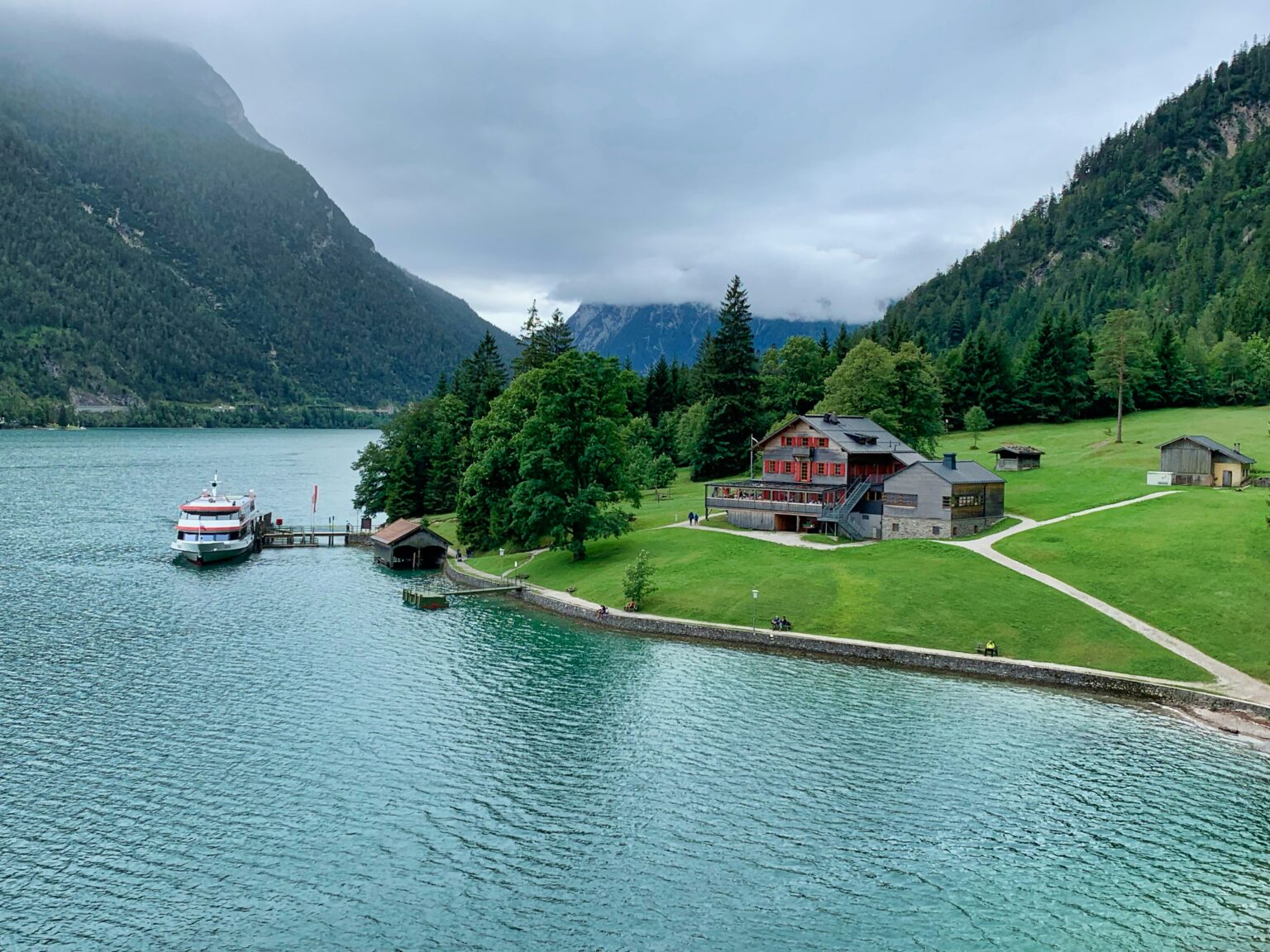

Ecotourism has become increasingly popular as people look to connect with nature in an environmentally-friendly manner. While ecotourism offers numerous positives, irresponsible tourism practices could damage local communities and environments in irreparable ways.
Certifications may give some indication of the sustainability of a destination, but green washing is often practiced. Some destinations exploit Indigenous peoples or use animal cruelty as a tourist draw, or clear rainforests of any vegetation cover for the purposes of tourism.
Bali
Bali may have become a tourist hotspot, yet it is essential that its environment and culture rely on sustainable tourism practices. Mass tourism can have adverse impacts on natural resources, marine and land environments as well as local customs and traditions; for this reason it is vital that responsible tourists practice sustainable tourism by supporting local businesses while avoiding overcrowded areas.
eco-friendly travel in Bali is possible in various ways. Staying at locally-owned hotels and resorts helps support the local economy while relieving pressure on infrastructure. Participating in sustainable activities such as snorkeling, hiking, mountain climbing etc also help conserve natural environments as well as support local conservation initiatives. Furthermore, it is also important to observe cultural regulations of Bali by not disturbing wildlife or engaging in cultural events without guidance from experts.
One way to practice eco-friendly travel is to choose restaurants that use organic or sustainable ingredients, like Moksa in Ubud which offers fresh raw dishes prepared with ingredients from their garden – offering delicious dishes like sesame tempeh served with vermicelli salad and mango!
Eco Tourism Bali (ETB), one of the more prominent organizations working toward making Bali an environmentally sustainable destination, primarily targets hospitality industry employees as this area relies heavily on positive tourism reputation and can have the biggest impact on changing the tourism landscape. ETB implements various projects promoting sustainability such as workshops and education campaigns as well as creating a green rating system for hotels and restaurants.
Australia
Australia’s lush natural environment makes it a prime eco-tourism destination, offering luxurious experiences and accommodation options. Swim with wild dolphins at Ningaloo Reef to learning about Aboriginal culture at Uluru-Kata Tjuta: there’s so much to experience Down Under.
The Great Barrier Reef is both an international icon and global treasure, and many operators in its vicinity employ sustainable practices to minimize their impact on marine ecosystems in this UNESCO World Heritage Site. Rottnest Island stands out by emphasizing sustainability through an on-site nursery and water filtration system as well as offering sustainable tours and stays.
Western Australia’s Margaret River region lies three hours’ drive south of Perth and features stunning beaches and forests as well as a flourishing biodynamic wine scene. Take an organic vineyard and dairy for a visit on the Wine Food Farmgate Trail or learn about sustainable grape growing at Kingfisher Bay Resort’s Advanced Ecotourism Certification and Green Travel Leader status tour!
Norfolk Island, listed as a UNESCO World Heritage site by UNESCO, is another ecological oasis where visitors can admire towering tree ferns and 200 dingoes (another rare native Australian animal). There are also beautiful coastal landscapes and peaceful freshwater lakes formed between its sand dunes that attract visitors.
Kakadu National Park combines biodiversity with indigenous culture and history for an unparalleled experience. Explore Mossman Gorge with Aboriginal guides or head out on an Eco Tour by Sailaway who provide climate action charters that support coral conservation while offsetting carbon emissions.
Sri Lanka
Sri Lanka is an ideal location to promote eco-conscious travel. Many national parks and wildlife sanctuaries have dedicated facilities for tourists who wish to connect with nature without negatively affecting local ecosystems or communities.
Sri Lanka’s National Ecotourism Policy seeks to foster sustainable tourism practices while simultaneously encouraging responsible travel. Unfortunately, Sri Lanka faces difficulties balancing economic needs for tourism growth with environmental conservation measures – some popular destinations having experienced overtourism’s detrimental impacts, with overcrowding impacting wildlife and natural habitats negatively.
At present, Sri Lanka has made strides toward sustainability with a number of eco-friendly luxury lodges offering eco-friendly experiences and accommodations. Yala National Park stands out as an outstanding example for protecting leopards in their natural environment; visitors can take guided safaris in Udawalawe and Sinharaja rainforests which host multiple bird species as well as unique plant life – and Yala is only one example among many!
Sri Lanka also offers eco-friendly activities and accommodations, such as agro-tourism. Travelers can experience firsthand how farmers cultivate sustainable agricultural and fishing traditions by visiting organic farms in Ella and Kandy; mangrove tours help protect coastal ecosystems while providing shelter to marine wildlife.
Not only can travelers stay at eco-conscious accommodations, but many tour operators provide eco-conscious experiences that combine cultural heritage and nature. For example, Sri Lanka Travel Network offers eco-conscious trips that combine cultural heritage and nature – for instance a “green” tour to Sri Lanka’s tea plantations to learn about sustainable production as well as visit communities that grow it; visitors may even join conservation projects such as mangrove cleanup on Madu Ganga River.
New Zealand
New Zealand is an idyllic destination for eco-tourism, offering stunning national parks, picturesque coastlines and abundant wildlife – providing travellers with unparalleled eco-tourism experiences that combine exploration with conservation efforts while simultaneously enjoying nature’s splendour while contributing to its preservation.
Fiordland to Abel Tasman are both hiking havens in New Zealand, offering glacier hiking and kayaking on beautiful waters – both glacier trekking in Fiordland and kayaking on Abel Tasman respectively – that make hiking experiences rewarding for guests while protecting the environment and providing safe passageways through stunning wilderness landscapes. Meanwhile, New Zealand’s Great Walks provide adventurers with the opportunity to trek some of its stunning wilderness landscapes while practicing responsible trekking practices.
New Zealand is committed to conserving natural ecosystems while simultaneously informing visitors about the importance of sustainable tourism. This philosophy stems from Maori culture where “tangata whenua” (people of the land) view sustainability as part of their relationship with the natural world.
Visitors to New Zealand can help preserve its rich biodiversity by participating in conservation and ecological restoration projects. Volunteers can assist with tree planting and predator control to safeguard native flora and fauna while creating safer living spaces for animals like the legendary Kiwi bird and rare yellow-eyed penguin.
Many of New Zealand’s natural attractions are preserved through environmentally-friendly practices, with Sanctuary Mountain Maungatautari becoming home to hundreds of native bird species thanks to a 47km pest-proof fence enclosing it and Project Island Song’s work reintroducing native bird songs of seven of New Zealand’s main islands back into their respective ecosystems step by step.
Kenya
Kenya is famed for its spectacular natural beauty. From lions prowling vast plains and giraffes nibbling acacia trees, to wildebeest herds crossing dusty savannahs – Kenya truly stands out as an earthly paradise. But as Kenya is home to so much wildlife, there is also an imperative for conserving the environment and safeguarding endangered species. Fortunately, Kenya is being proactive in this regard. Kenya boasts 55 national parks, reserves, and sanctuaries that help conserve native wildlife while giving travelers an exclusive opportunity to observe it in its natural habitat. Furthermore, proceeds generated from park entry fees, safari tours, camps, and other local activities help fund community projects within these reserves that benefit villagers living nearby.
Kenya is a pioneer when it comes to ecotourism, having implemented many groundbreaking initiatives designed to foster sustainable tourism while protecting the environment. Not only does the country pride itself on preserving its stunning flora and fauna, but its schools also prioritize environmental education so future generations are aware of the significance of conservation efforts.
Travellers to Kenya can also have a positive impact by selecting accommodation that prioritizes sustainability and supports community projects. For instance, Kilaguni Serena Safari Lodge is 100% solar-powered; Porini Wilderness Safari features an eco-friendly wastewater management system as well as an on-site vegetable garden to reduce waste and carbon emissions; Little Governors’ Camp uses both wood-burning stoves and solar power to decrease tree logging activity in its surrounding area.
JourneyPalette provides eco-friendly Kenya safari adventures and retreats, which combine sustainable luxury with unforgettable experiences. To discover more of these itineraries, contact us now!
Trip-ready gear from Amazon
As an Amazon Associate, grandgo.com earns from qualifying purchases. Links below are affiliate links — clicking them may earn us a small commission at no extra cost to you. Prices and availability are shown on Amazon.co.uk.
- Anker portable charger 20000mAh — All-day phone battery.
- Compact daypack travel — For city sightseeing.
- Lonely Planet destination travel guide — Trip planning essential.