


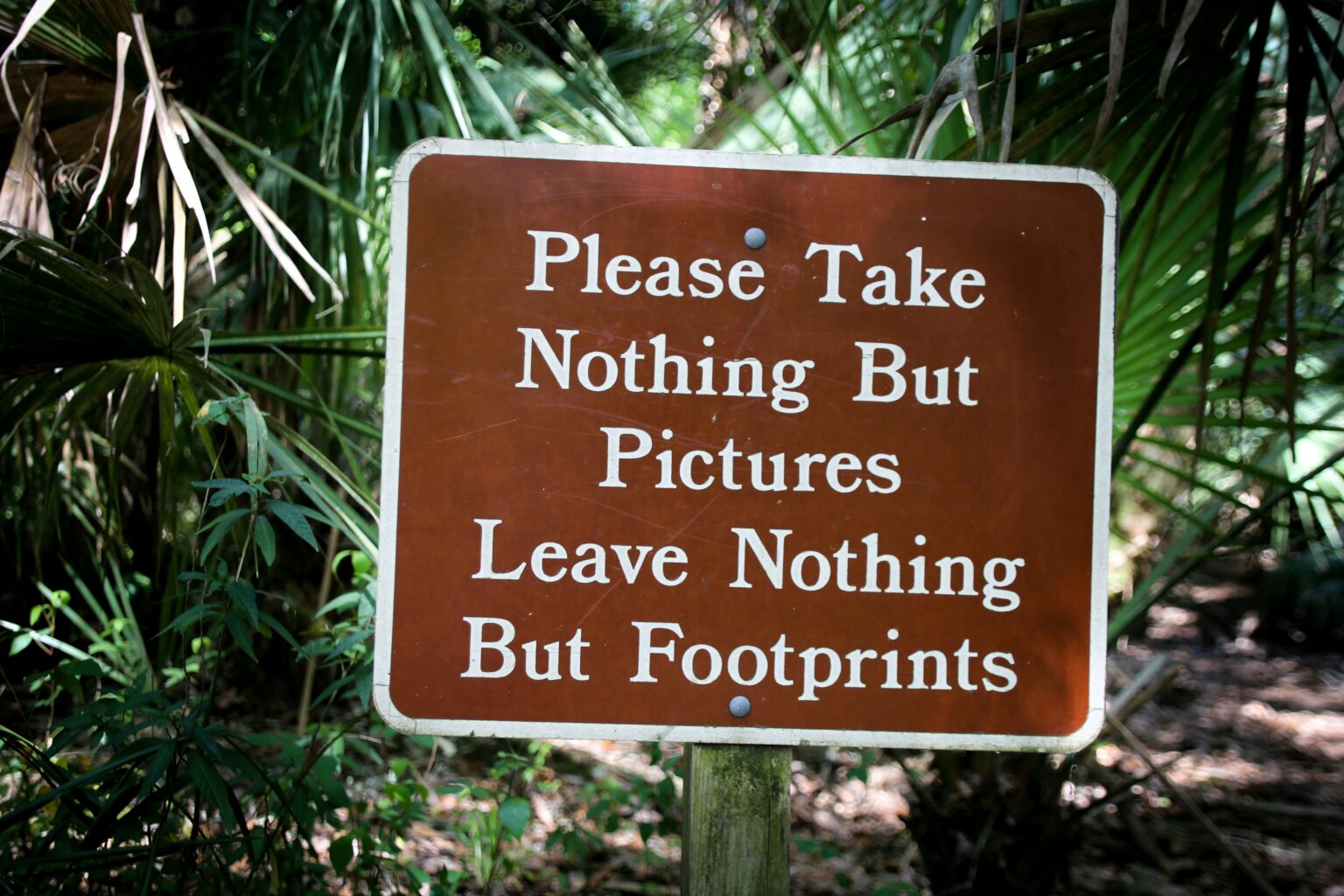

Responsible travel includes learning about your destination before arriving, as well as immersing yourself in its culture during your trip.
Be mindful that when traveling abroad, your destinations are more than just vacation spots – they represent home to people living there as well. Responsible travel requires leaving each place better than you found it.
Know Your Limits
As part of being a responsible traveler, it’s crucial that you understand your limits as an individual traveler as this will allow for more informed decisions during a trip and when traveling with others. When traveling with children or infants it is especially essential that planning ahead and researching sustainable travel companies that cater specifically for family adventures occurs so as to guarantee an ethical vacation and positive experience for everyone involved.
Understanding local culture is also an integral component of knowing your limits, especially when traveling abroad. Before arriving, it is crucial to familiarise yourself with customs and traditions of your travel destination so as to respect its people while avoiding any offensive gestures or actions that could offend or offend those present – something especially essential when visiting countries with diverse cultures such as Latin America or Asia.
Responsible travelers should consider their impact on a travel destination’s economy, environment and culture when planning their visit. This includes avoiding overtourism which can have detrimental environmental and cultural consequences and supporting companies that recognize their employees fairly – the person serving you that mai tai deserves fair wages for their hard work!
Responsible travelers should also consider their impact on local animal populations when traveling. Riding elephants, for instance, when it is known that these magnificent beasts can often be mistreated during training and daily lives is unethical; rather than riding elephants it would be wiser to visit an elephant sanctuary or conservation center which allows visitors to observe these animals without harming them in any way.
Travelers who strive to be responsible should also be mindful of their impact on the global economy, such as avoiding souvenirs made in factories with unfavorable labor practices. By supporting local economies and preventing job displacement from such factories, travelers can help preserve local employment opportunities and help prevent job displacement that would otherwise benefit local communities.
Don’t Forget the Locals
Responsible travel means developing strong and positive relationships with locals. Not only is this beneficial for the community itself, but it can make your experience even more authentic and unforgettable. Simply dining at local restaurants or buying an original handicraft from markets can do much to enhance this process; or volunteering your skills or donating money may go even further – just make sure the organization you support is legitimate and not prioritising profits over the wellbeing of its local populations.
Understanding a destination’s history, culture and traditions through getting to know its inhabitants can open your eyes to what makes the destination truly remarkable. Sharing this information through travel content can create more memorable and immersive experiences while keeping its residents safe.
Always keep in mind that each location on Earth is home to unique people with distinct customs and traditions that should be respected rather than ignored as part of what makes each destination so special. To do this, be mindful to respect local customs by dressing appropriately, following local traditions when possible and trying your hand at speaking or learning some words of the local language (even just “hello” and “thank you”!). To do this successfully.
Travel advice often advises us to “do as the locals do.” Unfortunately, this can be more challenging than expected when traveling for work or tourism, but with some preparation or on-the-fly Google skills you can be more responsible by using local transport, ordering popular dishes in restaurants, and rising early to see the market bustle with activity.
Be more responsible while traveling by reducing the amount of trash produced when travelling. This includes avoiding single-use plastics like water bottles and takeout containers; each year, over 8 million tons of plastic debris end up in our oceans, damaging delicate ecosystems and endangering marine wildlife. By using your own reusable water bottle, purchasing food in bulk, and carrying a reusable tote bag you can significantly decrease how much waste traveler produce during their trip.
Be Prepared for Unforeseen Situations
As part of traveling, there is always the risk that something unexpected will arise – from losing your passport, illness or accident. To stay prepared and ensure a smooth experience on any trip, the best way is to create an emergency kit before embarking on your trip and practice regularly with family, colleagues or travel companions.
Basic supplies should include a first aid kit, flashlight with extra batteries, whistle for attention attracting, and multi-tool. Tailoring this kit to the destination you are travelling to will ensure you can remain calm and safe during emergencies and make you more aware of potential issues during your stay. Additionally, familiarizing yourself with local laws and cultural norms of your destination country is imperative in staying aware of potential issues during your travels.
Keep these tips in mind to become a more responsible traveler and ensure your trip goes smoothly. Although it’s never enjoyable to consider what could go wrong while traveling, being prepared can give you confidence that you are acting responsibly and can enjoy the trip in peace. For additional tips and resources related to responsible travel visit KHM Travel Group’s Agent Portal where there are guides, videos and more you can share with clients.
Keep Your Perspective
One of the keys to responsible travel is maintaining an awareness of how your trip impacts natural environments, animals, local people and cultures. Responsible travelers also recognize their obligation to help protect the environment and promote sustainable tourism; many participate in conservation and reforestation projects.
Responsible travelers never exploit local people in any way, knowing that workers and entrepreneurs in the travel industry deserve fair pay and consideration of their needs. Therefore, responsible tourists choose hotels which pay employees fair wages without treating them like slaves; similarly restaurants should strive for equal treatment of staff while respecting human rights.
As part of worldschooling family, practicing responsible travel tips should become second nature to your children; they’ll soon come to understand the impact of their traveling choices on others and themselves. By instilling this concept from an early age, they’ll carry it with them throughout life.
This will reduce their chances of visiting overcrowded attractions that have an adverse impact on both the environment and local businesses, and stay more often at accommodations that use recycled materials, like eco-friendly hotels or Airbnbs. Furthermore, purchasing local items will support both economies while cutting carbon emissions emissions.
These experiences will encourage children to spend more time outdoors rather than indoors at museums or cultural centers, gaining more familiarity with their environment by visiting local markets and discovering what produce grows there – an invaluable geography lesson that teaches kids that the environment is more than just somewhere to visit on vacation!
Trip-ready gear from Amazon
As an Amazon Associate, grandgo.com earns from qualifying purchases. Links below are affiliate links — clicking them may earn us a small commission at no extra cost to you. Prices and availability are shown on Amazon.co.uk.
- Compact daypack travel — For city sightseeing.
- Lonely Planet destination travel guide — Trip planning essential.
- Anker portable charger 20000mAh — All-day phone battery.