


The Rich History of Armenia’s Indigenous Grapes
Armenia, with its ancient vineyards and rich winemaking traditions, boasts a captivating history of indigenous grapes. These grapes have flourished in the fertile soil and favorable microclimates of the region for thousands of years, making Armenia one of the oldest wine-producing countries in the world. The winemaking heritage of Armenia is deeply intertwined with its cultural and historical fabric, with references to grape cultivation and wine production dating back to ancient times.
Archaeological discoveries have revealed the presence of cultivated grape seeds and intricate winemaking equipment in clay jars, known as qvevris, dating as far back as 6,000 years ago. This evidence suggests that Armenians have been growing grapes and crafting wines for millennia, passing down their knowledge and skills from one generation to the next. The indigenous grape varieties of Armenia, such as Areni Noir and Voskehat, have played a significant role in shaping the distinctive character of Armenian wines, reflecting the country’s terroir and reflecting its unique winemaking heritage.

Exploring the Unique Characteristics of Areni Noir
Areni Noir, a grape variety native to Armenia, boasts a myriad of unique characteristics that set it apart from other red wine grapes. Known for its vibrant red color and medium body, Areni Noir wines are marked by their balanced acidity and moderate tannins, making them approachable and versatile. On the nose, these wines often exude captivating aromas of red berries, including cherries and raspberries, with hints of floral notes. The palate delights in a harmonious combination of fruit flavors, occasionally showcasing subtle earthy undertones and a touch of spiciness. With its well-rounded structure and elegant finish, Areni Noir continually captivates wine enthusiasts and connoisseurs alike.
One of the remarkable aspects of Areni Noir is its ability to reflect the terroir of the region where it is grown. The grape thrives in the high-altitude vineyards of Armenia, benefiting from the unique climatic and geological conditions. The volcanic soils contribute distinctive mineral notes to the wines, enhancing their complexity and depth. Additionally, the diurnal temperature shifts in these vineyards result in a slower, more gradual ripening process, allowing the grapes to develop a remarkable balance between sugar levels and acidity. This balance, combined with the characteristically cool climate, imparts a freshness and vitality to Areni Noir wines, making them truly expressive of the land from which they originate.

The Importance of Tradition in Armenian Winemaking
Armenian winemaking is deeply rooted in tradition, with techniques that have been passed down through generations. The importance of tradition in Armenian winemaking cannot be overstated, as it is what sets it apart from other wine-producing regions. The winemakers in Armenia have a deep respect for their cultural heritage and strive to preserve it in every bottle they produce.
One of the key aspects of tradition in Armenian winemaking is the use of indigenous grapes. These unique grape varieties, such as Areni Noir, have been cultivated in Armenia for centuries and are an integral part of the country’s winemaking identity. The winemakers carefully select and cultivate these grapes, using traditional methods that have been refined over time. This dedication to indigenous grapes not only ensures the authenticity of Armenian wines but also contributes to the preservation of the country’s viticultural heritage.
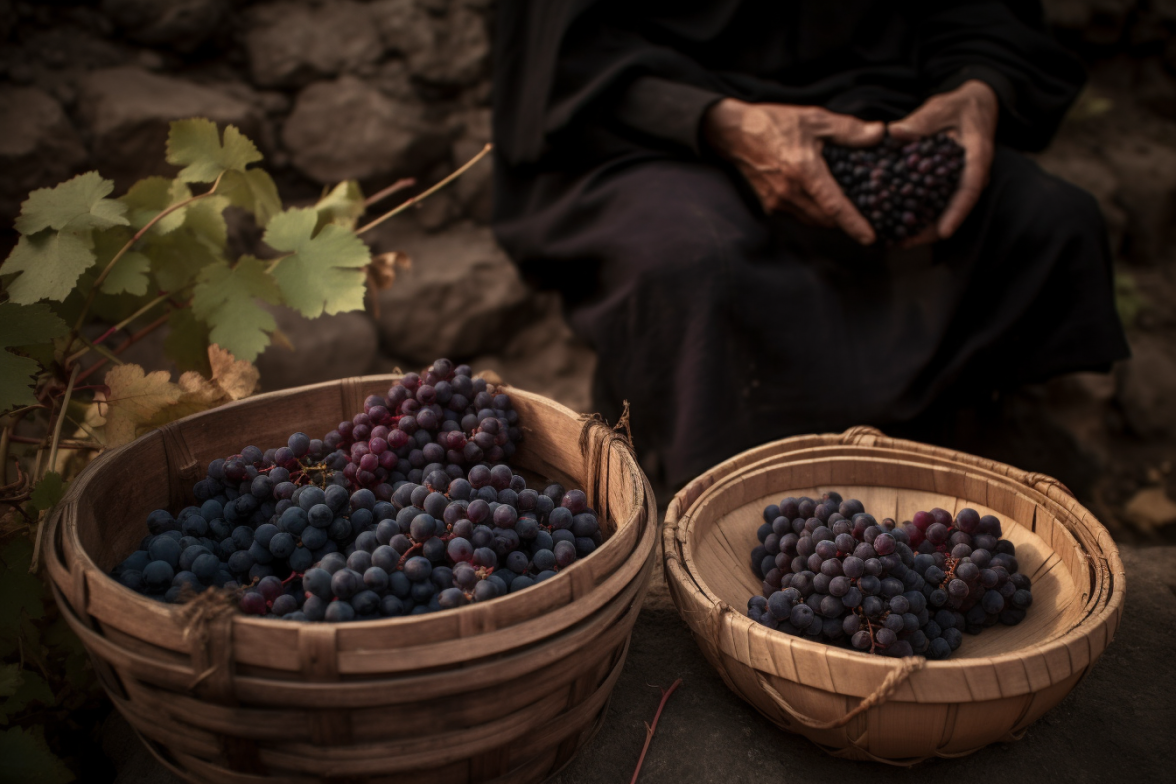
Discovering the Origins of Areni Noir Grape Variety
The origins of the Areni Noir grape variety can be traced back to the ancient land of Armenia. This small country, nestled in the Caucasus region of Eurasia, has a rich viticultural history that dates back thousands of years. The grape variety itself gets its name from the village of Areni, located in the Vayots Dzor region of Armenia, where it is believed to have originated.
Archaeological evidence suggests that winemaking has been practiced in Armenia for over 6,000 years, making it one of the oldest wine-producing regions in the world. The discovery of Areni Noir grapes in a cave complex known as Areni-1, located in the Vayots Dzor region, has shed light on the ancient winemaking traditions of the Armenians. These grapes, along with the ancient winepress and fermentation vessels found in the cave, provide a fascinating glimpse into the early origins of Areni Noir and its significance in Armenian winemaking.
Researchers have determined that the Areni Noir grape variety is indigenous to Armenia, showcasing the unique terroir of this ancient wine-growing region. The grape thrives in the high-altitude vineyards and cooler climate of Armenia, resulting in wines that are known for their distinct character and elegance. The discovery and exploration of the origins of Areni Noir have not only provided valuable insight into Armenia’s winemaking heritage but have also contributed to the growing global recognition of this exceptional grape variety.
Tasting Notes: Describing the Aromas and Flavors of Areni Noir Wine
Areni Noir wine is renowned for its unique and captivating aromas and flavors. The wine exudes a delightful bouquet of red fruits, such as cherries and raspberries, that immediately entices the senses. Its inviting aroma is complemented by hints of floral notes, offering a delicate and refreshing experience.
Upon tasting, the palate is embraced by a symphony of flavors. The wine’s well-rounded profile showcases a harmonious balance of fruitiness and acidity, creating a pleasant and lively sensation. Subtle hints of herbs and spices add depth and complexity to the overall taste, enhancing the wine’s character and providing an intriguing journey for the discerning palate. The distinctiveness of Areni Noir wine lies in its ability to deliver a full-bodied and robust experience while maintaining its elegance and finesse.
Traditional Winemaking Techniques Used for Areni Noir
The winemaking traditions surrounding Areni Noir in Armenia date back thousands of years, with techniques passed down through generations. One of the key traditional techniques used for Areni Noir is the practice of foot-stomping the grapes. This ancient method involves gently crushing the grapes with bare feet in large fermentation vessels called karasi. This labor-intensive process allows for the extraction of flavors and tannins from the grape skins, resulting in a vibrant and robust wine.
Another traditional winemaking technique used for Areni Noir is the fermentation and aging process in clay amphorae, known as qvevri. These large clay vessels are buried in the ground and provide a stable and natural environment for the wine to develop. The porous nature of the clay allows for a slight oxidation, contributing to the unique flavors and aromas of the wine. The qvevri method is also praised for its ability to preserve the natural acidity and freshness of the grapes, resulting in balanced and elegant wines. These traditional winemaking techniques showcase the deep connection between Armenia’s culture, history, and the unique characteristics of Areni Noir wines.
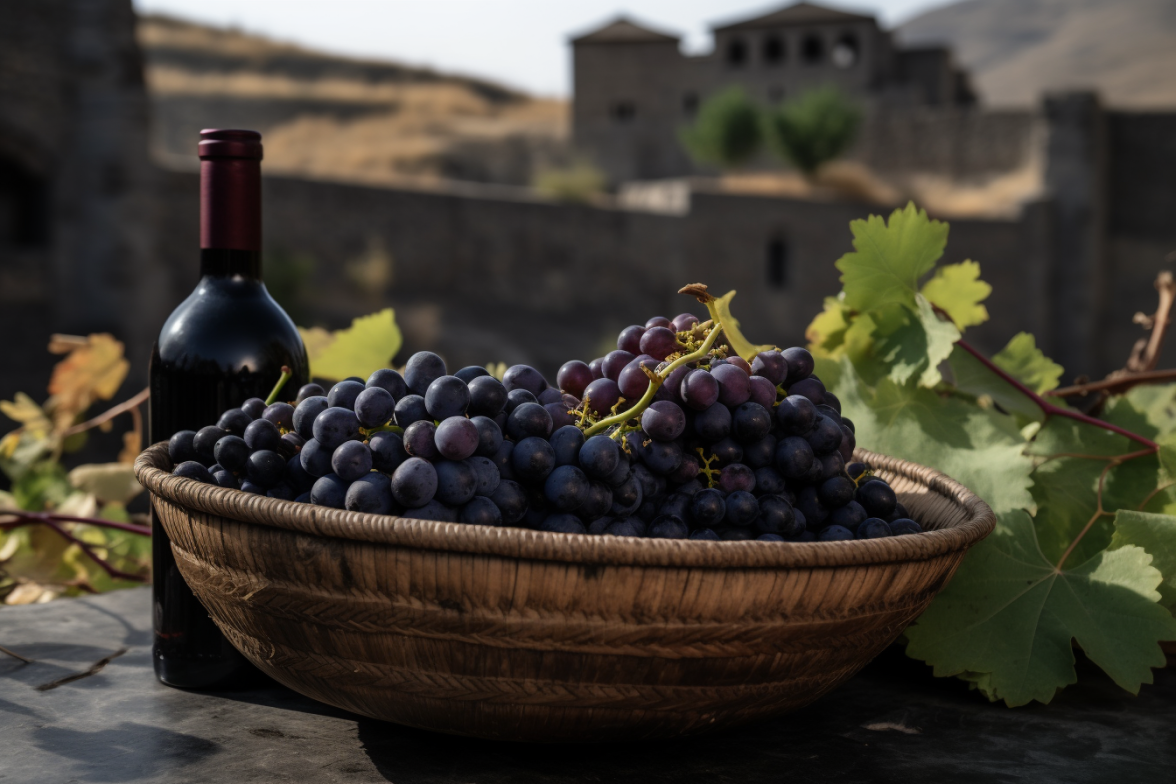
The Role of Areni Noir in Armenian Cuisine and Culture
Areni Noir plays a significant role in the rich tapestry of Armenian cuisine and culture. Indigenous to the region, this grape variety has been cultivated and cherished for centuries, becoming an integral part of the national identity. In Armenian cuisine, Areni Noir is used to produce a variety of wines that are enjoyed during festive occasions, family gatherings, and traditional feasts. Its deep red color, bold flavors, and aromatic profile make it a favored choice amongst wine enthusiasts and connoisseurs alike. The versatility of Areni Noir allows it to pair harmoniously with a range of dishes, from hearty meat stews to delicate cheese platters, enhancing the overall dining experience and adding a touch of sophistication.
Sustainability Practices in Areni Noir Vineyards
In recent years, sustainability practices in Areni Noir vineyards have gained significant attention. Winemakers are increasingly recognizing the importance of preserving the environment and implementing sustainable techniques to ensure the longevity of their vineyards. These practices aim to minimize the impact of grape cultivation and winemaking on the ecosystem while producing high-quality wines.
One example of a sustainability practice is the use of organic and biodynamic farming methods. Instead of relying on synthetic pesticides and fertilizers, vineyard owners opt for natural alternatives. This helps maintain soil health and biodiversity, while also reducing the potential harm to flora and fauna in the surrounding area. Additionally, sustainable vineyards prioritize water conservation by implementing efficient irrigation systems and monitoring water usage. By being mindful of their impact on the environment, Areni Noir vineyards not only maintain the quality of their wines but also contribute to a more sustainable future for the wine industry as a whole.

The Rising Global Recognition of Areni Noir Wines
Armenia’s indigenous grape variety, Areni Noir, is steadily gaining global recognition among wine connoisseurs and enthusiasts. With its unique characteristics and rich history, Areni Noir wines are making their mark in the international wine scene.
One of the reasons behind the rising global recognition of Areni Noir wines is their distinct flavor profile. This grape variety produces wines that are often described as elegant and complex, with notes of red fruit, spices, and earthy undertones. The balanced acidity and fine tannins add to the overall appeal of the wine, making it a favorite among those seeking something different and exciting. As more wine lovers explore the world of Areni Noir, its global recognition continues to grow, solidifying its position as a unique and noteworthy wine variety.
Exploring New Frontiers: Innovations in Areni Noir Winemaking
In recent years, Armenian winemakers have been pushing the boundaries of traditional winemaking techniques and embracing innovative practices to create exceptional Areni Noir wines. One area of focus has been the introduction of modern technology into the winemaking process. From state-of-the-art temperature-controlled fermentation tanks to advanced grape sorting machines, these technological advancements have allowed winemakers to have greater control over the entire production process, resulting in wines with even more consistent quality. These innovations have not only improved the efficiency of winemaking but have also opened up new possibilities for experimentation and exploration.
Another area of innovation in Areni Noir winemaking has been the use of alternative aging vessels. While traditional Armenian winemaking has relied heavily on aging wines in underground clay vessels called “karas,” some winemakers are now also utilizing oak barrels and concrete tanks for aging. These alternative vessels can impart unique flavors and textures to the wine, adding layers of complexity and enhancing the overall drinking experience. By combining traditional practices with modern techniques, winemakers are able to bring out the best qualities of the Areni Noir grape, creating wines that not only pay homage to Armenian winemaking heritage but also showcase the potential for innovation and progress in the industry.
FAQs
What is the history of Areni Noir grapes in Armenia?
Areni Noir grapes have a rich history in Armenia, dating back thousands of years. They are indigenous to the region and have been cultivated and used for winemaking for centuries.
What makes Areni Noir grapes unique?
Areni Noir grapes have unique characteristics that set them apart from other grape varieties. They thrive in the high-altitude vineyards of Armenia, resulting in wines with exceptional acidity, complexity, and a distinct minerality.
How important is tradition in Armenian winemaking?
Tradition plays a vital role in Armenian winemaking. Many winemakers in Armenia still use traditional winemaking techniques that have been passed down through generations. This commitment to tradition helps preserve the unique flavors and characteristics of Armenian wines.
What is known about the origins of the Areni Noir grape variety?
The exact origins of the Areni Noir grape variety are still being researched. However, it is believed to have originated in the Areni village in Armenia’s Vayots Dzor region. Excavations in a nearby cave have uncovered evidence of winemaking dating back over 6,000 years.
How would you describe the aromas and flavors of Areni Noir wine?
Areni Noir wine is known for its aromatic profile, which includes notes of red berries, cherries, and floral undertones. On the palate, it offers a combination of ripe fruit flavors, spice, and a distinctive earthiness.
What traditional winemaking techniques are used for Areni Noir?
Traditional winemaking techniques used for Areni Noir include fermenting the grapes in traditional clay vessels called qvevri, which are buried underground. This method allows for natural fermentation and results in wines with unique flavors and textures.
How does Areni Noir contribute to Armenian cuisine and culture?
Areni Noir wine is an integral part of Armenian cuisine and culture. It is often enjoyed alongside traditional Armenian dishes and is considered a symbol of hospitality and celebration.
What sustainability practices are implemented in Areni Noir vineyards?
Many Areni Noir vineyards in Armenia practice sustainable viticulture. This includes organic farming methods, water conservation, biodiversity preservation, and responsible waste management to ensure the long-term health of the vineyards and surrounding ecosystem.
Is Areni Noir gaining recognition on a global scale?
Yes, Areni Noir wines are gaining recognition on a global scale. They have received numerous accolades and awards in international wine competitions, putting Armenian wines on the map and attracting attention from wine enthusiasts worldwide.
What innovations are being explored in Areni Noir winemaking?
Winemakers are constantly exploring new frontiers in Areni Noir winemaking. They are experimenting with different aging techniques, blending with other grape varieties, and utilizing modern winemaking equipment to further enhance the quality and complexity of Areni Noir wines.