


The Historical Context of Vietri sul Mare: Exploring its Rich Past
Vietri sul Mare, a charming coastal town nestled in the Campania region of southern Italy, boasts a rich and vibrant history that stretches back centuries. As one of the oldest settlements in the area, its historical context is deeply intertwined with the rise and fall of various civilizations. From its first recorded mention in the 1st century BC as being part of the Roman Empire, to its transformation under Byzantine rule in the 6th century AD, the town has witnessed the ebb and flow of different cultural influences.
During the Byzantine period, Vietri sul Mare flourished as a thriving trading port, serving as a vital link between the eastern and western Mediterranean. This strategic location not only facilitated the exchange of goods and ideas but also played a crucial role in shaping the town’s economic prosperity. Traces of this era can still be glimpsed in the numerous Byzantine architectural marvels that grace the town, serving as a reminder of its historical significance. The intricate mosaics and ornate frescoes adorning the churches and buildings reflect the Byzantine influences that permeated every aspect of life in Vietri sul Mare.
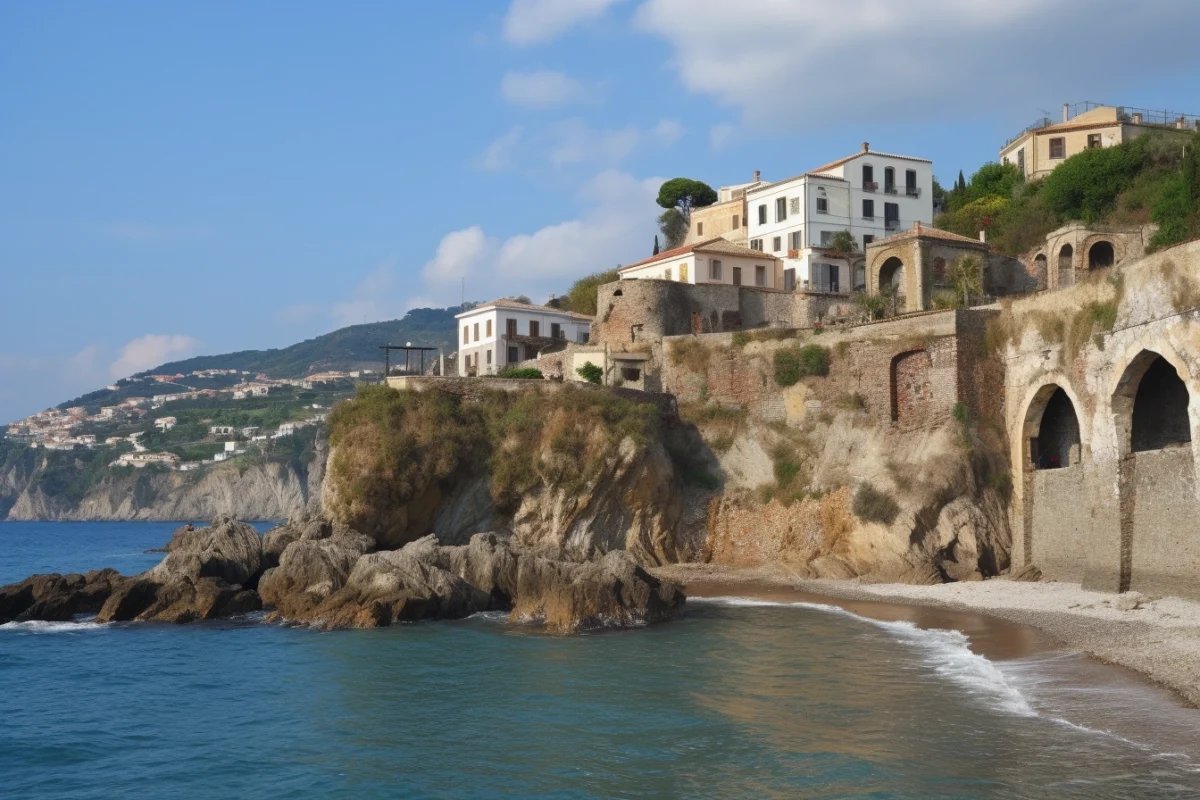
Architectural Marvels of Vietri sul Mare: Unveiling Byzantine Influences
Architectural marvels in Vietri sul Mare offer a fascinating glimpse into the rich Byzantine influence that permeates the town’s cultural heritage. One of the most iconic structures is the Church of San Giovanni Battista, whose construction commenced in the 12th century. The exquisite mosaic work adorning the facade of the church is a testament to the intricate artistry employed by Byzantine craftsmen. Intricate patterns and vibrant colors depict scenes from biblical narratives, creating a visual spectacle that leaves visitors in awe of the craftsmanship and attention to detail.
Another architectural gem influenced by Byzantine traditions is the Church of Santa Maria delle Grazie, which stands as a magnificent testament to the town’s cultural tapestry. Built in the 11th century, the church showcases a fusion of Byzantine and Romanesque architectural styles. Its domed roof and arches, reminiscent of the Byzantine architectural grandeur, are complemented by Romanesque decorative elements, creating a unique visual synthesis. The play of light and shadow within the church’s interior accentuates the ornate frescoes, evoking a sense of spiritual transcendence and reinforcing the Byzantine legacy within Vietri sul Mare’s architectural wonders.
The Intricate Art of Vietri sul Mare: Tracing Byzantine Inspirations
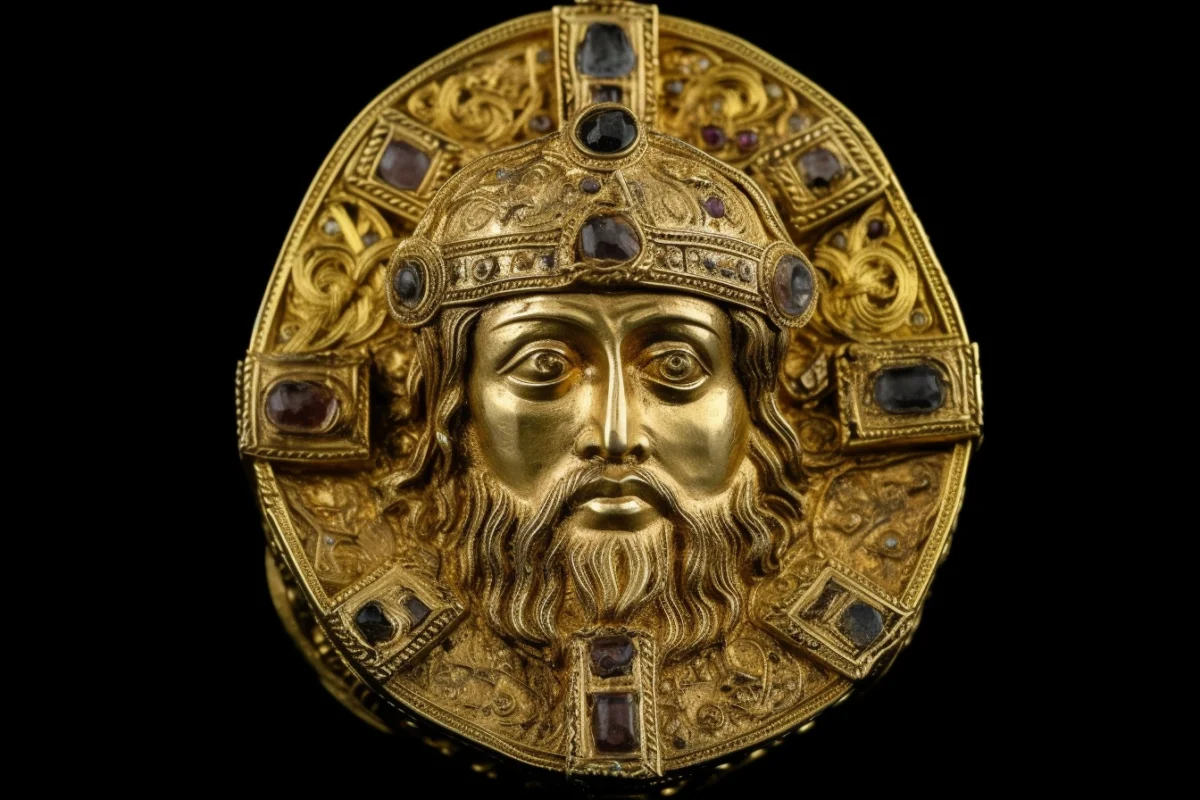
The intricacy and beauty of the art in Vietri sul Mare can be traced back to its Byzantine influences. The art of this quaint coastal town reflects the rich legacy left behind by the Byzantine Empire. Influenced by the Byzantine artistic style, the artisans of Vietri sul Mare employ vibrant colors, ornate designs, and meticulous craftsmanship in their creations.
One of the most prominent examples of Byzantine-inspired art in Vietri sul Mare is maiolica pottery. This traditional form of ceramic art features intricate hand-painted designs on glazed terracotta. The motifs often depict religious scenes, floral patterns, and geometric designs, all reminiscent of Byzantine aesthetics. The masterful technique and attention to detail in maiolica pottery highlight the town’s dedication to preserving the artistry of its historical influences.
Cultural Traditions and Customs: Byzantine Legacies in Vietri sul Mare
Vietri sul Mare is a town steeped in history and its cultural traditions and customs reflect its Byzantine legacies. One of the most prominent aspects of Byzantine influence can be seen in the architecture of the town. The ornate and intricate designs of buildings, adorned with colorful mosaics and geometric patterns, are reminiscent of the Byzantine era. These architectural marvels serve as a visual reminder of the town’s rich past and continue to captivate visitors from all over the world.
Not only does the architecture exhibit Byzantine inspiration, but the art of Vietri sul Mare also traces its origins back to this influential era. Local artisans have mastered the art of ceramics, known for its vibrant colors and intricate patterns. The Byzantine influence is evident in the motifs and designs found on these ceramic works, showcasing a fusion of local traditions with Byzantine aesthetics. This intricate art form not only serves as a source of income for the people of Vietri sul Mare but also as a cultural symbol, preserving the town’s unique heritage.
The Role of Religion: Byzantine Influence on Vietri sul Mare’s Spiritual Practices
Vietri sul Mare, a charming town nestled on the Amalfi Coast in Italy, holds a rich history deeply intertwined with Byzantine influences. One of the significant ways that Byzantine culture has left an indelible mark on Vietri sul Mare is through its religious practices. Religion plays a pivotal role in the lives of the locals, and its spiritual practices bear the unmistakable traces of Byzantine influence.
From the ornate frescoes adorning the walls of churches to the intricate mosaics reminiscent of the Byzantine artistry, the religious traditions in Vietri sul Mare reflect the deep connections to the Byzantine Empire. The town’s religious festivities, such as processions and pilgrimages, are steeped in centuries-old customs that have their roots in Byzantine religious rituals. The Byzantine influence is evident not only in the architectural grandeur of the churches but also in the way the community reveres and celebrates their faith.
The Influence of Byzantine Cuisine in Vietri sul Mare’s Gastronomy
Vietri sul Mare, a beautiful town located on the Amalfi Coast of Italy, is renowned for its rich culinary heritage deeply influenced by the Byzantine era. The Byzantine Empire, with its vast territory that included Southern Italy, left a lasting imprint on the cuisine of Vietri sul Mare, fusing the local culinary traditions with exotic flavors and ingredients. Today, the influence of Byzantine cuisine can still be savored in the tantalizing dishes that grace the tables of this picturesque coastal town.
One of the most prominent features of Byzantine cuisine in Vietri sul Mare is the vibrant use of spices and herbs. The Byzantines introduced an array of aromatic spices, such as cumin, coriander, and cinnamon, which added a delightful burst of flavors to the local dishes. The generous use of herbs like basil, oregano, and thyme enhanced the depth and complexity of the cuisine, creating a tantalizing symphony of tastes. These culinary elements, along with the skillful combination of local ingredients, have become the hallmark of Vietri sul Mare’s gastronomy, attracting visitors from all over the world who seek an unforgettable culinary experience.
Trade and Commerce: Byzantine Connections in Vietri sul Mare’s Economic Development
Trade and commerce played a vital role in the economic development of Vietri sul Mare during the Byzantine era. The strategic location of the town, situated on the southern coast of Italy, made it a bustling hub for maritime trade. The Byzantine Empire, with its expansive reach and extensive trade networks, saw Vietri sul Mare as an essential trading post, connecting the East and the West. This influx of goods and merchants contributed to the growth and prosperity of the town, making it a prosperous center of commerce.
The Byzantine connection had a profound impact on the economic landscape of Vietri sul Mare. The town became renowned for its production of exquisite ceramics, which were highly sought after throughout the Byzantine Empire. The skilled artisans of Vietri sul Mare mastered the intricate techniques of pottery making, incorporating Byzantine influences into their designs. This unique fusion of styles and craftsmanship made the ceramics from Vietri sul Mare highly desirable among traders, attracting merchants from far and wide. The economic success of the town can be attributed to the flourishing trade relationships fostered through Byzantine connections, solidifying Vietri sul Mare’s position as a prosperous trade center.
Influences on Language and Literature: Byzantine Contributions to Vietri sul Mare’s Written Heritage
The written heritage of Vietri sul Mare is deeply rooted in the influences of the Byzantine Empire. The Byzantines left an indelible mark on the language and literature of this coastal town in southern Italy. Their rich cultural and intellectual contributions have shaped the literary traditions and linguistic expressions that exist in Vietri sul Mare to this day.
One of the most notable influences of the Byzantines on Vietri sul Mare’s written heritage can be seen in its language. The Byzantine Empire brought with it the Greek language, which became widely used and adopted in various aspects of daily life. This linguistic influence is evident in the vocabulary and grammatical structures found in the local dialects and expressions. Additionally, Byzantine literature played a significant role in shaping the literary tastes and preferences of the people of Vietri sul Mare, inspiring a tradition of storytelling and poetic compositions that continue to thrive today.
The vibrant literary scene in Vietri sul Mare owes much to its Byzantine origins. The works of Byzantine scholars and poets, such as the epics and hymns of the Byzantine authors, have been cherished and preserved throughout the centuries. These literary treasures have served as a source of inspiration for local writers, who have crafted their own literary works in response to the Byzantine influence. The enduring legacy of the Byzantine Empire in Vietri sul Mare’s written heritage is a testament to the cultural continuity and appreciation for the rich literary traditions that have been passed down from generation to generation.
The Impact of Byzantine Influence on Vietri sul Mare’s Music and Dance
The music and dance of Vietri sul Mare have been profoundly influenced by the Byzantine culture, resulting in a unique amalgamation of traditional and Byzantine elements. One can witness this influence in the rhythmic patterns, melodic structures, and intricate choreography of the performances. The mesmerizing melodies and hypnotic beats of the music, combined with the graceful movements of the dancers, create an enchanting experience for both locals and visitors alike.
The Byzantine influence can be seen not only in the aesthetics but also in the religious and spiritual aspects of the music and dance. Many of the traditional songs and dances have deep-rooted connections to religious celebrations and rituals, with distinct references to Byzantine hymns and chants. This fusion of sacred and secular elements results in a rich tapestry of artistic expression, serving as a testament to the enduring legacy of Byzantine culture in Vietri sul Mare’s music and dance traditions.
Contemporary Reflections: Preserving and Celebrating Byzantine Influences in Vietri sul Mare’s Modern Culture
The rich Byzantine heritage of Vietri sul Mare continues to be celebrated and preserved in the modern culture of the town. Efforts have been made to ensure that the historical influences are not forgotten, and that future generations understand and appreciate the significance of Byzantine art, architecture, and traditions. Local museums and cultural institutions showcase Byzantine artifacts and artworks, allowing visitors to experience the beauty and intricacy of this ancient civilization.
Additionally, cultural festivals and events are organized throughout the year to honor the Byzantine influences in Vietri sul Mare. These celebrations bring the community together and offer a platform for artists, musicians, and performers to showcase their talents in a way that reflects the Byzantine legacy. From music and dance performances to traditional handicraft exhibitions, these events provide a glimpse into the past while also embracing the present multiculturalism of Vietri sul Mare. The contemporary reflections of Byzantine influences in the town’s modern culture ensure that the legacy of this ancient civilization remains alive and relevant.
FAQs
What is the historical context of Vietri sul Mare?
Vietri sul Mare is a small town located on the Amalfi Coast in Italy. It has a rich history that dates back to ancient times, with evidence of human settlement in the area as early as the 7th century BC.
How has Byzantine influence shaped the architecture of Vietri sul Mare?
Byzantine influences can be seen in the architecture of Vietri sul Mare, particularly in the use of mosaics and intricate decorative motifs. The town is known for its vibrant and colorful ceramic tiles, which are reminiscent of Byzantine art and design.
What are some examples of Byzantine-inspired art in Vietri sul Mare?
Vietri sul Mare is famous for its intricate ceramic art, which often features Byzantine-inspired designs such as religious icons, geometric patterns, and mythical creatures. These pieces showcase the town’s strong connection to Byzantine artistic traditions.
How have Byzantine legacies influenced the cultural traditions and customs of Vietri sul Mare?
Byzantine legacies have played a significant role in shaping the cultural traditions and customs of Vietri sul Mare. From religious practices to traditional ceremonies and festivals, Byzantine influences can be seen throughout the town’s cultural heritage.
What is the role of religion in Vietri sul Mare and how has it been influenced by Byzantine culture?
Religion holds a prominent place in the lives of the people of Vietri sul Mare, and Byzantine influences can be seen in their spiritual practices. The town’s churches and religious art reflect the Byzantine style, and religious festivals and traditions are celebrated in accordance with Byzantine customs.
How has Byzantine cuisine influenced the gastronomy of Vietri sul Mare?
Byzantine cuisine has had a significant impact on the gastronomy of Vietri sul Mare. Traditional dishes in the town often incorporate Byzantine ingredients and cooking techniques, resulting in a unique and flavorful culinary experience.
In what ways have Byzantine connections influenced the trade and commerce of Vietri sul Mare?
Byzantine connections have played a crucial role in the trade and commerce of Vietri sul Mare. The town’s strategic location on the Amalfi Coast made it an important center for trade during the Byzantine era, and this legacy can still be seen in the town’s economic development today.
How have Byzantine contributions influenced the language and literature of Vietri sul Mare?
Byzantine contributions have left a lasting impact on the language and literature of Vietri sul Mare. Byzantine influences can be seen in the town’s written heritage, with Byzantine Greek words and phrases still used in the local dialect and in literary works.
How has Byzantine influence shaped the music and dance of Vietri sul Mare?
Byzantine influence has had a profound impact on the music and dance of Vietri sul Mare. Traditional music and dance forms in the town often incorporate Byzantine melodies and rhythms, preserving and celebrating this aspect of Byzantine culture.
How does Vietri sul Mare preserve and celebrate Byzantine influences in its modern culture?
Vietri sul Mare actively preserves and celebrates Byzantine influences in its modern culture through various means. This includes the restoration and maintenance of Byzantine-inspired architectural marvels, continued production of intricate ceramic art, the observance of religious traditions, and the incorporation of Byzantine elements in local cuisine, language, literature, music, and dance forms.