


Compact Cars: What You Need to Know
Compact cars have become increasingly popular among urban dwellers and those on a tight budget. These smaller vehicles offer a range of benefits, making them an attractive option for many drivers.
Fuel efficiency is one of the main advantages of compact cars. Due to their smaller size and lighter weight, compact cars tend to consume less fuel compared to larger vehicles. This not only helps you save money at the pump but also reduces your carbon footprint. Additionally, compact cars are often equipped with advanced technologies such as start-stop systems and regenerative braking, further enhancing their fuel efficiency. So, if you’re looking for a cost-effective solution to combat rising fuel prices, a compact car may be the way to go.

Fuel Efficiency: A Key Factor in Cost-Effectiveness
Fuel efficiency is a key consideration when evaluating the cost-effectiveness of a compact car. With rising fuel prices and increasing environmental concerns, finding a vehicle that maximizes each gallon of gas can make a significant difference in your budget.
Compact cars are generally designed to be fuel-efficient, making them an attractive option for many drivers. One of the primary reasons for the fuel efficiency of compact cars is their smaller size and lighter weight. These factors result in less energy required to propel the vehicle, translating to better gas mileage. Additionally, compact cars often come equipped with advanced technologies, such as engine optimizations, aerodynamic designs, and hybrid or electric options, further enhancing their fuel efficiency capabilities.
It’s important to note that while compact cars generally excel in fuel efficiency, variations exist between different models and brands. Comparing the miles per gallon (MPG) ratings and evaluating real-world driving experiences through customer reviews can provide valuable insights. Additionally, considering factors like engine type, transmission, and driving habits can influence the actual fuel efficiency you can expect from a compact car.
By prioritizing fuel efficiency as a key factor in your decision-making, you can make a more informed choice that aligns with your budget and sustainability goals.

Pricing: Comparing Compact and Economy Car Rental Rates
Compact cars and economy cars are two popular choices for travelers looking for affordable rental options. When it comes to pricing, comparing the rental rates of these two car types can help you make an informed decision.
Compact cars, with their smaller size and lower fuel consumption, often come with competitive rental rates. These cars are ideal for urban areas that have limited parking spaces and narrow streets.
On the other hand, economy cars, although slightly bigger than compact cars, also offer budget-friendly rental prices. They are known for their cost-effective fuel efficiency and are perfect for travelers on a tight budget.
Rental rates for both compact and economy cars can vary depending on the location, season, and demand. It is important to research and compare prices from different car rental companies to find the best deal. Keep in mind that additional factors like insurance coverage, mileage limitations, and rental duration can affect the final cost. By carefully considering these factors and comparing prices, you can find a rental car that fits both your budget and transportation needs.
Size and Space: The Pros and Cons of Compact Cars
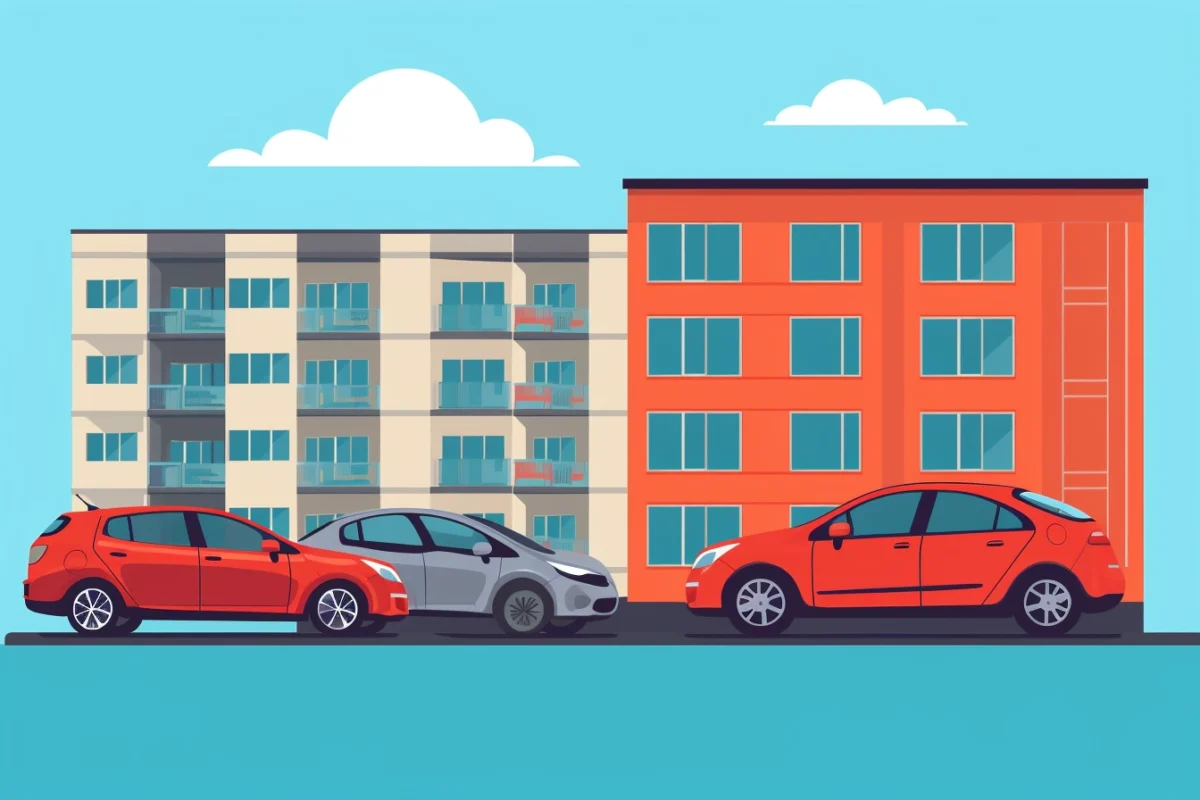
Compact cars are known for their smaller size compared to other vehicle types, and this can have both pros and cons when it comes to space.
- Advantages of Compact Cars:
- Maneuverability: Compact cars can easily navigate crowded city streets and tight parking spots.
- Fuel Efficiency: Their smaller size makes them more fuel-efficient, which is beneficial for those conscious of their carbon footprint and looking to save on gas expenses.
- Disadvantages of Compact Cars:
- Limited Space: The compact size of these cars means there is limited space for passengers and cargo.
- Legroom and Headroom: Taller individuals may experience compromised legroom and headroom.
- Bulky Items: Fitting bulky items can be a challenge.
- Not Ideal for Families and Large Items: Families with children or individuals who frequently transport large items may find the limited space of compact cars to be a disadvantage.
- Limited Space: The compact size of these cars means there is limited space for passengers and cargo.
It’s important to carefully consider your specific needs when deciding if the space offered by compact cars is sufficient for your lifestyle.
Safety Features: Are Compact Cars as Safe as Economy Cars?
Compact cars have long been a popular choice for those looking for an economical and efficient vehicle. However, when it comes to safety, some people may have concerns about whether compact cars can stack up against their larger counterparts, such as economy cars.
In terms of safety features, compact cars have come a long way in recent years. Many manufacturers have made significant advancements to improve the safety of these smaller vehicles. Compact cars now often come equipped with standard features such as advanced airbag systems, stability control, and antilock braking systems. These safety features, combined with the smaller size and lighter weight of compact cars, can actually offer some advantages in certain situations. For example, compact cars may be more maneuverable and easier to handle, especially in crowded city environments. Additionally, the smaller size of compact cars can make them more agile in tight parking spaces and enhance visibility for the driver. However, it is essential to note that safety is a complex issue, and there are other factors to consider when evaluating the overall safety of a vehicle.
- Compact cars are popular for their economical and efficient nature.
- Manufacturers have made significant advancements to improve the safety of compact cars.
- Compact cars now come equipped with standard features such as advanced airbag systems, stability control, and antilock braking systems.
- Smaller size and lighter weight offer advantages such as maneuverability and ease of handling.
- Compact cars are more agile in tight parking spaces and provide enhanced driver visibility.
However, it is important to consider other factors when evaluating a vehicle’s overall safety.

Insurance Costs: Examining the Impact on Your Budget
Compact cars offer several advantages, such as their fuel efficiency and cost-effectiveness. However, one crucial factor that needs to be considered when choosing a compact car is the impact of insurance costs on your budget. Insurance rates can vary significantly depending on the car’s make, model, and features, as well as your driving history and location.
When it comes to insurance costs, compact cars generally have lower rates compared to larger vehicles. This is because compact cars are considered safer due to their smaller size and lighter weight, which can lead to less damage in case of a collision. Additionally, their lower initial cost makes them more affordable to repair or replace. However, it’s essential to keep in mind that insurance rates can still vary among different compact car models, so it’s crucial to compare quotes from multiple insurance companies to ensure you’re getting the best deal.
Ultimately, taking into account insurance costs can help you make a more informed decision and ensure that your budget remains intact.
Advantages of Compact Cars:
- Fuel efficiency
- Cost-effectiveness
- Safer due to smaller size and lighter weight
- Lower initial cost, making them more affordable to repair or replace
Tips for Choosing a Compact Car:
- Consider insurance costs
- Compare quotes from multiple insurance companies
- Evaluate the make, model, and features of different compact car models
- Take into account your driving history and location
Maintenance and Repairs: Which Type of Car is Cheaper in the Long Run?
When considering which type of car is cheaper in the long run – compact or economy – maintenance and repair costs play a crucial role in the decision-making process. While both car types generally have similar components and require periodic servicing, there are several factors to consider.
Firstly, compact cars often have lower maintenance costs compared to economy cars due to their simplified design and smaller engines. With fewer parts, compact cars typically require less frequent maintenance and have a reduced likelihood of mechanical issues. Moreover, compact cars tend to use less expensive parts, making repairs more affordable for owners.
On the other hand, economy cars may boast slightly lower repair costs for certain components. Since they usually have standard features and utilize widely available parts, repairs can be more economical. Additionally, economy cars often have longer warranties from manufacturers, providing added protection against unexpected repair expenses.
Ultimately, the decision regarding which type of car is cheaper in the long run, in terms of maintenance and repair costs, depends on individual factors such as driving habits, the specific models being compared, and other ownership considerations. It is prudent to research and compare the maintenance records, estimated repair costs, and warranties of different models before making a final decision.
Rental Policies: Understanding the Terms and Conditions
Understanding the terms and conditions of rental policies is crucial when it comes to renting a compact or economy car. These policies outline the rules and regulations that both the rental company and the customer must abide by throughout the rental period.
Before signing any rental agreement, it is important to carefully read and understand the terms and conditions. These will typically include details about payment methods, cancellation policies, and reservation changes. It is especially important to pay attention to any additional fees or charges that may be incurred, such as mileage limits, late return fees, or additional driver charges.
Additionally, rental policies may include information about insurance coverage, fuel requirements, and vehicle maintenance responsibilities. It is important to clarify these aspects and ensure that you are aware of your obligations as a renter.
By familiarizing yourself with the rental policies and understanding the terms and conditions, you can make informed decisions and avoid any misunderstandings or unexpected costs during your rental period. It is always advisable to ask questions and seek clarification from the rental company if anything is unclear. Remember, a clear understanding of the rental policies will help ensure a smooth and hassle-free rental experience.
Comfort and Convenience: Evaluating the Trade-Offs
When it comes to choosing a compact car, comfort and convenience are key factors that many potential buyers consider. Compact cars are known for their smaller size, which can sometimes lead to a trade-off in terms of interior space and features. However, many automakers have made significant advancements in recent years to maximize comfort and convenience in compact cars.
One aspect to consider is the seating capacity and legroom in a compact car. While these vehicles may not offer as much space as larger sedans or SUVs, automakers have found innovative ways to maximize interior space. Adjustable seats, ergonomic designs, and clever storage solutions are just a few of the features that can enhance comfort in a compact car.
In terms of convenience, compact cars often come equipped with advanced technology and features that make driving a breeze. From touchscreen infotainment systems to integrated smartphone connectivity, these vehicles offer a range of options to keep drivers connected and entertained. Additionally, compact cars are often nimble and easy to maneuver, making them a convenient choice for tight parking spaces and city driving.
It is important to note that each compact car model will have its own set of comfort and convenience features, so it is worth considering your specific needs and priorities when making a decision. Whether you prioritize a spacious interior, advanced technology, or a combination of both, there is a compact car out there that will meet your requirements.
In the next section, we will dive deeper into customer reviews and real-life experiences to provide a more comprehensive understanding of the comfort and convenience trade-offs in compact cars.
- Seating capacity and legroom in compact cars may be limited compared to larger vehicles, but automakers have found ways to maximize interior space.
- Adjustable seats, ergonomic designs, and clever storage solutions are features that can enhance comfort in a compact car.
- Compact cars often come equipped with advanced technology and features for convenience while driving. Some of these features include:
- Touchscreen infotainment systems
- Integrated smartphone connectivity
- Compact cars are nimble and easy to maneuver, making them convenient for tight parking spaces and city driving.
- Each compact car model will have its own set of comfort and convenience features, so it’s important to consider your specific needs when choosing a vehicle.
Customer Reviews: Real-Life Experiences with Compact and Economy Car Rentals
When it comes to renting a car, hearing from real customers about their experiences can be invaluable in making an informed decision. Customer reviews provide insight into the overall satisfaction, comfort, and reliability of a particular car model or rental company.
In the case of compact and economy cars, a thorough evaluation of customer reviews can help you understand the pros and cons before making your reservation.
Many customers who have rented compact cars have praised their fuel efficiency, making them a popular choice for those prioritizing cost-effectiveness. Reviewers have often commended these vehicles for their ability to navigate narrow streets, park in tight spaces, and handle urban driving with ease.
Customers who have opted for economy cars have also noted their affordability and low rental rates, particularly for those on a budget or seeking short-term transportation solutions. However, some reviewers have mentioned that the limited space and lack of legroom in these cars can be a drawback for taller passengers or those traveling with more luggage.
In conclusion, reading customer reviews can provide valuable insights into the practical aspects of compact and economy car rentals. While some customers appreciate the fuel efficiency and low cost of these vehicles, others have concerns about their size and limited space. By considering these real-life experiences, you can make an informed decision that aligns with your priorities and needs when renting a car.