


Introduction
The legal drinking age in the United States is a subject marked by its complexity and diversity, reflecting the country’s federal structure and the autonomy of its states.
While the National Minimum Drinking Age Act of 1984 set a federal standard by incentivizing states to raise their legal drinking age to 21 through the withholding of highway funds, variations and exceptions exist that underscore the nuanced approach different states take towards alcohol consumption.
This landscape not only highlights the legal age of consumption but also the cultural, social, and legislative differences that characterize the states and territories of the U.S.
Differences Between the States
The legal drinking age across most of the United States is 21, a standard established in the mid-1980s in response to concerns over drunk driving fatalities.
However, the application of this law and the exceptions permitted under it vary significantly from one state to another. Some states allow exceptions to the legal drinking age for reasons such as religious ceremonies, medical purposes, employment in the alcohol industry, and private settings. For instance, in certain states, minors are allowed to consume alcohol for religious purposes or in the privacy of their homes with parental consent.
A few territories and states, like Puerto Rico and the U.S. Virgin Islands, maintain a legal drinking age of 18, showcasing a departure from the mainland’s standard. This variance often reflects cultural differences and historical precedents unique to each jurisdiction. Additionally, some states have grandfather clauses or had them at the time of the drinking age being raised, recognizing individuals who were of legal drinking age before the law changed.
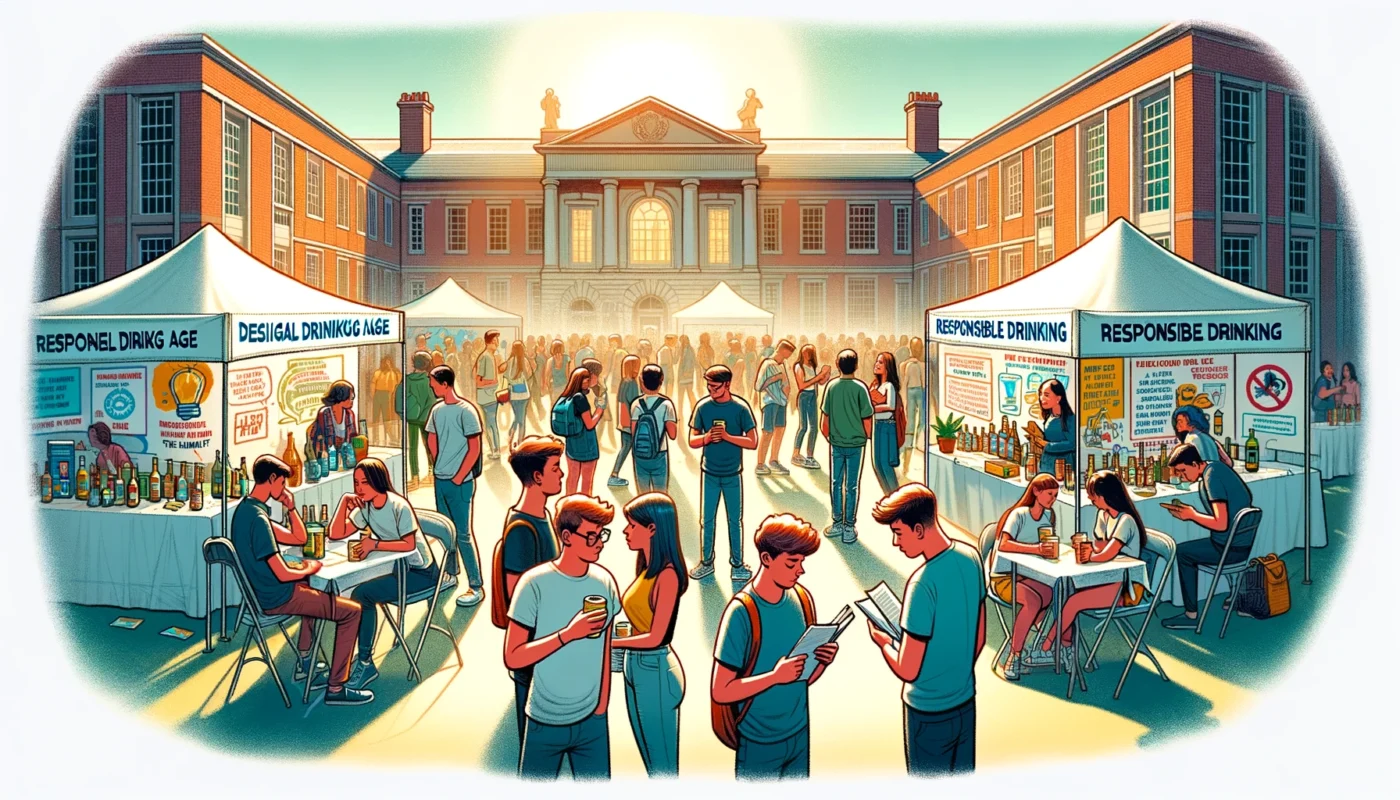
The legal drinking age in the United States exemplifies the balance between federal influence and state autonomy, with the majority adhering to the 21-year-old threshold set forth by federal law. Despite this uniformity, the nuances and exceptions within each state and territory reveal a tapestry of legislative approaches to alcohol consumption. These differences underscore the importance of understanding local laws and the context in which they are applied, reflecting the diverse cultural and social landscapes across the United States.
As such, while the legal drinking age serves as a guideline for responsible alcohol consumption, it also opens a window into the varied ways in which Americans navigate the complexities of legal adulthood and social responsibility.
This table maintains the focus on the current legal drinking age while incorporating comments that highlight exceptions or historical nuances relevant to each jurisdiction.
| State | Current Legal Drinking Age | Notable Comments |
|---|---|---|
| Alabama | 21 | Consumption not permitted for those under 21 without exceptions. |
| Alaska | 21 | Minors may consume alcohol in private settings with parental consent. |
| Arizona | 21 | |
| Arkansas | 21 | |
| California | 21 | Religious ceremonies may allow minor consumption. |
| Colorado | 21 | |
| Connecticut | 21 | Exceptions include employment in licensed premises, medical necessity, and parental supervision. |
| Delaware | 21 | |
| District of Columbia | 21 | Grandfather clause previously applied. |
| Florida | 21 | Grandfather clause previously applied. |
| Georgia | 21 | |
| Hawaii | 21 | |
| Idaho | 21 | Grandfather clause previously applied. |
| Illinois | 21 | |
| Indiana | 21 | |
| Iowa | 21 | Grandfather clause previously applied. |
| Kansas | 21 | Consumption allowed under parental supervision on private property. |
| Kentucky | 21 | |
| Louisiana | 21 | Exceptions include religious purposes, parental supervision, medical reasons, private residences, and employment in the alcohol industry. |
| Maine | 21 | Minors can consume alcohol at home under parental supervision. |
| Maryland | 21 | Consumption allowed under parental, spousal, or guardian supervision. |
| Massachusetts | 21 | Grandfather clause previously applied. |
| Michigan | 21 | |
| Minnesota | 21 | |
| Mississippi | 21 | |
| Missouri | 21 | |
| Montana | 21 | |
| Nebraska | 21 | |
| Nevada | 21 | |
| New Hampshire | 21 | |
| New Jersey | 21 | Underage drinking penalties have been abolished, except for warnings. |
| New Mexico | 21 | |
| New York | 21 | |
| North Carolina | 21 | |
| North Dakota | 21 | |
| Ohio | 21 | Consumption with parents or legal-age spouse permitted. |
| Oklahoma | 21 | |
| Oregon | 21 | |
| Pennsylvania | 21 | |
| Rhode Island | 21 | |
| South Carolina | 21 | |
| South Dakota | 21 | |
| Tennessee | 21 | |
| Texas | 21 | Parental consent allows for exceptions. |
| Utah | 21 | |
| Vermont | 21 | |
| Virginia | 21 | Exceptions for employment, religious purposes, and parental supervision. |
| Washington | 21 | |
| West Virginia | 21 | |
| Wisconsin | 21 | Consumption allowed in the presence of parents, guardians, or spouses of legal drinking age. |
| Wyoming | 21 | |
| American Samoa | 21 | |
| Northern Mariana Islands | 21 | |
| Puerto Rico | 18 | Maintains a lower drinking age despite federal incentives to raise it. |
| Virgin Islands | 18 | |
| Guam | 21 | Raised to 21 in 2010. |
The Legal Drinking Age in the USA
The United States has a long and complex history with alcohol consumption and regulation. The current legal drinking age of 21 years is a result of the National Minimum Drinking Age Act of 1984, which required states to raise their minimum purchase and public possession of alcohol age to 21 or face a reduction in highway funds. This law was enacted in response to increasing concerns about alcohol-related traffic fatalities among young people. It’s important to note that this federal law does not prohibit individuals under 21 from consuming alcohol in all circumstances, but rather, it sets the minimum age for purchasing and publicly possessing alcohol.
The decision to set the drinking age at 21 is backed by research suggesting that younger individuals are at a higher risk of accidents and health issues related to alcohol consumption. However, this regulation has been a subject of debate, with some arguing for its effectiveness in reducing drunk driving incidents and others calling for a reevaluation of the age limit.
Federal vs. State Regulations on Alcohol
The interplay between federal and state regulations on alcohol presents a complex legal landscape. While the federal government has established 21 as the minimum drinking age, states retain the power to regulate the consumption of alcohol within their borders, leading to a variety of exceptions and enforcement practices.
- Federal Law: The National Minimum Drinking Age Act of 1984 ties federal highway funds to the enforcement of a minimum drinking age of 21, effectively standardizing the age limit across states.
- State Laws: States have the autonomy to regulate the specifics of alcohol consumption, including:
- Exceptions for private, non-commercial settings
- Exceptions for religious purposes
- Conditions under which minors may consume alcohol under parental supervision
This dual system of regulation ensures a baseline of uniformity while allowing states to tailor their laws to reflect local values and concerns.
The Science Behind the Age Limit
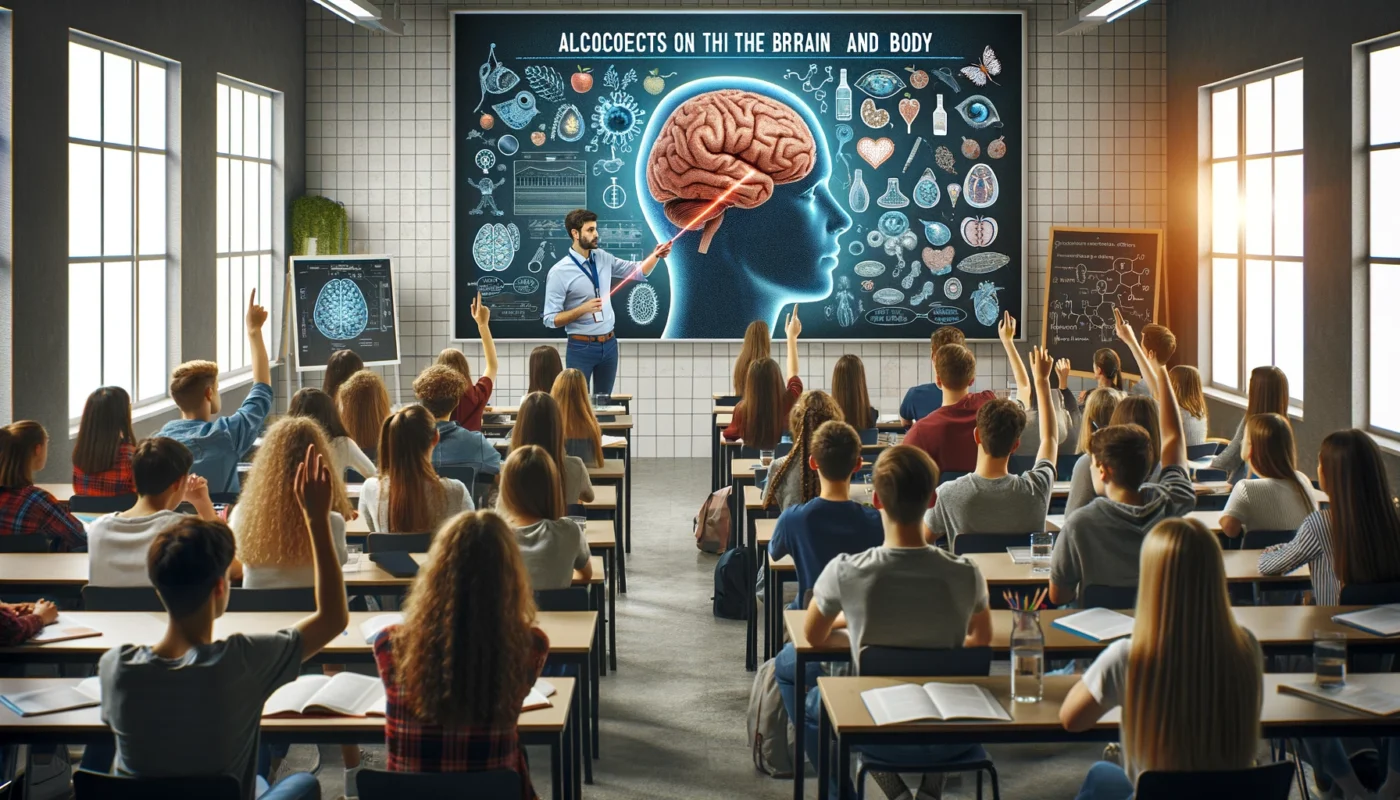
The establishment of 21 as the legal drinking age is more than a legal decision; it’s a policy informed by scientific research on brain development and the impacts of alcohol on young adults. Studies highlighted by the National Institute on Alcohol Abuse and Alcoholism (NIAAA) provide critical insights:
- Brain Development: The human brain continues to develop into the early twenties, and alcohol consumption can interfere with this process, potentially leading to long-term cognitive and behavioral issues.
- Risk of Addiction: Young individuals are at a higher risk of developing alcohol dependence, partly due to the neurobiological effects of alcohol on the developing brain.
- Alcohol-Related Injuries and Deaths: Statistically, younger individuals are more likely to engage in risky behaviors when consuming alcohol, leading to higher rates of accidents and fatalities.
These points underscore the rationale behind the age limit, emphasizing public health and safety concerns over individual freedom to consume alcohol.

Health Implications of Underage Drinking
Underage drinking is not just a legal issue but a significant public health concern. The Centers for Disease Control and Prevention (CDC) outlines numerous health risks associated with early alcohol consumption:
- Increased Risk of Physical and Sexual Assault: Alcohol use among teenagers and young adults is linked to an increased risk of experiencing or perpetrating assault.
- Alcohol Poisoning: Consuming large amounts of alcohol in a short period can lead to overdose and death.
- Long-term Health Problems: Early drinking is associated with an increased risk of developing chronic diseases such as liver cirrhosis and cardiovascular disease.
- Mental Health Issues: There is a strong correlation between underage drinking and the development of mental health problems, including depression and anxiety.
The CDC advocates for comprehensive strategies to prevent underage drinking, emphasizing the role of community and educational programs in addressing this issue.
Legal Implications and Enforcement
The legal ramifications of underage drinking are significant and multifaceted, affecting not only the individuals who consume alcohol before reaching the legal age but also those who supply it. Enforcement practices vary widely across states, reflecting the complexity of balancing individual freedoms with public safety concerns.
- For Individuals: Underage drinkers can face a range of consequences, from fines and community service to mandatory alcohol education programs and even incarceration for repeat offenses. The severity of penalties often depends on the specific circumstances and the individual’s legal history.
- For Establishments: Businesses that sell alcohol to minors face severe penalties, including hefty fines, suspension of liquor licenses, and potential closure. These measures are designed to ensure that retailers adhere strictly to the law.
- Effectiveness of Enforcement: Studies and reports suggest that strict enforcement of underage drinking laws, combined with public awareness campaigns, can significantly reduce alcohol consumption among minors. However, challenges remain, including the need for consistent enforcement and the impact of social norms that may tacitly condone underage drinking.
State-Specific Laws and Exceptions
The United States’ approach to regulating alcohol consumption among young people is characterized by a notable degree of variability at the state level. This variability allows for a tailored approach that can accommodate local values and traditions but also leads to a complex patchwork of regulations.
- Consumption in Private Settings: Some states allow minors to consume alcohol in private residences with parental consent, a provision that acknowledges family autonomy in making decisions about alcohol.
- Religious and Educational Exceptions: Certain states provide exceptions for alcohol consumption under religious circumstances or as part of educational curricula (e.g., culinary schools), recognizing the cultural and educational value of such experiences.
- Impact of State-Specific Exceptions: These exceptions play a crucial role in shaping the social and cultural landscape of alcohol consumption among young people, potentially influencing attitudes and behaviors related to alcohol use.
Prevention and Education Programs
Addressing underage drinking requires more than just legal restrictions; it necessitates comprehensive prevention and education efforts aimed at young people, their families, and communities. The Substance Abuse and Mental Health Services Administration (SAMHSA) and other organizations play a pivotal role in these efforts.
- Community-Based Initiatives: Programs that engage entire communities in preventing underage drinking by fostering environments that reduce the appeal of alcohol to minors.
- School-Based Education: Curricula designed to inform young people about the risks associated with alcohol consumption, equipping them with the knowledge and skills to make healthy decisions.
- Parental Involvement Programs: Initiatives that encourage open dialogue between parents and children about alcohol, emphasizing the role of parental guidance and supervision in preventing underage drinking.
Future Outlook and Debates
The debate over the legal drinking age in the USA continues to evolve, reflecting changes in societal attitudes, scientific understanding, and legal philosophies. As we look to the future, several key themes emerge:
- Calls for Lowering the Drinking Age: Advocates for lowering the drinking age argue that it would reduce the allure of forbidden fruit, encourage responsible drinking habits, and align the USA with many other countries where the legal age is lower.
- Arguments for Maintaining the Age Limit: Proponents of the current age limit cite research on brain development and the potential for reducing alcohol-related harm, arguing that the age of 21 is grounded in concerns for health and safety.
- Potential for Policy Innovation: There is ongoing discussion about alternative approaches to alcohol education and regulation, including graduated licensing for alcohol consumption, that could provide young people with a structured and supervised introduction to drinking.
Conclusion: Navigating the Complex Landscape of the Legal Drinking Age in the USA
As we have explored the multifaceted issue of the legal drinking age in the United States, it becomes clear that this topic is not just a matter of legal stipulation but a complex interplay of public health, safety, cultural norms, and individual rights.
The decision to set the drinking age at 21 is underpinned by a combination of scientific research, historical context, and societal values, aiming to protect young people from the potential harms of early alcohol consumption while acknowledging the challenges and debates that such a policy engenders.
The effectiveness of the legal drinking age is enhanced by a comprehensive approach that includes:
- Strict enforcement of laws
- State-specific regulations that respect local values and traditions
- Robust prevention and education programs
These efforts are crucial in shaping attitudes towards alcohol, reducing underage drinking, and mitigating the risks associated with it.
However, the ongoing debates and discussions about the legal drinking age highlight the dynamic nature of this issue. As new research emerges and societal attitudes evolve, it is essential for policymakers, communities, and individuals to remain open to reevaluating and potentially adjusting approaches to alcohol regulation and education.
The ultimate goal should be to foster a society where young people are equipped with the knowledge, skills, and support they need to make healthy decisions about alcohol consumption.
In conclusion, the legal drinking age in the USA is more than a number; it is a reflection of our collective commitment to safeguarding the well-being of young people. By continuing to engage in informed and thoughtful discussions about this topic, we can ensure that our policies and practices effectively address the complex realities of alcohol consumption among young Americans.
FAQs on the Legal Drinking Age in the USA
- What is the legal drinking age in the USA?
- The legal drinking age in the United States is 21 years old for both purchasing and publicly possessing alcohol.
- Why was the legal drinking age set to 21?
- The legal drinking age was set to 21 to help reduce alcohol-related traffic fatalities among young people, based on research showing that younger drivers are more likely to be involved in accidents after consuming alcohol.
- Are there any exceptions to the legal drinking age?
- Yes, some states have exceptions that allow minors to consume alcohol under specific circumstances, such as for religious purposes, in private settings with parental consent, or for educational purposes.
- Can states set their own drinking age?
- While states can technically set their own drinking age, the National Minimum Drinking Age Act of 1984 ties federal highway funding to having a minimum drinking age of 21, effectively standardizing it across the country.
- What are the penalties for underage drinking?
- Penalties vary by state but can include fines, community service, mandatory alcohol education classes, and even jail time for repeat offenses.
- Can businesses be penalized for serving alcohol to minors?
- Yes, businesses that sell or serve alcohol to minors can face severe penalties, including fines, suspension of their liquor licenses, and possible legal action.
- How effective is the legal drinking age at preventing underage drinking?
- Studies suggest that the legal drinking age of 21 has contributed to a decrease in alcohol-related traffic deaths among young people. However, underage drinking still remains a significant issue.
- Is there any movement to change the legal drinking age?
- There are periodic debates and discussions about lowering or modifying the legal drinking age, though no significant legislative changes have been made at the federal level since the age was set to 21.
- How do prevention and education programs help?
- Prevention and education programs aim to reduce underage drinking by raising awareness about the risks of alcohol consumption and encouraging healthy decision-making among young people.
- What role do parents play in preventing underage drinking?
- Parents play a crucial role by setting clear expectations about alcohol, supervising their children, and engaging in open conversations about the risks associated with drinking. Parental involvement is key to preventing underage alcohol consumption.
These FAQs provide a broad overview of the legal drinking age in the USA, highlighting the rationale behind the age limit, the exceptions, penalties for violation, and the importance of prevention and education in addressing underage drinking.