



The Ancient Origins of Armenian Wine: Unveiling Centuries of Tradition
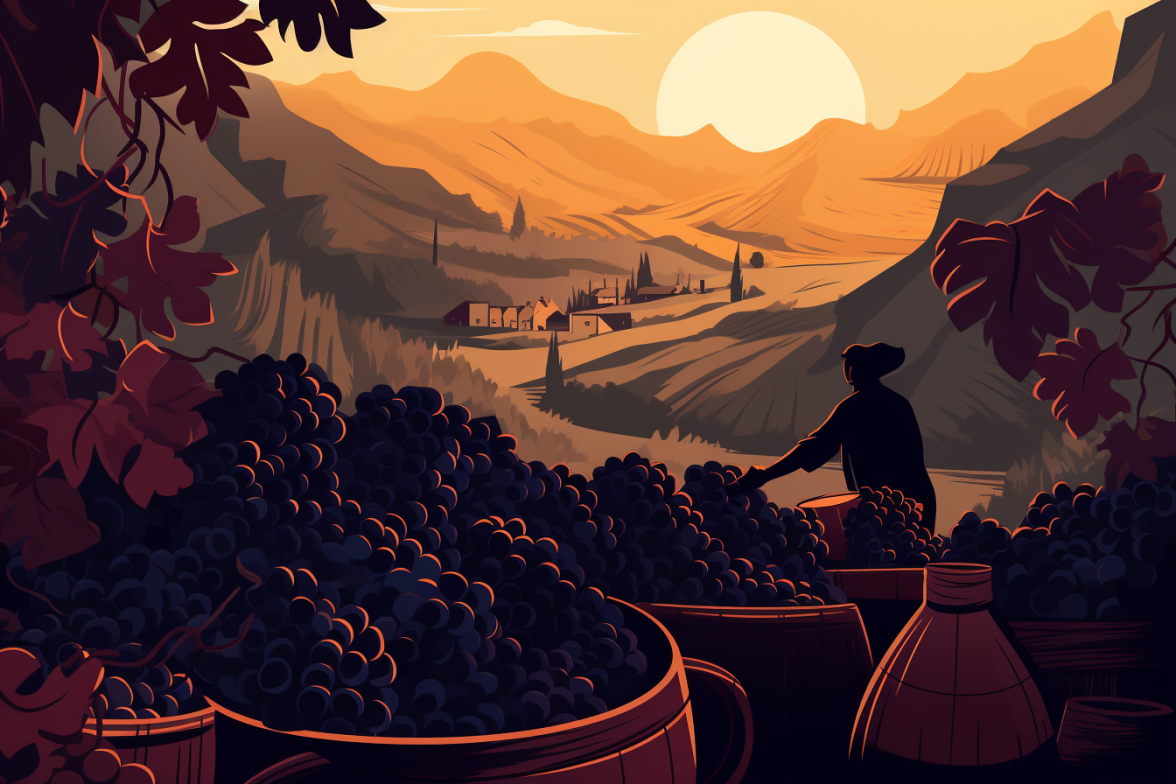
Armenia has a rich history when it comes to winemaking, with evidence of wine production dating back thousands of years. Archaeological discoveries have unveiled ancient winemaking equipment and grape seeds in various regions of the country, reinforcing the notion that Armenia has been cultivating grapes and producing wine for centuries. These findings highlight the deep-rooted traditions and expertise that have been passed down through generations of Armenian winemakers.
In addition to the physical evidence, Armenia’s long-standing winemaking traditions are also reflected in its folklore, literature, and even religious practices. Wine has played a significant role in Armenian culture, often serving as a symbol of hospitality and celebration. The ancient Armenian epic poem, “David of Sassoun,” features references to wine and its importance in social gatherings and rituals. Furthermore, the Armenian Apostolic Church includes wine in its sacraments, emphasizing the cultural and spiritual significance of this traditional beverage. The intricate connection between Armenian society and wine is further testament to the enduring legacy of winemaking in the region.
The Unique Terroir of Armenian Vineyards: Exploring the Influence of Climate and Soil
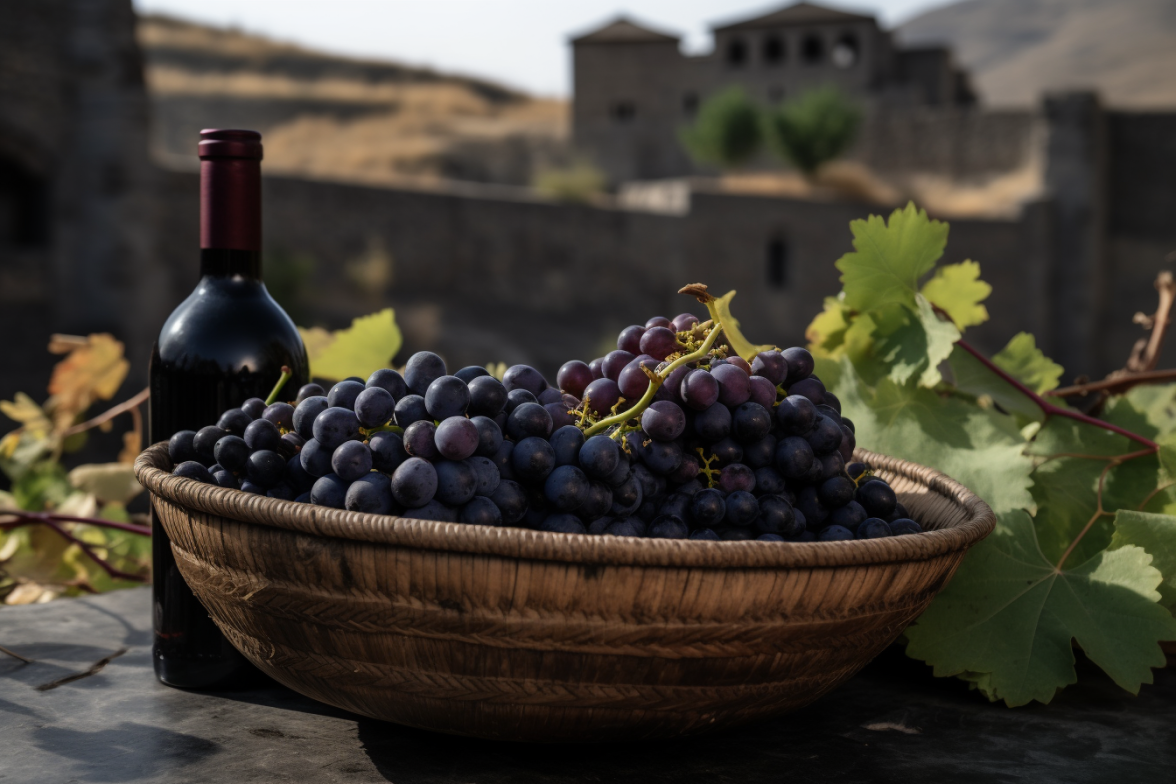
Armenian vineyards boast a unique terroir that plays a pivotal role in shaping the quality and characteristics of their wines. The region’s diverse climate and distinct soil compositions contribute to the complexity and depth found in Armenian wines.
Situated at the nexus of Europe, Asia, and the Middle East, Armenia experiences a continental climate with hot summers, cold winters, and moderate rainfall. This shifting climate, marked by significant day-to-night temperature variations, endows the grapes with exceptional flavor profiles and a harmonious balance of acidity and sweetness. In addition, the high altitude vineyard sites and the cooling effect of the nearby mountains allow for slow ripening, resulting in grapes with concentrated flavors and well-developed tannins.
The soils in Armenian vineyards are equally remarkable, varying from volcanic to limestone to granite, each lending its own nuances to the grapes. The volcanic soils, rich in minerals and nutrients, bestow the wines with a distinctive mineral undertone and a robust structure. Meanwhile, the limestone soils contribute to the elegance and finesse of Armenian wines, with their ability to retain water and ensure proper drainage. It is this intricate interplay between climate and soil that sets the stage for the captivating diversity and exceptional quality of wines produced in Armenian vineyards.

From Grape Varieties to Wine Styles: Discovering the Diversity of Armenian Wine
Armenia, with its long history of winemaking, boasts a remarkable variety of grape varieties that contribute to the diverse range of wine styles found in the country. From indigenous grape varieties such as Areni and Voskehat to international grapes like Cabernet Sauvignon and Chardonnay, the vineyards of Armenia offer a captivating tapestry of flavors and aromas. Each grape variety brings its own unique characteristics to the wines, reflecting the distinct terroir and climate in which they are grown.
The native Areni grape, for example, is renowned for producing elegant and complex red wines. Its thick skins contribute to the intense color and structure of the wines, while its fruity and spicy aromas add depth and complexity. On the other hand, Voskehat, a white grape variety, is known for its vibrant acidity and floral notes, resulting in refreshing and aromatic white wines. These indigenous grape varieties, along with others like Khndoghni and Kangun, have been nurtured by Armenian winemakers for generations, creating a rich mosaic of wine styles that showcase the country’s vinicultural diversity.
Traditional Winemaking Techniques: Preserving Heritage in the Modern Era
Traditional winemaking techniques play a crucial role in preserving the rich heritage of Armenian wine in the modern era. With a history spanning thousands of years, these techniques are deeply ingrained in the cultural identity of the country and have been passed down through generations of winemakers. From the planting of vines to the final fermentation process, every step of the winemaking journey is steeped in tradition and carried out with meticulous attention to detail.
One of the key aspects of traditional winemaking in Armenia is the use of clay vessels known as qvevris for fermentation and aging. These large earthenware containers are buried underground, allowing for natural temperature regulation and providing ideal conditions for the wines to develop complexity and depth of flavor. The use of qvevris not only preserves the authenticity of Armenian wine, but it also imparts unique characteristics that cannot be replicated through modern winemaking methods. This commitment to preserving traditional techniques not only celebrates the cultural heritage of the country, but it also sets Armenian wines apart on the global stage, captivating wine enthusiasts with their distinct and memorable profiles.
Unearthing the Armenian Wine Renaissance: Revitalizing the Industry after Soviet Rule
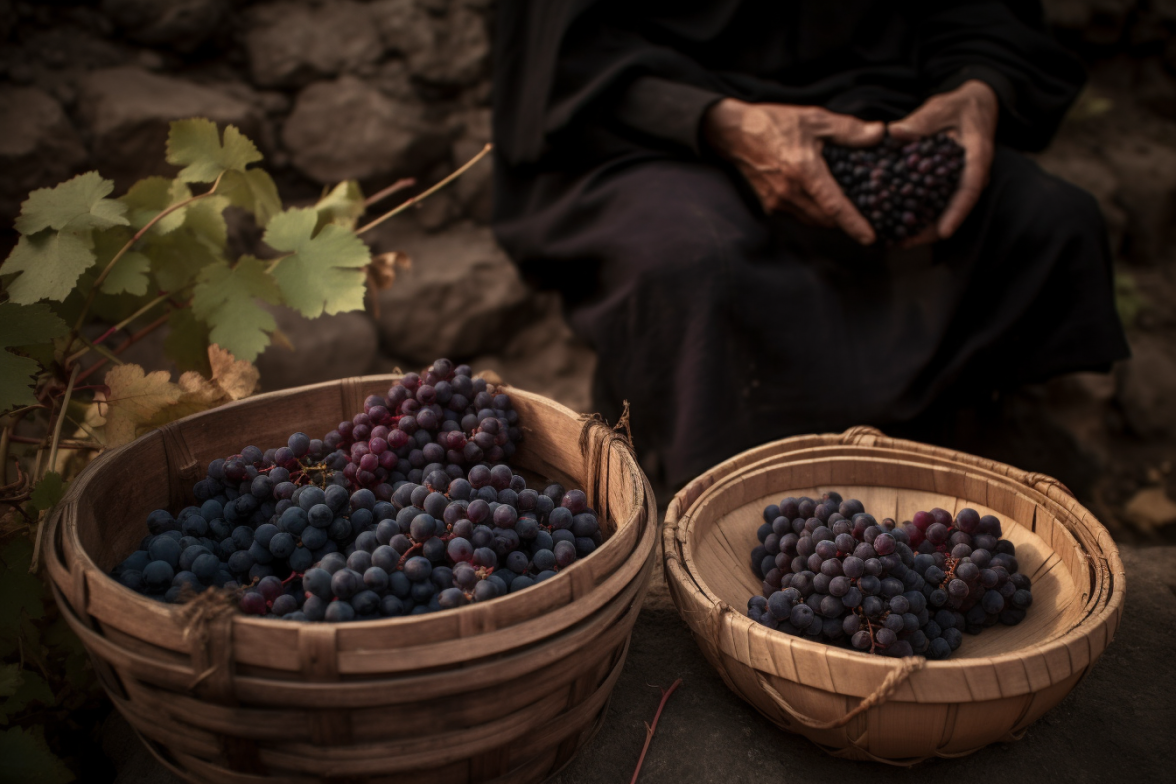
The fall of the Soviet Union in 1991 brought significant changes to Armenia’s wine industry. Prior to this, the sector had been heavily influenced by state-controlled wineries and vineyards, with a focus on quantity rather than quality. However, the dissolution of the Soviet Union allowed for a renewed sense of freedom and experimentation within Armenia’s winemaking community.
With the newfound independence, Armenian winemakers were able to rediscover their ancient winemaking traditions and explore new techniques and styles. Small-scale, family-run wineries began to emerge, shifting the focus back to quality and creating wines that truly reflected the unique terroir of the region. This period marked the beginning of what is now known as the Armenian wine renaissance, a time of revitalization and innovation in the industry. Today, Armenian wines are gaining international recognition for their distinct characteristics and are being celebrated by wine enthusiasts around the world.
The Role of Armenian Wine in the Culinary Scene: Pairing Experiences and Gastronomic Delights
Armenian wine has long played a vital role in the culinary scene, adding depth and complexity to a wide range of gastronomic delights. The rich history and cultural significance of Armenian wine make it a natural companion to the diverse flavors found in Armenian cuisine. From hearty meat dishes to delicate herb-infused salads, Armenian wines have the versatility to enhance and elevate a plethora of flavors.
One of the remarkable aspects of Armenian wine is its ability to complement the local ingredients and traditional cooking techniques. The unique terroir of Armenian vineyards, with its combination of high altitudes, cool climates, and volcanic soil, imparts distinct characteristics to the grapes, resulting in wines that are pleasantly acidic, fruit-forward, and effortlessly pairable with food. Whether it is a robust red wine harmonizing with succulent barbecued kebabs or a crisp white wine accentuating the freshness of locally sourced seafood, Armenian wines add a new layer of sensory delight to every culinary experience.
Wine Tourism in Armenia: Exploring Vineyards, Cellars, and Tasting Rooms
Nestled in the breathtaking landscapes of Armenia, the country’s vineyards offer an enchanting experience for wine enthusiasts and tourists alike. As you embark on a wine tour through the scenic valleys and hillsides, you will have the opportunity to witness the meticulous cultivation of grapes in the unique terroir. Armenian vineyards boast a rich tapestry of microclimates and diverse soil compositions that contribute to the distinct character of the wines produced. From the crisp whites of the high-altitude vineyards to the full-bodied reds nurtured in the volcanic soils, each sip tells a story of the land it came from.
Continuing your journey, you will delve into the depths of ancient winemaking traditions as you explore the historic cellars of Armenian wineries. Here, the secrets of the past are unveiled as you witness the intricate processes of fermentation, aging, and blending. The cool, dimly lit chambers are filled with oak barrels and clay jars, where wines mature and develop their unique flavors and aromas. Guided by passionate winemakers, you will learn about the traditional techniques employed in these cellars, passed down through generations, and watch as modern advances merge seamlessly with age-old practices. And, of course, your visit to the wineries would not be complete without indulging in a tasting of their exceptional wines, where you can savor the fruits of their craftsmanship and truly appreciate the legacy of Armenian winemaking.

The Rise of Armenian Wine on the Global Stage: Awards, Recognition, and Export Opportunities
In recent years, Armenian wine has been making waves on the global stage, receiving numerous awards and gaining recognition for its exceptional quality. This newfound success can be attributed to the country’s rich winemaking traditions, combined with modern techniques and a focus on producing high-quality wines.
Armenian winemakers have been honored with prestigious international awards, shining a spotlight on their craftsmanship and dedication to their craft. These accolades have brought well-deserved recognition to the country’s winemaking industry and have helped put Armenia on the map as a notable wine-producing region. As word spreads about the exceptional wines being produced in Armenia, more and more wine enthusiasts and connoisseurs are seeking out these unique offerings, creating exciting export opportunities for Armenian wineries.
The Cultural Significance of Wine in Armenian Society: Celebrations, Rituals, and Customs
Armenian society holds wine in high esteem, considering it an integral part of their cultural heritage and identity. From ancient times, wine has played a central role in various celebrations, rituals, and customs of this nation. The significance of wine is deeply rooted in Armenian traditions and is seen as a symbol of hospitality, friendship, and a connection to the past.
Armenians have a long history of toasting with wine during special occasions. Whether it is a wedding, birthday, or religious holiday, raising glasses filled with wine is a common practice. These toasts are not just a mere expression of celebration but also serve as a way to honor and pay respects to the ancestors. Additionally, wine plays a crucial role in religious ceremonies in Armenian churches, where it is an essential element of the Holy Communion, representing the blood of Christ. The rich cultural significance of wine in Armenian society is reflected in the importance placed on these celebrations and customs that have been passed down through generations.
Supporting Sustainability: Initiatives and Challenges in Armenian Wine Production
Sustainability has become a significant focus in the Armenian wine industry in recent years. As winemakers acknowledge the importance of preserving the environment and minimizing their ecological footprint, various initiatives have been implemented. One notable initiative is the adoption of organic and biodynamic practices in vineyard management. By eschewing synthetic fertilizers and pesticides, vineyards are able to maintain healthier ecosystems and produce grapes that express the unique terroir of the region. However, this transition presents challenges as well. Farmers must navigate the complexities of organic certification and find alternative methods to combat pests and diseases, requiring careful planning and experimentation.
Another important aspect of sustainability in Armenian wine production is minimizing water usage. With the country’s arid climate, efficient water management is crucial for both vine health and the environment. Many wineries have invested in modern irrigation systems, utilizing water-saving technologies such as drip irrigation and moisture sensors. The implementation of these practices not only ensures the long-term viability of the vineyards but also conserves valuable water resources in a region where scarcity is a concern. However, the initial costs of installing these systems and the need for ongoing maintenance pose financial challenges for small-scale producers. Balancing the pursuit of sustainable practices with the economic viability of wineries remains an ongoing challenge in the industry.
FAQs
What is the history of Armenian wine production?
The history of Armenian wine production dates back thousands of years, with evidence of winemaking techniques found in ancient archaeological sites.
How does the unique terroir of Armenian vineyards influence the wine?
The unique terroir of Armenian vineyards, including the climate and soil conditions, plays a significant role in shaping the characteristics and flavors of Armenian wines.
What grape varieties are commonly used in Armenian wine production?
Armenian wine production boasts a wide range of grape varieties, including indigenous varieties such as Areni, Voskehat, and Kangun, as well as international varieties like Cabernet Sauvignon and Merlot.
What traditional winemaking techniques are still used in Armenian wine production?
Armenian winemakers take pride in preserving their heritage by employing traditional winemaking techniques, such as using clay amphorae for fermentation and aging.
How did the Armenian wine industry recover after Soviet rule?
The Armenian wine industry experienced a renaissance after the fall of Soviet rule, with a focus on quality production, modernization of wineries, and international collaborations.
How does Armenian wine pair with Armenian cuisine?
Armenian wine complements the rich flavors of Armenian cuisine, enhancing the dining experience and creating delightful gastronomic combinations.
Is wine tourism popular in Armenia?
Yes, wine tourism is gaining popularity in Armenia, with visitors enjoying vineyard tours, cellar visits, and tasting experiences at various wineries.
Has Armenian wine gained recognition on the global stage?
Armenian wine has been gaining recognition on the global stage, with awards and growing export opportunities, showcasing the quality and potential of Armenian wines.
What is the cultural significance of wine in Armenian society?
Wine holds cultural significance in Armenian society, being an integral part of celebrations, rituals, and customs, symbolizing hospitality and togetherness.
What are some initiatives and challenges in Armenian wine production to support sustainability?
Initiatives in Armenian wine production to support sustainability include organic and biodynamic farming practices, water conservation efforts, and promotion of biodiversity. Challenges include climate change impact and access to resources for sustainable practices.