



Montenegro, with its rich cultural history, exudes pride for tradition while coexisting with modern life. From greeting guests with a toast to joyful performances at festivals – Montenegrin culture forms an essential component of daily life.
Montenegro epitomizes the saying, “there’s no place like home.” Family life plays an essential part in life here and generations-old traditions are maintained and upheld with pride.
Culture
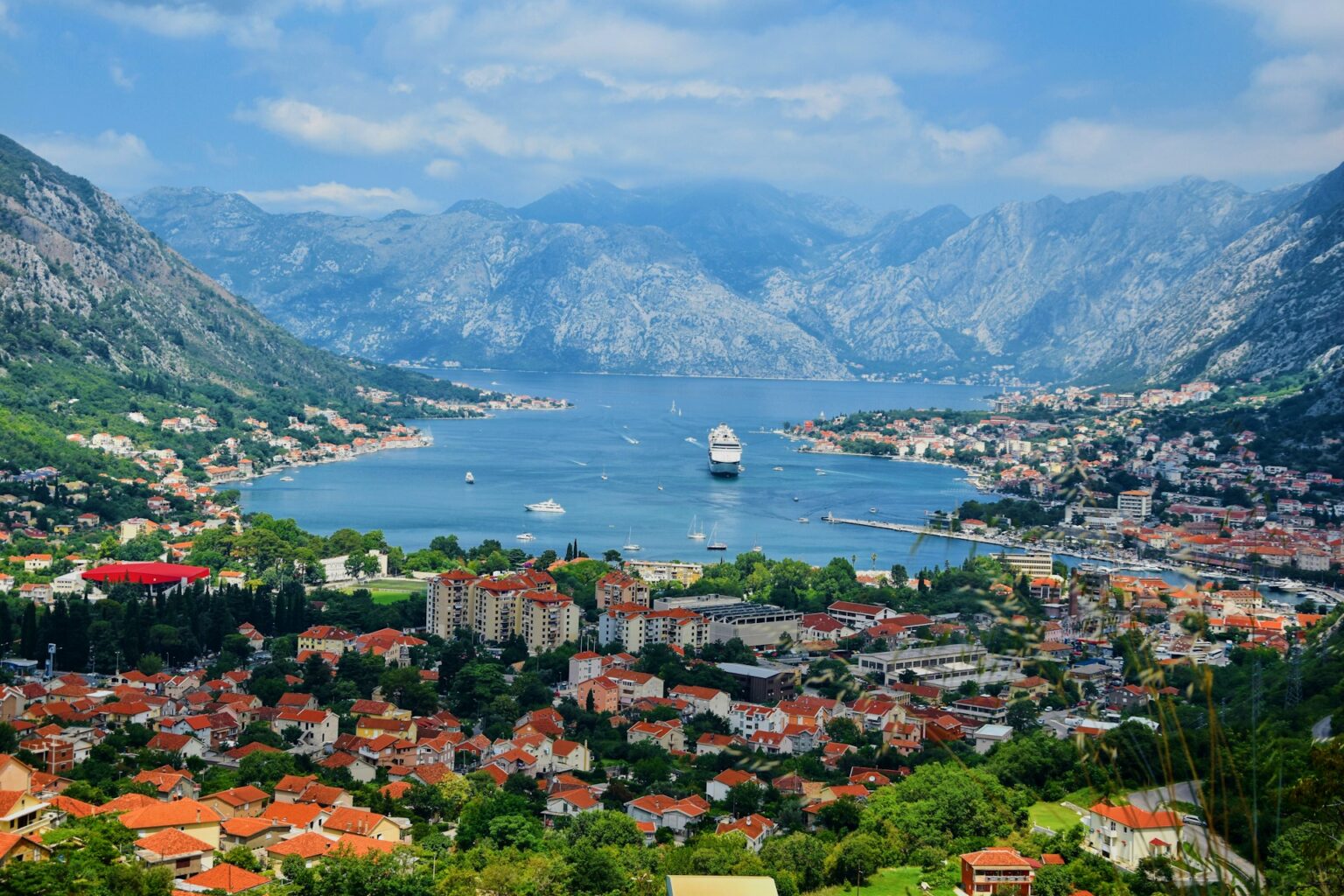
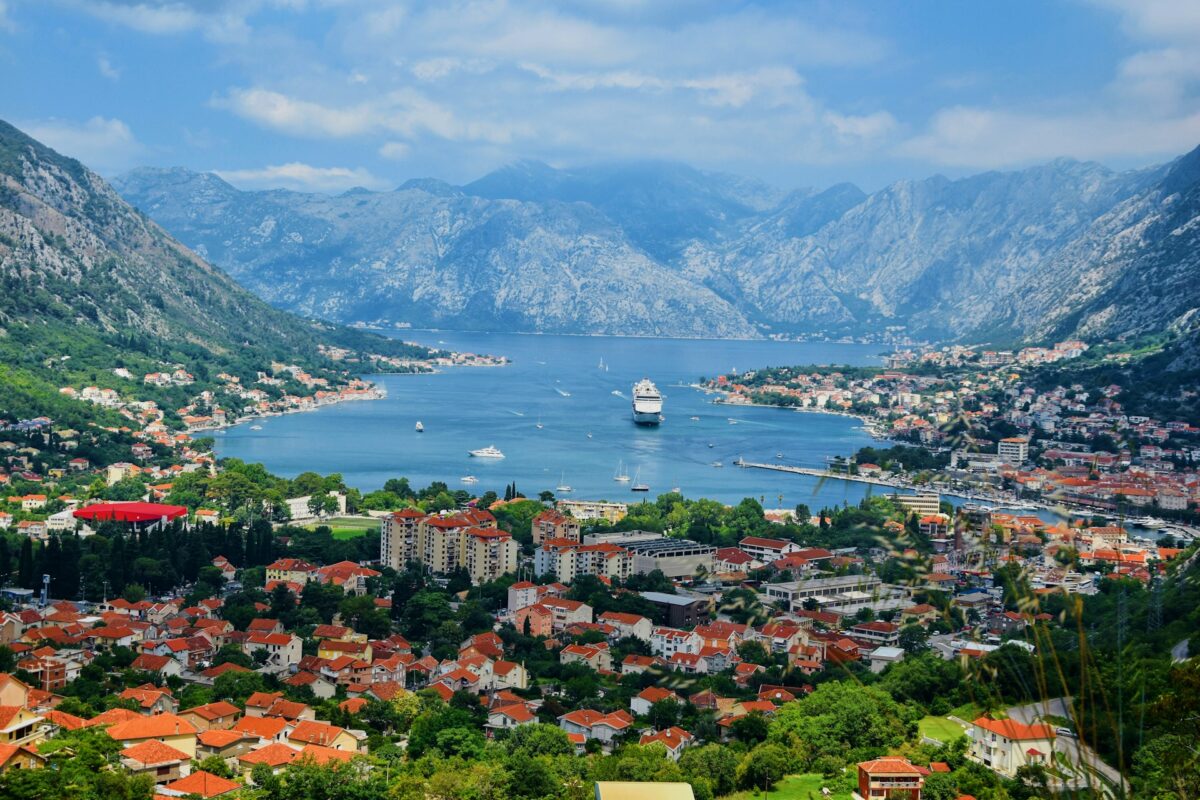
Montenegro’s culture is as rich and diverse as its landscape. From Kotor’s Venetian-stone walls to Montenegro’s world-renowned cheeses, there are multiple ways to experience Montenegro’s distinctive character.
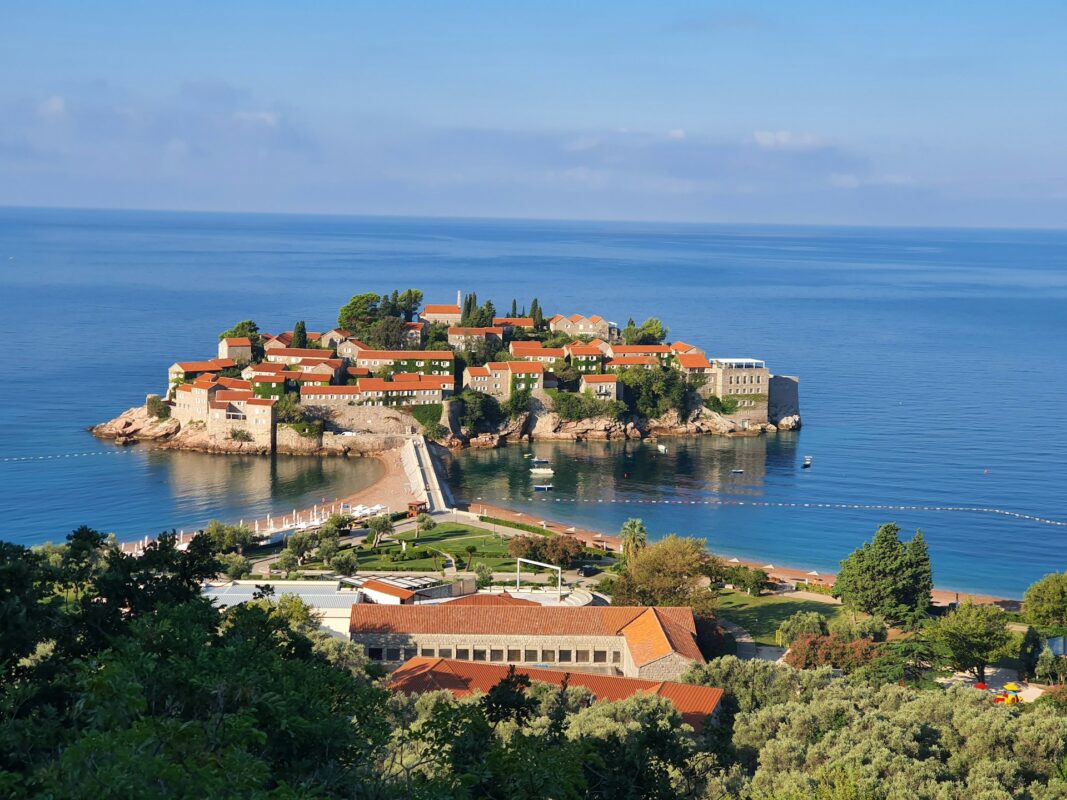
Montenegrins have always taken great pride in prioritizing relationships over frenetic activity; this approach is known as “samo polako.” From their idyllic Mediterranean coast homes to centuries-old villages, this phrase describes a relaxed way of living that encourages living fully in the moment.
Montenegro was traditionally home to extended clans governed by male elders known as zadrugas, often feuding over land and property disputes but nowadays functioning more as community-based organizations that provide aid for orphans and the elderly.
Montenegro is a place where family life comes first and last. Family values are revered with great affection among its citizens; Montenegrins cherish and revere their ancestors which sometimes hinders personal development; however, Montenegrins recognize there’s no place like home and embrace the idea that anything is possible with their approach embodied by cultural expressions such as “Sve Moze”: Anything Is Possible.
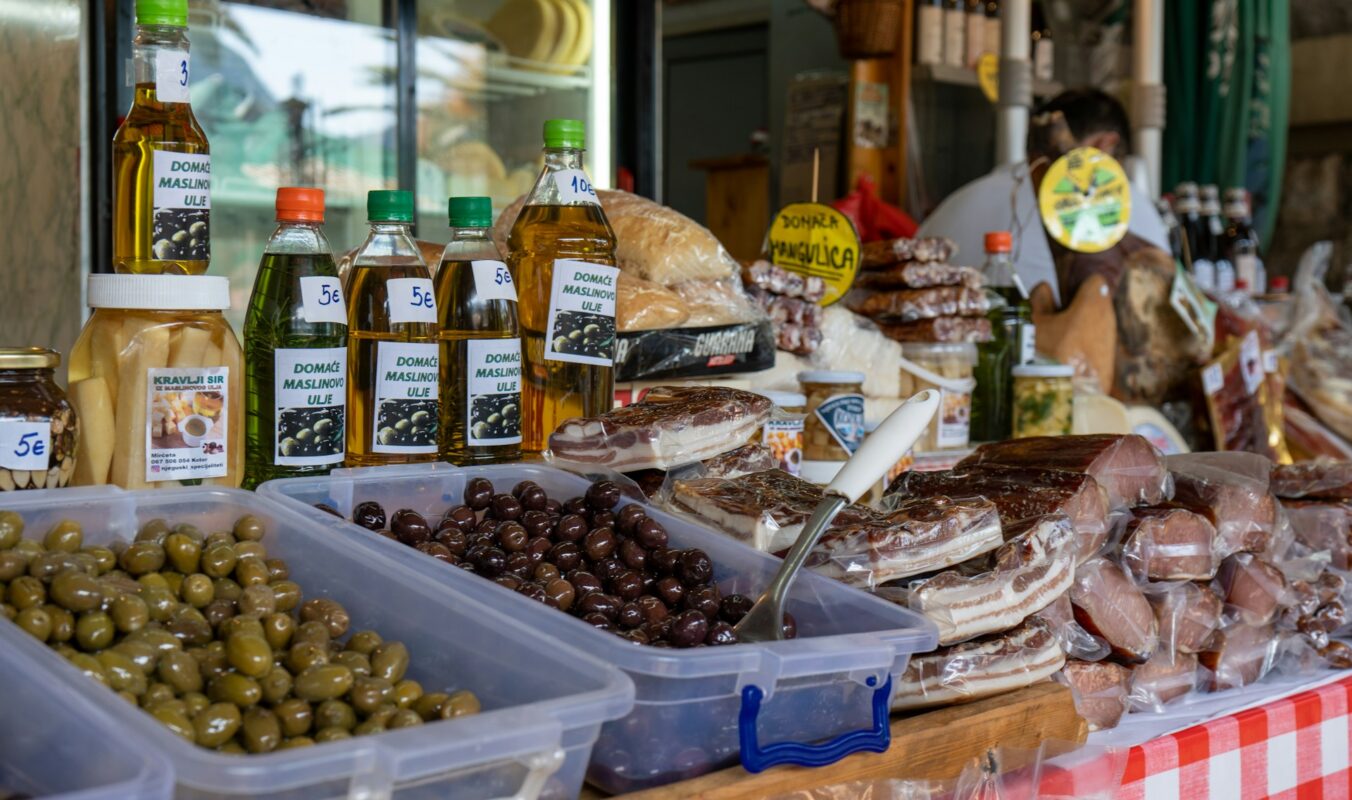
Montenegrin cuisine stands out as being rich with its use of organic, local ingredients. Village meals often go from farm to table (literally!) as vegetables and grains are grown or harvested right next door; creating an intimate connection to what we eat as well as showing the warmth of their culture of family-oriented hospitality.
Art is an integral component of Montenegrin culture. The Josip Bepo Benkovic Gallery has become well-known for exhibiting unconventional and experimental forms of art that challenge convention and push beyond what defines an artistic masterpiece.
An ancient and storied country carries with it an air of grandeur, and nowhere does this become more evident than in their national costumes worn at special events. Each vibrant garment symbolizes their nation’s longstanding heritage while symbolizing the strength, perseverance, and elegance of its people.
Food & Drink
Wine, beer, rakija and homemade juice are among the main beverages enjoyed in Montenegro. Autochthonous grape varieties such as Vranac red wine and Krstac white wine are highly esteemed while Niksicko beer remains one of Montenegro’s primary industries.
Montenegro’s mountainous terrain provides ideal conditions for growing fruit and vegetables, which in turn has led to their production being used in its traditional cuisine. Many pork and lamb dishes feature prominently, both known for their quality and flavor when prepared slowly in slow cooking environments – Prosciutto Ham from Njeguski is often enjoyed by residents as a staple dish!
Vegetables play a large role in Montenegrin cuisine. A specialty dish known as Rastan stands out among them – it belongs to the cabbage family but has more rustic appearance and taste, often served alongside dried mutton and potatoes for dinner.
Montenegrins have long held an affinity for winemaking and grape growing, and Rakija (grape brandy) is widely consumed throughout Montenegro as an aperitif, digestif or warming beverage in winter. Served in small shot glasses resembling shot glasses, its consumption should be sip rather than swallowed down quickly. There are various varieties made from different fruits such as plums (Sljivovica), pears (Kruskovaca) or even apricots (Kajsijevacca).
Montenegrins enjoy a very social drinking culture and it is common to see friends and families sharing bottles of rakija or wine during meals or gatherings, clink glasses when toasting and refuse any offer of alcohol that comes their way – this practice can be found both at convenience stores as well as specialized liquor stores.
Festivals & Carnivals
Montenegro hosts numerous captivating festivals and events throughout the year, providing visitors with something to thrill, amuse, or inspire them no matter their interests – be they music, sports, culture or something else entirely! Each festival boasts internationally-known musicians or offers an authentic cultural experience.
There are also events held to showcase local food and culture. Some are designed specifically for children while others cater to adults. Many events also allow attendees to interact with locals and learn more about their customs and traditions – making attending these events an excellent way to gain an appreciation of Montenegro’s cultural history and heritage.
Budva Carnival, held annually in May, is one of the world’s premier events, boasting costume parties and parades full of laughter as well as open air theater shows and kid-oriented masked balls for children.
Montenegro hosts various music festivals throughout the summer months, showcasing various genres from both domestic and international artists. One such popular event is Budva’s Sea Dance Festival which showcases electronic music performances on its beach; other popular festivals include Njegos Days in Cetinje which honors Petar II Petrovic-Njegos (an influential poet and ruler).
Montenegro is well known for its array of music, sports, and cultural festivals; as well as festivals commemorating harvest season. Olive Oil Days take place annually throughout Montenegro during October and November, offering tastings and workshops featuring local olive products. Other noteworthy festivals in Montenegro include Durmitor Ring Race in Durmitor National Park as well as Southern Soul Festival held in Ulcinj with jazz performances from local musicians.
Visitors to events can help support them by contributing money or volunteering their services, providing feedback or suggestions for improvement of future events, following organizers on social media to stay updated about upcoming opportunities or following organizers for updates about upcoming events and opportunities.
Samo Poloako
Montenegro’s mountainous terrain provided a harsh living environment for families in its past, with food production often depending on grass crops that flourished well throughout the seasons and was centred around traditional mountain huts known as katuns which provided refuge from harsh conditions and allowed people to build communities within its mountains. Today, these experiences help visitors better comprehend Montenegrin culture and way of life.
A typical day at a katun would start by milking sheep and cattle, enjoying a delectable breakfast, then traveling to various grassy mountain areas to graze livestock. Men’s tasks would include fencing repairs, clearing areas for summertime enjoyment and cutting and stacking hay for winter survival as well as catching wild game and tending the garden; women had multiple duties including making kajmak (clotted cream), cheese and thick yoghurt from fresh milk before creating meals or foraging in season.
Today, factors have resulted in reduced livestock numbers across north mountain villages. Still, a handful of katuns remain active for livestock grazing, rural tourism and hut-to-hut hiking and biking adventures.
Montenegro provides an exciting blend of cultural experience in a more contemporary atmosphere. There are countless vibrant venues where locals and travellers gather to drink and listen to music – whether that means cozying up to craft beer, exotic cocktails or jazz gigs while dancing on cobbles to bass beats; Montenegro nightlife caters for every taste!
Montenegro’s rich literary tradition spans from tales told around an open fire to words written down on paper; literature and poetry play an integral part in its culture. Although Montenegro may be small in terms of area, its long literary history boasts internationally-recognized authors like Njegos.
Montenegro is an exquisite travel destination that should be experienced slowly and mindfully, taking the time to breathe deeply of its crisp mountain air and focus on living in the moment – just as local Montenegrins do!