


Armenia: A Cradle of Ancient Winemaking
Armenia, nestled in the Caucasus region, boasts a long and storied history of winemaking. Dating back over six millennia, it holds the distinction of being one of the oldest wine-producing regions in the world. The fertile soil, favorable climate, and rich winemaking traditions have made Armenia the cradle of ancient winemaking.
Archaeological discoveries in the region have unearthed evidence of winemaking dating as far back as 4,000 BC. The ancient Areni-1 cave complex in the Vayots Dzor province is of particular significance, as it yielded grape seeds, winemaking equipment, and residues of pressed grapes. This remarkable find provides concrete evidence of the production, consumption, and appreciation of wine in Armenia since ancient times. The legacy of this ancient winemaking tradition continues to thrive in the modern era, with Armenia garnering recognition as a respected wine-producing nation.
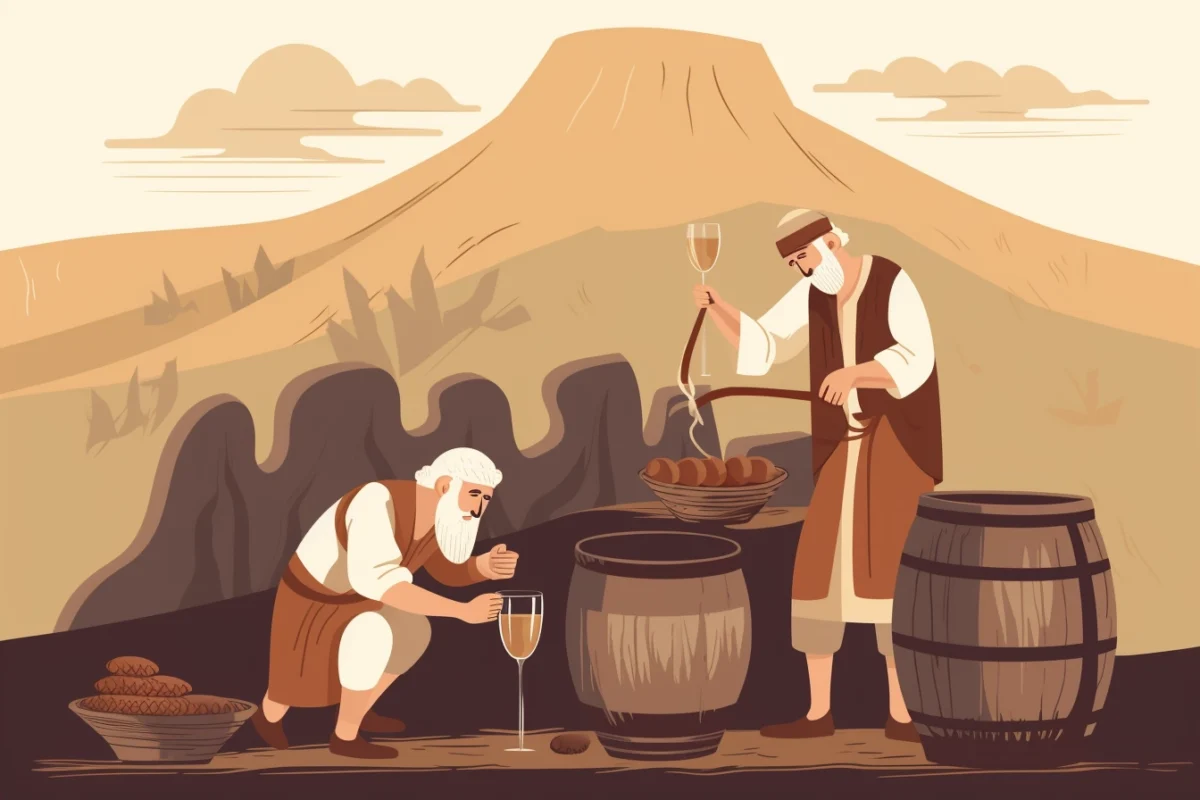
The Evolution of Winemaking in Armenia
Armenia, a land of rich traditions and ancient history, has been cultivating vineyards and producing wine for thousands of years. The evolution of winemaking in Armenia is a testament to the country’s deep-rooted connection with this cherished beverage.
From the earliest cultivation of wild grapevines to the modern techniques employed today, Armenian winemaking has undergone a remarkable transformation.
In ancient times, winemaking in Armenia was a fundamental part of agricultural practices. The indigenous Areni grape, renowned for its deep red color and complex flavors, was cultivated in terraced vineyards nestled within the picturesque landscapes. These early winemakers employed traditional methods such as foot-treading the grapes and using clay vessels known as karases for fermentation and aging.
Over time, advancements in winemaking techniques introduced the use of wooden barrels and the adoption of European practices, enhancing the quality and variety of Armenian wines. With the emergence of modern technology and scientific knowledge, winemakers in Armenia are now blending traditional methods with innovative approaches to produce exceptional wines that reflect the country’s unique winemaking heritage.
- Cultivation of vineyards and wine production for thousands of years
- Evolution of winemaking in Armenia
- Indigenous Areni grape: deep red color and complex flavors
- Terraced vineyards and picturesque landscapes
- Traditional methods: foot-treading grapes, karases for fermentation and aging
- Advancements in winemaking: use of wooden barrels, adoption of European practices
- Blending traditional methods with innovative approaches
Armenia’s Rich Wine Heritage: From Mythology to Modernity
Armenia has a rich wine heritage that traces its origins back to ancient times. The mythology surrounding wine in Armenia is fascinating, with legends attributing its creation to the gods themselves. According to one legend, the god of wine, Dionysus, descended upon Armenia and planted the first vineyard. This mythical beginning set the stage for the development of winemaking in the region.
Throughout history, winemaking in Armenia has evolved, adapting to changing techniques and technologies. From the traditional method of fermenting grapes in clay pots buried underground, known as “karas,” to modern stainless-steel tanks, Armenia’s winemakers have embraced innovation while still honoring their cultural heritage. The use of the karas method, which dates back over 6,000 years, continues to be a source of pride and distinction for Armenian winemakers, symbolizing their dedication to preserving ancient traditions. Simultaneously, modern winemaking practices have also gained prominence, allowing Armenian wines to compete on a global scale.
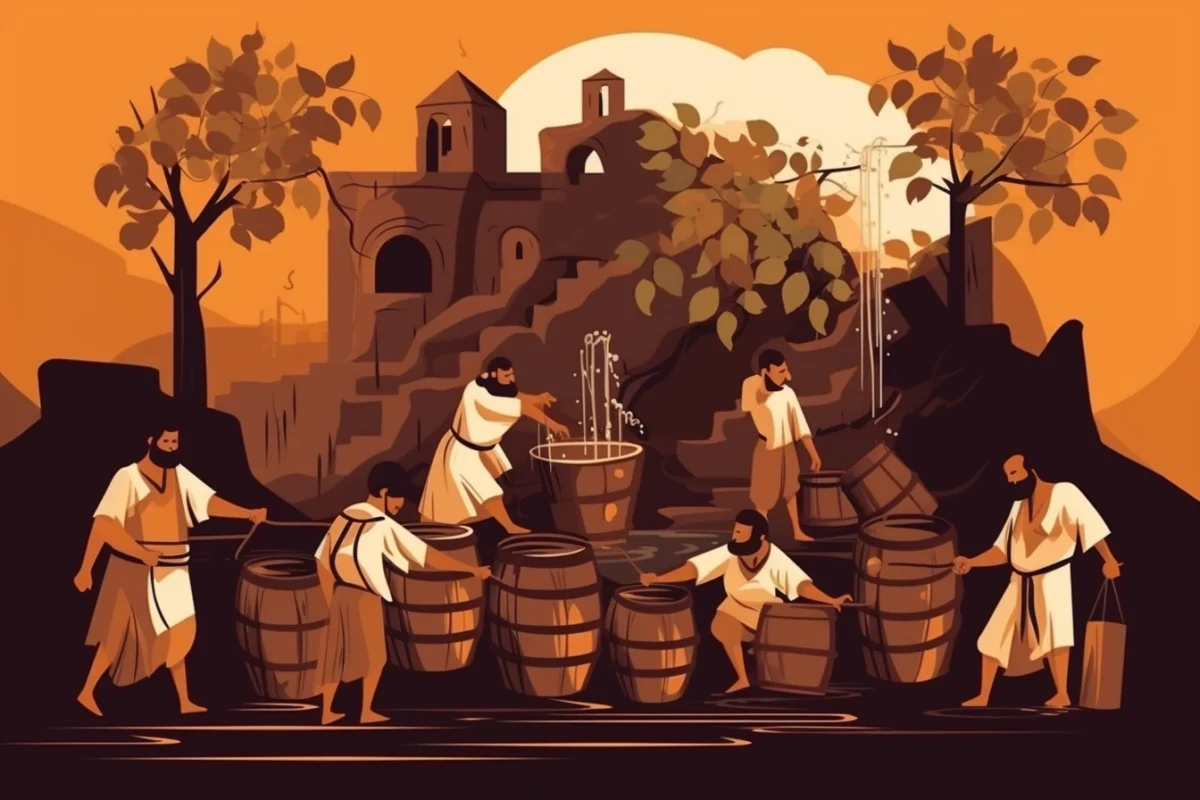
Discovering Armenia’s Traditional Winemaking Techniques
Armenia, known as a cradle of ancient winemaking, boasts a rich heritage of traditional winemaking techniques. This small country tucked away in the Caucasus region has a long and storied history of cultivating grapes and producing wine.
The traditional winemaking techniques employed by Armenians have been passed down through generations, resulting in a unique and distinct wine culture.
One of the traditional winemaking techniques that Armenia is famous for is the use of clay vessels called karas. These large earthenware containers have been used for thousands of years to ferment and age wine. The karas are buried in the ground, creating the perfect conditions for maintaining a consistent temperature throughout the fermentation process. This technique not only imparts a distinct flavor to the wine but also helps preserve the freshness and characteristics of the grapes.
In addition to the use of karas, another traditional winemaking technique in Armenia involves the pressing of grapes using feet. This ancient method, known as ancient feet pressing, is still practiced by some winemakers in remote villages. Grapes are placed in a shallow stone basin, and people step on them rhythmically, allowing the juice to be released while maintaining the grape skins’ integrity. This gentle extraction of juice results in wines with unique flavors and textures.
Discovering Armenia’s traditional winemaking techniques provides an insight into the country’s cultural heritage and the deep connection its people have with wine. As modern winemaking processes continue to evolve, many Armenian winemakers are embracing these traditional methods to preserve their heritage and create wines that pay homage to their ancestors.
Exploring the traditional winemaking techniques of Armenia offers wine enthusiasts a chance to taste history and experience the richness of this unique winemaking culture.
Benefits of Armenian Traditional Winemaking Techniques:
- Unique and distinct flavors
- Preservation of freshness and characteristics of grapes
- Cultural heritage and connection to the country’s history
- Homage to ancestors
Methods of Traditional Winemaking in Armenia:
- Use of clay vessels called karas for fermentation and aging
- Pressing grapes using feet in a shallow stone basin
The Cultural Significance of Wine in Armenian Society
Wine holds a significant place in Armenian society, rooted in both ancient traditions and modern practices. For centuries, wine has been deeply intertwined with Armenian culture, playing a prominent role in social gatherings, rituals, and celebrations. It serves as a symbol of hospitality and friendship, fostering connections and strengthening bonds among individuals and communities.
Armenians have long revered wine as more than just a beverage – it carries a spiritual and mythological aura. In Armenian mythology, winemaking is considered a divine gift, bestowed upon humanity by the gods. This belief adds an extra layer of reverence to the art of winemaking, elevating it to a sacred practice. Additionally, wine has been associated with various rituals and ceremonies, such as weddings, religious events, and family gatherings, symbolizing prosperity, happiness, and the interconnectedness of generations. The cultural significance of wine in Armenian society is not only a testament to its historical roots but also a reflection of the deep appreciation and respect that Armenians have for their traditions.
Exploring Armenia’s Unique Grape Varieties
Armenia boasts a diverse range of unique grape varieties that have been cultivated for centuries. One such variety is Areni Noir, native to the historic winegrowing region of Vayots Dzor. Known for its deep red color and intense flavor profile, Areni Noir is highly regarded for producing robust, full-bodied red wines. This grape variety has found its place in local winemaking traditions, showcasing the rich cultural heritage of the region.
Another notable grape variety in Armenia is Voskehat, which translates to “golden berry” in Armenian. This white grape variety is grown predominantly in the high-altitude wine regions of Vayots Dzor and Aragatsotn. Voskehat grapes, with their golden yellow skin and high sugar content, are used to produce elegant, aromatic white wines with notes of citrus, flowers, and honey. The unique characteristics of Voskehat contribute to the distinctiveness of Armenian wines, making them a delight for wine enthusiasts seeking new and distinct flavors.
The Role of Wine in Armenian Celebrations and Rituals
Wine holds an integral role in Armenian celebrations and rituals, symbolizing joy, abundance, and unity. During festive occasions such as weddings and birthdays, the presence of wine is a common sight, signifying the coming together of family and friends in celebration. The act of toasting with wine is a customary practice, with each participant taking turns to raise their glass and express well wishes and blessings to the occasion. Through this shared ritual, wine becomes a catalyst for fostering connections and creating a sense of warmth and camaraderie among the attendees.
In addition to celebratory gatherings, wine also plays a significant role in religious ceremonies in Armenia. The Armenian Apostolic Church, the national church of Armenia, incorporates wine into its sacraments. During Holy Communion, wine is consecrated and believed to transform into the blood of Christ. Serving as a symbolic representation of the divine, the consumption of wine during religious rituals deepens the spiritual connection of the participants and reinforces their faith. Beyond its literal and symbolic importance, the presence of wine in these sacred moments serves as a reminder of the intricate relationship between Armenian culture, tradition, and spirituality.
Armenia’s Drinking Culture: From Ancient Times to the Present
In Armenia, the tradition of drinking dates back thousands of years, with evidence of wine production as early as 4,000 BC. Wine has always played a significant role in Armenian culture, serving as a symbol of hospitality and bringing people together. The consumption of wine was not limited to special occasions; it was a part of everyday life for many Armenians.
Throughout history, drinking traditions in Armenia have evolved, influenced by various factors such as religion, politics, and social norms. In ancient times, wine was often associated with religious rituals and ceremonies, with offerings made to gods and ancestors. Over the centuries, as Armenia faced invasions and changes in rulers, the drinking culture adapted to new influences, including the introduction of distillation techniques and the influence of neighboring cultures. Today, while the customs and practices around drinking have evolved, the importance of wine in Armenian society remains strong.
Armenia’s Wine Industry: Challenges and Opportunities
Armenia’s wine industry faces both challenges and opportunities as it strives to grow and thrive in the modern world. One key challenge is the limited land available for vineyards due to the country’s mountainous landscape. This geographical constraint makes it difficult to expand vineyard areas and increase wine production. Additionally, Armenia’s wine industry is relatively small and less known compared to other wine-producing countries. This lack of global recognition poses a challenge in terms of marketing and distribution, making it crucial for Armenian winemakers to find innovative ways to promote their products on an international scale.
Despite these challenges, Armenia’s wine industry also holds great potential and opportunities. With its ancient winemaking traditions dating back thousands of years, Armenia has a unique story to tell and a rich wine heritage to offer. This can be a significant advantage in attracting wine enthusiasts who value history, authenticity, and cultural experiences. Furthermore, the rising global interest in natural and organic wines presents a promising opportunity for Armenian winemakers. By emphasizing their sustainable and traditional winemaking methods, they can position themselves as producers of high-quality wines that align with consumers’ increasing demand for natural and environmentally friendly products. Overall, Armenia’s wine industry must navigate the challenges ahead while leveraging its distinctive qualities to seize the opportunities available in the global market.
Preserving Armenia’s Winemaking Traditions for Future Generations
Preserving Armenia’s winemaking traditions is crucial for ensuring that future generations can continue to appreciate and learn from this rich cultural heritage. With a history dating back thousands of years, Armenian winemaking techniques have been passed down from generation to generation, embodying the country’s deep connection to the land and its bountiful resources.
However, in today’s fast-paced world, these traditional winemaking methods are at risk of being forgotten or overshadowed by modern advancements. As global tastes and preferences shift towards more commercialized and uniform wines, it becomes increasingly important to actively preserve and promote Armenia’s unique winemaking traditions. By doing so, we not only safeguard our national identity but also provide future winemakers with the knowledge and skills necessary to continue producing distinctive and exceptional Armenian wines.
FAQs
What is the history of winemaking in Armenia?
Armenia has a long history of winemaking, dating back thousands of years. It is considered one of the oldest wine-producing regions in the world.
How has winemaking evolved in Armenia over time?
Winemaking in Armenia has evolved from traditional methods to more modern techniques. While ancient winemaking relied on clay pots buried underground, today, stainless steel tanks and oak barrels are commonly used.
What is the significance of wine in Armenian society?
Wine holds great cultural significance in Armenian society. It is often enjoyed during celebrations and rituals, and is seen as a symbol of hospitality and friendship.
What are some traditional winemaking techniques in Armenia?
Traditional winemaking techniques in Armenia include using clay pots called qvevri for fermentation and aging, as well as natural methods such as wild yeast fermentation.
What are some unique grape varieties found in Armenia?
Armenia is home to several unique grape varieties, such as the native Areni grape, known for its rich red wines, and the Voskehat grape, which produces crisp white wines.
How is wine incorporated into Armenian celebrations and rituals?
Wine plays a central role in Armenian celebrations and rituals. It is often used for toasts, blessings, and as a symbol of unity and joy during weddings, baptisms, and other important events.
What is the drinking culture like in Armenia?
Armenia has a long-standing drinking culture, with wine being a popular choice. Drinking is often seen as a social activity, enjoyed with friends and family during meals or gatherings.
What challenges does Armenia’s wine industry face?
Armenia’s wine industry faces challenges such as limited access to international markets, lack of modern infrastructure, and the need for further promotion and marketing efforts.
How can Armenia’s winemaking traditions be preserved for future generations?
Preserving Armenia’s winemaking traditions requires a combination of efforts, including documenting traditional techniques, supporting local winemakers, and promoting the unique qualities of Armenian wines to a wider audience.