


Preparation Before Your Flight
When embarking on a journey, adequate preparation is key to ensure a smooth and enjoyable travel experience. Begin by confirming your flight details, including the departure time, gate number, and any potential delays. Check-in online if possible to save time at the airport and ensure your seat preference is secured. Additionally, familiarize yourself with the airline’s baggage policies to avoid any surprises at check-in. Packing essentials like travel documents, medications, valuables, and a change of clothes in your carry-on bag can provide peace of mind in case of lost luggage. Consider downloading important travel apps for navigating airports and staying updated on any flight changes.
Next, prepare for potential discomforts during the flight by wearing comfortable clothing and shoes that can easily be slipped on and off during security checks. Pack a travel pillow, eye mask, earplugs, and a cozy blanket to enhance your in-flight comfort. Hydration is crucial, so remember to bring an empty reusable water bottle to fill up after passing through security. Snacks like nuts, dried fruit, or granola bars can help stave off hunger between in-flight meals. Finally, perform a final check of your belongings and ensure all necessary chargers, adapters, and entertainment devices are packed and easily accessible during the flight.
Packing Essentials for Comfort
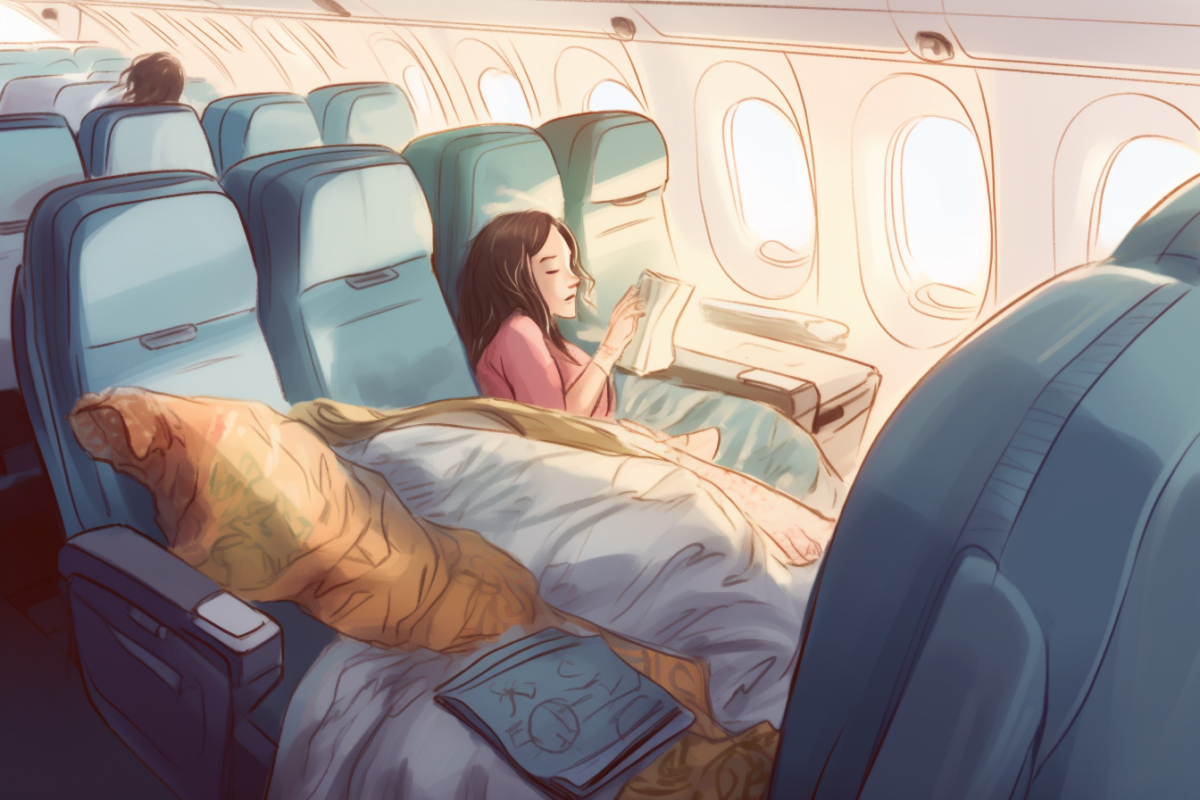
When preparing for a flight, it is essential to pack items that will enhance your comfort throughout the journey. Consider investing in a quality travel pillow that provides adequate support for your neck and head. This will help prevent stiffness and discomfort, especially during long periods of sitting.
Additionally, packing a cozy blanket or scarf can help regulate your body temperature in fluctuating cabin conditions. Opt for layers of clothing that are comfortable and breathable, allowing you to adjust to different temperatures easily. Remember to pack essentials such as earplugs or noise-canceling headphones to create a peaceful environment conducive to rest and relaxation.
Choosing the Right Seat
When selecting your seat for a flight, consider your preferences and needs for a comfortable journey. The window seat allows you to rest your head, gives you a view, and provides more privacy. For those who like to move freely without disturbing others, an aisle seat offers easier access to the restroom and stretching opportunities. Additionally, the middle seat might provide more opportunities for social interaction, especially if traveling with companions. Reflecting on your priorities can help make your decision easier.
Another aspect to consider when choosing a seat is proximity to certain amenities on the plane. For instance, seats close to the front usually experience less turbulence, while seats near the emergency exits offer additional legroom. On the other hand, seats at the back of the plane might be noisier due to the proximity of the engines. Being mindful of these factors can contribute to a more pleasant flight experience.
Staying Hydrated and Nourished
To maintain optimal health during your flight, it is crucial to prioritize hydration and nourishment. Airplane cabins are notorious for their dry air, which can lead to dehydration. Therefore, it is recommended to drink plenty of water throughout the flight to stay hydrated. Additionally, limiting alcoholic and caffeinated beverages is advisable as they can contribute to dehydration.
In terms of nourishment, choosing snacks and meals that are nutritious and light can help keep your energy levels up and prevent discomfort. Opt for fruits, vegetables, nuts, and whole grains for a balanced and satisfying in-flight meal. It is also wise to pack your own snacks to avoid relying solely on the often limited and less healthy options available for purchase during the flight. By making conscious choices about what you eat and drink, you can ensure a more comfortable and enjoyable travel experience.
Tips for Sleeping on a Long Flight
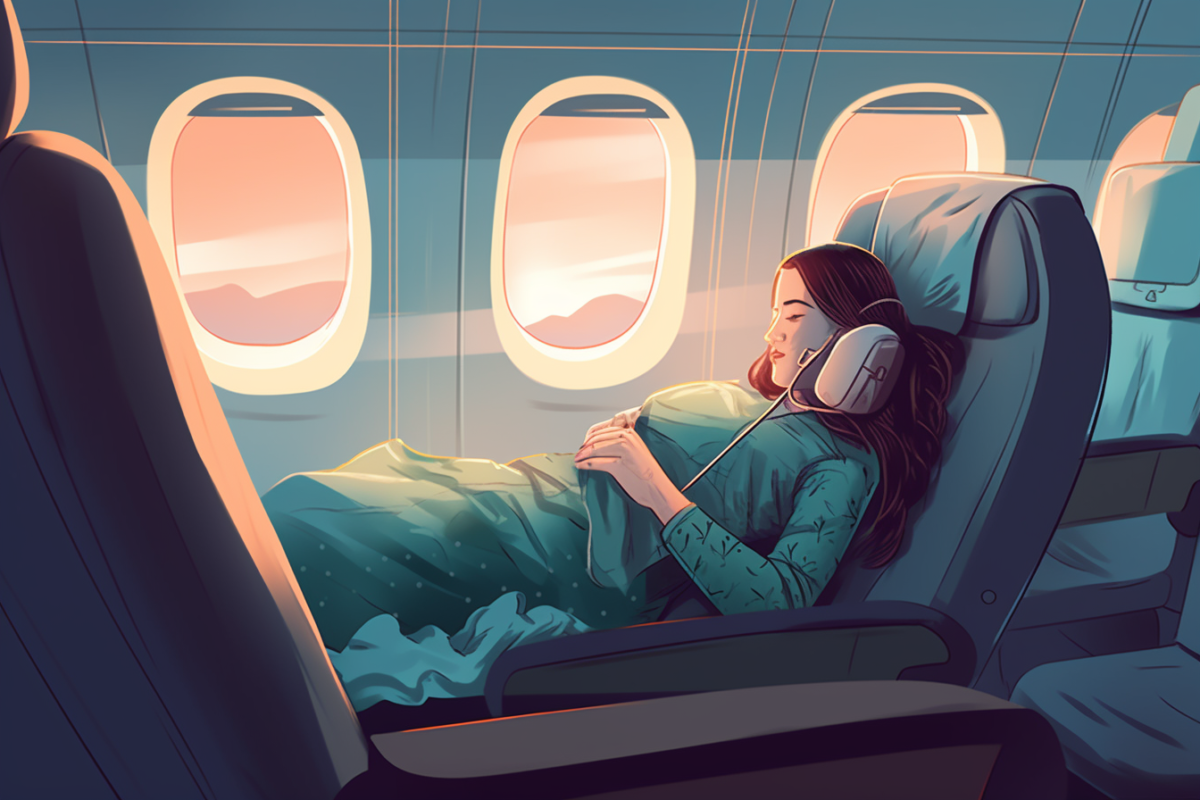
When attempting to rest on a lengthy aircraft journey, it is crucial to create a comfortable sleeping environment conducive to relaxation and sleep. Start by bringing along a neck pillow, eye mask, and earplugs to block out any disruptions. Adjust your seating position to a reclined posture, with added support for your lower back, allowing for better alignment of your spine during sleep.
Moreover, it is advisable to wear loose, comfortable clothing to promote ease of movement while avoiding restriction that may impede circulation. Refrain from consuming heavy meals just before attempting to sleep, as this can lead to discomfort and indigestion. Instead, opt for light snacks that aid in facilitating sleep, such as a small portion of nuts or a piece of fruit to maintain blood sugar levels and avoid interruptions to your rest.
Avoiding Jet Lag
Flying across multiple time zones can wreak havoc on your body’s internal clock, leading to the infamous jet lag. To combat this, it is crucial to gradually adjust your sleep schedule in the days leading up to your flight. By shifting your bedtime and waking hours closer to those of your destination, you can help your body adapt more smoothly to the time difference.
In addition to adjusting your sleep schedule, staying hydrated throughout your flight is essential in combating jet lag. Dehydration can exacerbate symptoms and make it harder for your body to adjust to the new time zone. Be sure to drink plenty of water before, during, and after your flight to keep your body functioning optimally and to help minimize the effects of jet lag.
Entertainment Options
When embarking on a long flight, it is crucial to consider various entertainment options to keep yourself occupied during the journey. In-flight entertainment systems have evolved significantly over the years, offering passengers a wide array of movies, TV shows, music, and games to choose from. Many airlines provide individual screens with on-demand content, allowing travelers to personalize their entertainment experience based on their preferences.
If the in-flight entertainment does not meet your expectations, consider bringing your own sources of entertainment such as books, magazines, or a tablet loaded with your favorite movies and TV shows. Additionally, some airlines offer Wi-Fi services, allowing passengers to stream content or catch up on work while in the air. Engaging in various entertainment options will not only help pass the time but also make your flight more enjoyable and comfortable.
Stretching and Moving Around
It is crucial to prioritize movement during long flights to prevent stiffness and discomfort. Take advantage of any opportunity to stand up and stretch your legs in the aisle when the seatbelt sign is off. Additionally, incorporate simple exercises like ankle circles, shoulder rolls, and neck stretches while seated to improve circulation and reduce muscle tension.
Remember to walk to the restroom or stretch at the back of the plane at regular intervals. Utilize the available space to perform gentle yoga poses, such as seated spinal twists or forward bends, to counteract the effects of sitting for prolonged periods. These movements can help enhance blood flow and flexibility while promoting relaxation during your journey.
Dealing with Unexpected Delays
In the world of travel, unexpected delays can be a common occurrence that can disrupt one’s itinerary. It is essential for travelers to remain calm and composed when faced with such challenges. One key strategy in dealing with unexpected delays is to stay informed and updated about the situation. This can be achieved by regularly checking for flight status updates through the airline’s website or app, as well as staying in touch with airline staff for any relevant information.
Additionally, travelers should consider having a backup plan in place in case of delays. This could involve preparing a list of nearby accommodations or alternative transportation options, should the need arise. By being proactive and adaptable in these situations, travelers can minimize the stress and inconvenience caused by unexpected delays, turning a potentially frustrating experience into a manageable one.
Arrival and Recovery Strategies
Upon reaching your destination after a long flight, prioritize rest and relaxation to combat travel fatigue. Find a comfortable place to unwind and allow your body to recover from the journey. It is essential to hydrate, stretch, and move around to alleviate stiffness and improve circulation. These simple actions will aid in revitalizing your body and mind post-flight.
Additionally, consider taking a refreshing shower to rejuvenate yourself and rid your body of any lingering travel grime. Freshening up will help you feel more alert and prepared for your upcoming activities. Remember to continue hydrating and nourishing your body, and if time allows, engage in light exercise to further invigorate yourself. By implementing these strategies, you can enhance your post-flight recovery and make the most of your travels.
FAQs
What should I do to prepare before my flight?
It is important to make sure you have all necessary travel documents, pack your essentials, choose the right seat, and stay hydrated and nourished before your flight.
What are some packing essentials for comfort during a long flight?
Packing essentials such as a neck pillow, blanket, eye mask, earplugs, lip balm, and moisturizer can help you stay comfortable during your flight.
How can I choose the right seat on a plane?
Consider factors such as legroom, proximity to the lavatory, and whether you prefer a window or aisle seat when choosing the right seat on a plane.
What are some tips for sleeping on a long flight?
To sleep better on a long flight, consider bringing a travel pillow, wearing comfortable clothing, and trying relaxation techniques like deep breathing.
How can I avoid jet lag when traveling across time zones?
To avoid jet lag, try adjusting your sleep schedule before your trip, staying hydrated, getting sunlight exposure, and avoiding alcohol and caffeine.
What entertainment options are available on long flights?
Many airlines offer in-flight entertainment such as movies, TV shows, music, and games to keep passengers entertained during long flights.
Why is it important to stretch and move around during a long flight?
Stretching and moving around during a long flight can help prevent blood clots, muscle stiffness, and discomfort from sitting for extended periods of time.
How can I deal with unexpected flight delays?
In the event of unexpected flight delays, stay informed about the situation, contact your airline for updates, and make alternative travel arrangements if necessary.
What are some arrival and recovery strategies after a long flight?
To recover from a long flight, consider taking a shower, getting some fresh air and sunlight, staying hydrated, and getting a good night’s sleep to help your body adjust to the new time zone.