


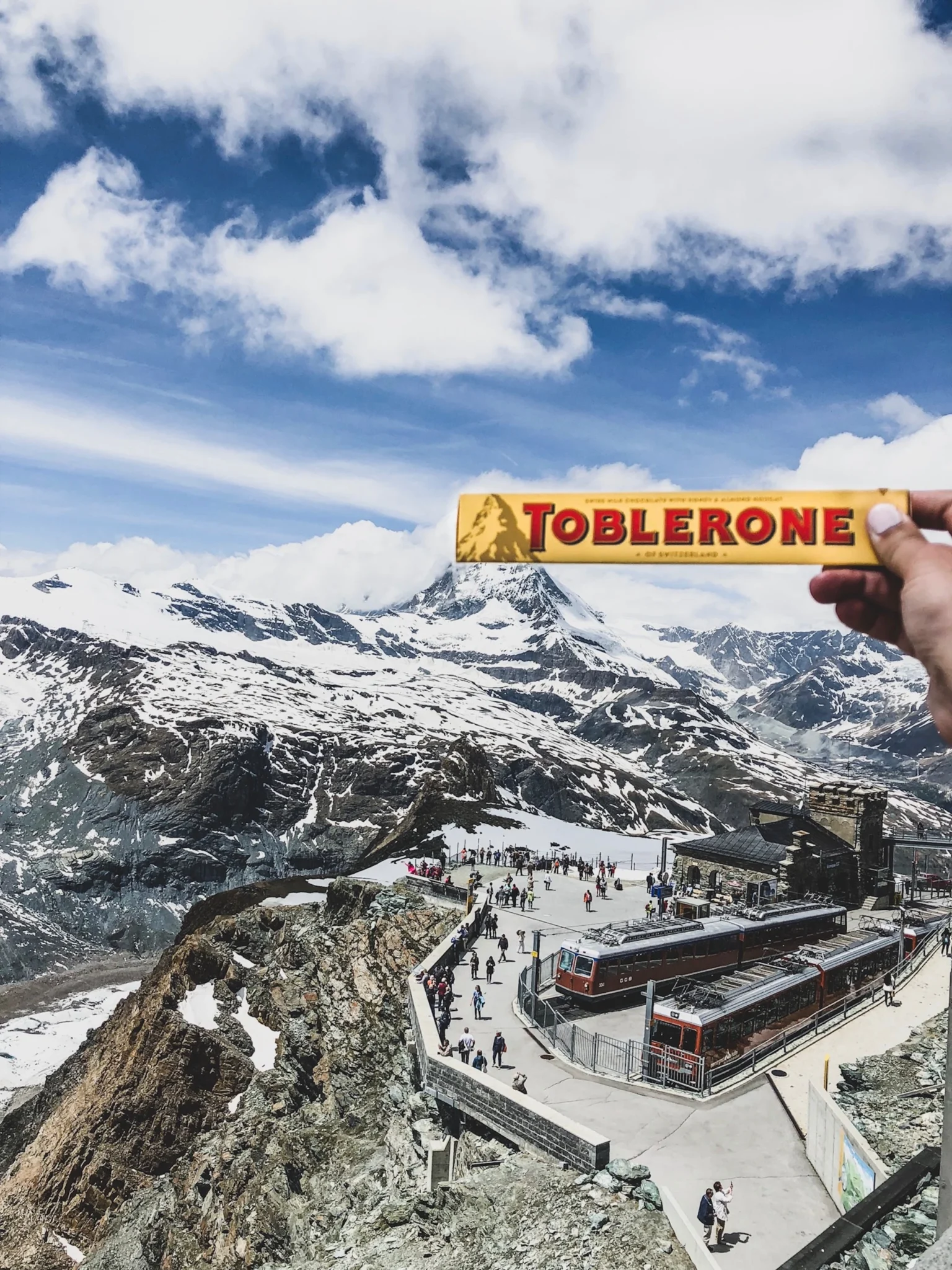

A Behind-the-Scenes Look at Switzerland’s Chocolatiers
Exploring the Origins of Swiss Cocoa Delights
Diving into the deep, rich history of Swiss chocolate making, we need to travel back to the 1800s. It was a time when Switzerland, known for its cheese and watches, decided to add another feather to its cap: the production of exquisite chocolates. Francois-Louis Cailler, a notable name in the world of chocolates, pioneered this sweet endeavor in 1819 by establishing the first mechanized chocolate production.
Interestingly, it was not just rich, fertile Swiss soil that contributed to the success of Swiss chocolate. The innovative push in developing novel techniques proved seminal. The invention of “conching”, a technique devised by Rodolphe Lindt in the late 19th century, played an integral role in enhancing the smoothness and flavor of Swiss chocolates, setting the standard for quality worldwide.
Key Points:
- Swiss chocolate making began in the 1800s, with Francois-Louis Cailler establishing the first mechanized chocolate production in 1819.
- Swiss chocolates owe their success not only to the fertile soil but also to innovative techniques.
- Rodolphe Lindt’s invention of “conching” in the late 19th century greatly improved the smoothness and flavor of Swiss chocolates, establishing a global quality standard.
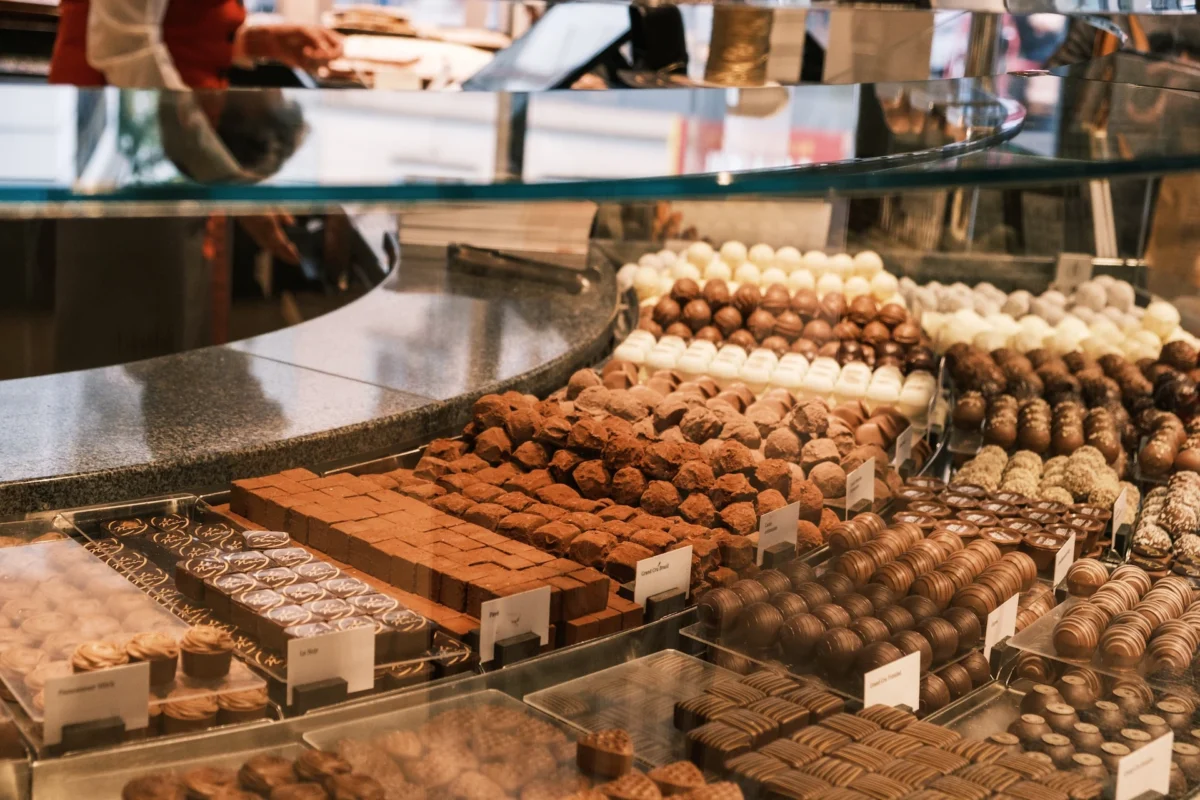
The Art and Science of Swiss Chocolate Making
Swiss chocolates are symbolic of precision, passion, and meticulous craftsmanship. This aphorism is ingrained in the Swiss culture — a testament to their unwavering commitment to quality and superior tastes.
The artistry is evident in the diverse range of chocolates they incorporate, from rich dark to smooth milk chocolates. The creativity doesn’t stop here, as their chocolates exhibit a seamless fusion of subtle variations, like incorporating hazelnuts, almonds, honey, nougat, and fruits.
Every step, from choosing the right cacao beans to tempering the chocolate to a perfect glossy finish, reflects the art inherent in Swiss chocolate making.
However, the making of these intricate marvels is not all aesthetics and creativity; it is equally entrenched in scientific precision. At the heart of Swiss chocolate innovation is the science of conching, a process innovated by Swiss chocolatier Rodolphe Lindt in 1879.
This step involves the constant stirring of chocolate at controlled temperatures to achieve a smoother texture, reduce acidity, and evenly distribute cocoa butter. The chocolates are also subjected to exacting processes like crystallization, to ensure they melt at just the right temperature, delivering an unmatched sensory experience.
Each phase, from the exact temperature controls to the minute timing details, reflects the scientific rigor that accompanies the artistry of Swiss Chocolate making.
Understanding the Significance of Switzerland’s Cacao Sourcing
Switzerland’s cacao sourcing holds significance that stretches far beyond its borders, serving as a backbone to the country’s world-renowned chocolate industry. Sourcing primarily from West African countries, specifically the Ivory Coast and Ghana, Swiss chocolatiers handpick cacao beans known for their distinct, full-bodied flavor profiles. This attention to sourcing quality ingredients is a testament to the Swiss chocolate industry’s dedication to crafting products of the highest caliber. This selective sourcing approach also ensures the refinement process results in a rich, smooth texture synonymous with Swiss chocolate.
The implications of cacao sourcing are not only flavor-oriented, it is also closely linked to key ethical and sustainable practices. Many Swiss chocolate companies are committed to fair trade principles, ensuring that the cacao crop farmers receive fair compensation. They aim to foster healthy economic ecosystems around cacao farming regions. Additionally, sustainability is a consideration — mindful harvesting of cacao minimizes environmental harm. Ultimately, the significance of Switzerland’s cacao sourcing extends far beyond mere taste, contributing positively to global agricultural communities and protecting our planet’s resources.
Flavor and Quality
Swiss chocolatiers source cacao beans from West African countries, specifically the Ivory Coast and Ghana. These beans are carefully handpicked for their distinct, full-bodied flavor profiles. This meticulous sourcing of quality ingredients is a testament to the Swiss chocolate industry’s dedication to crafting products of the highest caliber. The refinement process ensures a rich, smooth texture that has become synonymous with Swiss chocolate.
Ethical and Sustainable Practices
Swiss chocolate companies prioritize more than just taste. They are committed to fair trade principles, ensuring that cacao crop farmers receive fair compensation for their work. By fostering healthy economic ecosystems around cacao farming regions, they contribute to the well-being of local communities. Moreover, sustainability is a key consideration. Mindful harvesting of cacao helps minimize environmental harm, protecting our planet’s resources for future generations.
Positive Impact
Switzerland’s cacao sourcing goes beyond satisfying chocolate cravings. It has a positive impact on global agricultural communities and the environment. By adhering to ethical and sustainable practices, Swiss chocolatiers contribute to fair compensation for farmers and the cultivation of healthy economic ecosystems. Additionally, their mindful approach to cacao harvesting helps protect the environment, ensuring a sustainable future for the industry and our planet.
Process of Crafting Exquisite Swiss Chocolates
Swiss chocolates are crafted through an intricate process that combines traditional methods with modern techniques, a synergy that forms the core of the Swiss chocolate industry’s esteemed reputation. This process begins with carefully surveilling and selecting cacao pods, a component of utmost importance in defining the taste, richness, and quality synonymous with Swiss chocolates.
The harvested cacao beans undergo fermentation, a crucial step that pre-defines the calculated development of the chocolates’ distinct flavor profiles. After the fermentation stage, the cacao beans are subjected to a meticulous drying process which typically occurs under the sun. Care must be taken to prevent overexposure- an element that may lead to acidity or bitter tastes in the final product.
The dried beans are then transported to the Swiss factories where they are carefully roasted, ground into a smooth paste, and further refined to create a rich, luxurious product. During the refining process, well-guarded, proprietary blending techniques are used. These involve adding in locally sourced milk, sugar, and sometimes vanilla, to achieve the velvety texture and distinct flavor that is quintessentially Swiss.
These nuanced production techniques speak volumes about the painstaking effort Swiss chocolatiers invest in their craft, delivering a taste experience that is nothing short of exquisite.
Process Overview:
- Surveillance and selection of cacao pods
- Fermentation of cacao beans to develop flavor profiles
- Meticulous drying process to prevent overexposure
- Roasting, grinding, and refining of beans into a smooth paste
- Proprietary blending techniques using locally sourced ingredients
- Resulting in a rich, velvety texture and distinct flavor
Swiss chocolates truly exemplify the dedication and skill of Swiss chocolatiers, providing an unparalleled indulgence for chocolate lovers worldwide.
Diving Deep into the Production Techniques of Swiss Chocolatiers
Swiss chocolatiers adhere to refined and time-honoured methods that have been handed down generations, encapsulating centuries of rich cocoa traditions. This rigorous approach to chocolate making reflects the meticulous Swiss disposition, combined with determined scientific precision, that results in masterpieces of taste with each handcrafted piece.
Employing a mix of old-school techniques and modern technology, Swiss manufacturers balance the earthy taste of beloved household brands with the innovation of multiple unique flavour profiles.
The process begins with careful selection of premium raw beans sourced mainly from Africa and Latin America. Post-harvest, the beans undergo fermentation and drying under the Swiss chocolatiers’ demanding standards, ensuring the precursors for the desired chocolate flavors are well developed. They are then transported to Switzerland, where they are roasted and ground, releasing the chocolate’s aromas.
The resulting cocoa liquor is subsequently conched – a crucial step that distinguishes Swiss chocolates. This rolling, kneading, and heating process, honed by Swiss mastery, expels remaining moisture and acidity, while the chocolate’s textural finesse and nuanced flavours are amplified. It marks the magical transformation of coarse cocoa pastes into the velvety Swiss chocolate we know and love.

Decoding the Unique Flavor Profiles of Swiss Cocoa Products
The unmatched quality of Swiss chocolate invariably lies in its unique flavor profiles derived from high-grade cocoa. The signature silkiness of Swiss chocolate, underpinned by its nuanced layers of taste, is primarily the result of the specific cacao sourcing methods and meticulously choreographed processing techniques.
The chocolate’s exquisite taste bounces between fruity, nutty, or earthy flavors, with some harboring subtle notes of vanilla and caramel. Each bite into a Swiss chocolate bar promises an indulgent treat for the senses, exposing a refined symphony of tastes that are carefully balanced to produce the iconic Swiss flavor.
The Swiss mastery in chocolate-making is further exemplified in the way they meticulously roast their beans to bring out their inherent flavors. This delicate procedure involves carefully controlling the temperature and duration of roasting to achieve the precise aromatic profile sought after.
Meanwhile, the process of conching, unique to Swiss chocolate, contributes an unparalleled velvety texture and a robust depth of flavor. As the chocolate is ground and heated over a few days, any residual acidity is shed, culminating in a product that’s smooth, with a perfectly rounded flavor, a hallmark of Swiss chocolates.
The unique flavor profiles of Swiss cocoa products can be attributed to several factors:
- High-quality Cocoa Beans: The Swiss use only the highest-grade cocoa beans in their chocolate-making process. This ensures a rich, deep flavor that is difficult to replicate with lower quality ingredients.
- Sourcing Methods: The specific methods used by the Swiss to source their cacao contribute significantly to the unique taste of their chocolates. They prioritize sustainable sourcing practices and work closely with farmers who employ traditional harvesting techniques.
- Roasting Techniques: The roasting process plays a crucial role in bringing out the inherent flavors of the cocoa beans. By carefully controlling temperature and duration, they are able to achieve an aromatic profile that is both complex and pleasing.
- Conching Process: An integral part of Swiss chocolate making, conching involves grinding and heating the chocolate over several days. This allows any residual acidity from fermentation to evaporate, resulting in a smooth texture and rounded flavor.
In addition, there are other characteristics that enhance these unique flavors:
- Flavor Combinations: Many Swiss chocolates feature additional elements like fruits or nuts which complement or contrast with its primary cocoa flavor. These combinations further enhance its overall sensory experience.
- Texture Variations: From silky smooth milk chocolates to crunchy nut-filled bars, varying textures add another dimension of enjoyment for consumers.
Swiss chocolatiers’ dedication towards maintaining high standards at each stage – from bean selection through processing – results in exceptional products renowned worldwide for their distinctive flavors and superior quality. This commitment has not only made Switzerland synonymous with premium chocolates but also helped establish it as one of the global leaders within this industry.
Rich cultural traditions of Switzerland have always played a significant role in shaping its chocolate industry. Over the centuries, Swiss chocolatiers have learned to weave the very essence of Swiss heritage into their chocolate designs, blending artistic motifs with culinary craftsmanship. Traditional symbols like the Edelweiss flower, the Swiss cross, and alpine scenes are widely incorporated in the molds and package designs, interweaving the story of the nation with the indulgent taste of its most loved confectionery.
In the arena of Swiss chocolate manufacturing, culture does not only influence design aesthetics but also impacts the methods and ingredients used in crafting these sweet delicacies. Swiss citizens have a fondness for milk chocolate, a preference that stems from the country’s strong dairy farming traditions. Consequently, Swiss chocolate industry, since its very inception, has been focused on the creation of creamy, melt-in-your-mouth milk chocolates, an aspect still very much integral to Swiss chocolate identity today. The mix of cultural influences and the artistic inclinations of the chocolatiers are reflected in the sheer variety and quality of Swiss chocolates revered worldwide.
Sustainability Practices Adopted by Switzerland’s Chocolate Industry
The chocolate industry in Switzerland holds a distinguished position in the global market due to its unwavering commitment towards sustainable production practices. These methods have not been limited to simply meeting the environmental guidelines, but have expanded to encompass the complete value chain.
Swiss chocolatiers, both large corporations and small independent artisans, have undertaken significant steps to optimize their resources, reduce carbon emissions, and minimize waste. They have actively incorporated up-to-date technologies and innovative ideas, demonstrating that the careful blending of tradition and modernity contributes to a balanced and harmonious approach to chocolate production.
Delving into the specifics, many Swiss chocolate companies source their cacao beans from fair-trade farmers and co-operatives that follow sustainable farming practices. Through such associations, they not only ensure a steady drop in damaging farming practices that often lead to deforestation and soil degradation, but also improve the livelihoods of cacao farmers. They advocate for responsible practices, creating chocolate products that represent a nexus of flavor, artistry, and ethical sourcing.
In essence, the Swiss chocolate industry’s vanguard role in embracing sustainability stems from a deep conviction and awareness that the taste of their exquisite chocolates does not have to compromise the health of our planet.
Key Features of the Swiss Chocolate Industry:
- Distinguished position in the global market
- Unwavering commitment to sustainable production practices
- Optimization of resources, reduction of carbon emissions, and waste minimization
- Incorporation of up-to-date technologies and innovative ideas
- Sourcing cacao beans from fair-trade farmers and co-operatives
- Advocacy for responsible practices and ethical sourcing
Benefits of Sustainable Chocolate Production in Switzerland:
- Drop in damaging farming practices, including deforestation and soil degradation
- Improvement of livelihoods for cacao farmers
- Nexus of flavor, artistry, and ethical sourcing
- Exquisite chocolates without compromising the health of the planet

Unveiling Secrets of the Swiss Chocolate Industry’s Success
Within the realms of culinary arts, Swiss chocolates stand tall as a symbol of precision and luxurious treat, their acclaim echoing across the nooks and corners of the globe. This worldwide recognition and desirability did not spring up overnight, it is an outcome of a series of strategic decisions coupled with impeccable craftsmanship that have shaped the industry’s trajectory.
There are a few pivotal factors that led to the remarkable success story of the Swiss Chocolate Industry. In the early stages, Swiss chocolatiers harnessed the power of innovation, pioneering the milk chocolate formulation that charmed palettes worldwide. Additionally, maintaining strict quality standards and utilizing high-quality raw materials have always been at the forefront of their modus operandi. This unyielding commitment towards quality and innovation is what sets the Swiss Chocolate Industry apart, etching it in the annals of gastronomical excellence.
Key Factors for Success:
- Innovation in milk chocolate formulation
- Strict quality standards
- Utilization of high-quality raw materials
The Swiss Chocolate Industry’s exceptional focus on quality and innovation has solidified its position in the annals of gastronomical excellence.
Reflections on the Global Influence and Reach of Swiss Chocolates
The global reputation of Swiss chocolates remains unrivaled, due in large part to the country’s centuries-old tradition of producing exquisite confections that captivate palates across cultural and geographic boundaries.
Switzerland’s commitment to maintaining rigorous quality standards in every step of production, from sourcing and processing cocoa to designing visually appealing and mouthwatering finished products, has cemented its place as a leader in the international chocolate industry.
Swiss chocolates’ iconic status transcends its mere role as a gastronomic delight, evolving into a cultural symbol synonymous with innovation, quality, and indulgence worldwide.
International connoisseurs admire these sweet creations as the epitome of culinary excellence, attributing their unique sensory experiences to Switzerland’s meticulous art of chocolate making.
These factors, plus seamless marketing strategies and expansive distribution networks, have allowed Swiss chocolate to penetrate markets worldwide, thus affirming its substantial global influence and reach.
- Unrivaled global reputation of Swiss chocolates
- Centuries-old tradition of producing exquisite confections
- Captivating palates across cultural and geographic boundaries
- Rigorous quality standards in every step of production
- Visually appealing and mouthwatering finished products
- Leader in the international chocolate industry
- Iconic cultural symbol synonymous with innovation, quality, and indulgence
- Epitome of culinary excellence
- Meticulous art of chocolate making
- Seamless marketing strategies
- Expansive distribution networks
- Penetration of markets worldwide
- Substantial global influence and reach
FAQs
What are the origins of Swiss chocolate?
The origins of Swiss chocolate can be traced back to the early 19th century when Francois-Louis Cailler established the first Swiss chocolate factory. Over time, Swiss chocolatiers have perfected their craft, making the country renowned for its exquisite chocolates.
How is Swiss chocolate made?
Swiss chocolate is made through a detailed process that begins with the selection of high-quality cocoa beans. These beans are then cleaned, roasted, and grinded to create a chocolate liquor. This liquor is then mixed with cocoa butter and sugar, and undergoes a process called ‘conching’ to refine the texture and flavor.
How does Switzerland source its cacao?
Switzerland imports its cacao mainly from West African countries like Ivory Coast and Ghana. The country ensures that the cacao sourced is of the highest quality to maintain the standard of their chocolates.
What distinguishes the flavor profiles of Swiss chocolate?
Swiss chocolate is known for its smoothness, creaminess, and rich, melt-in-your-mouth texture. The flavor profiles vary, from sweet milk chocolates to intense dark chocolates, and can often include notes of caramel, vanilla, and nuts.
How does culture influence Swiss chocolate designs?
Swiss culture greatly influences the designs of their chocolates. From traditional Swiss motifs to intricate designs inspired by the country’s picturesque landscapes, Swiss chocolate often reflects the country’s rich heritage and artistry.
Can you elaborate on the sustainability practices of the Swiss chocolate industry?
The Swiss chocolate industry is committed to sustainable practices. This includes fair trade practices, supporting cacao farmers, and implementing environmentally friendly production methods. Many Swiss chocolate companies are part of global initiatives aiming to improve the sustainability of the cocoa industry.
What are some factors contributing to the success of the Swiss chocolate industry?
The Swiss chocolate industry’s success can be attributed to its commitment to quality, innovative production techniques, and the unique, refined flavors of its products. Switzerland’s reputation as a chocolate powerhouse also plays a significant role.
What is the global influence and reach of Swiss chocolates?
Swiss chocolates are enjoyed by people all over the world, signifying their global reach. They have also influenced the standards and practices in the global chocolate industry, setting high bars for quality, flavor, and craftsmanship. Swiss chocolates are often associated with luxury and indulgence globally.