


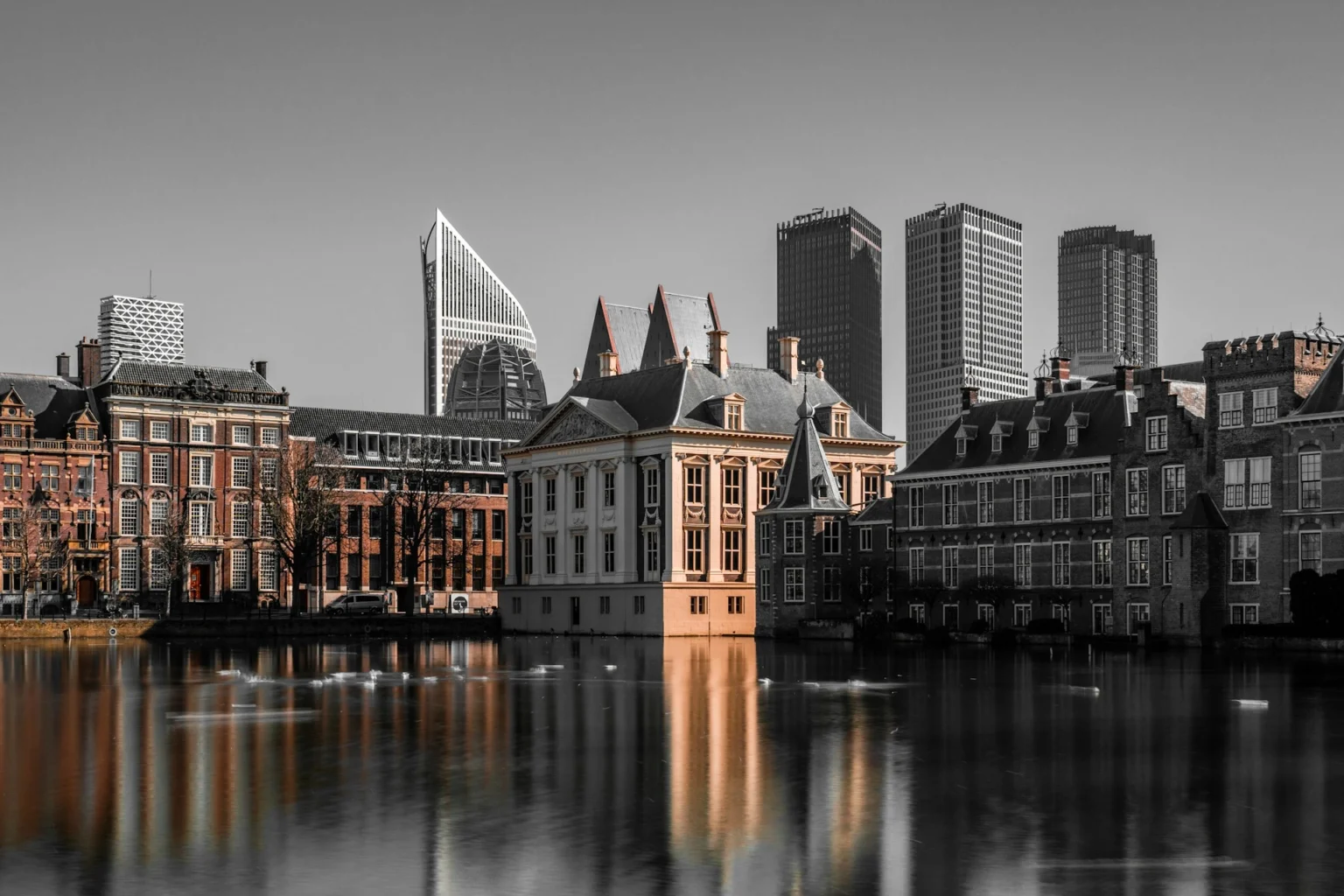

The Hague is a city that works tirelessly to make a difference, offering an attractive combination of modern architecture and iconic historic sites, lively beach life and passion for innovation.
Amsterdam, capital of the Netherlands, is home to both the International Court of Justice – which serves as the primary judicial arm for United Nations – and many other international law organizations.
The Hague is the international city of peace and justice
The Hague is widely recognized as an international city of peace and justice due to the many organizations working towards building a safer world for everyone. Not only are these organizations working hard towards upholding core human values such as freedom, democracy and equality – they’re also great sources of employment and economic prosperity; with an exponentially rising number of international jobs coming into The Hague economy over time. While this bodes well for its economy overall, city planners and politicians face an interesting challenge as more foreign workers flock to The Hague looking for work there as they have trouble keeping pace.
One of the key international institutions in The Hague is the International Criminal Court, an intergovernmental organisation charged with prosecuting individuals accused of crimes such as genocide and war crimes. Furthermore, The Hague hosts several nongovernmental organisations dedicated to peace and justice such as Amnesty International, Cordaid and Oxfam Novib that strive for peace.
The Hague is home to an estimated population of almost 62,000 foreign nationals and boasts a wide variety of cultures and communities – Chinese, Indonesian and Jewish communities are well represented, along with an active Muslim presence and refugee/migrant worker presence that represents nearly 20% of its total population.
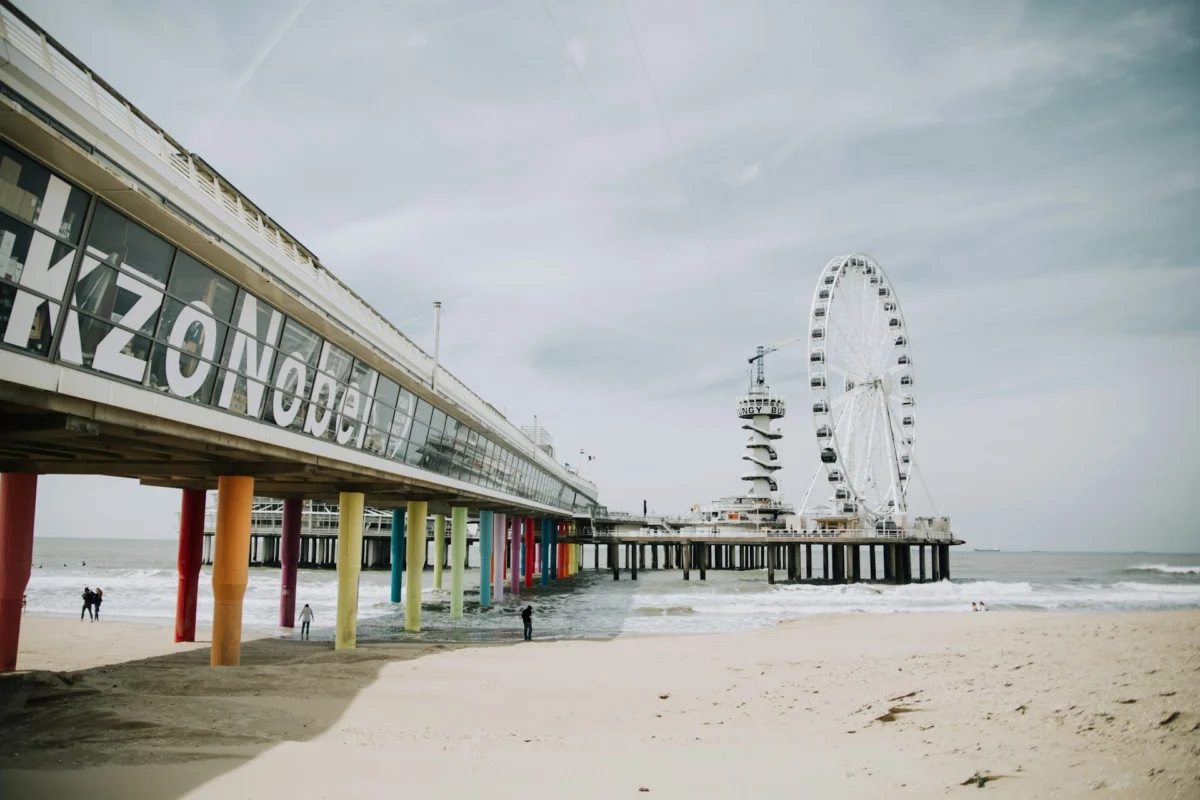
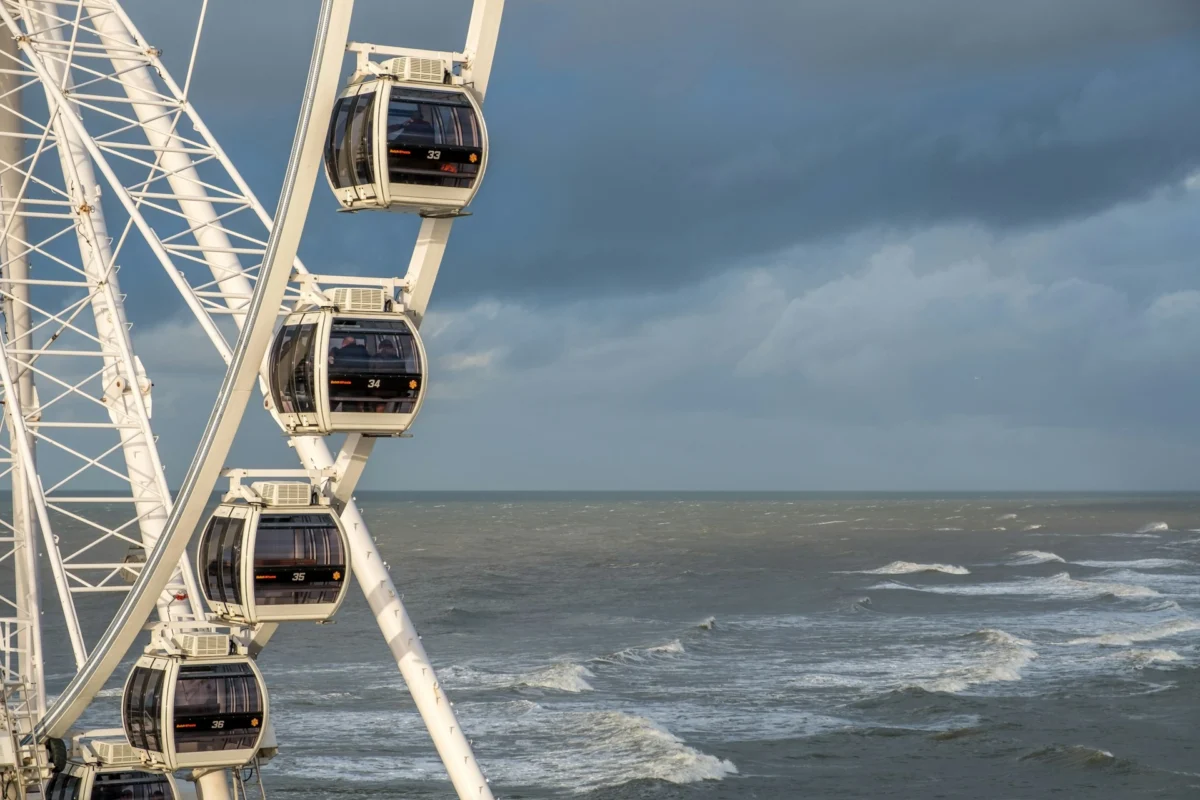
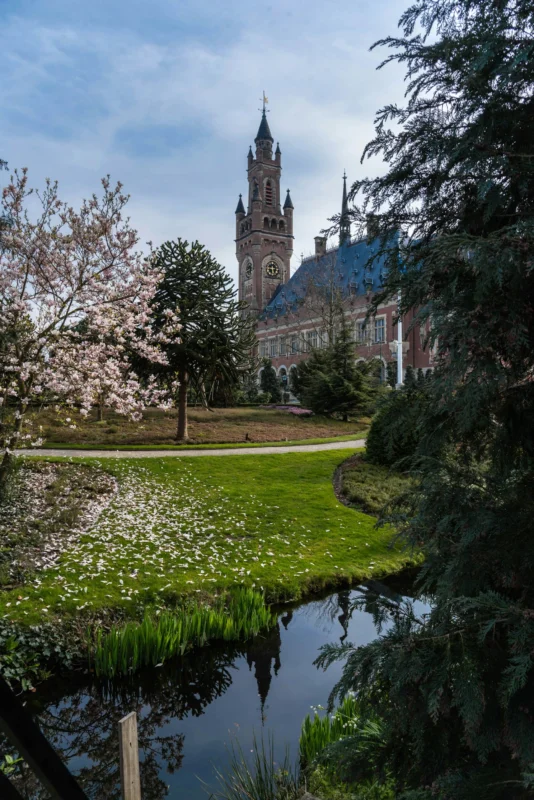
It is easy to see why the International City of Peace and Justice is such a popular tourist destination; with plenty of things to see and do there. From visiting its iconic Peace Palace to sampling one of its fine restaurants, there is always something fun going on here that keeps visitors occupied and entertained.
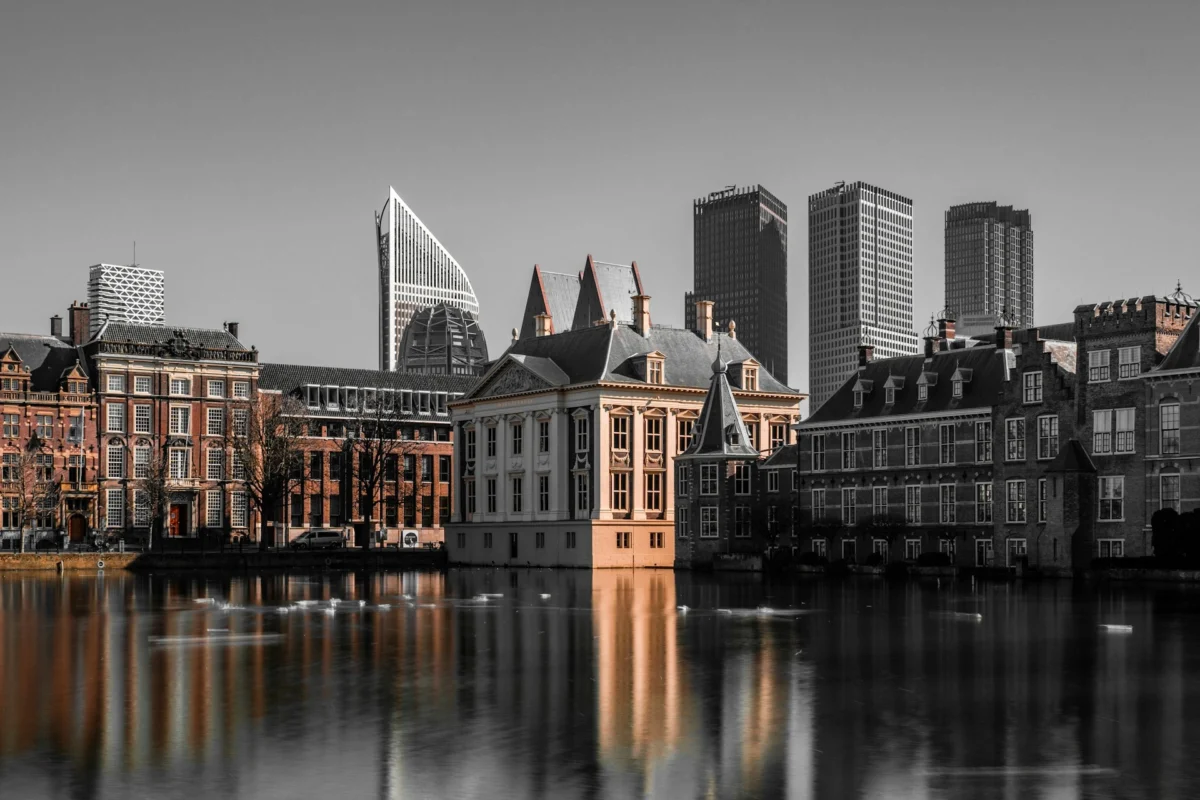
The Hague boasts many top cultural attractions, such as the Mauritshuis art museum with works by Rembrandt and Vermeer as well as Madurodam – a miniature version of the Netherlands. There are also various parks such as Hofvijver, Mauritskade Westbroekpark Clingendael Park.
Shopping options range from luxurious boutiques to affordable supermarkets. If you love music, Paard van Troje and Muziekcafe de Paap offer top-tier live performances.
The Hague is a European city
The Hague offers something for everyone – both residents and workers alike. From its dynamic business environment, world-renowned historic sites and beaches, innovative spirit, to cultural activities that inspire both fun and creativity – The Hague provides something special.
Once known as the “court of justice”, Amsterdam once served as an international legal and diplomatic centre; today it stands out as an energetic metropolis with strong global ties and a diverse population. Home to several of the country’s government bodies such as Cabinet, States General (Parliament), Supreme Court of Netherlands as well as numerous foreign embassies; Amsterdam serves as administrative hub of Kingdom of Netherlands with King Willem-Alexander living there as official resident.
Occupying an area approximately the size of Manhattan, Amsterdam boasts both historic buildings and beautiful parks and gardens that add character to this modern city. Attractions such as Mauritshuis and Escher Museum provide further cultural diversification, as does Madurodam – a miniature version of Amsterdam located within its walls – and Peace Palace which was designated a UNESCO World Heritage Site back in 1984.
As is typical for European cities, The Hague boasts an extremely diverse landscape that ranges from wide streets to narrow alleyways and luxury apartments to small cottages. Older parts of the city feature spacious courtyards that are often shaded. Many streets were designed by H.P. Berlage for his distinctively wide street designs during World War II but quickly rebuilt afterwards.
The Hague stands out culturally with an extensive array of museums and theatres, as well as being home to the Nederlands Dans Theater and celebrated modern dance ensemble, New European Ensemble. Also featured here is the Mauritshuis, Panorama Mesdag panoramic painting and Madurodam, one of the city’s renowned miniature cities.
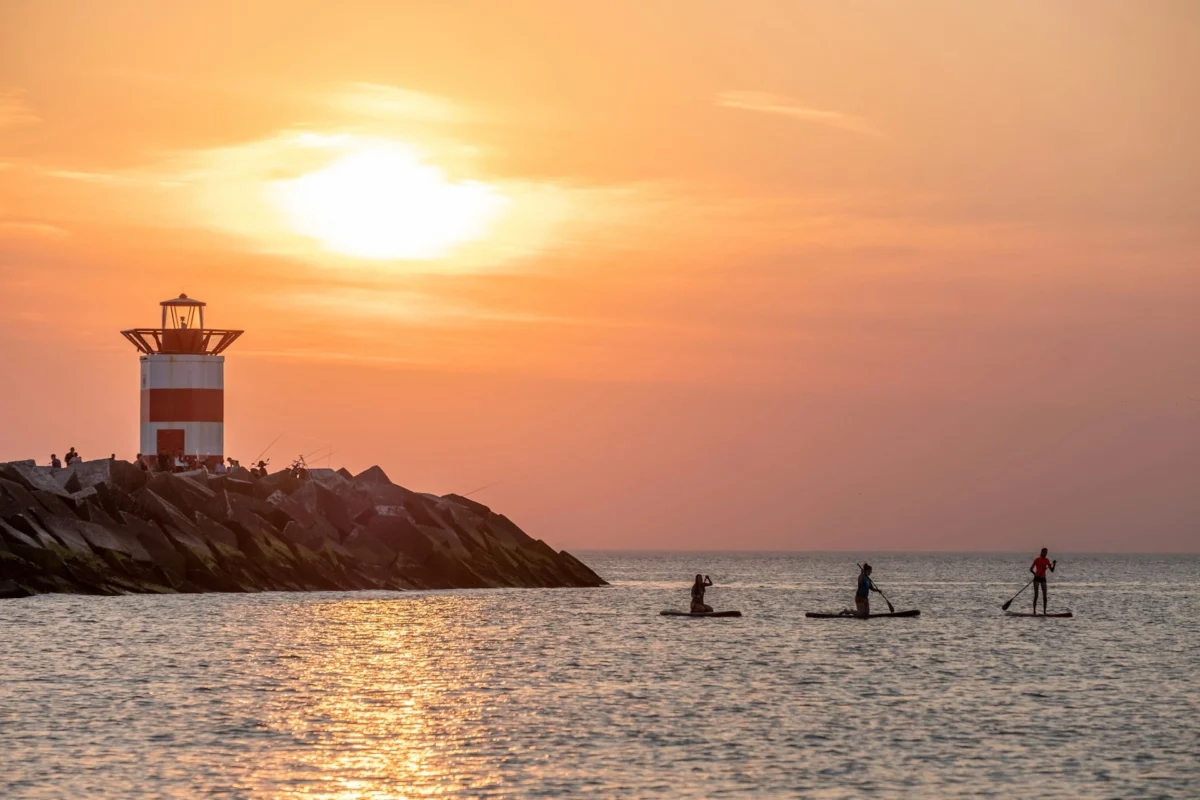
The Hague offers excellent transport links with Delft, Rotterdam and Leiden; visitors from these cities can visit The Hague on day trips or make it their home base and explore surrounding towns. Cycling paths run along quiet, narrow lanes throughout the city which can also serve as cycling routes; bus services provide service here while travelling by car is possible if timed correctly in peak hour traffic conditions.
The Hague is a business city
The Hague, being both the capital of the Netherlands and home to numerous international organisations, has long been recognized as an influential business city. It boasts strong entrepreneurship and innovation capabilities as well as many start-ups making a positive impact in society. It follows a policy which strives to balance ‘doing good with doing business’ – supporting innovative solutions for global challenges by doing both simultaneously.
The Hague is an innovative international business city dedicated to making our world a better place. Many of its high-profile institutions and organisations focus on peace and justice issues while others focus on law, technology, and energy – with these initiatives seeking to create a safer, fairer, and more sustainable world. At its heart lies The Hague’s services sector which plays an essential role in its international presence.
The Hague does not feature heavy industry, with most businesses engaged in selling products and services to other countries. The city’s economy benefits greatly from being home to international bodies such as the Peace Palace, International Court of Justice (ICJ), and Europol – the European Union law enforcement agency.
Hague City serves as host for numerous international conferences and events, such as The Hague International Model United Nations conference. Held annually at World Forum, it draws thousands of high school MUN participants each January. Furthermore, this city houses several open-air sculpture exhibitions such as Sculptuur Den Haag as well as award ceremonies honoring LGBTQ+ emancipation like The John Blankenstein Award.
A city’s long and rich history and proximity to Europe have contributed significantly to its international standing. It houses 31 European organizations – such as the Organization for the Prohibition of Chemical Weapons and International Criminal Court. Furthermore, there exists a network of bilateral relationships between Stockholm and other cities and regions across Europe.
The Hague’s city center comprises large blocks with a mixture of residential buildings and offices. Its streets are populated with luxurious 18th-century residences for diplomats and wealthy Dutch families; furthermore, The Hague has several spacious neighborhoods annexed from surrounding towns such as Beatrixkwartier, Hollands Spoor and Laak.
The Hague is a cultural city
Visits to The Hague aren’t only about international and national businesses thriving here – they also explore its vibrant arts scene. There are dozens of theatres and music venues, museums displaying works by acclaimed artists like Johannes Vermeer and Piet Mondrian as well as 19th-century mansions built specifically for diplomats or wealthy Dutch families lining its streets.
It’s no secret that The Hague is an exciting cultural city with an intriguing past and diverse population. Home to Chinese and Indonesian communities as well as a significant Muslim presence, The Hague reflects this diversity in both cuisine as well as art galleries and museums that showcase work by local as well as international artists.
The Binnenhof serves as the seat of Dutch national government, housing both the upper and lower chambers of parliament (Eerste Kamer and Tweede Kamer respectively). In addition, many foreign embassies reside nearby the Binnenhof; King Willem-Alexander lives nearby his working palace near it as well. Additionally, international courts and lobbying organizations also meet here.
The Hague boasts both its historic center and newer constructions. Since 1965, when its population reached its peak due to suburbanization, The Hague’s population has steadily decreased; as a result, its oldest buildings can often be found on the outer parts of city while more densely built neighbourhoods like De Graaffenburg or Scheveningen contain older structures.
Though its historical past may be in decline, Amsterdam still provides plenty of opportunities to learn more. The Gemeentemuseum by architect HP Berlage remains one of the leading venues for art from both historical and modern movements; its natural lighting halls and alcoves house sections devoted to historical movements as well as works from Wassily Kandinsky and Egon Schiele among others.
City life also benefits from an increasing presence of non-governmental organisations (NGO’s), many engaged in international development cooperation, environmental protection, and peacemaking activities. Examples include Save the Children and Oxfam Navib, an affiliate of Oxfam International dedicated to ending poverty.