


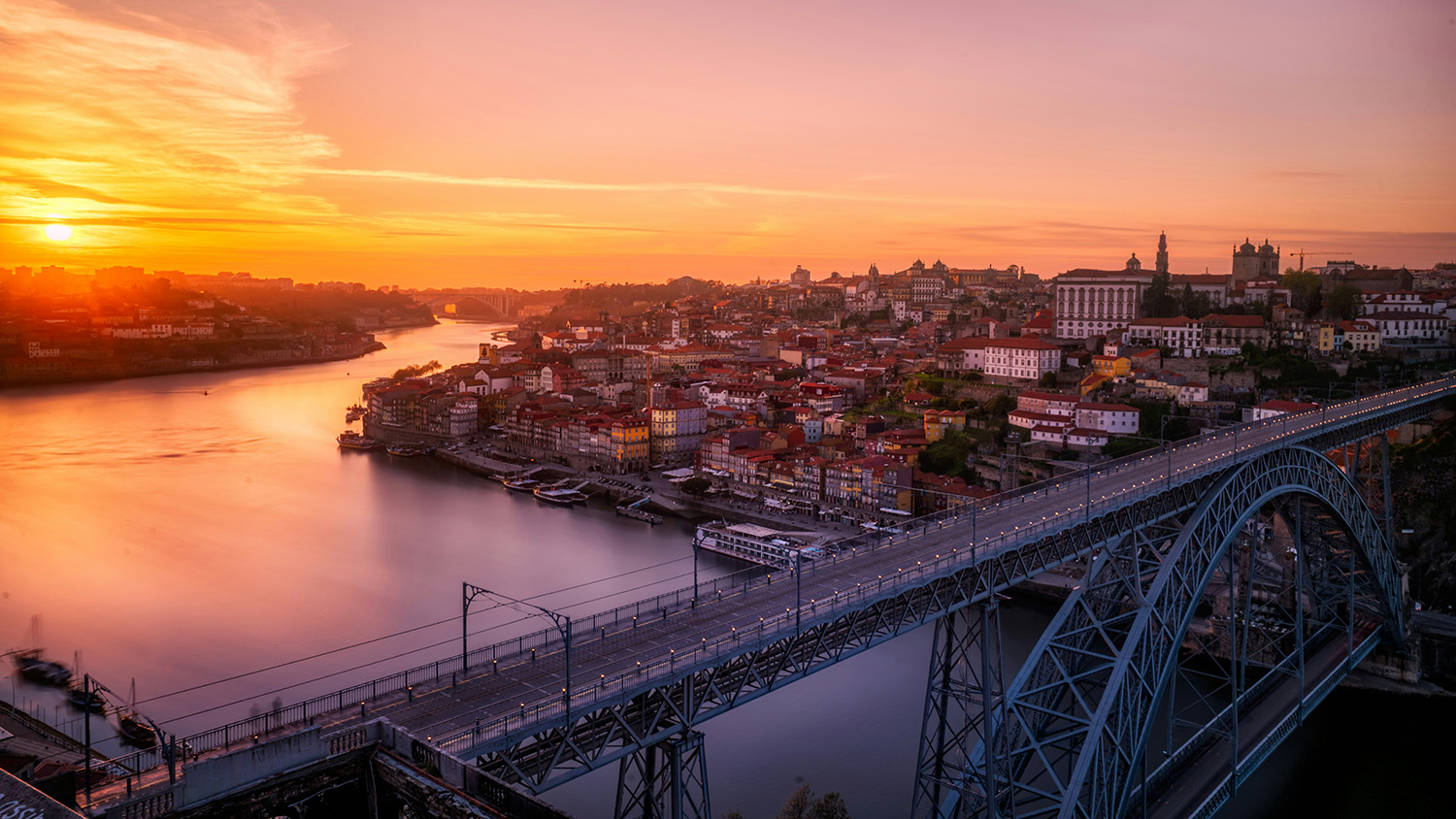

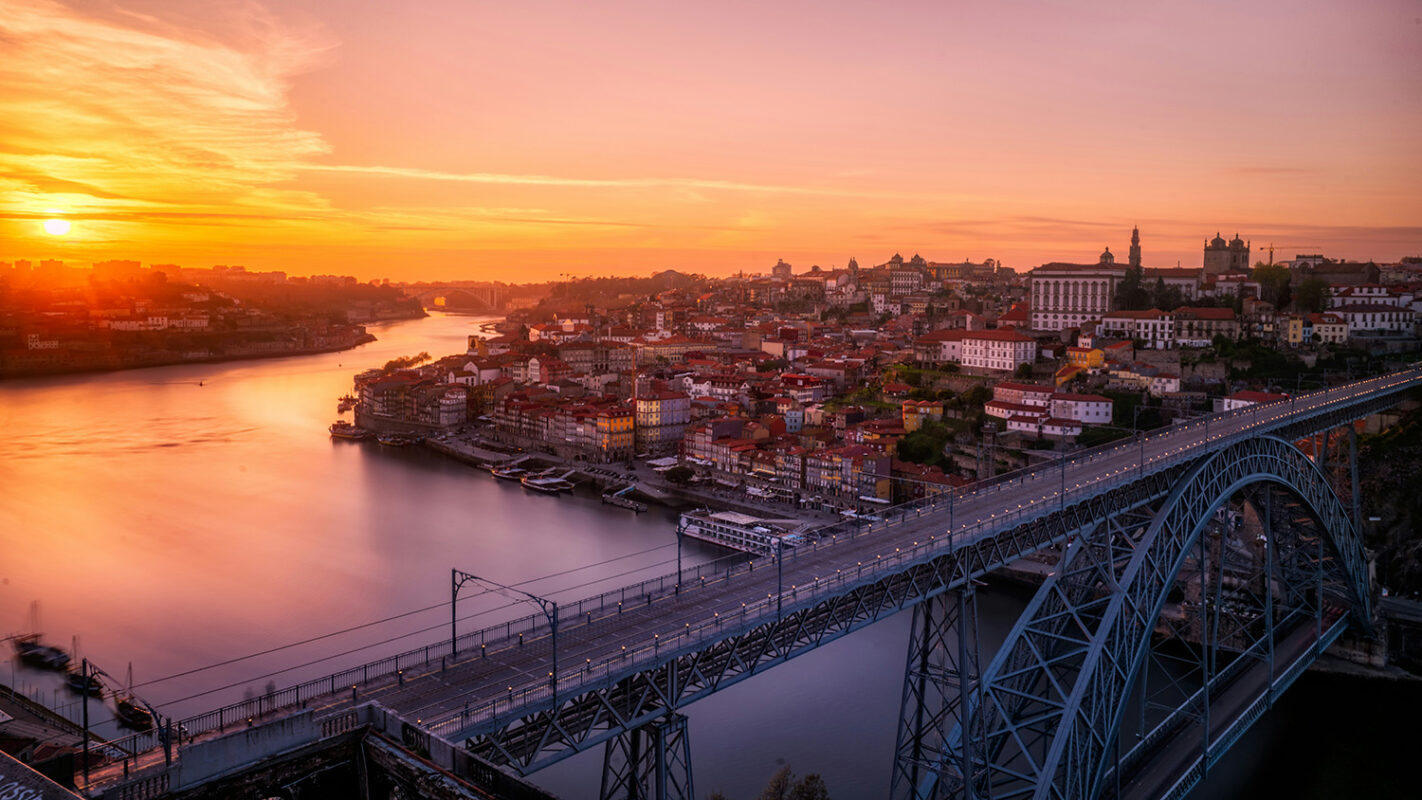
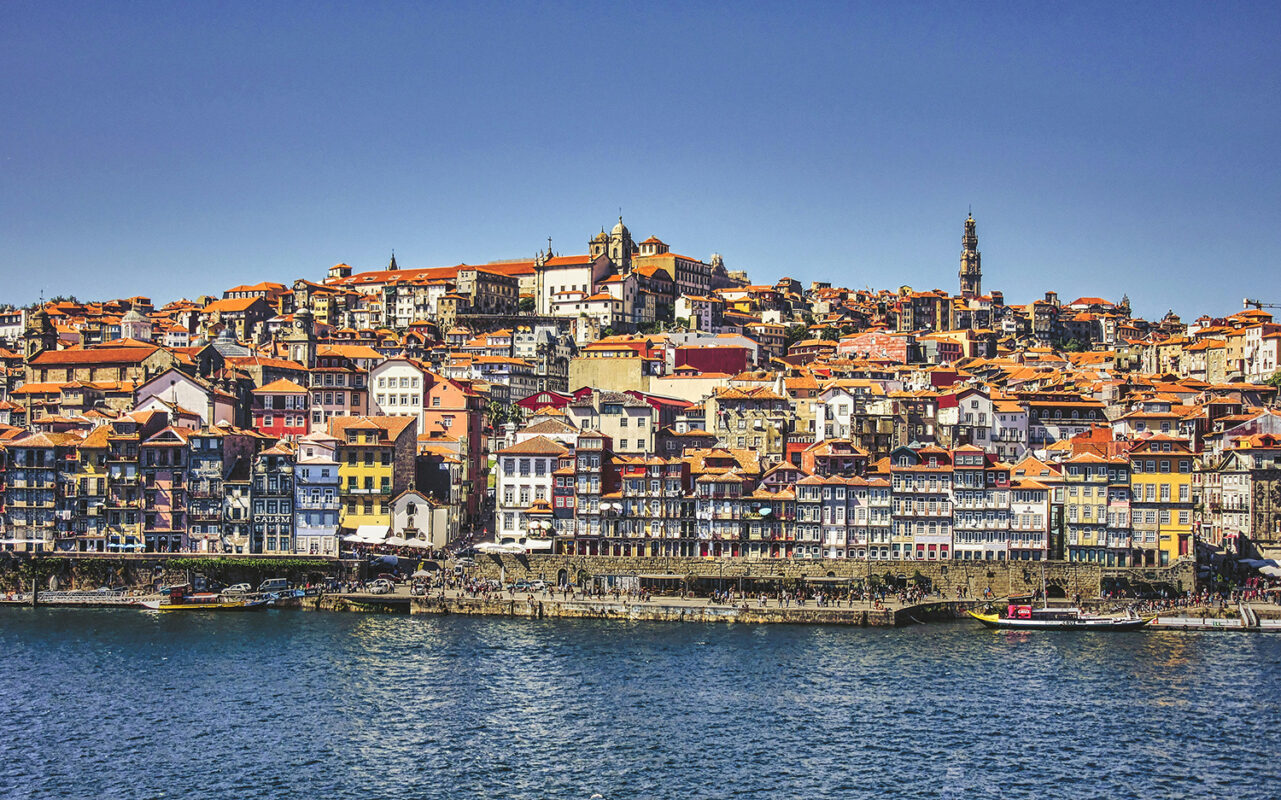
Porto offers delicious food, charming bookstores and classic cinemas for an unforgettable cinematic experience. Additionally, there are stunning churches, an eye-catching Neo-Gothic library, and one of Portugal’s most beloved viewpoints – Clerigos Tower.
Vila Nova de Gaia is most celebrated for its port wine. For an opportunity to taste this sweet and syrupy liquid, visit one of the tourable lodges across the river in Vila Nova de Gaia and sample its sweetness!
Port Wine
Port wine is a sweet fortified wine made from various types of grapes that is produced in Portugal’s Douro Valley and shipped all around the world. There are a few distinct styles of port, such as ruby and tawny varieties; it is often served after dinner alongside chocolate or cheese but can also be enjoyed on its own.
As with other fortified wines, port is a rich and complex drink with a high alcohol content. Winemaking begins by harvesting grapes to be crushed for their juice before fermenting it further until sugar has been converted to alcohol by using brandy as an antidote and thus maintaining youthful fruit notes in the wine.
Aged port wine is aged in oak barrels for several years to attain its characteristic flavor, often as long as thirty. Wine should typically be bottled between the 1st and 3rd years of aging.
Port comes in many varieties, each boasting their own distinct characteristics. Most port is red; however, white and rose varieties are also widely available.
Croft, Warre, Cockburn and Graham’s are among the largest producers of Port wine; they utilize an assortment of grape varieties in producing their product before shipping the finished wine across to Porto or Vila Nova de Gaia for further aging and distribution.
Port can be enjoyed both as a standalone beverage and when mixed into cocktails. Port’s versatility means it can add sweetness, replace vermouth with it’s high alcohol content or complement high proof drinks perfectly.
Douro Valley
Douro Valley has been producing wine for more than 2,000 years. Most notable among its varieties is port, but Douro also includes rose and red varieties. With vineyard-covered countryside providing an ideal escape from urban environments. Many quintas (wine estates) offer intimate tours as well as samples paired with local products.
Most modern vineyards along the Douro are planted with only proven grape varieties that contribute aroma and can adapt to climate conditions in the region, while older vineyards typically boast a wider mix of vine varieties; some producers even take up long-abandoned practices like vinification in granite “lagares” basins and ageing in wooden barrels to craft dense wines with complex aromas that evoke its multilayered terroir.
No matter your taste in wine, the Douro is worth visiting simply for its breathtaking scenery. From Pinhao to Tua, its upper reaches feature terraced vineyards amidst steep hillsides. Summer brings with it lush vineyards bursting with color.
Upper Douro River houses numerous Quintas where visitors can learn more about port wine production and taste vintages from across its history. Some larger houses even feature museums worthy of exploration!
Dams have been constructed along the Douro to control water flow and generate hydroelectricity. Of the 15 dams constructed along this river, five are in Portugal while 10 lie across on Spanish territory; several of the Portuguese-operated dams include Cuerda del Pozo and Los Rabanos while others may fall between.
Sao Joao National Theatre
At the heart of Porto is the Sao Joao National Theatre – a symbol of its city and home to various performances such as Jean Genet’s O Balcao play which examines more controversial subjects such as love and death through captivating drama with allure and seduction.
Contrasting with other theaters, this one stands out by investing in diversity and individualism. Where other theatres may opt for photographic representation alone, SJNT has developed its own distinctive vocabulary and visual language which are both playful yet respectful – providing it with the power to keep alive on both street corners and stages the sense of independence which has characterized their history.
The Teatro Nacional Sao Joao is a cultural institution established by Porto’s elites, associations and citizens to enrich life in Porto and renew it daily with public engagement via shows at this place of great symbolic value. Residents flock here every day for its shows as they show love for this building that houses it.
SJNT comprises multiple spaces that all contribute to its diversity. Situated at iconic areas throughout the city, these areas fulfill different but complementary functions. The original building, originally named Teatro Real Sao Joao was designed by Vincenzo Mazzoneschi under Francisco de Almada e Mendonca’s instructions and inaugurated on May 13, 1798.
After being destroyed by fire in 1908, architect Marques da Silva designed the new SJNT to replace it. Following Italian theatre models created at the end of 16th century Italy, its form echoes Italian theatres of that era; however its formal elements differ dramatically from previous buildings in terms of stage/room articulation.
Don Luis I Bridge
The Dom Luis I Bridge (Ponte Dom Luis I in Portuguese) spans high above the Douro River between Porto and Vila Nova de Gaia. At its construction time, this impressive double-decked metal arch bridge was considered to be the longest iron bridge ever made; today, it remains one of the city’s most eye-catching landmarks. With two levels – an upper deck for metro trains and pedestrian walkways with magnificent city views while vehicles pass beneath on its lower level – this impressive landmark boasts two levels for vehicle traffic flow between two cities.
Gustave Eiffel may be best known for his iconic Eiffel Tower in Paris, but he actually began his career designing bridges, beginning with the Dom Luis I Bridge. An early proponent of using cast iron bridge construction techniques such as using it for this bridge. An outstanding example of his work can be found here.
It features an octagonal design with a central arch that spans 172 meters (564 feet), once serving as the longest iron bridge in existence. Eiffel’s influence can be seen through its elegant latticework and complex engineering; additionally it was designed by Theophile Seyrig – his disciple.
This impressive bridge, recently designated a national monument, should not be missed when visiting Porto. The upper deck is open for pedestrians and offers incredible views of the city such as Clerigos Tower, Porto Cathedral, and other iconic sights while its lower deck serves vehicle traffic (accessible via car). From both levels you can catch glimpses of Vila Nova de Gaia’s famed Port Wine Warehouses while enjoying fresh air views while taking pictures or relaxing.
Churches
Porto started to flourish as an urban and cultural center during the 16th century, as its buildings became more elegant. Porto also benefited from Portugal’s economic expansion as a whole, as well as Europe. At this time, main streets such as Rua das Flores and Avenida da Libertade with its magnificent palaces came into being.
Roman times saw Portus Cale as a flourishing settlement on the south bank of the Douro River known as Portus Cale. Conquered in 540 AD by Suebi tribe, renamed as Braga by Visigoths before coming under Christian control in 997. Credited with aiding European exploration, sailing and to some degree exploiting of world, Braga played an instrumental role in inspiring Europe to explore, sail and exploit.
Susanna Roope Dockery (1856-1931), an English-Portuguese watercolour artist, and Frederick William Flower (1834-1892), an Argentine photographer were drawn to its beauty. Both had settled there.
Churches in Porto typically feature a high central nave, or transepts, that extends out on either side of the apse – symbolic of Jesus on his cross. A screen made of wood, stone or iron typically separates the chancel from the nave – sometimes with an ornate cross on top referred to as a “rood screen” where priests would climb for liturgical services to read from scripture during liturgy services.
In 2014, renowned British newspaper the Financial Times named Porto one of Europe’s best cities to live in based on a range of criteria, such as its new infrastructure and spaces, maintenance and promotion efforts, public safety concerns, education opportunities and health. Citing Porto’s “unvanquished spirit”, Financial Times highlighted its prominence among Europe’s finest cities to live.