


Travel is one of the best ways to broaden children’s horizons, yet successful trips require extensive preparation, patience, and flexibility.
To keep children occupied during long trips, always have snacks, coloring books, and travel puzzles on hand. Leave extra time between getting to the airport and arriving at your hotel to achieve greater success and avoid delays.
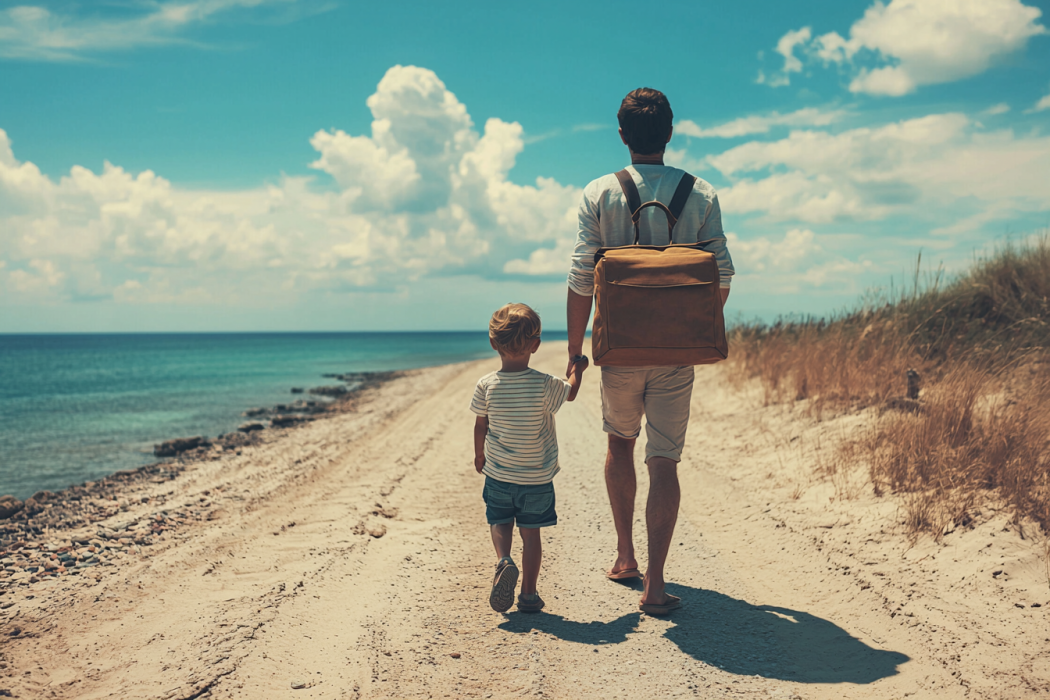
1. Plan ahead
Planning ahead can save time by knowing exactly where you are going and what activities await. Plus, by being prepared, such as for flight delays or layovers, planning ahead helps budget for your travel costs while finding more cost-effective transportation methods.
Include your kids in the decision-making process to make it fun. Ask them what activities they want to participate in or let them pick their destination; this will make them more open to doing other things you want them to.
Make reservations for all tours or attractions you plan to experience before travelling with children to avoid lengthy lines, possibly paying higher prices, or finding that something has sold out.
An itinerary can help manage family expectations and alleviate stress on vacation with kids. Be realistic about what can be accomplished while traveling with them, and be ready to change or modify plans should circumstances require it.
Make sure that the accommodations you book are comfortable and conveniently situated close to attractions that interest you. Check for child-friendly amenities like kiddie pools, kiddie clubs, or game rooms. Finding an accommodation tailored specifically to families can make a big difference in the overall experience—particularly if children start melting down! For this reason, having a hotel with kiddie clubs nearby could save the day!
2. Be flexible
Nothing widens kids’ horizons like new experiences, and traveling is one of the best ways to see the world. Unfortunately, when traveling with children, things don’t always go according to plan, so it is crucial to remain flexible when planning family vacations.
For instance, when flying, opt for direct flights whenever possible to minimize transition times for your children. Furthermore, it’s often wise to schedule early morning flights so that when you reach your destination there will be enough time for getting settled and enjoying a leisurely start to vacation.
An important way to show flexibility is to be open-minded about changing plans when necessary. For instance, if your child is having a tantrum, don’t hesitate to take steps that may involve changing or postponing certain activities, like sightseeing or museum trips; the effort will pay off when their trip turns out well!
Flexible thinking can also be helpful when selecting hotels and accommodations for children. If the noise level in a particular hotel concerns you, try booking hotels with adjoining rooms or suites. This way, after an exhausting travel day, the children will have their own space and can sleep soundly before heading off again!
3. Be prepared
Unexpected illness can quickly derail a vacation, so it’s wise to bring along a first aid kit containing bandages, tampons, bottled water, and any medications your family regularly takes.
If your children have allergies, be sure to bring an allergy journal so you can track their food intake and any reactions they experience on the road. That way, should anything go amiss while traveling, you will have all the information you need to locate safe and effective treatments quickly.
An additional good idea is bringing along a first aid kid. These kits typically contain essentials like bandages and tampons for minor cuts, burns, sprains, insect bites and scrapes as well as medical information and contact details for nearby hospitals or doctor offices.
Make a list of any other essentials needed for your journey, such as travel-sized toiletries and items to entertain children while flying. This step will be especially helpful if you don’t have access to an in-flight kitchen.
If your children are old enough, encourage them to keep a journal of each day of your trip – either physical or digital! It will help them recall its highlights while serving as a beautiful keepsake.
4. Be patient
Kids on road trips and cross-country flights often become bored and restless during travel, resulting in meltdowns. While it is essential to remain patient as much as possible while making memories with your family, you should also let your children lead the way by following their interests—whether that means watching animals in the rainforest, exploring tacky gift shops, or climbing tall buildings to get better views. This will give them space to discover the things they enjoy doing during travel.
If you’re traveling during a hot weather period, it’s a smart idea to arrange alternative indoor activities for your children during the hottest part of the day. Museums, science centers, aquariums, or planetariums might have something suitable for them to do at that time of day. Also, bring age-appropriate games, books, and tablets containing educational games so your little ones will stay occupied during long car trips or flights.
Renting a vacation rental instead of staying at a hotel can reduce the time your children spend in the car or plane. These often provide ample room for playing and come equipped with kitchens so you can prepare meals together.
As part of your travel preparations with children, be ready for anything unexpected. Pack an emergency supply of small toys, candy or movies so they can distract their kids when needed. It may also help them learn valuable life lessons on long journeys by giving them some screen time – download apps that teach children to recognize the signs and prevent motion sickness!
5. Be creative
Even if your children are too young for their own phones, bringing a small camera is worth it. It will allow them to appreciate the beauty of views or incredible architectural features, and they’ll enjoy sharing the pictures when they return home!
As parents traveling with preschoolers, it is essential to incorporate naptime into your itinerary. Being away from home could disrupt your child’s sleep routine, so it is essential to bring sleeping aids or extra toys to keep them occupied while asleep.
If you are traveling to a location with a language barrier, make sure your children are prepared by helping them learn some words in the local tongue. This will make communicating with hotel staff, tour guides, and locals easier. Additionally, it would be wise to include cards with contact information in case they get separated. These could be placed in pockets or tied securely onto belt loops for easy retrieval if lost.
As your children enter elementary school, it’s time to start planning trips more collaboratively with them. Engaging them in this part of the planning can increase excitement about your trip while giving them ownership over it. One effective strategy to engage them further is allowing them to choose some activities on your itinerary themselves; this gives them some independence while encouraging participation in things that might not necessarily be their favorite pastimes.