



Wales offers year-round activities from daffodil walks to dolphin-spotting – perfect for any season and interest. This Celtic land boasts dramatic coastlines, mountainous national parks, over 600 castles and four UNESCO World Heritage Sites that make Wales an attractive year-round travel destination.
Note that Wales, while technically a country, does not constitute an independent nation state. While its Parliament, known as the Senedd, holds some power devolved from Westminster, sovereignty ultimately rests with that body.
The Language
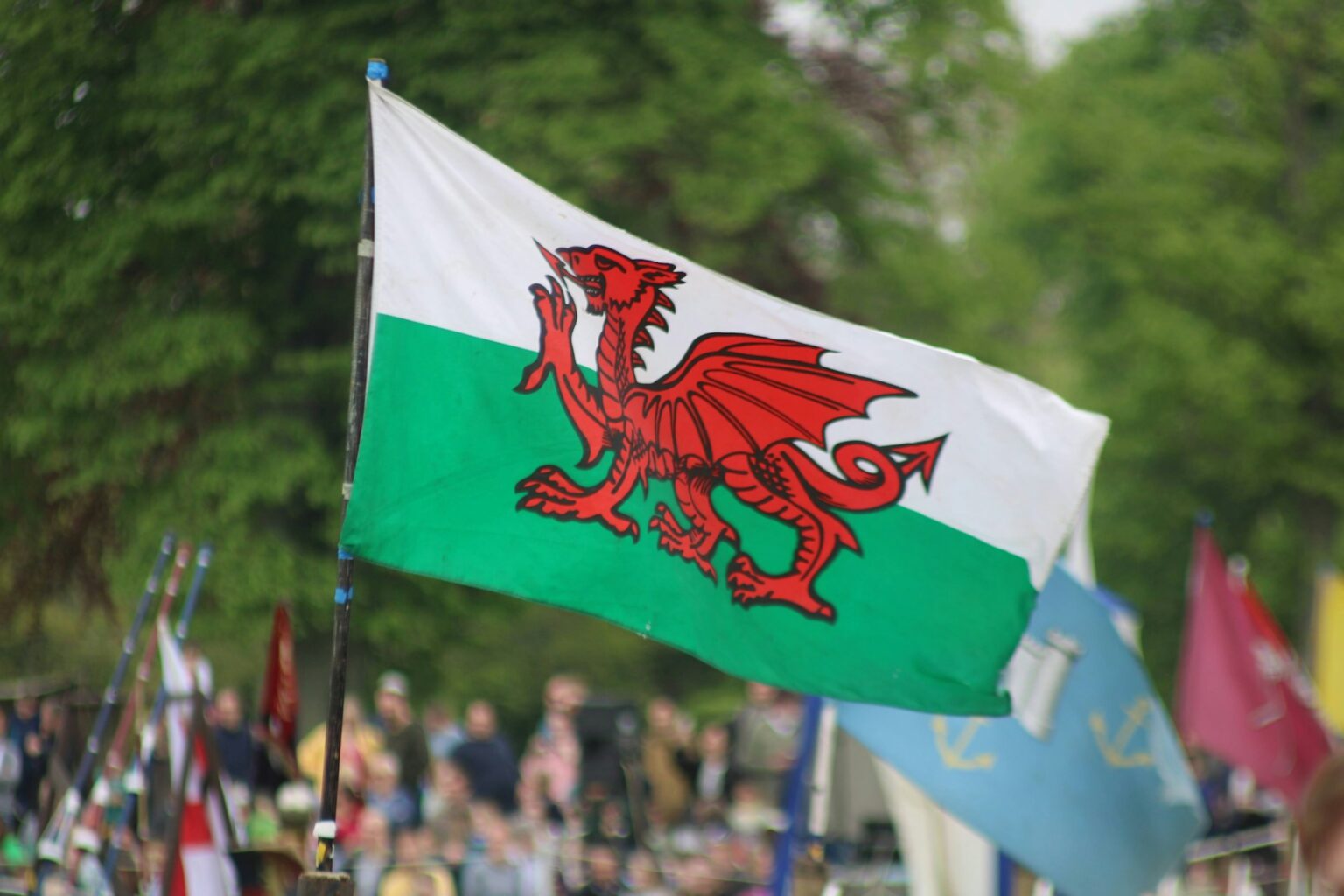
An identity and its language are two central tenets of national culture; both are highly valued in Wales. Travel throughout its beautiful terrain and you’ll quickly notice bilingual signs and the Welsh dragon flag fluttering alongside the Union Jack flag. Furthermore, Welsh people are polite and welcoming hosts who observe most etiquette standards found elsewhere in Britain such as queueing up or saying ‘good morning” – ‘bora da”- and ‘thank you” (diolch in Welsh).
The Welsh are immensely proud of their heritage, boasting an undying sense of nationalism that has withstood centuries of invasion and change. This strong sense of community is epitomised by their motto ‘Cymru am byth’ which translates as ‘Wales forever’.
Gwynedd, Dyfed and Ceredigion were initially divided among several kingdoms – Gwynedd, Dyfed and Ceredigion were each distinct and had their own culture and traditions. Throughout the Middle Ages these kingdoms battled one another as well as Anglo-Saxon invaders from England – until around 900 when Rhodri Mawr dynasties started leading a movement to unify Wales under one common identity.
Though no longer independent states, devolution in the late 20th century led to the formation of the Senedd, reaffirming Wales as an autonomous nation within the UK. Their unique cultural heritage, distinct legal and educational systems and strong national identity all help define them as such.
More than 600 castles can be found across Wales, and many can be visited or stayed in. Their size and design ranges from Cardiff Castle to Llanthony Priory; many are managed by Cadw (Welsh Historic Environment Service), National Trust or private owners.
The People
Wales may be small in size but has an enormously powerful and proud identity that defies museums or history books. From Roman encampments to country estates built by industrialists and aristocrats, Wales’ history remains alive and vivid and never ceases to awe and inspire fierce pride among its residents.
Welsh culture and traditions continue to develop and progress over time, evidenced by its citizens becoming bilingual; being able to converse both English and Welsh with ease is evidenced in how many of its citizens speak both. Not only has Welsh been used daily by its inhabitants; it has also played an instrumental role in shaping cultural identity as seen through arts, music and cuisine that have flourished through time.
Famous Welsh individuals have gone on to achieve global success, boasting numerous Olympic and Paralympic medallists like Tanni Grey-Thompson and Dave Roberts – who between them have amassed 11 Olympic gold medals – as well as legendary boxer Joe Calzaghe who ended his 46 fight career undefeated.
Due to their devolved government system, which has been in effect since 1997, Welsh people are able to retain a strong sense of independence. This can be seen through how they refer to themselves as Welsh rather than British or Scottish – further showing their desire for maintaining their identity and separateness from Britain or Scotland.
The Culture
Wales boasts its own distinct culture with its own language and traditions, including national symbols like the red Welsh dragon and leek. Wales retains an independent sense of identity despite being invaded numerous times over history by Great Britain at different points in time.
Welsh writers, poets and musicians have long been recognized as leading talent across Europe. Beginning with Aneirin’s epic poem Y Gododdin dating back to 6 CE; medieval poet Taliesin who only ever released their works as reconstructions called Book of Taliesin; and Mabinogion with its collection of legends beginning to be written down during 11 CE – Wales has produced some of Europe’s greatest writers, poets and musicians over centuries of time.
Art and architecture reflect Wales’ rich cultural legacy. Exemplars of Welsh vernacular architecture such as Tintern Abbey made famous by William Wordsworth’s poem are located throughout Wales during 19th-century religious revivals; as were Nonconformist chapels and churches built during that era for Nonconformist congregations. Meanwhile, revised histories of visual culture illustrate its vibrant aesthetic sense that can be found from 18th-century landscape painters like Richard Wilson to 20th-century modernists David Jones and Ceri Richards.
Music and sports are integral parts of Welsh culture, with rugby union and football (soccer) among its citizen’s passions. Three top-tier English clubs as well as regional teams reside here. Visitors will discover that Welsh citizens take great pleasure in watching these sports teams compete, particularly those competing in the Six Nations tournament. Furthermore, students visiting Wales will experience creativity and enthusiasm which gives credence to Wales’ claim of unique cultural identity while maintaining some measure of political autonomy.
The Food
Wales boasts a vibrant cuisine rooted in its distinct culture and history, from hearty stews to seaside delicacies – Welsh cuisine has something to satisfy any appetite!
Restaurants provide some of the finest cuisine available in Wales; however, many traditional recipes come from Welsh home kitchens. Historically, cuisine was determined by what could be grown in its harsh climate; cabbage, leeks, thyme and savory were staple herbs while cabbages and leeks were main vegetables with oats and barley as popular cereal options; those living close to coastal regions supplemented their diets with seafood or seaweed as additional supplements.
Lamb is the main protein source in Wales due to generations of animal husbandry and breeding expertise, making Welsh lamb one of the world’s favorite proteins. Furthermore, Welsh coastal areas boast delectable briny treats like cockles and laverbread that demonstrate Welsh culinary expertise by using edible seaweed as an ingredient.
Wales is famous for its hearty breakfast offerings such as faggots and peas. Faggots, an irresistibly savory delicacy made of minced pork or lamb wrapped in caul fat before baking, is often served alongside creamy-textured peas for a satisfying comfort meal – they add just the right touch of creamy texture that perfectly complements their salty counterpart.
The Weather
Wales is surrounded by water on three sides and experiences mild, humid weather that averages in the low 50s in winter before rising gradually into the mid-60s during spring and summer months. Wind is another constant presence and often makes warm days feel much colder than they should, especially at night.
Wales is an area dominated by hills and low mountains, and as you ascend in elevation the climate becomes colder and wetter. A mountain peak, Crib Goch in Snowdonia national park, is said to receive 4,475mm (176 in). Snowfall may occur at higher elevations across Wales during October through May.
Rain can bring gusting winds with it, so if visiting Wales any time of year it is advisable to pack a waterproof jacket and warm fleece as well as foldaway poncho with a hood to provide added protection from the elements, particularly from October through January. A hat with brim as well as lightweight wool gloves and balaclava would also be essential items in your suitcase.
Wales boasts many beautiful beaches, but swimming in its waters can be challenging. Even during August when temperatures peak in the Bristol Channel – one of Wales’ warmest bodies of water – temperatures barely surpass 61 degrees Fahrenheit. If you plan to swim here be sure to bring a wetsuit or at least bring along something warm for extra protection against Atlantic waters.