


Germany, a nation celebrated for its opulent cultural heritage and internationally acclaimed beer, holds an allure that captivates visitors from every corner of the world. Bask in the vibrant nightlife and engage in convivial interactions with the amiable locals who exude warmth and hospitality.
Nevertheless, it is of utmost importance to acquaint oneself with the legal drinking age in Germany. In this comprehensive article, we shall embark on a journey to unravel the intricate web of regulations governing alcohol sales and consumption, delve deeper into the meticulous legal framework that safeguards responsible drinking, and gain profound insights into the cultural nuances surrounding the revered tradition of imbibing libations in the remarkable land of Germany.
Key Points:
- Germany is renowned for its opulent cultural heritage and internationally acclaimed beer.
- The vibrant nightlife and friendly locals make for an enjoyable experience.
- It is crucial to be aware of the legal drinking age in Germany.
- This article will explore the regulations, legal framework, and cultural nuances of drinking in Germany.
14 years old
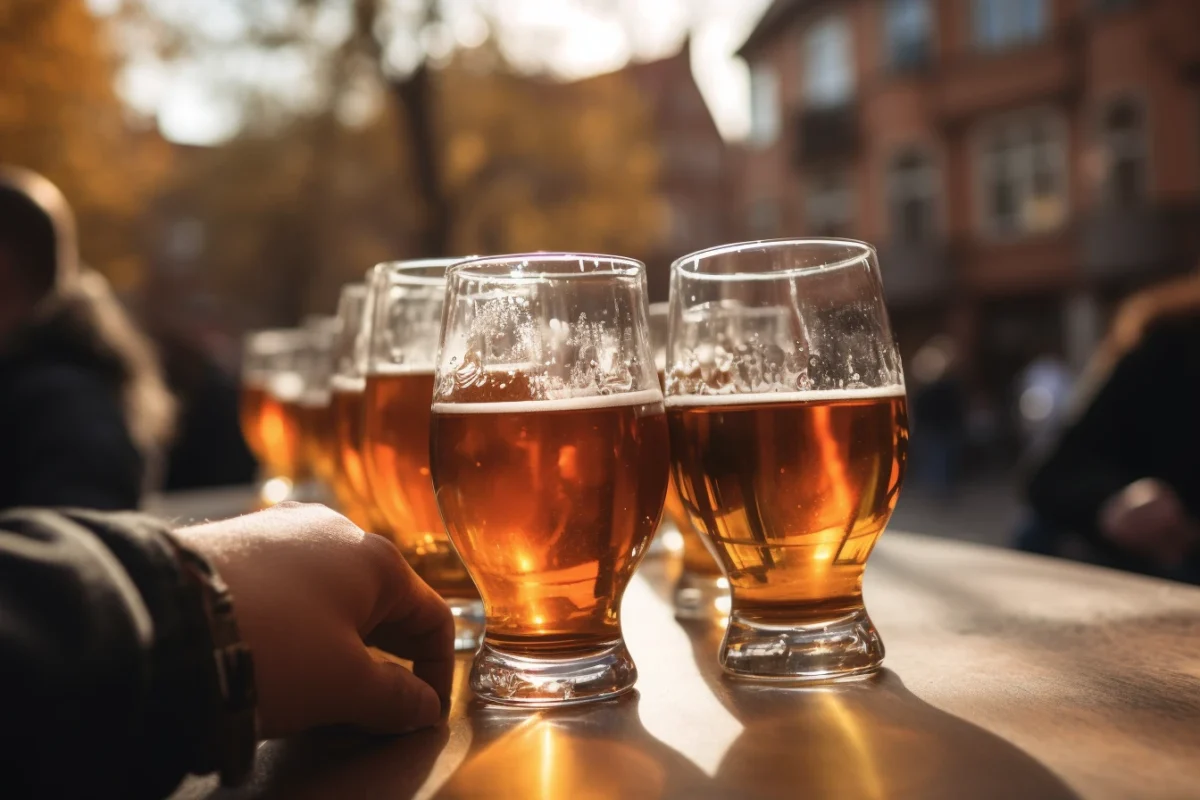
At the age of 14, minors are permitted to consume and possess undistilled (fermented) alcoholic beverages, such as beer and wine, in public places, bars, or restaurants, as long as they are accompanied by and have the permission of legal guardian or a custodial person.
This regulation, commonly referred to as “begleitetes Trinken” (“accompanied drinking”), allows a person legally drink alcohol for responsible enjoyment within legal boundaries.
16 years old
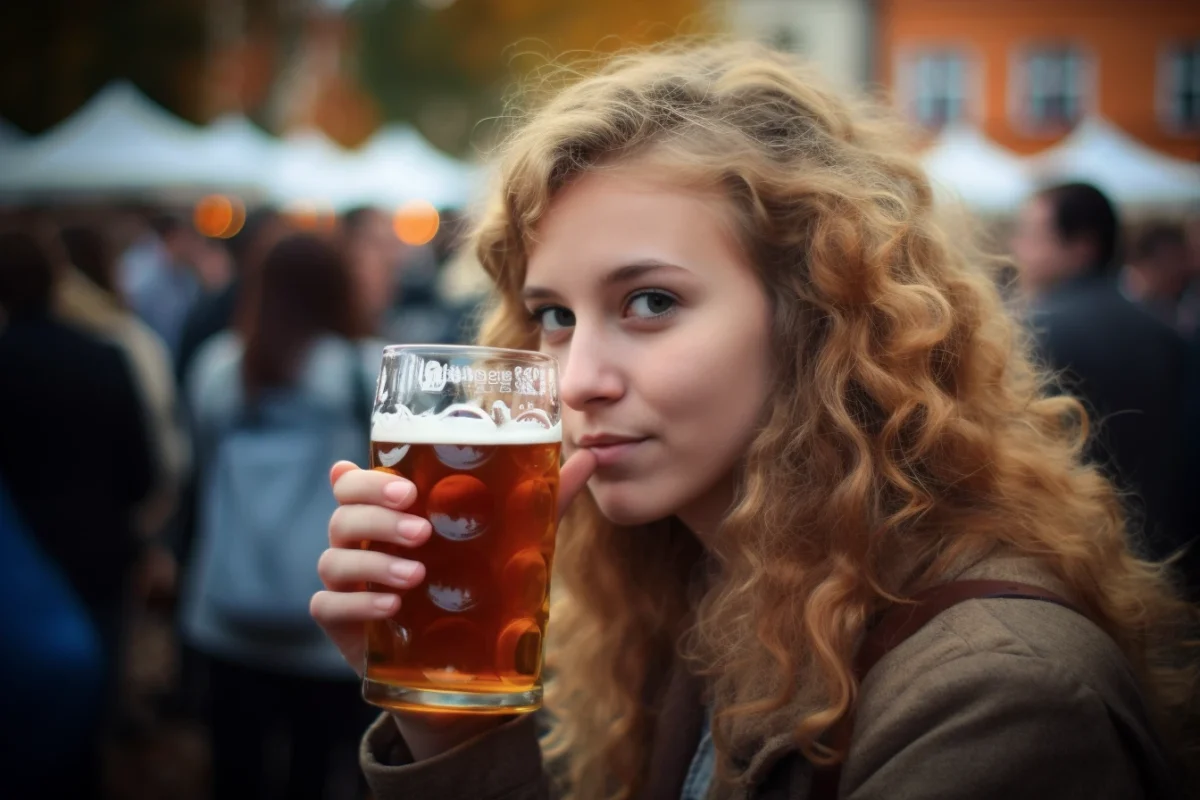
According to § 9 JuSchG (1) 2, minors who are 16 years old are permitted to consume and possess undistilled (fermented) alcoholic beverages, such as beer and wine, served alcohol, in public places, bars, or restaurants, even without their parents or a custodian present.
According to § 9 JuSchG (1) 2, minors who are 16 years old are permitted to:
- Consume and possess undistilled (fermented) alcoholic beverages, such as beer and wine.
- Consume alcohol in public places, bars, or restaurants, even without their parents or a custodian present.
18 years old
Upon turning 18, individuals are granted the privilege of accessing distilled spirits, and other fermented beverages that include distilled spirits, as well as food products fermented beverages that contain noticeable quantities of distilled spirits (§ 9 JuSchG (1) 1).
Married adolescents are not subject to those limits, as stipulated in § 1 JuSchG (5).

1. Introduction
Germany is renowned for its diverse and thriving drinking culture, encompassing a wide range of delightful experiences. From the enchanting beer gardens and the world-famous Oktoberfest to the charming traditional taverns, this country’s love for quality brews knows no bounds.
Amidst the joyful celebration, it is important to recognize and appreciate the legal requirements and restrictions surrounding alcohol consumption, which hold particular significance for individuals visiting or planning to reside in Germany. By understanding and adhering to these guidelines, one can fully embrace and partake in the rich drinking traditions of this fascinating nation.
To enhance readability and ease of scrolling, the text has been formatted with bold and italic emphasis where appropriate. Additionally, the text has been split into more paragraphs and bullet lists have been created.

2. Legal Drinking Age in Germany
Germany has a legal drinking age that varies depending on the type of alcoholic drink or beverage being consumed. This regulation aims to prevent excessive alcohol consumption among young people while acknowledging the cultural importance of beer and wine in German society.
According to German law, individuals are allowed to first purchase alcohol and consume beer and wine at the age of 16. However, when it comes to spirits and liquors, the minimum drinking age is 18. This is because spirits and liquors are generally considered to be stronger alcoholic beverages that require more responsible consumption.
Additionally, the German government has implemented various measures to ensure that the drinking age laws are enforced, including regular spot checks at bars and clubs. These laws and regulations reflect Germany’s commitment to promoting responsible alcohol consumption and protecting the health and well-being of its citizens.
2.1 Minimum Drinking Age for Beer and Wine
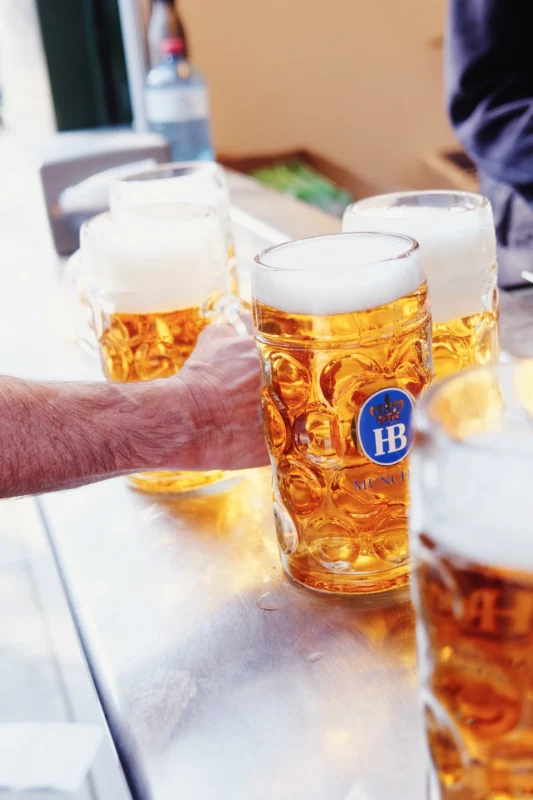
In Germany, the legal drinking age for beer and wine is 16 years old. This law is a reflection of the country’s cultural acceptance and appreciation of these beverages and other alcoholic drinks. In fact, beer is considered a national treasure, with Germany being one of the top beer and sparkling wine-consuming countries in the world.
The consumption of wine and beer is not limited to private settings, however. It is common to see young adults enjoying a glass of wine or a pint of beer with their meals in restaurants. Additionally, social gatherings such as parties and weddings often feature these beverages. Germany is also home to beer gardens, which are outdoor areas where any age group of people can enjoy beer and food in a relaxed and sociable atmosphere.
Furthermore, the country has a rich history of brewing beer, with some of the oldest breweries in the world located in Germany. In fact, the Reinheitsgebot, a beer purity law that dates back to 1516, is still in place today and regulates the ingredients that can be used in the brewing of beer in other countries.
Overall, the lenient regulation surrounding the consumption of beer and wine in Germany is a reflection of the country’s culture and history, and allows individuals to enjoy these beverages in a variety of settings.
- Legal drinking age for beer and wine: 16 years old
- Germany is one of the top beer and sparkling wine-consuming countries in the world.
- Beer gardens are outdoor areas where any age group of people can enjoy beer and food.
- Germany has some of the oldest breweries in the world.
- The Reinheitsgebot is a beer purity law that regulates the ingredients used in brewing beer in other countries.
2.2 Minimum Drinking Age for Spirits and Liquors
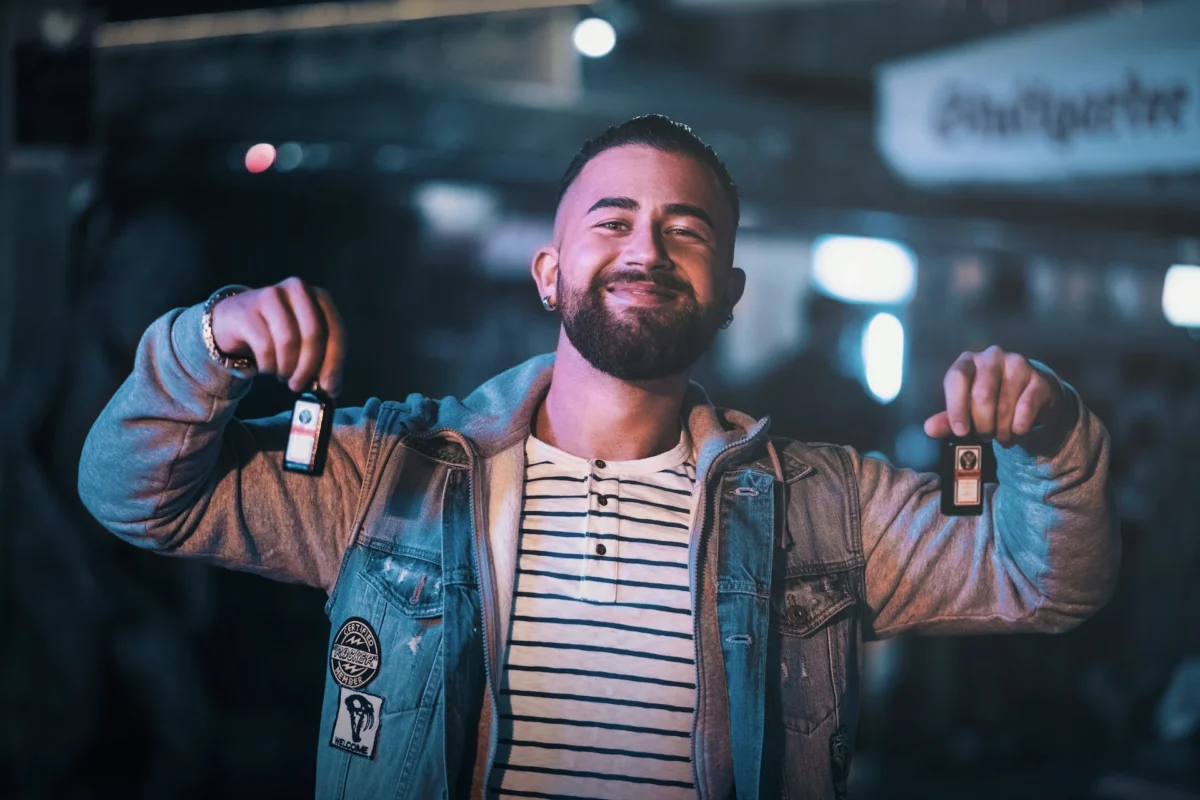
In Germany, the legal drinking age for distilled spirits and liquors such as vodka, whiskey, and rum is set at 18 years old. This age restriction is intended to ensure that individuals have reached a sufficient level of maturity before consuming stronger alcoholic beverages, which can have a greater impact on a very young person’s body and mind.
It is widely recognized that consuming alcohol can have a range of effects on the body, including impaired judgment, reduced inhibitions, and increased risk-taking behavior. Additionally, excessive alcohol consumption can lead to negative consequences such as alcohol poisoning, liver damage, and addiction.
By setting the legal drinking age at 18 years old for distilled spirits and liquors, Germany aims to strike a balance between allowing adults to make their own choices while also promoting responsible alcohol use and protecting public health.
3. Laws and Regulations
Germany has strict regulations when it comes to the legal framework for alcohol consumption, which is primarily governed by the Youth Protection Act (Jugendschutzgesetz). This act is in place to ensure that children and young people are protected from potential harm associated with alcohol consumption and other activities. The act outlines a range of regulations that cover not only the sale and supply of alcohol to minors, but also the advertisement and promotion of various alcoholic drinks and products.
Furthermore, the Youth Protection Act also addresses other activities that could potentially harm minors. These include smoking, gambling, and watching certain movies or playing certain video games. The act is enforced by a range of authorities, including the police and regulatory bodies such as age, who work to ensure that the regulations are being complied with.
Overall, the Youth Protection Act is an important piece of legislation in Germany that plays a key role in safeguarding the health and well-being of children and young people. It is important for all businesses and individuals to be aware of the regulations outlined in the act, in order to ensure that they are not inadvertently breaking the law and putting minors at risk.
Key points:
- The legal framework for alcohol consumption in Germany is governed by the Youth Protection Act (Jugendschutzgesetz).
- The act aims to protect children and young people from the potential harm associated with alcohol consumption and other activities.
- The regulations cover the sale, supply, advertisement, and promotion of alcohol to minors.
- The act also addresses other activities that could potentially harm minors, such as smoking, gambling, and certain movies or video games.
- The act is enforced by the police and regulatory bodies to ensure compliance.
- It is important for businesses and individuals to be aware of the regulations to avoid breaking the law and risking the well-being of minors.
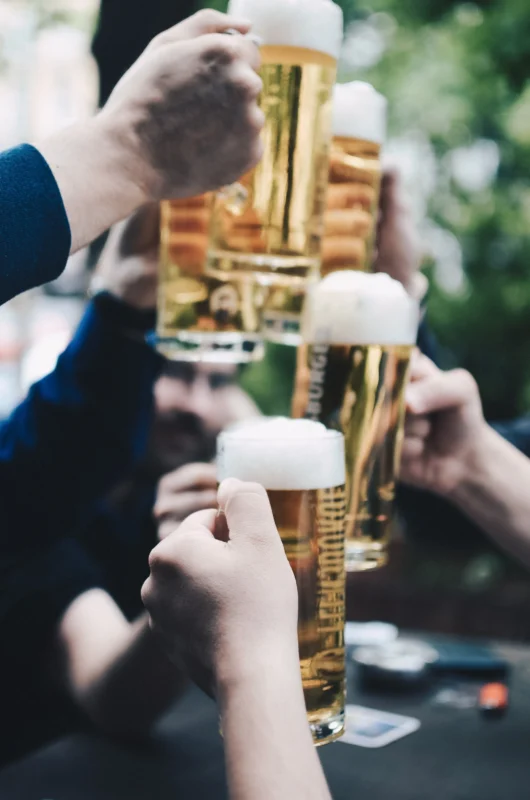
3.1 Youth Protection Act
The Youth Protection Act plays a crucial role in protecting minors from the potential dangers of alcohol abuse. It sets the foundation for age limits, supervision requirements, and penalties for non-compliance, all of which work together to ensure that establishments serving alcohol abide by the established regulations.
This act provides a comprehensive framework for preventing minors from accessing alcoholic beverages, as well as ensuring that those who do not comply with these regulations are held accountable for their actions. By doing so, the act serves as the cornerstone of efforts to promote responsible alcohol consumption and protect the well-being of minors.
Furthermore, the Youth Protection Act encourages parents and guardians to take a more active role in monitoring their children’s activities and ensuring their safety when they are away from home. This includes educating them about the potential harms of alcohol abuse and helping them make informed decisions about their behavior.
Overall, the Youth Protection Act is an essential tool for promoting a safe and healthy environment for minors, and its impact on society cannot be overstated.
Key points of the Youth Protection Act:
- Sets age limits, supervision requirements, and penalties for non-compliance
- Prevents minors from accessing alcoholic beverages
- Holds individuals accountable for not complying with regulations
- Promotes responsible alcohol consumption
- Encourages parents and guardians to actively monitor their children’s activities and educate them about the potential harms of alcohol abuse
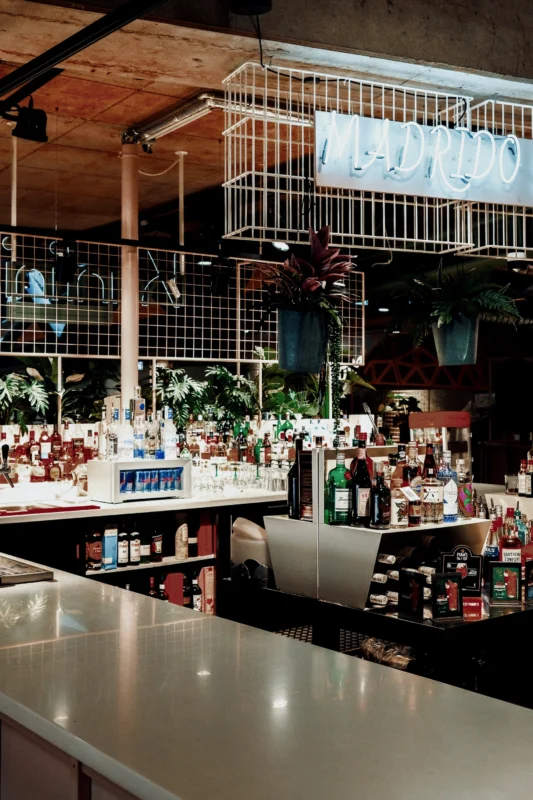
3.2 Exceptions and Accompanying Adults
Under certain circumstances, exceptions to the minimum drinking age are made when minors are accompanied by their legal guardians or a person over the age of 18 who has parental consent to bring alcohol in. This is done in recognition of the fact that different cultures have different attitudes towards alcohol and that responsible family consumption can be a positive experience for young people.
Indeed, studies have shown that introducing adolescents to moderate drinking within a controlled environment can help them develop a healthier relationship with alcohol later in life. By allowing young individuals to experience the social aspects of drinking with trusted and responsible adults, they can learn to make responsible decisions about alcohol. Additionally, this can help to break down the stigma associated with alcohol consumption and promote a culture of safe and responsible drinking.
Ultimately, exceptions to the minimum drinking age should be made in a thoughtful and responsible manner that prioritizes the well-being of young people while also recognizing the importance of cultural differences and social experiences.

4. Cultural Attitudes towards Alcohol
Alcohol has played a vital role in German culture for centuries, making it an integral part of social interactions, traditions, and even regional identities. Visitors who wish to immerse themselves in German culture will find it essential to understand the cultural attitudes towards alcohol. Not only will this help them navigate social situations more easily, but it will also enable them to engage more effectively with locals.
It is important to note that while alcohol consumption is widely accepted in Germany, there are also strict laws and regulations in place to ensure that it is consumed safely and responsibly. Therefore, visitors should take care to familiarize themselves with these regulations to avoid any potential misunderstandings or legal issues. By doing so, they can fully appreciate the role that alcohol plays in German culture and enjoy their interactions with locals to the fullest.
4.1 Beer Culture
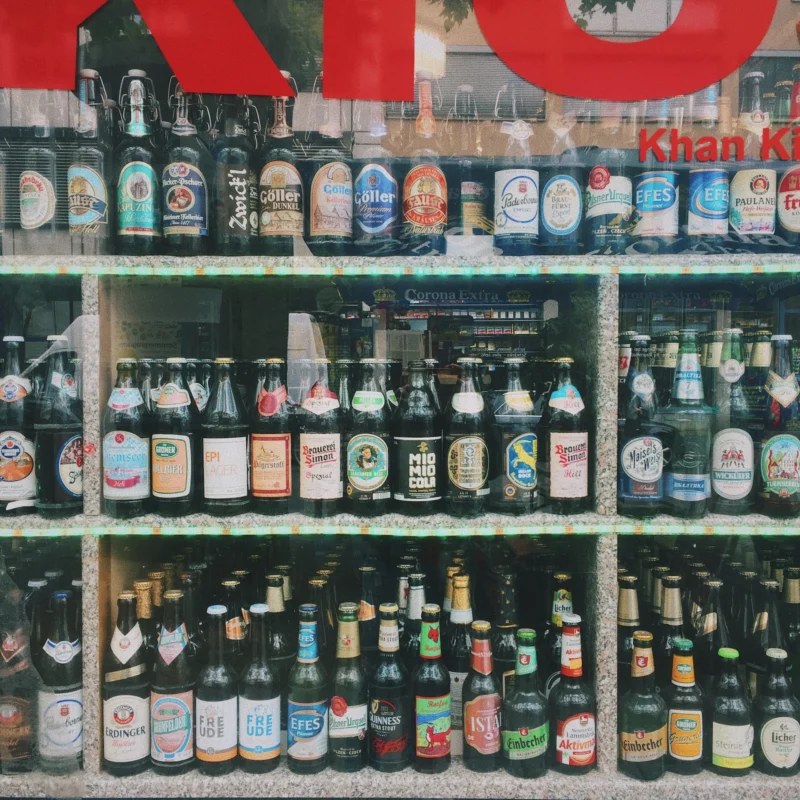
Beer has been an integral part of German culture and history for centuries. It has played a significant role in shaping the country’s identity and is often regarded as a national treasure. German beer is renowned worldwide for its exceptional quality, variety, and brewing traditions, and is considered by many to be the gold standard of beer.
Beers like lagers, ales, and wheat beers have become synonymous with Germany and its rich cultural heritage. Each beer has its own unique flavor profile, brewing techniques, and history that have been passed down through generations of master brewers.
The appreciation for beer in Germany goes beyond just the taste and quality of the beverage. It is a symbol of community, tradition, and celebration. The country is home to numerous beer festivals, with Oktoberfest being the world’s largest beer festival and the most famous. This annual festival attracts millions of people from around the world who come together to celebrate beer and German culture. The festival is a testament to the deep-rooted love and appreciation Germans have for beer and the role it plays in their everyday lives.
In conclusion, beer is not just a drink in Germany; it is a way of life. Its significance in the country’s history, culture, and identity cannot be overstated. From drinking beer to the wide variety of beers to the numerous festivals, beer is a beloved and cherished part of German life that will continue to be celebrated for generations to come.
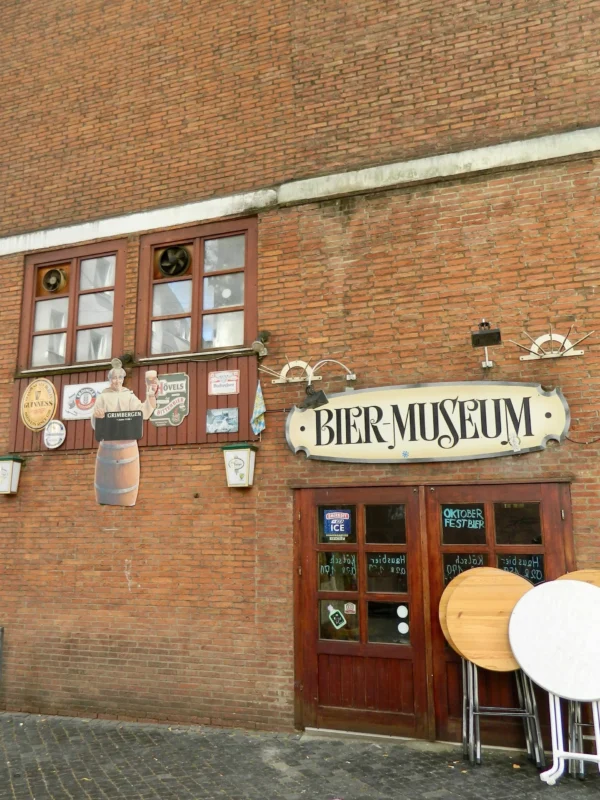
4.2 Drinking in Social Gatherings
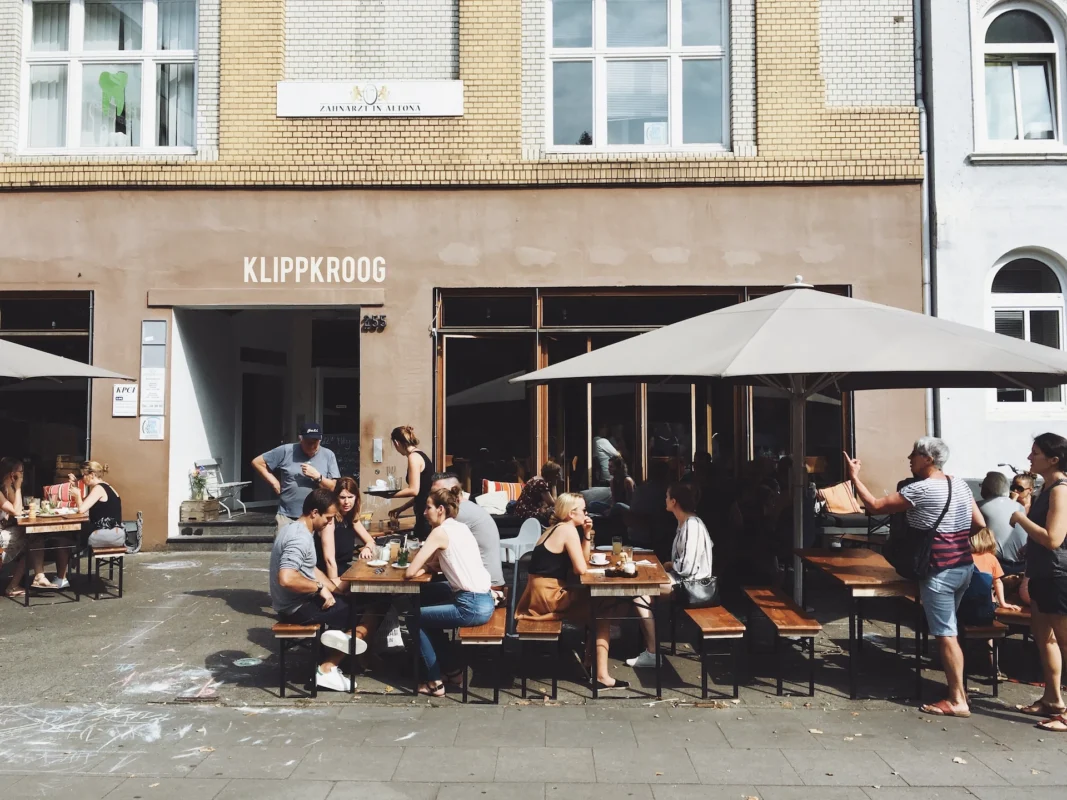
Drinking alcohol is a common way to socialize and build relationships in Germany, as it has been for many years. People often gather at local pubs or attend family gatherings where sharing a drink serves as a means to unwind, bond, and enjoy each other’s company.
This tradition has contributed to a vibrant social scene in Germany, where people can come together to celebrate life and the company of others. It is worth noting that, despite the popularity of drinking, moderation is highly encouraged in these settings. This means that people are encouraged to drink responsibly, knowing their limits and not overdoing it. This is an important aspect of German culture, where people understand the importance of balancing fun with responsibility, and they take pride in doing so.
Overall, drinking in Germany is not just a way to pass the time, but a way to connect with others and build meaningful relationships that can last a lifetime.
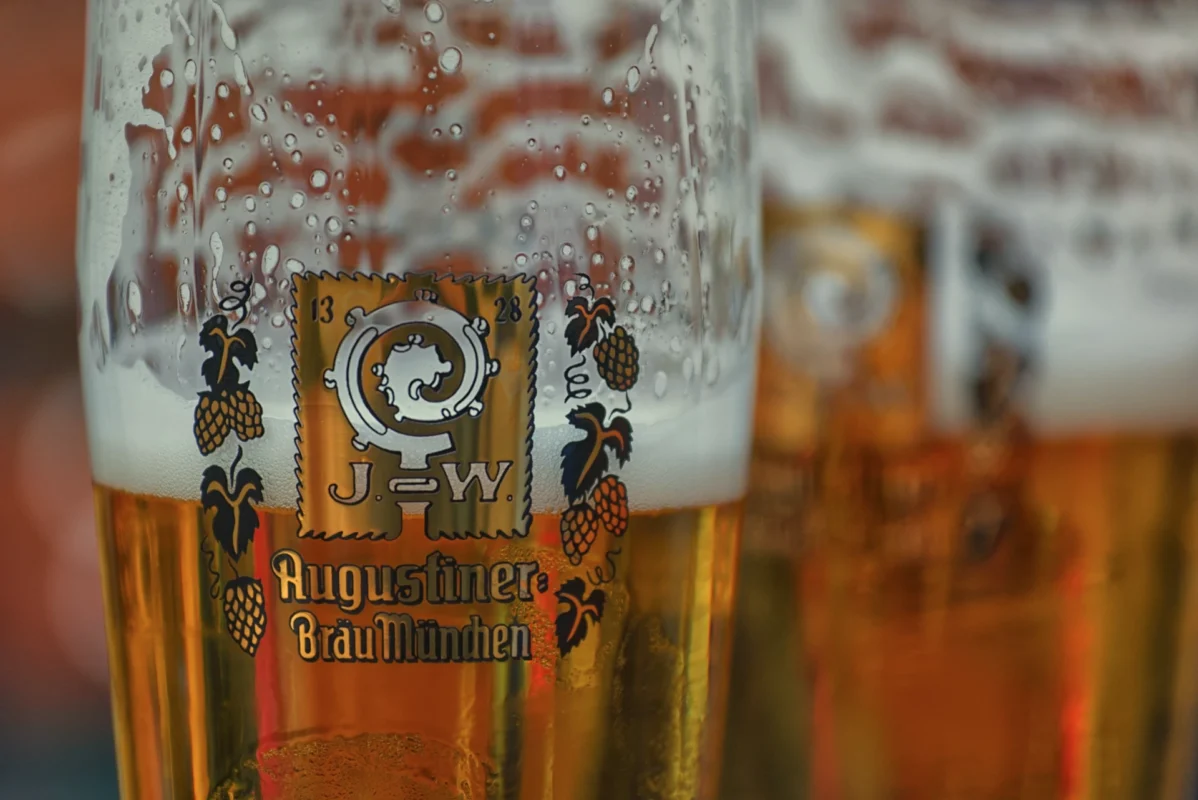
Key points:
- Drinking alcohol is a common way to socialize and build relationships in Germany.
- People gather at local pubs or family gatherings to unwind and bond.
- Drinking in moderation is encouraged.
- German culture emphasizes balancing fun with responsibility.
- Drinking is a way to connect with others and build meaningful relationships.
5. Alcohol Education and Awareness
Germany places significant emphasis on alcohol education and awareness, particularly for young individuals. This emphasis is due to the fact that alcohol-related incidents are one of the leading causes of death among young people in Germany. To combat this issue, schools and educational institutions incorporate alcohol-related topics into their curriculum to educate students about the potential risks and consequences of excessive drinking.
Moreover, there are various organizations and initiatives in Germany that exist to promote responsible alcohol drinking and provide support for those affected by alcohol abuse. For instance, the German Centre for Addiction Issues (Deutsche Hauptstelle für Suchtfragen or DHS) works towards reducing the harmful effects of alcohol and drug abuse in the country. It offers a wide range of support services such as counseling and rehabilitation programs for individuals and their families affected by addiction.
In addition to this, the German government has implemented strict laws and regulations to help control the consumption of alcohol in the country. One such law is the Legal Age of Majority Act, which prohibits the sale and continued consumption of alcohol to persons under the age of 18. This law is enforced strictly, and individuals or businesses that sell alcohol, if found to be in violation of it, can face legal consequences.
Overall, the German government and various organizations are working tirelessly to promote responsible alcohol consumption, prevent young children, and reduce the harmful effects of alcohol abuse in the country.
6. Conclusion
Germany has a long-standing tradition of embracing a unique drinking culture where beer and wine are an integral part of socializing and enjoyment. Whether it’s a gathering with friends or a night out in the town, Germans often indulge in a drink or two to unwind and connect with others.
However, it’s crucial to understand the legal drinking age and the cultural context surrounding alcohol consumption in the country. For both residents and visitors, adhering to the regulations and practicing responsible drinking can ensure a safe and enjoyable experience.
Moreover, exploring the vast array of beer and wine varieties that Germany has to offer is a great way to immerse oneself in the local traditions and vibrant social life. From crisp lagers to rich and complex Rieslings, there’s something for everyone’s taste buds.
So, whether you’re a seasoned drinker or a curious newcomer, taking the time to appreciate Germany’s drinking culture can be a rewarding experience that leaves you with lasting memories.
7. Frequently Asked Questions (FAQs)
Q1. Can tourists under the legal drinking age consume alcohol in Germany? Tourists purchasing alcohol in Germany must adhere to the country’s legal drinking age regulations. Minors are not exempt from the minimum age requirements, and establishments that serve alcohol will typically request identification to verify age before serving alcoholic beverages.
Q2. Are there penalties for underage drinking in Germany? Engaging in underage drinking in Germany can lead to legal consequences, including fines and legal proceedings. It is crucial for young persons to respect and abide by the country’s alcohol laws and regulations regarding alcohol drinking.
Q3. Is beer the most popular alcoholic beverage in Germany? Indeed, beer holds a prominent place in German culture, and it is widely consumed throughout the country. Germany is known for its exceptional beer craftsmanship and offers a vast array of beer styles to suit various tastes.
Q4. How does Germany promote responsible alcohol drinking? Germany takes alcohol education seriously and incorporates it into school curricula. Additionally, the government believes various organizations and initiatives aim to raise awareness about responsible drinking and provide support for individuals affected by alcohol abuse.
Q5. What are some traditional German beer styles to try? If you’re visiting Germany, be sure to sample traditional beer styles such as Pilsner, Weissbier (wheat beer), Bock, and Schwarzbier (black beer). These beers showcase the country’s rich brewing heritage and offer unique flavor profiles.
Q6. What is the legal drinking age in Germany? The legal drinking age in Germany is 16 for beer and wine, and 18 for spirits and liquors.
Check out these additional resources:
The legal drinking age in Italy.
Trip-ready gear from Amazon
As an Amazon Associate, grandgo.com earns from qualifying purchases. Links below are affiliate links — clicking them may earn us a small commission at no extra cost to you. Prices and availability are shown on Amazon.co.uk.
- Sommelier corkscrew waiters friend — Every wine country needs one.
- Wine tasting notebook — Log what you drink where.
- Insulated stainless steel flask — Local spirit sampling.