Notification Show More
Font ResizerAa
  • Guides
  • Travel
    • Airports
    • Beauty beaches
    • Hotels
    • Travel Facts
    • Travel FAQ
  • Travel tips
  • Trips
  • Destinations
    • Armenia
    • Austria
    • Belgium
    • Colombia
    • Czech Republic
    • Estonia
    • Finland
    • France
    • Germany
    • Greece
    • Ireland
    • Italy
    • Japan
    • Monaco
    • Montenegro
    • Netherlands
    • Norway
    • Poland
    • Portugal
    • Spain
    • Switzerland
    • United Kingdom
    • USA
    • Wales
  • Food & drink
  • Lifestyles
  • English
Reading: Belgian Beer
Share
Font ResizerAa
  • Guides
  • Travel
  • Travel tips
  • Trips
  • Destinations
  • Food & drink
  • Lifestyles
  • English
Search
  • Guides
  • Travel
    • Airports
    • Beauty beaches
    • Hotels
    • Travel Facts
    • Travel FAQ
  • Travel tips
  • Trips
  • Destinations
    • Armenia
    • Austria
    • Belgium
    • Colombia
    • Czech Republic
    • Estonia
    • Finland
    • France
    • Germany
    • Greece
    • Ireland
    • Italy
    • Japan
    • Monaco
    • Montenegro
    • Netherlands
    • Norway
    • Poland
    • Portugal
    • Spain
    • Switzerland
    • United Kingdom
    • USA
    • Wales
  • Food & drink
  • Lifestyles
  • English
Have an existing account? Sign In
Follow US
Belgium

Belgian Beer

Published February 24, 2024
Share
18 Min Read
SHARE

Disclosure:

As an Amazon Associate, we earn from qualifying purchases.

Belgian beer, a world-renowned beverage, is celebrated globally for its diverse range, exceptional quality, and profoundly deep-rooted brewing traditions that have been honed and perfected over centuries.

Belgium proudly lays claim to a beer culture that is not just unique but also highly regarded. This culture is so esteemed worldwide that it has earned a special place in the annals of global heritage. It was recognized by UNESCO, the United Nations Educational, Scientific and Cultural Organization, as an integral part of the intangible cultural heritage of humanity. This recognition isn’t just a testament to the cultural significance of Belgian beer, but also a tribute to the people of Belgium who have painstakingly preserved these brewing traditions.

In an endeavour to introduce you to the rich, vibrant, and diverse world of Belgian beer, here’s a more detailed overview of its key features:

  • Variety: Belgian beer isn’t just one type of beer. It spans a wide range, each variant with its unique characteristics and flavor profiles.
  • Quality: Belgian beers are known for their exceptional quality. The meticulous brewing process, coupled with high-quality ingredients, results in a beverage that is truly world-class.
  • Deep-rooted brewing traditions: The brewing methods and practices in Belgium have been passed down through generations, contributing to the deep respect for the craft that is clearly evident in each Belgian beer.

History and Tradition

Belgium’s illustrious beer history is a rich tapestry woven through centuries. It’s deeply entwined with the country’s culture, monastic life, and the evolution of brewing technology.

The roots of Belgian beer stretch back to the Middle Ages. During this period, waterborne diseases were commonplace, making the mildly alcoholic beer a healthier alternative to water.

This necessity gave rise to a brewing tradition that was, quite literally, a matter of life and health. We can highlight the following points:

  • Belgian beer is deeply entwined with Belgium’s culture and monastic life.
  • The tradition arose as a healthier alternative to water during the Middle Ages when waterborne diseases were common.
  • This brewing tradition was a matter of life and health.

Monastic Beginnings

The monasteries were the epicenters of this brewing revolution. Monks, dedicated to a life of work, prayer, and community service, found brewing to be a perfect complement to their daily routines.

It was not just about creating an alternative to water. These monastic breweries were tasked with the need to generate income for their communities.

The beer they brewed had to:

  • Be of a quality that could be sold to the public
  • Offer both a spiritual blessing and financial sustenance

Refinement and Innovation

Over the centuries, these monastic brewers became master craftsmen, honing their skills and developing techniques that would set the foundation for modern brewing. They experimented with local ingredients, like the diverse grains of the region and the unique wild yeasts of the Senne valley, to create beers with distinct flavors and characteristics.

This period of innovation led to the creation of beer styles that are now quintessentially Belgian, such as:

  • The Trappist ales
  • Lambics

The monks’ dedication to quality also meant that they were early adopters of technological advances. The use of hops, for instance, was popularized in Belgium by monastic brewers. Hops not only added bitterness to balance the sweetness of the malt but also acted as a preservative, extending the beer’s shelf life.

This was a significant improvement over the earlier use of gruit, a mixture of herbs and spices, for flavoring beer.

Preservation of Tradition

What is truly remarkable about Belgian beer is not just its ancient origins but the continuity of its traditions.

  • Many of the monastic breweries that began operations in the Middle Ages are still in operation today.
  • Some, like the Abbey of Westvleteren, consistently rank among the best in the world.

These breweries maintain their adherence to the old ways, including:

  1. The cultivation of specific yeast strains
  2. The meticulous handcrafting of each batch of beer

Moreover, the tradition of brewing has permeated Belgian culture beyond the monastery walls.

  • Abbey beers, for instance, are brewed by commercial operations under the supervision or license of monastic communities.
  • This allows the traditions and recipes developed by the monks to be shared more widely.

This has helped ensure that the legacy of monastic brewing not only survives but thrives in the modern era.

Cultural Heritage and Global Recognition

The importance of beer to Belgian culture cannot be overstated. It is:

  • A symbol of the country’s history,
  • A testament to its commitment to craftsmanship, and
  • A key component of its social fabric.

This deep cultural significance was recognized in 2016 when UNESCO added Belgian beer culture to its list of the intangible cultural heritage of humanity. This recognition is not just an honor; it’s a reflection of how Belgian beer, with its roots in the monastic traditions of the Middle Ages, has become a global standard for quality and diversity in brewing.

In conclusion, the history and tradition of Belgian beer offer a fascinating glimpse into a past where brewing was a vital component of daily life, economic strategy, and cultural identity.

The preservation of these ancient brewing methods, alongside a willingness to innovate and adapt, has cemented Belgium’s status as a world leader in the art of beer making. This makes Belgian beer not just a beverage but a cultural treasure.

Diversity and Styles

One of the most striking aspects of Belgian beer is its incredible diversity. Belgium produces over a thousand different beers, encompassing a wide range of styles. Some of the most iconic Belgian beer styles include:

  • Trappist Beers: Brewed within Trappist monasteries, these beers are often rich, complex, and strong. Only 14 monasteries in the world (six of which are in Belgium) are authorized to label their beers with the Authentic Trappist Product designation.
  • Abbey Beers: Similar to Trappist beers but brewed by commercial breweries outside of monastic communities, often under license or following monastic recipes.
  • Lambics: Unique to the Brussels region, these are naturally fermented using wild yeasts from the Senne valley. Lambics can be sweetened to produce Faro, blended to create Gueuze, or fermented with fruits like cherries (Kriek) and raspberries (Framboise).
  • Witbiers: A refreshing, cloudy, wheat beer style often flavored with coriander and orange peel.
  • Dubbel and Tripel: Rich and malty (Dubbel) or strong and pale (Tripel), these terms originally denoted the strength of the beer.
  • Saison: Originally a low-alcohol pale ale brewed in farmhouses for seasonal workers in Wallonia, modern saisons are more potent and flavorful, noted for their fruity and spicy notes.

Beer Culture

Belgian beer culture is a testament to the country’s rich history, diverse regions, and dedication to the craft of brewing. It’s a culture where beer is not just a drink, but a way of life, celebrated and respected across the nation. Here’s a deeper look into the elements that make Belgian beer culture so distinctive and revered.

Regional Specialties and Brewing Secrets

Belgium’s beer culture is as varied as its landscape, with each region offering its own unique contributions to the nation’s extensive beer repertoire. From the sour Lambics of Brussels to the strong, dark ales of Wallonia and the hoppy beers of Flanders, each area has its own brewing traditions and specialties. These regional differences are not just about varying tastes but also about the local history and the specific techniques passed down through generations. For instance, the use of wild yeast in Lambics or the complex malt profiles in Trappist ales highlights the adaptability and innovation within Belgian brewing.

The Art of Beer Pairing

In Belgium, beer pairing is elevated to an art form, akin to the sophistication of wine pairing in other cultures. Belgian cuisine is known for its diversity and complexity, and there’s a strong tradition of matching beer with food to enhance the dining experience. Whether it’s pairing a fruity Lambic with a rich chocolate dessert or a robust Dubbel with a hearty stew, the right beer can complement a dish’s flavors, making each bite more enjoyable. This culinary practice underscores the versatility of Belgian beer and its integral role in the country’s gastronomy.

Unique Glassware for Every Beer

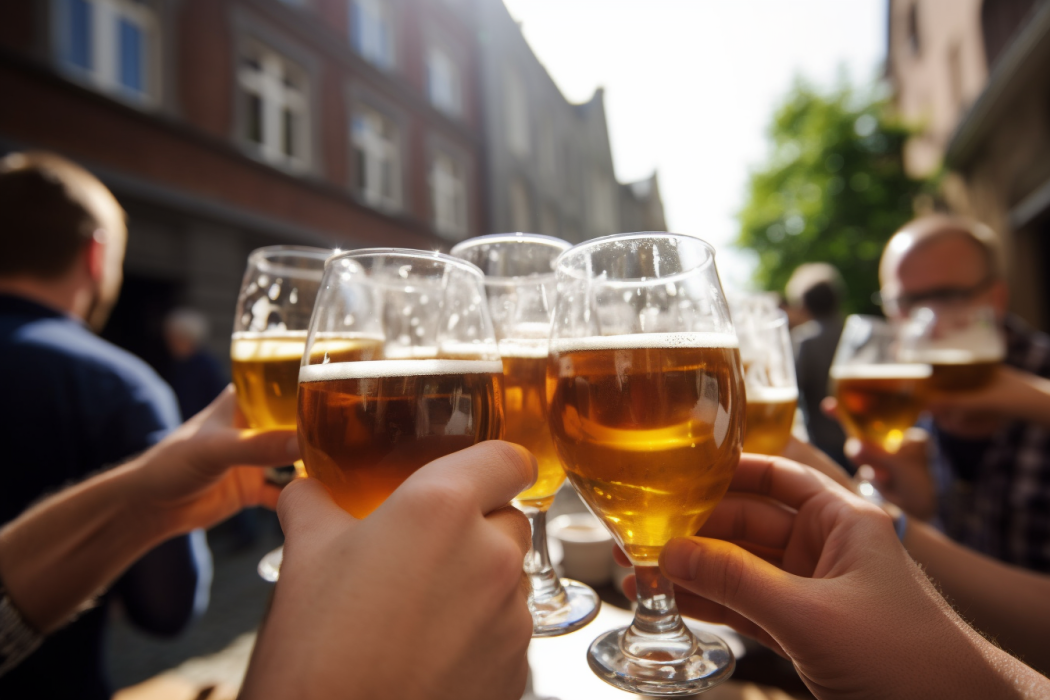
Another hallmark of Belgian beer culture is the use of unique glassware designed specifically for each type of beer. This tradition stems from the belief that the shape of the glass can significantly influence the beer’s aroma, taste, and the way it feels in your mouth. From the tulip glasses for strong ales that help trap the aroma to the fluted glasses for Pilsners that showcase their clarity and carbonation, each glass is a piece of the beer’s identity. This attention to detail ensures that every sip is a full sensory experience, reflecting the care and craftsmanship that goes into brewing.

Community and Festivals

Belgian beer culture is also deeply communal, with numerous beer festivals and events taking place throughout the year. These gatherings are not just about sampling a wide variety of beers but also celebrating the communal spirit and shared passion for brewing excellence. From the large-scale Brussels Beer Weekend to smaller local festivals, these events bring together brewers, connoisseurs, and casual drinkers alike, fostering a sense of community and belonging.

Global Influence and Recognition

Belgian beer’s global influence is undeniable, with Belgian styles and brewing techniques adopted and adapted by brewers around the world. The country’s brewing heritage and the quality of its beers have earned international acclaim, making Belgian beer a benchmark for craft brewers everywhere. This global recognition is a source of national pride and a testament to Belgium’s enduring legacy in the world of beer.

In conclusion, Belgian beer culture is a rich mosaic of regional diversity, culinary artistry, communal celebration, and global influence. It’s a culture that values tradition while embracing innovation, where beer is more than just a beverage—it’s a symbol of Belgian identity and craftsmanship.

Festivals and Tourism

Belgium’s calendar is punctuated with a variety of beer festivals, each offering its own unique experience but all unified in celebrating the rich tapestry of Belgian brewing. These festivals are not only a cornerstone of beer culture in Belgium but also serve as major attractions for tourists, drawing visitors from across the globe keen to immerse themselves in the world of Belgian beer.

Belgian Beer Weekend

The Belgian Beer Weekend, typically held in the grand setting of Brussels’ Grand Place, is a highlight of the festival calendar. This event showcases over 400 different Belgian beers, ranging from internationally recognized brands to small, artisanal brews. It’s a perfect opportunity for both connoisseurs and casual beer lovers to explore the depth and breadth of Belgian beer. The festival also features live music, food pairings, and brewing demonstrations, making it a comprehensive celebration of Belgian beer culture.

Brewery Tours and Open Houses

Many Belgian breweries capitalize on the interest in their brewing heritage by offering tours and open house events. These tours can vary from large, well-known breweries with state-of-the-art visitor centers to small, family-run operations where the brewing is still done in traditional ways. Visitors can expect to learn about the history of the brewery, the specifics of the brewing process, and, of course, have the opportunity to taste the beers in their freshest form. Brewery tours are an excellent way for tourists to connect with the history and tradition of Belgian beer directly.

Local and Regional Festivals

Beyond the Belgian Beer Weekend, there are numerous local and regional beer festivals throughout the year. These festivals often highlight local specialties and rare or seasonal brews that might not be available elsewhere. Events like the Zythos Beer Festival in Leuven and the Modeste Beer Festival in Antwerp offer different perspectives on Belgian beer, focusing on craft and microbreweries or celebrating the legacy of brewing families.

Tourism Impact

The allure of Belgian beer festivals and brewery tours has a significant impact on tourism in Belgium. Beer enthusiasts often plan their visits around festival dates or brewery availability, contributing to the local economy through accommodations, dining, and other tourism-related activities. The Belgian government and local municipalities recognize the value of beer tourism, investing in infrastructure and marketing to support these attractions.

A Global Gathering

What sets Belgian beer festivals apart is the sense of international community they foster. Attendees come from all corners of the earth, drawn by a shared passion for beer. This global gathering underscores the universal appeal of Belgian beer and its ability to bring people together, transcending cultural and linguistic barriers.

In summary, the festivals and tourism related to Belgian beer are integral to both the economy

Conclusion

Belgian beer is not just a drink; it’s a cultural emblem that captures the essence of Belgium’s history, tradition, and communal spirit. As you delve into the world of Belgian beer, you embark on a sensory exploration that transcends mere taste, uncovering stories of:

  • Ancient monasteries
  • Artisanal craftsmanship
  • Generations of family brewers dedicated to perfecting their craft

Each sip is a homage to the meticulous art of brewing that Belgium has honed over centuries, making it a revered leader in the global beer scene.

Whether it’s the convivial atmosphere of a local Belgian pub, the festive spirit of a beer festival, or the quiet appreciation of a finely crafted brew at home, Belgian beer invites you to celebrate its rich tapestry of flavors, aromas, and experiences. It encourages not just consumption, but appreciation and knowledge of what makes each style distinct and worthy of admiration.

In conclusion, Belgian beer offers an enriching journey that goes beyond mere alcoholic indulgence. It’s an invitation to:

  • Explore a heritage steeped in history
  • Connect with a community that finds common ground in its love for quality brewing
  • Savor the unparalleled diversity of one of humanity’s oldest and most cherished beverages

As you explore Belgian beer, you’re not just tasting a product; you’re partaking in a tradition that continues to inspire and captivate beer enthusiasts around the world.

grandgo February 24, 2024 February 24, 2024
Share This Article
Facebook Twitter Pinterest Reddit Email Copy Link Print
Table of contents
  1. History and Tradition
    1. Monastic Beginnings
    2. Refinement and Innovation
    3. Preservation of Tradition
    4. Cultural Heritage and Global Recognition
  2. Diversity and Styles
  3. Beer Culture
    1. Regional Specialties and Brewing Secrets
    2. The Art of Beer Pairing
    3. Unique Glassware for Every Beer
    4. Community and Festivals
    5. Global Influence and Recognition
  4. Festivals and Tourism
    1. Belgian Beer Weekend
    2. Brewery Tours and Open Houses
    3. Local and Regional Festivals
    4. Tourism Impact
    5. A Global Gathering
  5. Conclusion
 

You Might Also Like

Belgium

Belgium – A Small Nation With Big History

May 22, 2024
Follow US
©Grandgo, Inc. All Rights Reserved.
  • About us
  • Privacy policy
  • Community Guidelines
  • Terms of Use
  • Contact
Welcome Back!

Sign in to your account

Lost your password?
We use cookies to ensure that we give you the best experience on our website. If you continue to use this site we will assume that you are happy with it.