


Quick Answer
Belgian beer culture is UNESCO Intangible Cultural Heritage 2016 — most diverse globally with 1,500 varieties. Top categories: Trappist (6 abbeys) — Westvleteren (often rated world’s #1), Chimay, Orval, Rochefort, Westmalle, Achel; Lambic (Brussels) — Cantillon (museum-style), Boon, 3 Fonteinen — wild fermented sour beers; Gueuze — blended aged lambic; Witbier — Hoegaarden style; Tripel + Dubbel — abbey-style strong; Kriek — cherry-flavored. How to drink: each beer has its own glass. Strict tradition. Best places: Brussels’ Delirium Café (3,000+ beers, Guinness World Record), Bruges’ De Garre, Antwerp’s Kulminator. Where to taste: Brewery tours (Cantillon Brussels, Westmalle abbey, Chimay), beer cafés in Brussels + Bruges + Ghent. Cost: €4-8 per beer. Don’t miss: Westvleteren 12 if you can find it.
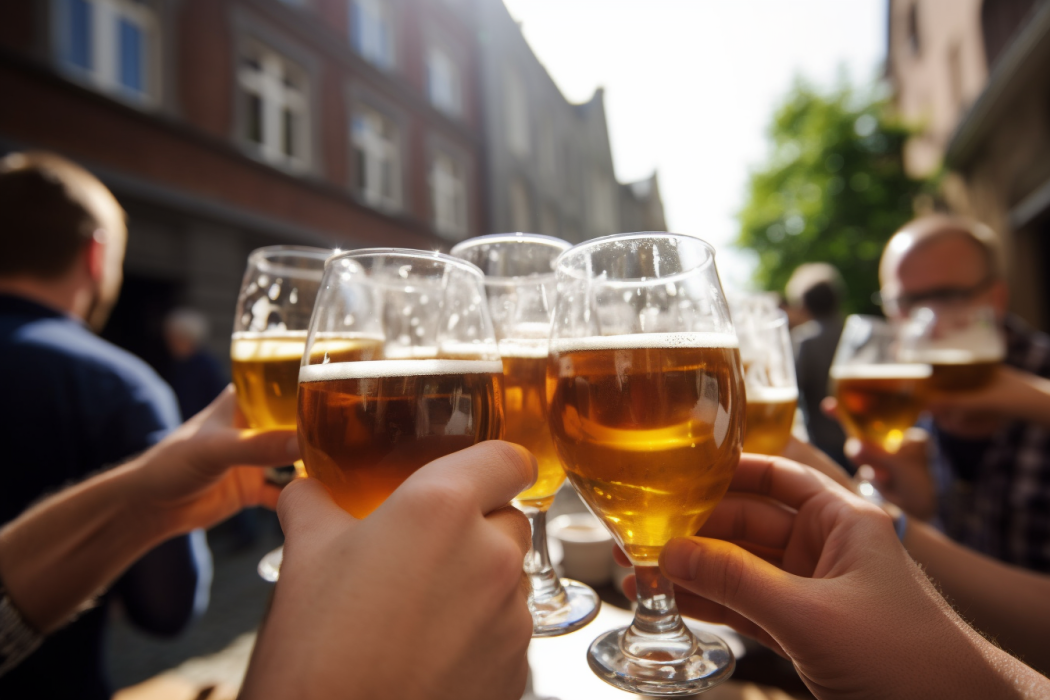
UNESCO recognition
- UNESCO Intangible Cultural Heritage 2016: “Belgian beer culture” — recognized for diversity + tradition.
- 1,500 varieties: most diverse globally.
- 200 breweries currently active.
- 1,000+ years tradition: Belgian monks brewing since 12th century.
- Beer per glass tradition: each beer has its own designated glass shape.
- “Beer is a drink, not just an alcohol”: cultural attitude.
Trappist beers (6 Belgian abbeys)
- Westvleteren (Sint-Sixtus): Westvleteren 12 often rated world’s #1 beer. Hard to obtain — must visit abbey or specific shops.
- Chimay (Notre-Dame de Scourmont): Chimay Blue, Red, White, Cinquante. Most accessible Trappist.
- Orval: single beer. Distinctive bitterness from Brettanomyces yeast.
- Rochefort (Notre-Dame de Saint-Rémy): Rochefort 6, 8, 10. World-class.
- Westmalle (Onze Lieve Vrouw van het Heilig Hart): invented Tripel. Westmalle Tripel + Dubbel.
- Achel: closed monastery 2021 — last Trappist. Beers continue.
- Trappist requirements: brewed within abbey walls + by monks/under monk supervision + profits charity. International Trappist Association certifies.
Lambic + Gueuze (Brussels region)
- Wild fermentation: Brussels’ airborne yeast. Only made in Senne River valley.
- Lambic: base beer. Aged 1-3 years in oak barrels. Sour, complex.
- Gueuze: blend of young + old lambic. Refermented in bottle. “Brussels Champagne”.
- Kriek: lambic with cherries.
- Framboise: lambic with raspberries.
- Cantillon: Brussels brewery museum. Tour €10. Tradition since 1900.
- Boon: Lembeek brewery. Mariage Parfait gueuze.
- 3 Fonteinen: revival of traditional methods.
- Where to drink: In de Verzekering tegen de Grote Dorst (Eizeringen, near Brussels) — most authentic.
Other Belgian styles
- Witbier: Hoegaarden invented + revived. White beer with coriander + orange peel.
- Tripel: abbey-style, golden, strong (8-10%). Westmalle invented.
- Dubbel: abbey-style, dark, less strong (6-8%).
- Quadrupel: very strong dark abbey-style (10%+). La Trappe Quadrupel famous.
- Saison: farmhouse ale, Wallonia. Spicy, dry.
- Strong Golden Ale: Duvel — Belgium’s most famous everyday beer.
- Belgian IPA: modern fusion American + Belgian.
- Faro: traditional sweetened lambic.
Best places to drink
- Brussels: Delirium Café — 3,000+ beers Guinness World Record. Tourist-y but unique. €4-8 per beer.
- Brussels: Moeder Lambic — Belgium’s best beer bar. Different from Delirium.
- Brussels: A la Mort Subite — historic art nouveau. Local Cantillon style.
- Brussels: Cantillon Brewery — tour + tasting €10. Traditional lambic.
- Bruges: De Garre — secret alley pub. Tripel famous.
- Bruges: ‘t Brugs Beertje — 300+ beers. Locals’ favorite.
- Antwerp: Kulminator — vintage beer specialist. Aged Trappist on tap.
- Ghent: Trollekelder — 200+ beers. Atmospheric.
- Westvleteren In de Vrede: at the abbey itself. Drink there + take 2 cases home.
Beer + glass tradition
- Each beer has own glass: strict tradition.
- Trappist tulip: for Trappist beers. Concentrates aroma.
- Hoegaarden hexagonal: for white beer.
- Duvel tulip: bowl shape with stem.
- Kriek goblet: for cherry beers.
- Glass maintenance: rinsed before pour, not towel-dried.
- Pouring technique: slow at angle, head matters.
- Why important: beer character changes with glass shape — surface area + lip + bowl all affect.
Practical info
- Best base: Brussels (international hub + Cantillon + Delirium). Bruges (medieval pub crawl).
- Budget: €4-8 per Belgian beer. Tasting flights €15-25.
- Bring back: 6-pack Belgian beers in checked luggage. Westvleteren 12 only at abbey.
- Best time: year-round. Beer cafés cozy in winter.
- Beer tour packages: 7-day “Belgian Beer Trail” tours €1,500-3,000.
- Languages: Dutch (Flanders), French (Wallonia + Brussels). English in tourism.
Frequently Asked Questions
Why is Belgian beer UNESCO?
Belgian beer culture recognized as UNESCO Intangible Cultural Heritage in 2016 for diversity (1,500 varieties), tradition, and ‘beer is a drink, not just alcohol’ attitude. Most diverse beer culture globally.
What are Trappist beers?
Beers brewed by Trappist monks in 6 Belgian abbeys: Westvleteren, Chimay, Orval, Rochefort, Westmalle, Achel. Plus a few others worldwide. Profits go to charity. International Trappist Association certifies.
Best Belgian beer?
Westvleteren 12 (Trappist, often rated world’s #1). Or Chimay Blue (more accessible Trappist). Cantillon Gueuze (Brussels lambic). Subjective — Belgians have 1,500 to choose from.
Where to drink Belgian beer in Brussels?
Delirium Café (3,000+ beers Guinness Record). Moeder Lambic (Belgium’s best beer bar). A la Mort Subite (historic). Cantillon Brewery (lambic museum).
How many breweries in Belgium?
200+ active breweries currently. 1,500 different beers brewed. 60 monasteries historically brewed. 6 active Trappist abbeys today.
Belgian beer in proper glass?
Yes, strict tradition. Each beer has own designated glass shape (Trappist tulip, Hoegaarden hexagonal, Duvel tulip, etc.). Glass affects beer character. Take seriously.
Recommended on Amazon
As an Amazon Associate, grandgo.com earns from qualifying purchases. Links below are affiliate links — clicking them may earn us a small commission at no extra cost to you. Prices and availability are shown on Amazon.co.uk.
- Belgian beer guide book — detailed brewery tours.
- Belgian beer glass set — authentic glasses.
- Lonely Planet Belgium — comprehensive country guide.