


Quick Answer
Belgium is Western Europe’s small but mighty country (30,689 km², 11.5 million people). EU capital + chocolate + beer + waffles + Tintin/comics. Three regions: Flanders (Dutch-speaking north — Bruges, Ghent, Antwerp), Wallonia (French-speaking south — Liège, Namur), Brussels (capital, bilingual). Top destinations: Brussels (EU capital, Grand Place UNESCO, Manneken Pis), Bruges (medieval Venice of the North UNESCO), Ghent (medieval university, Gravensteen Castle), Antwerp (Rubens, fashion, diamonds), Ypres (WWI memorials). Belgian beer: UNESCO Intangible Cultural Heritage 2016. 1,500 varieties. Trappist beers (6 abbeys). Chocolate: world’s best per capita (8 kg/year). Best time: April-September. Days: 5-7 minimum. Currency: Euro. Budget: €100-180/day mid-range.
Top destinations
- Brussels (2-3 days): Grand Place UNESCO, Manneken Pis, Atomium, EU Parliament, comic strip murals (Hergé/Tintin).
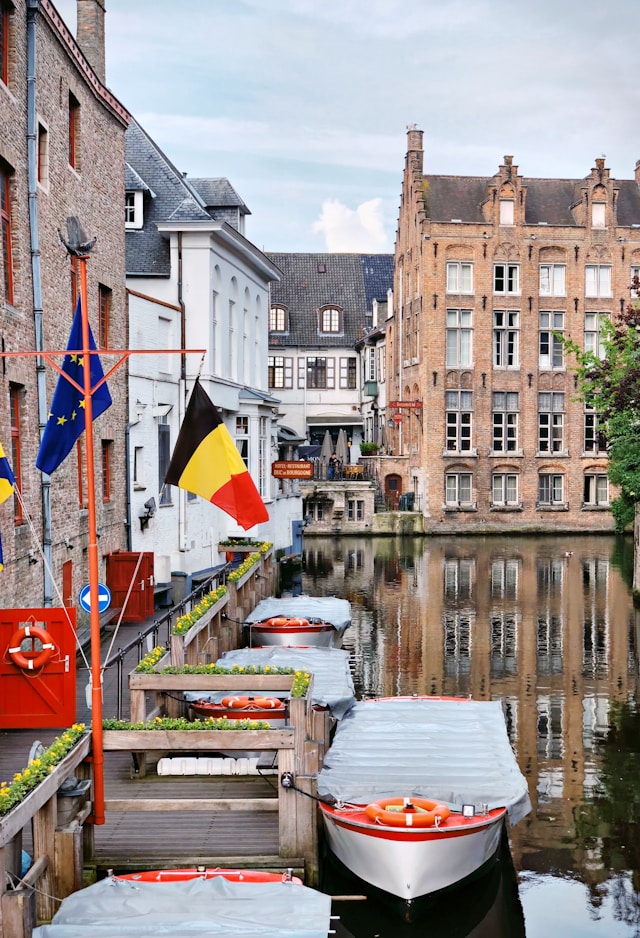
- Bruges (2 days): medieval UNESCO. Belfry tower, Markt square, canals, swans on Minnewater. Day trip from Brussels possible (1h train).
- Ghent (1-2 days): often skipped but stunning. Gravensteen Castle (12th century), Adoration of the Mystic Lamb (Van Eyck masterpiece), 3 churches together.
- Antwerp (1-2 days): Rubens House, Cathedral, fashion district, Diamond Quarter (80% world’s diamonds traded), Plantin-Moretus Museum UNESCO.
- Ypres (Ieper) — 1 day: WWI battlefields. Last Post ceremony nightly at Menin Gate (since 1928).
- Dinant: dramatic citadel on Meuse River. Saxophone birthplace.
- Spa town: namesake of all “spas” since Roman times.
- Battlefield Bastogne: WWII Ardennes, Battle of the Bulge.
Brussels deep dive
- Grand Place (UNESCO): medieval main square. Town Hall, guildhouses. Most beautiful square in Europe.
- Manneken Pis: tiny statue of peeing boy. 800+ outfits in museum.
- Atomium: 1958 World Expo monument. 102m tall iron crystal. €18.
- EU Parliament: visit free Mon-Thu. Hemicycle Tour 1h.
- Belgian Comic Strip Center: Tintin, Smurfs, Lucky Luke. €13.
- Royal Museums of Fine Arts: Brueghel, Rubens, Magritte. €15.
- Cantillon Brewery: traditional lambic brewer. Tour €10.
- Galeries Saint-Hubert: 1847 covered shopping arcade.
Belgian beer culture (UNESCO)
- UNESCO Cultural Heritage 2016: Belgian beer culture. Most diverse globally.
- Trappist beers: 6 Belgian abbeys (Westvleteren, Chimay, Orval, Rochefort, Westmalle, Achel). Westvleteren 12 often rated world’s best.
- Lambic + Gueuze: Brussels-area sour wild-fermented. Cantillon (museum-style, traditional).
- Witbier: Hoegaarden (white beer with coriander).
- Dubbel + Tripel: abbey-style strong.
- Kriek: cherry-flavored.
- 1,500 varieties: served in proper glasses. Each beer has its own glass shape.
- Beer cafés: Delirium Café Brussels (3,000+ beers). Bruges’ De Garre. Antwerp’s Kulminator.
Belgian cuisine
- Frites + Mayo: Belgians invented fries (despite “French fries” name). Eat from frites stands (frituur). With mayo.
- Moules-Frites: mussels + fries. National dish.
- Carbonade Flamande: Flemish beef stew with beer.
- Waterzooi: Ghent stew (chicken or fish).
- Belgian waffles: Brussels (rectangular, lighter), Liège (chunky, sweet sugar).
- Speculoos: spiced cookies (Lotus Biscoff origin).
- Chocolate: 2,000+ chocolatiers. Top: Pierre Marcolini, Mary, Neuhaus, Leonidas, Godiva.
- Cheese: Belgian Trappist cheese (made by monks).
Practical info
- Getting there: Brussels Airport (BRU), Charleroi (CRL — Ryanair). Eurostar from London (2h), Thalys from Paris (1h22), Amsterdam (1h53).
- Train: SNCB connects all cities. Brussels-Bruges 1h, Brussels-Ghent 30 min, Brussels-Antwerp 45 min.
- Best time: April-September. Christmas markets late November.
- Where to stay: Brussels (central, EU access), Bruges (medieval atmosphere), Ghent (university charm).
- Languages: Dutch (Flanders), French (Wallonia + Brussels). English widely spoken.
- Budget: €100-180/day. More expensive than Spain/Portugal, similar to Germany/Netherlands.
Frequently Asked Questions
How long do I need in Belgium?
5-7 days for highlights (Brussels, Bruges, Ghent, Antwerp). Quick: 3 days Brussels + Bruges. Beer enthusiasts: 7-10 days for brewery tours.
Bruges or Ghent — which is better?
Bruges more touristic, picture-perfect, smaller. Ghent more authentic, larger, university town, Van Eyck masterpiece. Both: stunning. Most travelers do both (1h apart by train).
Are Belgian fries different?
Yes. Belgians invented them (despite French fries name). Double-fried in beef tallow. Crispy outside, fluffy inside. Eat from frituur (street stand) with mayo, not ketchup.
Trappist beers — what makes them special?
Made by Trappist monks following strict rules. Only 6 Belgian abbeys + few others worldwide. Westvleteren 12 often rated world’s best. Hard to obtain — must visit abbey or specific shops.
Belgian chocolate vs Swiss?
Both excellent. Belgian: more varied (2,000+ chocolatiers), creative, heritage chocolatiers like Marcolini. Swiss: smoother (conching invented), Lindt/Toblerone. Try both.
Brussels — French or Flemish?
Officially bilingual. Practically: French dominant in city center. Both languages on signs. English widely spoken. Locals appreciate bonjour or hallo greeting.
Recommended on Amazon
As an Amazon Associate, grandgo.com earns from qualifying purchases. Links below are affiliate links — clicking them may earn us a small commission at no extra cost to you. Prices and availability are shown on Amazon.co.uk.
- Lonely Planet Belgium — comprehensive country guide.
- Belgian beer guide book — detailed brewery tours.
- Belgian chocolate gift box — authentic.