


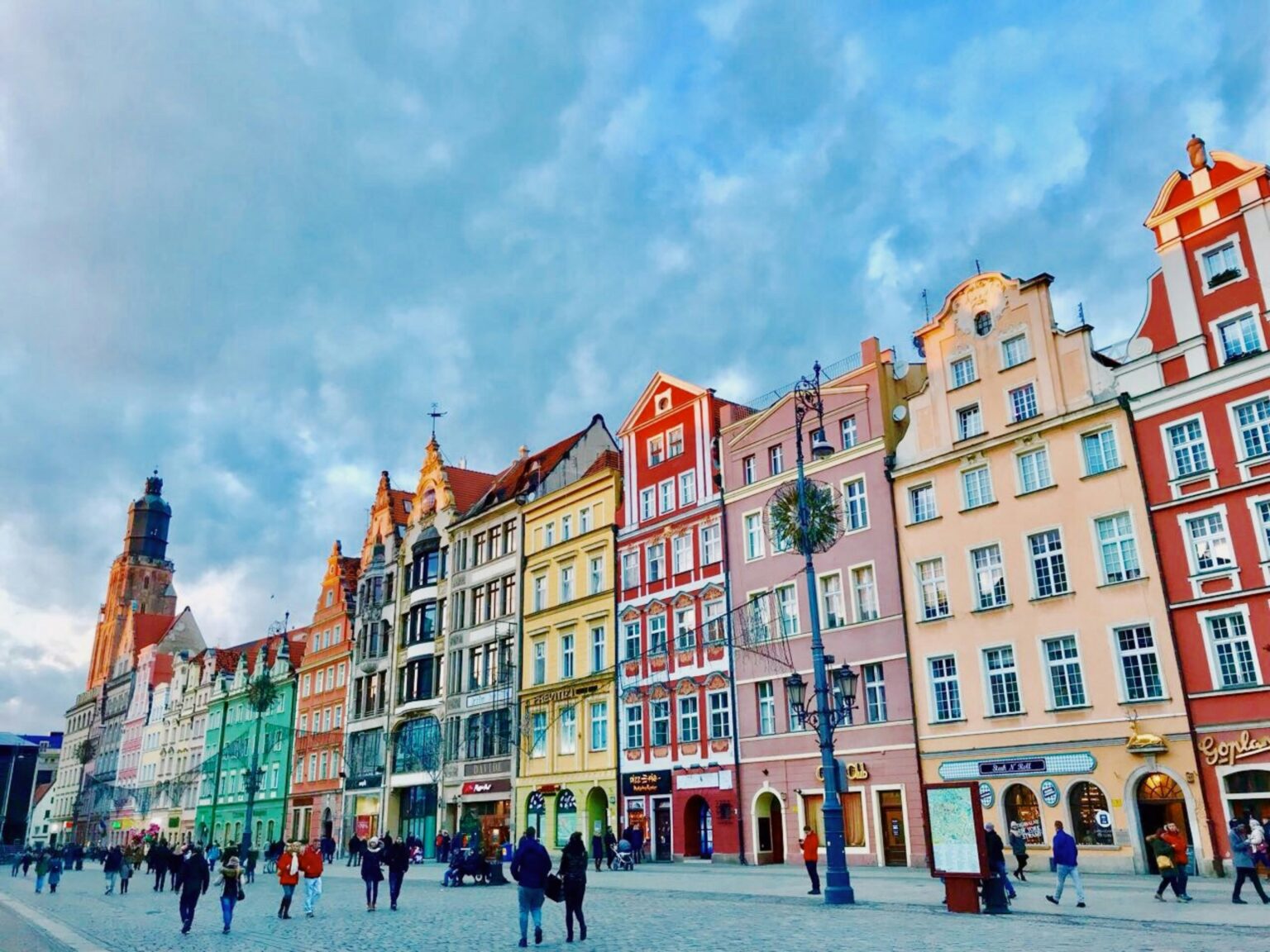

Poland is a medium-sized nation in central Europe. Its history as a state dates back to around the middle of the 10th century; by mid-16th century, however, Poland-Lithuanian Commonwealth ruled over one of Europe’s largest territories.
Religious values are highly revered in Poland, with most citizens practicing Roman Catholicism. Notable individuals include composer Frederic Chopin and Pope John Paul II who both occupy positions of prominence within this nation.
History
Poland is one of Europe’s oldest nations and boasts an intricate and longstanding history that dates back over millennia. From tribal invasions and Christianisation, to becoming one of Europe’s major powers and experiencing many crises including collapse and partitions as well as two world wars, communism, and eventually democracy regaining power – Poland has endured quite a journey.
Over its history, Poland’s lands have been invaded and conquered by warrior tribes from both eastern and western Europe. Although these invaders initially brought destruction and barbarism, their presence ultimately helped Poland establish its first civilisation and culture.
From the early 17th century on, Poland was in a constant state of war with one or more of its neighbors, including Sweden at Kircholm, Russia at Kluszyn, and Turkey at Chocim. Military successes (such as victory over Sweden at Kircholm and Russia at Kluszyn, and Turks at Chocim) alternated with disasters that devastated its country, bankrupted its Treasury, and made nobility disillusioned about Crown’s prerogatives; religious tolerance declined further within an environment marked by Counter Reformation wars with heterodox neighbours.
President Woodrow Wilson made Poland one of his Fourteen Points after it gained independence after over 100 years under foreign control in 1918, and since then it has flourished into Central and Eastern Europe’s largest economy with an acclaimed education system and vibrant private sector. Poland also holds membership of both European Union and NATO while playing an active diplomatic role internationally. Additionally, it boasts major airports, train and bus routes with good connections to cities in Europe as well as having one of Eastern Europe’s largest broadcasting industries including public TV, radio and Facebook as main media.
Culture
Polish culture is more than an amalgamation of arts or folkways; it represents the survival of an entire nation that refused to die. Polish people cherish their heritage and take great pride in carrying it forward into modernity, placing an emphasis on family, loyalty, hard work, passion, pride, courage and dignity as core values.
In the nineteenth century, Polish literature reached its pinnacle, reflecting and shaping national life. Henryk Sienkiewicz’s Trilogy of historical novels looks back to Poland’s past glory while Wladyslaw Stanislaw Reymont’s novel The Peasants depicted daily life of common people with remarkable realism.
At this point, Polish painting reached its pinnacle of development, drawing heavily from western European styles while maintaining certain national characteristics. Henryk Siemiradzki and Jan Matejko (known for his monumental romantic historical canvases) became highly esteemed names among many landscape and genre painters of their day.
Another field in which fiber arts excelled was sculpture: Magdalena Abakanowicz pioneered this field with her outstandingly innovative pieces; Stanislaw Wyspianski created exquisite portraits and displayed great care when painting them of family members.
Polish music has long been revered and appreciated, most famously the haunting lullaby to infant Jesus. Polish dance is highly developed as well, with two state-sponsored troupes such as Mazowsze and Slask performing all over the globe, and an American group Kujawiaki reaching high levels of choreography and costume design; performing both there as well as in America. Poland also maintains its rich folk tradition through local community groups like Zakopane Dancers from Alliance College Cambridge Springs.
Food
Poland’s cuisine is heavily influenced by many different cultures dating back to the Middle Ages and boasts layers of flavorful dishes. Polish people used to rely on native vegetables such as beets, carrots, cabbage and foraged mushrooms and herbs; in addition to cured meats. With Queen Bona Sforza of Italy as Queen Consort of King Sigismund I of Poland bringing Italian chefs into her court, spices became even more widely used among her court.
One of the most beloved Polish dishes is pierogi, or stuffed dumplings, which are found almost every restaurant menu across Poland. Filled with cheese, potatoes or meat they are either fried or baked to become delicious snacks! Other notable Polish foods include kotlet schabowy which resembles Wiener Schnitzel of Germany; bigos (a stew consisting of sauerkraut with pork, chicken or beef);
For something lighter, try placki ziemniaczane; these potato pancakes topped with grated cheese are an irresistibly light dish. Or try the exquisite tripe soup rolnicza made of carrots, leeks, radishes and potatoes which is then spiced up with ginger, nutmeg and pepper for an unforgettable dining experience.
Chlodnik, a traditional Polish beet soup, can also provide an energizing boost during cold winter days in Poland. Simmered until tender before being combined with cucumbers, radish, and milk products like yogurt or kefir for optimal results, chlodnik is an ideal way to warm the belly while staying healthy!
As for dessert, Polish dishes like kozy are delicious fried doughnuts smothered in sugar. Kozy are often enjoyed topped with syrup, butter and cinnamon for an irresistibly delicious treat! Milk bars in Poland are another delicious dining option where customers order from a counter before being brought their food directly at their tables; prices tend to be reasonable while meals taste fantastic!
Weather
Poland experiences a range of climates depending on its region: temperate in the northern half, warmer central and southern areas as well as continental conditions further south.
Spring (May and June) and autumn (September and October) are ideal times for visiting Poland, providing mild temperatures suitable for sightseeing around both cities and countryside, as well as seeing stunning flowers and fall foliage displays. Crowds tend to be much smaller than peak summer season making exploring attractions and restaurants much simpler.
Warsaw can experience hot, humid summer weather conditions that require protective measures during this season, such as carrying a hat, sunglasses, light jacket and rain gear; furthermore it is smart to carry water bottle as well as apply sunscreen regularly.
At this time of year, tourism numbers skyrocket in popular seaside resorts like Sopot and Debki as well as Baltic beach towns such as Helsingor, Torun and Malbork. Unfortunately, weather can often be unreliable: one day may be sunny and warm while the next could bring cold winds with rain showers.
Winter in Slovakia tends to be cold, although some parts of the south experience milder temperatures. Winter is the ideal season for skiing at Tatra Mountains – making this an attractive destination for snowsport enthusiasts from across Europe.
As temperatures decrease, Poles hunker down with thick sweaters, scarves, hats, scarves and thick socks. Winter offers visitors the perfect chance to experience Polish culture at its most festive with Christmas markets and events galore. Be sure to pack plenty of warm clothing – such as fleece and down jackets plus gloves, scarves and thick socks – before visiting.
Travel tips
Poland boasts everything from UNESCO-listed castles to luxurious ski resorts – something for every type of traveler to discover here on Europe’s western edge! Rustic mountain views and dense forests meet bustling cityscapes, vodka tasting events and vibrant nightlife in Poland; so to make sure that your journey to this fascinating country runs as smoothly and hassle-free as possible we’ve put together some essential travel tips specifically tailored for this destination.
Before booking your flight, take the time to compare exchange rates of your currency against Polish Zloty – this will give you an idea of prices when shopping and withdrawing funds from ATMs. For budget travelers, low-cost airlines such as Ryanair, EasyJet or Wizz Air often offer better deals; just remember they may charge extra for baggage fees or add-ons.
Downloading the Jakdojade app can also be invaluable when traveling through Poland, providing public transport directions in major Polish cities. Uber or Bolt apps also make booking taxis simple; avoid those lurking around train stations and airports which tend to be much more costly compared to ones booked through an online service like this.
When dining, look for restaurants with queues of locals lining the outside – these will offer the highest-quality and most authentic meals. Polish cuisine boasts delicious regional delights such as pierogi and borscht, along with sweet treats that delight. In addition to street foods, Poland is famed for offering traditional fine dining restaurants and eateries renowned for offering healthy yet flavorful options, including vegetarian and gluten-free meals.
Related Guides
- easyJet Baggage, Check-In + Boarding Guide — Airline guide
- Wizz Air Baggage, Check-In + Boarding Guide — Airline guide
Trip-ready gear from Amazon
As an Amazon Associate, grandgo.com earns from qualifying purchases. Links below are affiliate links — clicking them may earn us a small commission at no extra cost to you. Prices and availability are shown on Amazon.co.uk.
- Lonely Planet Central Europe — Multi-country regional guide.
- Anti-theft crossbody bag Pacsafe — Old Town pickpocket protection.
- Warm scarf winter travel — Christmas market season.