



Quick Answer
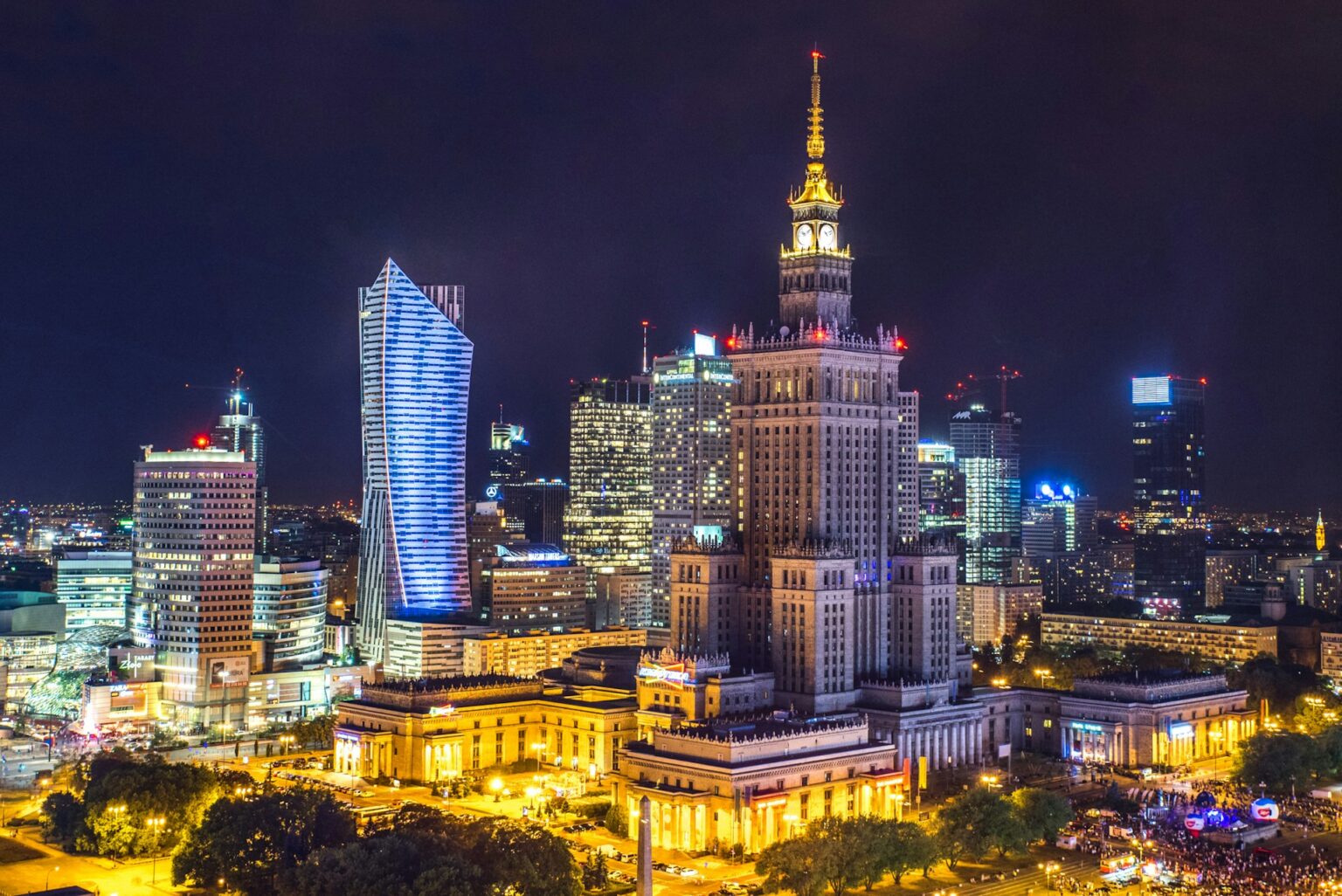
Warsaw is a city architects + city planners study globally. 85% destroyed in WWII (1944 Warsaw Uprising), then meticulously rebuilt 1945-1980s. UNESCO 1980 for old town reconstruction — rare designation given to a rebuilt city. 5 architectural phases: 1) Old Town reconstruction (meticulous medieval recreation from Canaletto paintings), 2) Stalinist Socialist Realism (Palace of Culture and Science 1955 — Stalin’s gift, 237m), 3) Modernist 1960s-80s (mass housing blocks), 4) Post-1989 capitalism (Złote Tarasy mall, Marriott), 5) Modern skyscrapers (Varso Tower 310m — tallest EU 2022, Warsaw Spire). Population: 1.8 million city. Reborn from ashes: 60% destroyed of pre-war buildings. Best time: May-October. Days needed: 3 minimum. From Berlin: 5h train EuroCity.
Warsaw’s reconstruction story
- WWII destruction: 85% of city destroyed. Nazi Germany deliberately razed after Warsaw Uprising 1944.
- Pre-war population: 1.3 million. Post-war 700,000 (450,000 Jews killed in Holocaust + civilians).
- Reconstruction 1945-1980s: meticulous Old Town recreation from Canaletto’s 18th-century paintings of Warsaw.
- UNESCO 1980: “outstanding rebuilding”. Rare designation — usually for original sites.
- Old Town Square (Rynek Starego Miasta): heart of reconstruction. Looks medieval, dates to 1950s.
- Castle Square: Royal Castle reconstructed 1971-1984. Original burned 1939.
- Why studied: example of post-disaster identity preservation through architecture.
5 architectural eras to see
- Old Town reconstruction (1945-1962): Stare Miasto, Royal Castle, Castle Square. Medieval recreation.
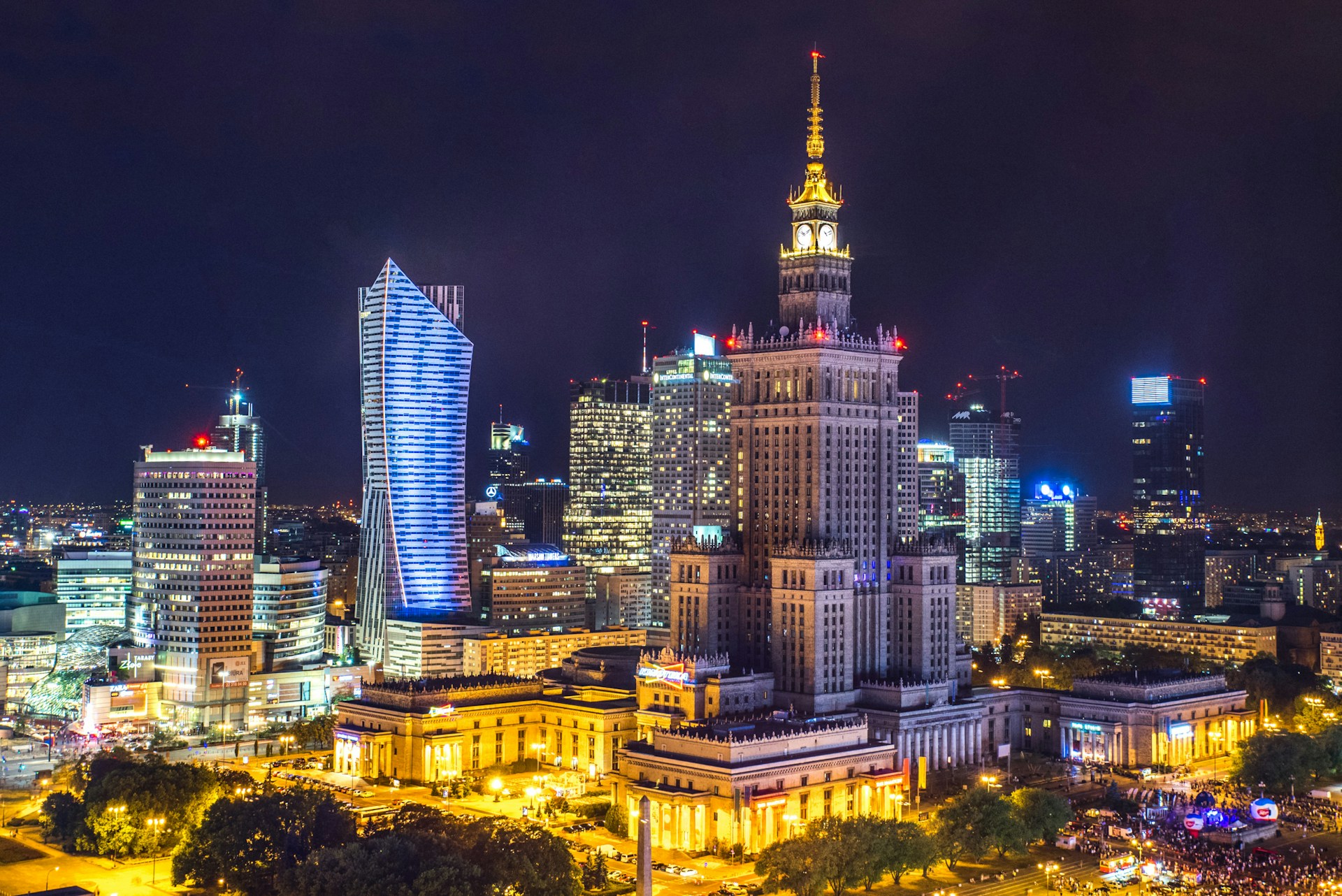
- Socialist Realism (1949-1956): Palace of Culture and Science (1955, Stalin’s “gift”, 237m, contains theaters + museums + zoo). Marszałkowska Residential District (MDM).
- Modernism (1960s-80s): mass housing blocks (Mokotów, Stegny, Bemowo). Le Corbusier-influenced.
- Post-1989 capitalism (1990s-2010s): Złote Tarasy shopping center, Marriott, Hilton. Glass and steel.
- Modern skyscrapers (2010s-2025): Varso Tower (310m, tallest EU 2022), Warsaw Spire, Spire of Norman Foster Sleek modern.
Top architectural sights
- Old Town Square (Rynek Starego Miasta): reconstructed medieval. Mermaid statue (city symbol).
- Royal Castle: 14th century original, reconstructed 1971-1984. €11.
- Wilanów Palace: 17th-century baroque. UNESCO. Survived WWII. €5.
- Palace of Culture and Science: 1955 Stalin’s gift. Soviet skyscraper 237m. Tour €7.
- Łazienki Park + Palace on the Water: 18th-century royal park. Free.
- POLIN Museum: Polish Jewish history. Architectural masterpiece. €5.
- Powiśle: modern district. Centrum Nauki Kopernik (science museum). Most Świętokrzyski (modern bridge).
- Praga (district): alternative pravý břeh Visly. Survived WWII intact. Authentic pre-war.
Walking tour itinerary
- Day 1: Old Town reconstruction. Castle Square → Royal Castle → Old Town Square → Barbakan → Cathedral St. John.
- Day 2: Socialist + post-war. Palace of Culture (climb tower 220m for views €7) → Marszałkowska. Złote Tarasy modern mall.
- Day 3: Royal park + history. Łazienki Park (Chopin monument). Wilanów Palace.
- Day 4: Modern + Praga. Skyscraper district. Praga across river (alternative neighborhood).
Polish cuisine in Warsaw
- Pierogi: Polish dumplings. Try Pierogarnia Stary Dom for variety.
- Bigos: hunter’s stew. Cabbage + meat.
- Kotlet schabowy: Polish breaded pork cutlet.
- Żurek: sour rye soup. With egg + sausage.
- Pączki: filled donuts. Most days but Fat Thursday especially.
- Vodka: Polish national drink. Polmos brand classic. Wyborowa, Belvedere top.
- Best restaurants: Atelier Amaro (Michelin), Senses, U Fukiera (Old Town traditional).
Practical info
- Getting there: Warsaw Chopin Airport (WAW) main, Modlin (WMI) Ryanair. Train Berlin-Warsaw 5h, Prague-Warsaw 7h.
- Where to stay: Old Town (atmosphere), Centrum (modern + central), Praga (gentrified).
- Best time: May-October.
- Currency: Polish złoty (PLN).
- Budget: €40-80/day. Cheaper than Berlin/Vienna.
- Public transit: 24h ticket 26 PLN. Metro + tram + bus.
Frequently Asked Questions
Why was Warsaw destroyed in WWII?
After Warsaw Uprising 1944, Nazis deliberately razed 85% of the city as punishment. By time Soviets liberated 1945, it was rubble. 700,000 dead overall (1939-1945).
How was Warsaw rebuilt?
Meticulously 1945-1980s. Old Town reconstructed from Canaletto’s 18th-century paintings as references. Workers used original brick when possible. UNESCO 1980 recognized exceptional reconstruction.
What is Palace of Culture and Science?
Stalin’s ‘gift’ to Poland 1955. Soviet skyscraper 237m. Contains theaters, museums, zoo, university. Most controversial Warsaw building. Climb 220m tower €7 for views.
Is Warsaw worth visiting?
Yes. Reconstructed Old Town UNESCO. Soviet Palace of Culture iconic. Modern skyscrapers (Varso Tower tallest in EU). 5 architectural eras visible. Strong Jewish heritage (POLIN Museum).
How does Warsaw compare to Krakow?
Warsaw: rebuilt capital, 5 architectural eras, modern. Krakow: medieval, Wawel Castle, more touristic, smaller. Most travelers do both — 3 hours apart by train.
Is Warsaw expensive?
Cheaper than Berlin or Vienna. €40-80/day. Hotels €60-120, restaurant meal €10-20. About 50% cheaper than Western Europe.
Recommended on Amazon
As an Amazon Associate, grandgo.com earns from qualifying purchases. Links below are affiliate links — clicking them may earn us a small commission at no extra cost to you. Prices and availability are shown on Amazon.co.uk.
- Lonely Planet Poland — comprehensive country guide.
- Warsaw architecture book — 5-era guide.
- Polish phrasebook — travel essentials.
See also
Related Guides
- How to Get from Krakow Airport (KRK) to City Centre — Airport guide