


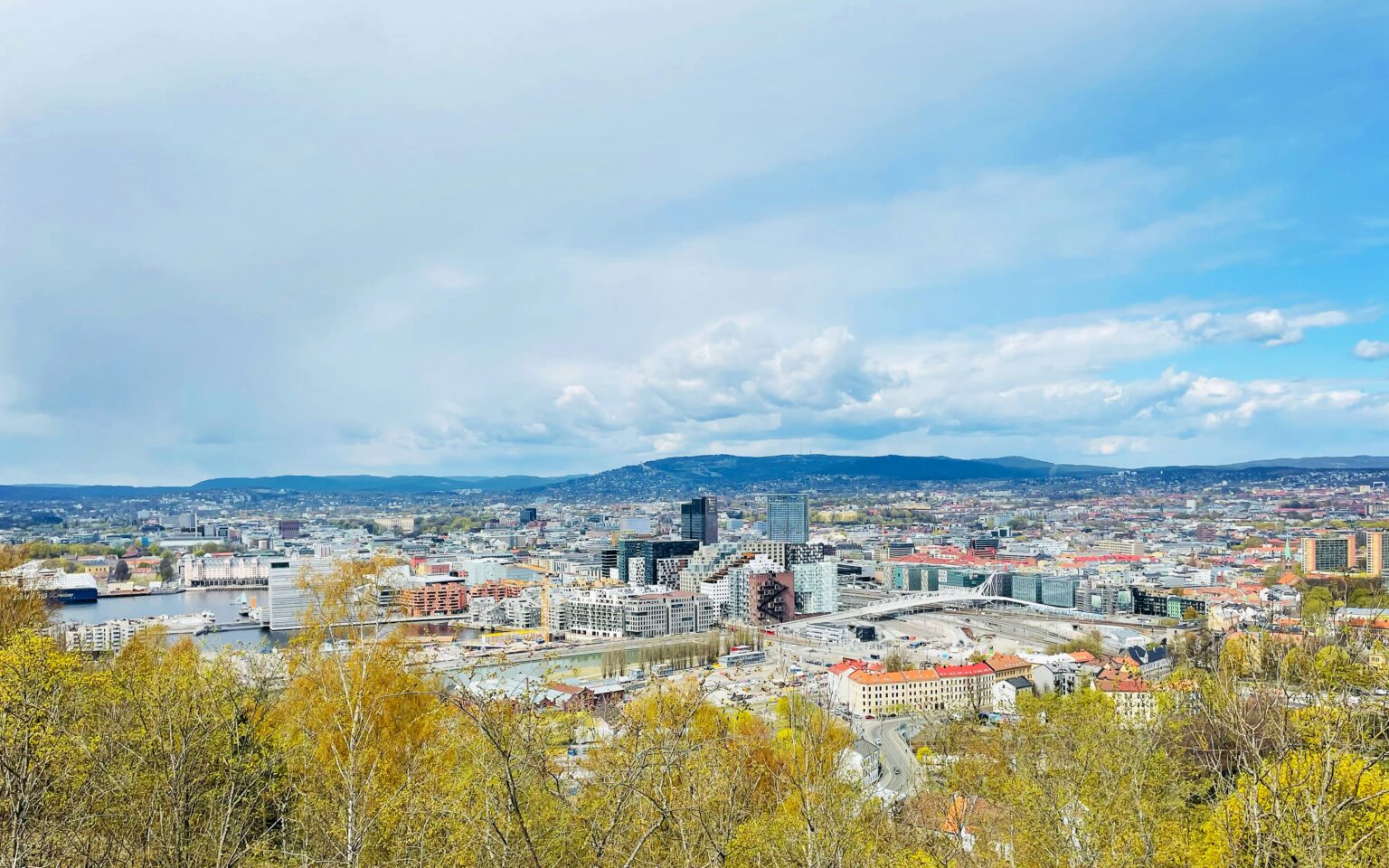

Oslo, the Norwegian capital, combines stunning fjord landscapes and high-end architecture in a city. From its internationally acclaimed opera house to Bygdy peninsula and Aker Brygge – Oslo offers something for everyone!
Fram Museum (home to the famed Polar Expedition Ship Fram), Kon Tiki Museum (commemorating Thor Heyerdahl’s Pacific voyage) and Frogner Park’s Gustav Vigeland Sculpture Park provide insight into Norway’s maritime past and heritage.
History
Oslo may seem modern in appearance, but its history goes back millennia. Thanks to its central position in Norway since Viking times, Oslo has served as a trade hub. Furthermore, during various periods of independence or union with Denmark and Sweden it played an essential role.
City is famed for its natural landscape, featuring lush forests and sparkling fjords. Its latitude determines its climate with mild summers and not-too-cold winters – ideal conditions for an abundance of wildlife such as moose or lynx to inhabit its terrain. Furthermore, changing length of daylight affects plant growth patterns allowing certain species to remain active all year long.
Oslo is an idyllic summertime destination, offering everything from watersports like sailing and swimming to cycling, hiking and skiing – the Holmenkollen ski jump competition draws athletes from around the globe each year!
Norwegian Folk Museum, Viking Ship Museum and Fram Museum (which houses Fridtjof Nansen and Roald Amundsen’s iconic polar exploration vessel used during their Arctic expedition) all stand as testaments of Oslo’s maritime past, while Thor Heyerdahl’s Kon-Tiki expedition is commemorated at Kon-Tiki Museum as another exciting destination.
Norwegian capital Oslo stands as one of Europe’s most ethnically diverse cities, boasting more than 200,000 foreign-born residents who make Oslo one of the most inviting places for people from around the globe to call home. This diversity can also be seen in its food scene; with an array of international restaurants and eateries. Foreigners have helped shape Oslo’s cultural life; inspiring the famous Nordic Design House to open.
Culture
Oslo derives its modern name from two Norse words – Os and Lo – which can be taken to mean either “field under the hill” or “field of the gods”. Oslo’s natural surroundings are evident in its cultural scene with world-class museums (MUNCH is one), popular music festivals, Michelin-star restaurants and numerous leisure activities available for its residents to enjoy.
The city’s growing international and immigrant populations adds another vibrant layer to local culture, evidenced by an explosion of fusion cuisines as well as musical genres spanning folk, jazz, contemporary pop rock and classical.
Oslo stands out with a high level of social integration, low unemployment rates and an extensive safety net. These advantages helped protect cultural venues during the pandemic from layoffs or closures; however, audience numbers remained below pre-pandemic levels, leaving some niche venues struggling to survive.
Oslo stands out as an impressive urban landscape, boasting parks and green areas accessible to all residents. Over 68% of its municipal area is dedicated to open spaces – making Oslo one of the most eco-friendly cities in Europe.
Oslo is home to numerous cultural institutions, such as Astrup Fearnley, Oslo Opera House and the new Munch Museum. Oslo’s commitment to inclusiveness and community cohesion can be seen by its recent opening of Deichman Library which reimagines what it means to be a library. Furthermore, its food scene is widely recognized for its healthy organic approach – while many residents enjoy eating cured meat and variations of potatoes for lunch, restaurants offer exquisite foods such as heart-shaped waffles or dainty molds of caviar.
Nightlife
Oslo’s capital city bars and pubs come alive at nightfall, offering something for all tastes ranging from relaxing over drinks and pub fare to dancing the night away with great music.
Bars in Copenhagen can be found throughout the city, but for an authentic local experience it’s worth exploring Stroget passage. This hidden alleyway features low-key restaurants, hip bars and independent shops – including one of my favorites in Angst where you can indulge in delicious cocktails while enjoying great music while people-watching through its busy streets.
Oslo boasts one of Scandinavia’s premier nightlife scenes and boasts some of the most inventive clubs. No matter your musical taste – be it electro or classic rock – there will be an Oslo club that caters to you!
If you want a taste of traditional Norwegian spirits, visit one of the bars offering akvavit. Often served with ice and lemon wedges, akvavit has long been part of Norwegian drinking culture. Aquavit, made from rye and barley malt liquors with an intense bitter flavor is another popular drink option.
Bowling has long been a favorite pastime among Norwegians, and Oslo boasts several outstanding bowling alleys that cater to this passion. Beyond traditional bowling, these alleys also boast special attractions that make visiting worthwhile; for example, Oslo Street Food transforms into an electric dance floor at night, hosting DJs spinning different genres for up to 900 dancing enthusiasts; alternatively visit The Thief Rooftop Bar of The Thief hotel where drinks can be enjoyed with breathtaking views of Oslo Fjord!
Shopping
Shopping in Oslo provides an impressive variety of options, whether you are in search of high-end or everyday items. Shops are located all throughout the city from large departmental stores to boutiques and even street markets in the old quarter. Furthermore, independent stores provide products hard to come by that make unique gifts that show how much we care.
Oslo has transformed into an incredible shopping city over recent decades, opening several new shopping centers and welcoming luxury retailers into its city center. Akersgata Street stands out as an incredible street for shopping; here, one can find both Norwegian designer collections as well as major international brands.
Stortorvet, or Grand Plaza in Oslo, is another popular shopping location. Here you will find GlasMagasinet, one of Oslo’s oldest department stores located just off Akersgata and offering everything from furniture and electronics to wellness products.
Arkaden Mall in Oslo offers another shopping option with some of Norway’s leading brands and chain stores such as Kjell & Company, Kouture Carlings WODEN as well as hosting events throughout the year and boasting its own restaurant.
Grunerlokka is an ideal location for shopping in Oslo, especially those who appreciate independent boutiques and second-hand bookshops. Additionally, you will discover several restaurants, cafes and bars nearby.
Restaurants
Oslo, as an international capital, boasts top-of-the-line cuisine from all around the world. Numerous restaurants have received Michelin stars; Maaemo stands out as an especially noteworthy restaurant featuring Norwegian ingredients combined with continental flavors for an unforgettable dining experience. Other noteworthy restaurants in Oslo include Kontrast, Statholdergaarden and Hyde which all boast local produce as main attractions.
At the heart of Oslo lies many more eateries ranging from casual neighbourhood bistros to fine dining establishments. Mathallen, Oslo Street Food and Vippa by the waterfront offer great opportunities for experiencing Oslo’s diverse culinary scene – offering everything from Mathallen food stalls, Oslo Street Food and Vippa by the waterfront food stalls to fresh peel-n-eat shrimp from Albatross to authentic Lebanese/Mediterranean street food at Zarathustra Meyhane!
Savage, the city’s newest upscale restaurant, stands out as another highlight. Tucked into an inner courtyard, this cozy setting avoids the flash and hard edges often associated with other high-end eateries while keeping its focus on food: Nordic ingredients like lumpfish roe are elevated with global flavors for an experience you won’t forget soon!
Happolati offers an elegant mix of Asian street food and Norwegian finesse, expertly combined by architect Anderssen & Voll’s exquisite interior design featuring pine screens and origami lights that nod to Asian aesthetics. At the helm, chefs Mads Kjollmoen and Rune Hinnland create creative dishes such as potato pancake topped with eel and shrimp and sweet caramelised bao buns designed specifically to be assembled into DIY ice cream sandwiches.
Most restaurants provide lunch menus offering three or four courses as an introduction to their establishment and its specialties. Summer weather also makes this experience enjoyable as open faced sandwiches (smorbrod) with toppings like meatloaf and eggs or smoked salmon and prawns can be enjoyed outdoors in sunny settings; not to mention all of the wonderful pastries and chocolate treats offered at local pastry shops in town!
Trip-ready gear from Amazon
As an Amazon Associate, grandgo.com earns from qualifying purchases. Links below are affiliate links — clicking them may earn us a small commission at no extra cost to you. Prices and availability are shown on Amazon.co.uk.
- Insulated water bottle Hydroflask — Keeps liquids ambient.
- Warm winter gloves travel — Aurora watching essential.
- Lonely Planet Scandinavia guide — Multi-country Nordic guide.