



Quick Answer
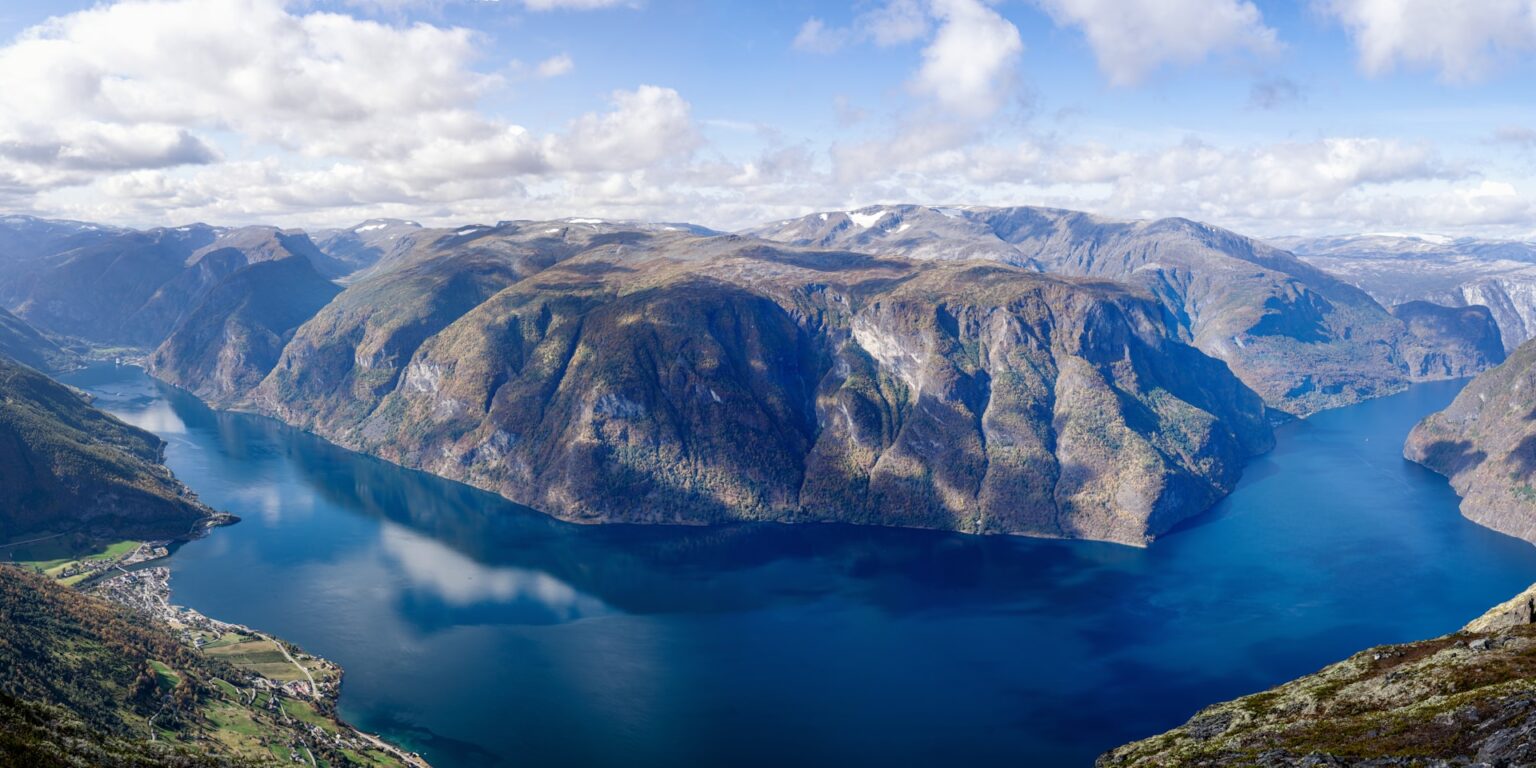
A fjord is a long, narrow inlet from sea, surrounded by steep cliffs, formed by glacial erosion. How fjords form: Ice Age glaciers (10,000-100,000 years ago) carved deep U-shaped valleys, sea filled them after ice retreat. Top fjord destinations: Norway (1,190 fjords) — Geirangerfjord (UNESCO), Sognefjord (longest at 205 km), Nærøyfjord (UNESCO, narrowest), Hardangerfjord. Chile (Patagonia) — Last Hope Sound, Garibaldi Fjord. New Zealand — Milford Sound, Doubtful Sound (Fiordland UNESCO). Greenland — Scoresby Sund (world’s largest fjord, 350 km). Alaska — Kenai Fjords, Glacier Bay UNESCO. What makes fjords special: 1) 1,000m+ cliff walls, 2) waterfalls cascading down sides, 3) deeper than surrounding sea (often 1,000m+), 4) unique ecology with anoxic bottom waters. How to visit: cruise (Hurtigruten), boat tour, hike, drive scenic routes. Best season: May-September for most.
Definition + formation
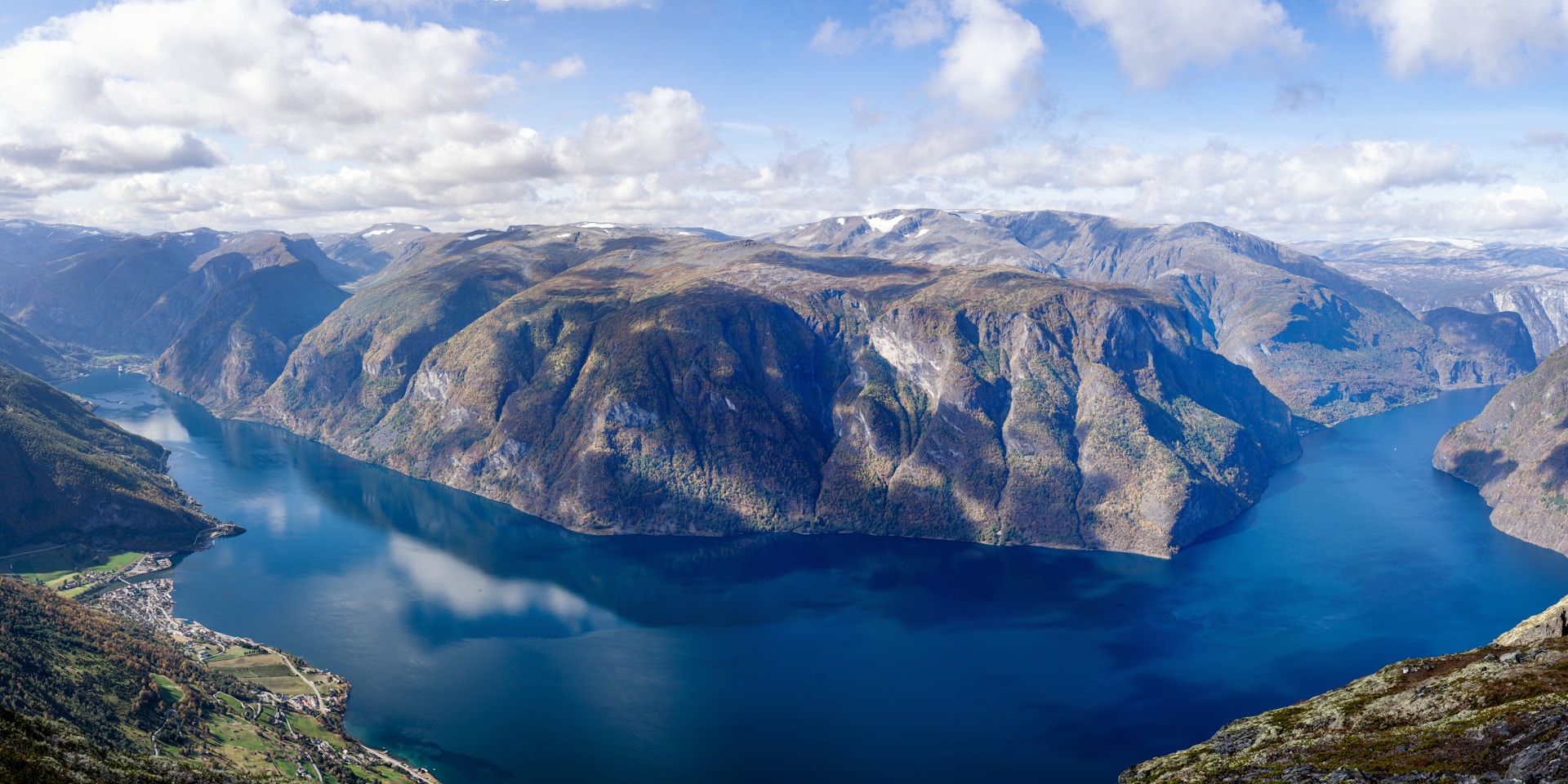
- Definition: long narrow inlet from sea with steep cliffs, glacial origin.
- Etymology: Old Norse “fjǫrðr” meaning “narrow inlet”. Adopted internationally.
- Formation process: Pleistocene glaciers (1.8 million-10,000 years ago) carved U-shaped valleys. As Ice Ages ended, sea levels rose, filling valleys.
- Why deep: Bedrock erosion below sea level. Many fjords 1,000m+ deep — deeper than surrounding ocean.
- Why steep cliffs: glaciers carved vertically. Walls often 1,000m+.
- Sill (threshold): shallow ridge at fjord entrance from glacial debris. Restricts water exchange — creates anoxic bottom waters in some fjords.
- Hanging valleys: tributary glaciers carved less deep, ending in waterfalls down main fjord wall.
Norway (fjord capital)
- 1,190 fjords: total. World’s most fjord-rich country.
- Geirangerfjord (UNESCO 2005): Seven Sisters waterfall. Most photographed.
- Sognefjord: 205 km — longest. 1,308m deep — deepest.
- Nærøyfjord (UNESCO): world’s narrowest at 250m points.
- Hardangerfjord: orchards (apples) line shores. Trolltunga viewpoint above.
- Lysefjord: Pulpit Rock (Preikestolen) 604m vertical cliff above.
- Visiting: Bergen base. Hurtigruten coastal cruise. “Norway in a Nutshell” tour.
Other top fjord countries
- Chile (Patagonia): Last Hope Sound, Garibaldi Fjord. Less developed than Norway. Cruises from Punta Arenas.
- New Zealand (Fiordland UNESCO): Milford Sound (most photographed), Doubtful Sound (less crowded), Te Anau gateway.
- Greenland: Scoresby Sund — world’s largest fjord (350 km long, 14,700 km² area). Limited access.
- Alaska: Kenai Fjords National Park, Glacier Bay UNESCO. Cruise destination.
- Iceland: Westfjords (remote), Eyjafjörður (Akureyri).
- Canada: British Columbia coast (Knight Inlet).
- Faroe Islands + Scotland: smaller fjords (“voes” in Scottish).
Fjord vs other coastal features
- Fjord: glacial origin, U-shaped valley, very deep, steep cliffs.
- Ria: river valley flooded by sea. V-shaped. Less deep. Spain/Portugal coast.
- Sound: general term for narrow waterway. Some Norway “sunds” technically fjords.
- Bay: wider entry, less narrow.
- Inlet: general term, includes fjords.
- Loch (Scotland): equivalent term for similar features. Loch Linnhe = sea loch (Atlantic-connected).
Why visit fjords?
- Visual drama: 1,000m+ cliffs rising from water. Few landscapes more spectacular.
- Waterfalls: dozens cascading from hanging valleys.
- Wildlife: seals, porpoises, sea eagles. Rare phytoplankton blooms.
- Cultural heritage: Viking settlements, fishing villages.
- Activities: hiking, kayaking, scenic train (Norway), cruise.
- Best ferries: Hurtigruten Norwegian Coastal Voyage 12-day Bergen-Kirkenes-Bergen.
- Best photos: low-angle from boat. Sunset alpenglow on cliffs.
When to visit
- Norway: May-September. Midnight sun north of Arctic Circle. Long days.
- Chile (Patagonia): November-March (Southern summer). Cool but accessible.
- New Zealand (Fiordland): November-April (NZ summer). Wettest place in NZ — bring rain gear.
- Greenland: June-August (limited season).
- Alaska: May-September. Cruise season.
- Winter advantages: snow + ice = different beauty. Northern Lights (Norway, Alaska, Iceland). Quiet.
Frequently Asked Questions
What is a fjord?
Long narrow inlet from sea with steep cliffs, formed by glacial erosion. Ice Age glaciers carved U-shaped valleys, sea filled them after ice retreat. Most famous in Norway.
Where are the best fjords?
Norway (1,190 fjords — Geirangerfjord, Sognefjord, Nærøyfjord). Chile Patagonia. New Zealand (Milford Sound). Greenland (Scoresby Sund — world’s largest). Alaska. Iceland.
Difference between fjord and bay?
Fjord: glacial origin, U-shaped, very deep (1,000m+), steep cliffs (1,000m+ walls). Bay: wider, shallower, various origins (river valley, coastal erosion).
How are fjords formed?
Pleistocene glaciers (1.8M-10,000 years ago) carved U-shaped valleys. Sea levels rose after ice retreat (10,000 years ago). Filled valleys with seawater. Took thousands of years.
Best country for fjords?
Norway hands-down — 1,190 fjords, easiest access, best infrastructure (cruises, trains, hikes). Norway in a Nutshell tour classic. Bergen base.
When to visit Norway fjords?
May-September warm season. June for midnight sun. September fewer crowds + autumn colors. Avoid October-April for accessibility (some roads close).
Recommended on Amazon
As an Amazon Associate, grandgo.com earns from qualifying purchases. Links below are affiliate links — clicking them may earn us a small commission at no extra cost to you. Prices and availability are shown on Amazon.co.uk.
- Lonely Planet Norway — fjord-focused country guide.
- Fjord cruise guide — detailed routes.
- Geology of fjords book — science background.