



Dolomitization of sedimentary rocks has both economic and scientific value. Dolomitization increases permeability and porosity of rock strata, making them excellent oil and groundwater storage reservoirs.
Loosely consolidated material can be mined using the drill and blast method, then washed before being brought back to a plant for processing.
UNESCO World Heritage Site
In June 2009, UNESCO made history for the Dolomite region by including nine Dolomite areas from Bolzano/Bozen, Trento, Belluno, and Udine in its list of natural and cultural World Heritage Sites. By doing this, not only were nine areas from these four provinces recognized globally for their unique mountain landscape, but it also demonstrated an international commitment to safeguard its preservation – no longer simply subject to individual provinces or states but rather subject to binding international commitment.
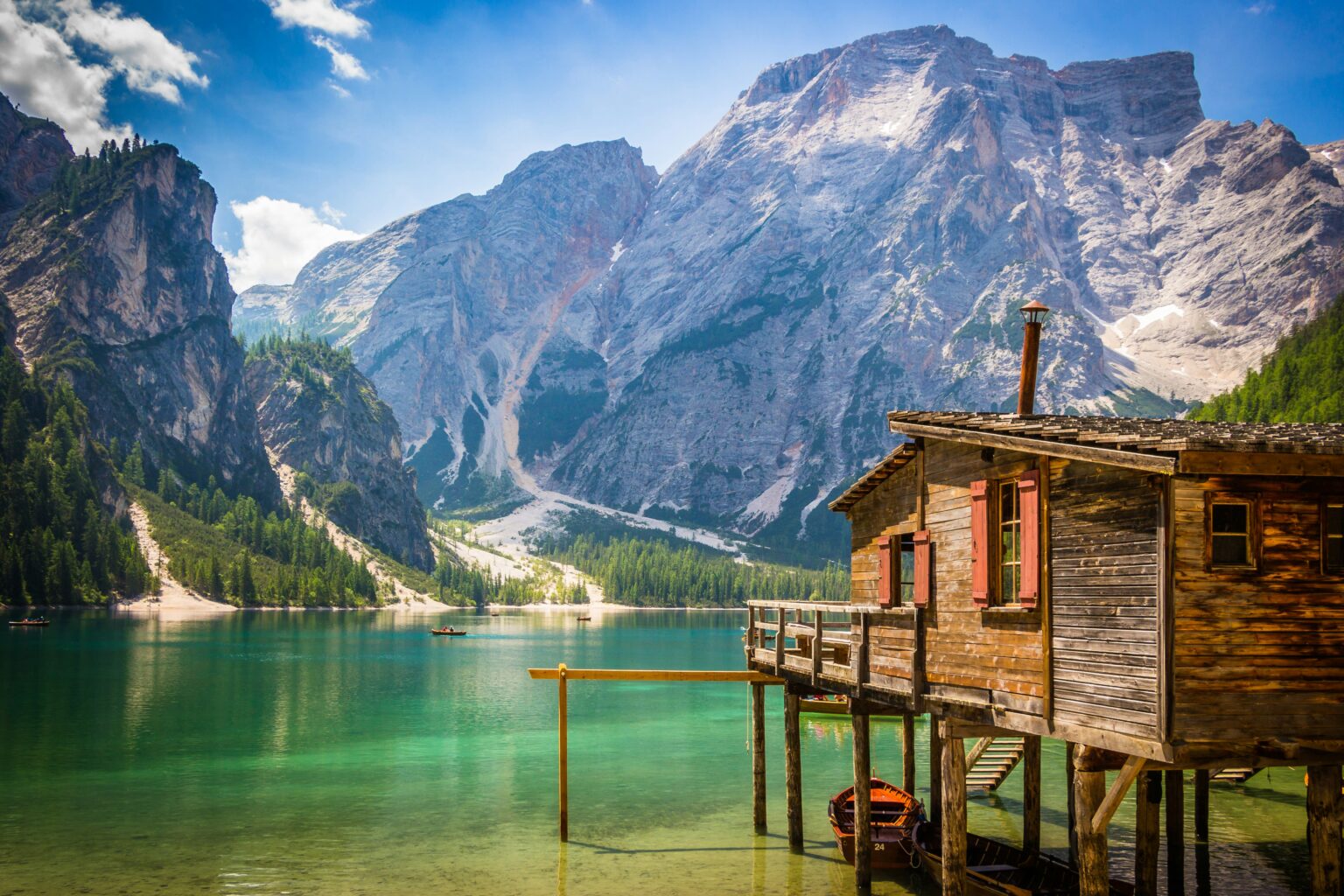
The Dolomites is an extraordinary collection of mountain landscapes, boasting striking, emotive mountains with an extraordinary range of distinctive sculptural forms such as towers, pinnacles and some of the highest vertical rock walls on Earth. Additionally, this site provides many earth science values of great universal importance such as pale-coloured rock formations with astonishing sculptural forms; plus their inclusion in Pangea’s fossil record dating back millions of years before current continents existed as one supercontinent called Pangea.
Dolomite Mountains have long enthralled humans since prehistoric times, inspiring legends and tales about their majestic peaks and providing inspiration to residents in surrounding valleys and towns. From woodcarvings and traditional costumes to buildings built using local stone, visitors will discover evidence of this unique culture at every turn.
The nine Dolomite mountain systems that comprise this serial heritage site are protected through a system of zones and buffer zones, permitting their use for agricultural (crops), forestry (timber) or animal farming activities – an integral aspect of Dolomites life. But their use must also take into account aesthetic, landscape and geological/geomorphologic values while safeguarding ecological relationships between Dolomites and surrounding basins – hence why a special management plan has been put together specifically for them.
Natural Beauty
The Dolomites mountain landscape, located across three Italian regions – Trentino Alto Adige/Sudtirol, Veneto and Friuli Venezia Giulia – has long mesmerized people. Its magnificent rock formations, magical alpine valleys and diverse natural landscapes have served to inspire artists, photographers, architects, writers and composers; while its magnificent peaks and towering mountain faces have attracted hikers and climbers for centuries.
Since the Miocene period, when sedimentary rock layers were gradually transformed by nature into mountain massifs by natural forces such as erosion, the Dolomites have experienced continuous geomorphological evolution. Today they boast stunning natural surroundings featuring unique fauna and flora; thus qualifying as an UNESCO World Heritage site on 26 June 2009.
Visitors from around the globe visit the Dolomites year-round to take part in outdoor activities that range from skiing and snowboarding, hiking and biking, cable cars up to famous passes and driving enthusiasts enjoying winding mountain roads – to name just a few!
Springtime in the Dolomites brings beautiful crocus flowers that light up mountain meadows. If you prefer, take a stroll through Alpe di Siusi with its dense forests and fir trees, where you will witness its mountaintops covered with an enchanting lilac-white covering.
Climbers find the Dolomites an ideal climbing paradise, featuring steep cliffs and unique rock formations to challenge both beginners and experts alike. Artists such as Josiah Gilbert and George Cheetham Churchill found inspiration here, writing poetic accounts describing its beauty that were filled with words like awe, transcendence and wonder when viewing these majestic peaks.
The Dolomites are an area of immense natural and historic importance, making them the perfect spot to discover its rich culture through festivals, museums, and traditional restaurants. Come witness for yourself why this breathtaking landscape has captured so many hearts throughout time!
Spectacular Hiking Trails
Dolomites’ majestic pinnacles and fairy-tale spires beckon hikers to explore their magical beauty along scenic hiking trails. You’ll follow trails up to mountain passes for jaw-dropping vistas before descending through lush green valleys where wildflowers abound in pastoral meadows. Along the way you may come across mountain goats grazing their pastures or storybook villages; magnificent rock walls may even change color with each passing light source!
The Dolomites UNESCO World Heritage Site boasts an expansive network of hiking trails, each providing different opportunities for exploring its natural beauty and cultural legacy. Perhaps the most famous hike in the Dolomites is Tre Cime di Lavaredo which connects all three peaks of Tre Cime massif into one stunning panorama; other dramatic peaks include Cadini di Misurina which resembles a dragon drinking at heaven’s source!
Hiking in the Dolomites will leave an unforgettable impression, whether you choose well-marked paths or venture off-pavement to discover via ferratas and other challenging routes. In addition, these beautiful mountains host numerous high-quality rifugios where visitors can relax after an exciting hike with delicious meals and stunning mountain views.
Cortina d’Ampezzo and Dobbiaco are two prime locations for hiking in the Dolomites, offering easy access to numerous trails from these picturesque mountain towns. If you’re visiting the Dolomites, make sure that you plan for an easy journey by booking accommodation at a hotel like Luna Mondschein with easy access to hiking trails in the area. Hiking trails can be found throughout Selva Val Gardena and Ortisei villages, with cable cars linking both towns up to beautiful rifugios. Val Gardena Panorama Trail connects many of the region’s best peaks, such as Tre Cime di Lavaredo. While this trek requires 1,000 metres of ascent and descent, you’ll be rewarded with breathtaking scenery as well as accommodations such as Rifugio Nuvalou which offers both breathtaking views and delicious meals!
Cultural Heritage
Since prehistoric times, the unique mountainscape of the Dolomites has inspired artists, writers, and scientists. Soaring peaks, steep walls, narrow gullies, broad platforms and plateaus contrast with one another to form this Unesco World Heritage Site mountainous area with unspoiled nature, which blankets itself in soft white snow in winter while bursts with vibrant color during summer.
Deodat de Dolomieu’s discovery of the Dolomites can be divided into two stages. First was in 1789 when Deodat de Dolomieu first identified their unique composition of calcareous rock that gave it their name; before this point the mountains had only been known by scientific travelers and travelers from surrounding regions.
From this point forward, however, the Dolomites began attracting an ever-wider circle of travellers. Travel logs like Josiah Gilbert’s “The Dolomite Mountains” and Amelia Edwards’ ‘Untrodden Peaks and Unfrequented Valleys: A Midsummer Ramble in the Dolomites’ made this magnificent mountain region widely known among general audiences.
Still today, the Dolomites continue to amaze and excite travellers from across the globe. In 2009, UNESCO recognized their beauty and geological significance and included them on its World Heritage list; therefore it is up to those living within and traveling through them as well as tourism partners to preserve this valuable legacy for future generations.
Rural traditions continue to thrive in the secluded villages of Dolomite valleys today, while Val Gardena remains proudly Ladin speaking – one of Italy’s official languages, dating back 2,000 years! Val Gardena remains one of the major tourist spots and Ladin continues as one of its official languages, making this unique landscape truly captivating. Combining whimsical Dolomite peaks with Ladin culture makes for an incredibly magical atmosphere; not to mention museums and art galleries dedicated to both ancient arts as well as contemporary architecture, making Dolomites truly fascinating compared with any other mountainous terrain in Europe!
Trip-ready gear from Amazon
As an Amazon Associate, grandgo.com earns from qualifying purchases. Links below are affiliate links — clicking them may earn us a small commission at no extra cost to you. Prices and availability are shown on Amazon.co.uk.
- Lonely Planet destination travel guide — Trip planning essential.
- Reef-safe sunscreen SPF 50 — Beach + outdoor.
- Compact daypack travel — For city sightseeing.