


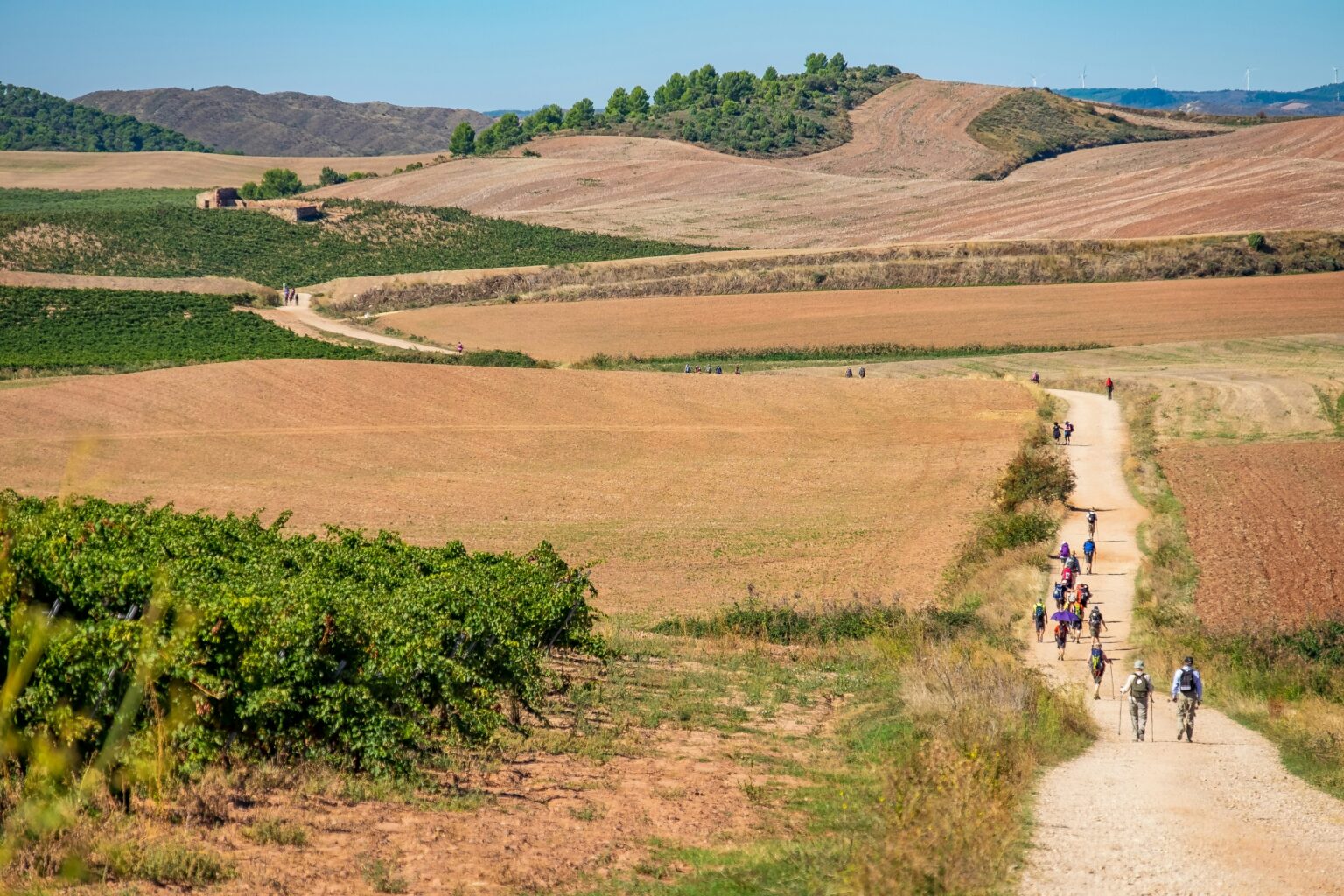

The Camino de Santiago is no easy journey, spanning medieval villages, charming towns and bucolic farmland. Not only will you be physically challenged by this trek; its historical value will make for an engaging journey as well.
This legendary pilgrimage to Santiago de Compostela Cathedral in northwestern Spain once served as a required Christian journey, yet today serves as more than simply an experience; it brings people from diverse backgrounds together for life-changing conversations and spiritual encounters.
Monte Irago
Rabanal del Camino is an important stop along the Camino Frances. Situated right before Monte Irago’s climb, Rabanal once served as home for numerous pilgrim hostels and churches as well as being used as base by Order of Santiago knights – who provided protection to pilgrims along the trail. Up until recently there were only two albergues here so finding accommodations was difficult – however due to recent revitalization efforts on the Camino, more businesses have opened up competing for pilgrims’ euros so it’s much more attractive now although finding beds can still prove challenging during peak seasons!
Village built in traditional Maragata style with sturdy stone houses and large courtyards. A perfect place for resting and relaxation before starting up the mountain, there are restaurants, shops, as well as an eighteenth-century church located here. Also, famously, an oak tree from around 100 years ago welcomed pilgrims as a landmark until a gale hit in 2013 which caused its death and only left behind its stump and commemorative statue as monuments.
Pilgrims first visited this location because of the reported tomb of Saint James, one of Jesus’ apostles. According to legend, this burial site was discovered by a hermit under guidance from a star and later converted into a monastery and cathedral complex on site; later the city earned the moniker Campus Stellae (“Field of Star”).
Today, the Camino del Norte (or Northern Way) is an extremely popular pilgrimage route due to its stunning northern Spanish coasts and breathtaking sea views. Plus, there are many charming villages and towns along this path; its paths tend to be flatter than other routes compared with others – making this route one of the second most frequently taken routes toward Santiago de Compostela.
Selecting the perfect Camino de Santiago route depends on both personal preferences and time constraints. If time is of the essence, consider walking on the Northern Way rather than the Camino Frances to increase your odds of finding accommodation along this path. By walking inbetween stages you may increase the odds even further!
Foncebadon
Foncebadon sits atop one of the highest points in Leon and near Ferro Cross, offering breathtaking natural landscapes and stunning scenery. Boasting one of only a handful of remaining examples of rural Romanesque style architecture in Leon, Foncebadon boasts traditional houses which are being restored and revived to keep their spirit alive.
Gaucelmo established Foncebadon during the 12th century when pilgrims traveling along a challenging section of the Camino were struggling. His hospital, hospice and church assisted pilgrims as they navigated this section with ease; additionally, he is famous for placing 800 stakes into the ground to mark its route; these helped pilgrims avoid getting lost! However, due to reformation and Napoleonic Wars Foncebadon began its decline; Gaucelmo lost interest in marking its path; eventually residents left due to higher opportunities elsewhere before residents left due to long climb. Now though, thanks to popular demand from Camino pilgrims, this village is slowly making a comeback!
Before setting out to walk The Way, it is crucial that both mind and body are fully prepared. Beginning with short hikes will gradually build your stamina, and learning as much about its route as possible will prepare you for any challenges along your journey. Meditation or other relaxation techniques could also prove beneficial.
As you walk the Camino de Santiago, you will encounter different landscapes and climates. From pine and fir forests to meadows and pastures, you will have many chances to admire its breathtaking mountains and countryside beauty. Additionally, food planning should also be considered carefully: you should bring enough snacks, water, medications as needed as well as extra clothing/blankets since temperatures can drop at night.
Cruz de Ferro
On the Camino Frances route between Foncebadon and Manjarin, the Cruz de Ferro or Iron Cross is one of the most iconic landmarks along its course. Consisting of a wooden pole topped by an iron cross and a mound of stones at its base, pilgrims have left stones at this landmark since medieval times as a sign of spiritual renewal – leaving stones here symbolizes any burdens or sins they wish to leave behind them.
At first, this site was used as a sacred shrine by the Celts residing in the region. When Roman conquerors conquered it and likely destroyed it, however it later became a Christian place of pilgrimage and eventually hosted its current cross, placed there by monk Gaucelmo in 11th century (replica now housed at Astorga’s Museo de Los Caminos Museum).
Today, the Cruz de Ferro is an increasingly popular pilgrimage site from all around the globe. Pilgrims come here to carry and leave behind physical, spiritual, or emotional baggage as part of the Camino de Santiago experience – a symbolic representation of why so many make the journey in the first place.
Pilgrims often bring with them something to represent their journey at the Cruz de Ferro; others find one during their trek. Furthermore, pilgrims commonly leave trinkets or letters for loved ones at this site – this allows them to remember and share the journey more fully.
The Camino de Santiago began as an obscure route known to only a select few. Over time however, its reputation grew until pilgrimages to Jerusalem and Rome earned pilgrims plenary indulgence – prompting thousands of people to travel across Spain in order to visit St. James’ tomb.
Irache
There are multiple routes leading to Santiago de Compostela, with the French Way being among the most renowned. Spanning across much of northern Spain and renowned for its spectacular landscape, this route features incredible cities like San Sebastian and Bilbao along its path.
The route has its origins dating back to the eighth century; however, many surviving structures date from 16th and 17th century. Although difficult and challenging at times, pilgrimages to Santiago offer unique opportunities for spiritual development and discovery while exploring and experiencing new cultures and traditions. As with any journey that can bring such rewarding results, taking part in The Camino de Santiago should be treated with due care and respect.
Over centuries, Irache monastery was a source of refuge and comfort for pilgrims on their journey towards Santiago de Compostela. Today, its legacy lives on in a wine fountain where pilgrims could quench both symbolic and literal thirst; an emblematic example of how generously Spanish people welcomed pilgrims.
Bodegas Irache now owns this vineyard and has earned the prestigious “Vino de Pago” designation. Situated two kilometres from Estella in Ayegui town, its vines have been carefully nurtured over generations – this vineyard was only second in Navarra to receive this distinction, and its wines are highly esteemed by critics and consumers.
Along with winemaking, the company also features a tourist center. Popular among both locals and visitors alike, its activities provide something fun for all members of the family – ideal for anyone wanting a break from daily stressors.
The wine fountain is open daily from 8am to 8pm for pilgrims who arrive at Santiago to celebrate with a glass of wine – however, alcohol should only be consumed responsibly and in moderation.