



Oslo is an economic, industrial and maritime hub of Norway and home to various national government agencies.
One of the highlights of any visit to Oslo is experiencing its world-famous Opera House – and, if timed correctly, perhaps even witnessing one of their performances!
Vigeland Sculpture Park
Oslo may not top your travel bucket list, but if you appreciate twentieth-century sculpture it should. Spread along a boulevard in Frogner Park lies Vigeland Sculpture Park: one of the world’s largest sculpture parks by one artist (Gustav Vigeland 1869-1943) featuring 212 statues depicting human life and emotions by Gustav Vigeland (1869-1943).
Vigeland was drawn to depicting the human condition – with all its complexity, turmoil, and joys – through his sculptures. He wanted them to capture all emotions ranging from joy to anger or frustration – not shying away from more disturbing ones such as these. Sinnataggen (Angry Boy), for instance, shows an infant throwing tantrums; fists clenched, feet stomping with anger and contorted facial features to represent what many parents may experience at some point or another!
Although his works explore human emotions, their themes also express joy, happiness and optimism for a brighter future. It is these universal sentiments which attract visitors to his sculpture park even when they may not come specifically for one statue alone.
Vigeland used granite and bronze in his statues so they would stand the test of time, making his sculptures truly timeless. These materials are robust enough to stand up in all weathers while developing an aged patina over time that only looks more intricate over time. His use of these materials shows just how important longevity was for him; his sculptures still boast their pristine look as they age!
The park’s most notable monument is The Monolith, an imposing 17-meter column featuring 121 intertwined human figures that symbolize eternity. Additionally, there are other sculptures like Fountain, Bridge and Wheel of Life which add variety.
To reach the Sculpture Park, it’s best to take Tram 12 from Dronningens gate towards Majorstuen and stop at Vigelandsparken; then it is approximately 15-minutes of walking from there to reach its entrance. The park is open daily between 10 am and 5 pm.
The Royal Palace
The Royal Palace is an impressive palatial complex that houses the Throne Hall, Royal Chapel and several stately rooms. Additionally, numerous historical treasures and sites can also be found within this imposing structure; visiting this imposing site can give visitors insight into their country’s monarchy as they gain knowledge on how its royals have ruled through centuries.
The exterior of this building combines classical and baroque elements. At its main entrance is an elaborate grand staircase designed by Sabatini that contains over 70 steps adorned with cherubs, while inside are several museums such as Museum Antiquities, Three Crowns Museum and Treasury, each providing insight into monarchy in Morocco through various exhibits.
Since 1776, major changes have taken place to the palace and its buildings over time. One significant example was when King Sisowath Monivong ordered that the original throne room was demolished and replaced by its current form in 1917; several structures have also been added or removed since. Additionally, Palace Park serves as a scenic attraction with grassy areas, majestic trees, and small ponds perfect for relaxing while witnessing daily guard changes at 1.30 pm.
Within the building, visitors can admire artwork by Nikodemus Tessin the Younger (who designed the building and chapel), Carl Harleman (who took over Tessin’s design of the chapel after Tessin died), as well as an extensive collection of string instruments made by Antonio Stradivari in its Royal Chapel.
The palace was designed as the nerve centre for royal government and is a fine example of neoclassical architecture. It boasts numerous majestic rooms used for official and state events as well as Royal Apartments; among these rooms is one known as Throne Room that depicts scenes from their childhoods to adulthoods – with Tiepolo painting the ceiling for it! Additionally there are notable rooms such as main library archives as well as its gardens that provide respite from city bustle.
The MUNCH Museum
The MUNCH Museum strives to spread Edvard Munch’s art more widely. Expanded five times from its predecessor and comprising 13 floors and 11 galleries, this museum stands as one of the world’s largest dedicated to one artist. Additionally, its vertical symbol of Oslo serves as an inviting gathering point.
Estudio Herreros’ design for Estudio Herreros Museum draws upon nature and psychological trauma as its source. The museum takes on the form of a leaning tower with an aluminum facade and undulating perforated roof to provide protection from sun and rain while offering panoramic cityscape views. Comprised of 11 exhibition halls connected by zigzagging escalators and featuring a restaurant/rooftop terrace, its shape echoes Estudio Herreros Artist’s own work perfectly.
Munch himself wanted his work to be seen within its larger cultural context, and this new facility helps achieve that aim. The space features exhibitions from across a spectrum of modernist artists – as well as Munch’s own works – with primary emphasis placed upon presenting all aspects of his artistic legacy.
The MUNCH Museum takes its name as an opportunity to play on words; “Munch” has been replaced by Norwegian museum (munke). Architects hope that this strategy will attract younger visitors and draw in a more diverse crowd; so far, this strategy seems successful as it consistently draws over 100,000 visitors annually and popularity is expanding quickly.
The new museum provides plenty of amenities, from a cafe and shop to the twelve-floor restaurant and cocktail bar Crane. Crane serves classic bistro cuisine while boasting breathtaking views of Oslo Fjord; making reservations beforehand is recommended; holders of an Oslo Pass may reserve free tickets but should check availability first before coming.
The Oslofjord
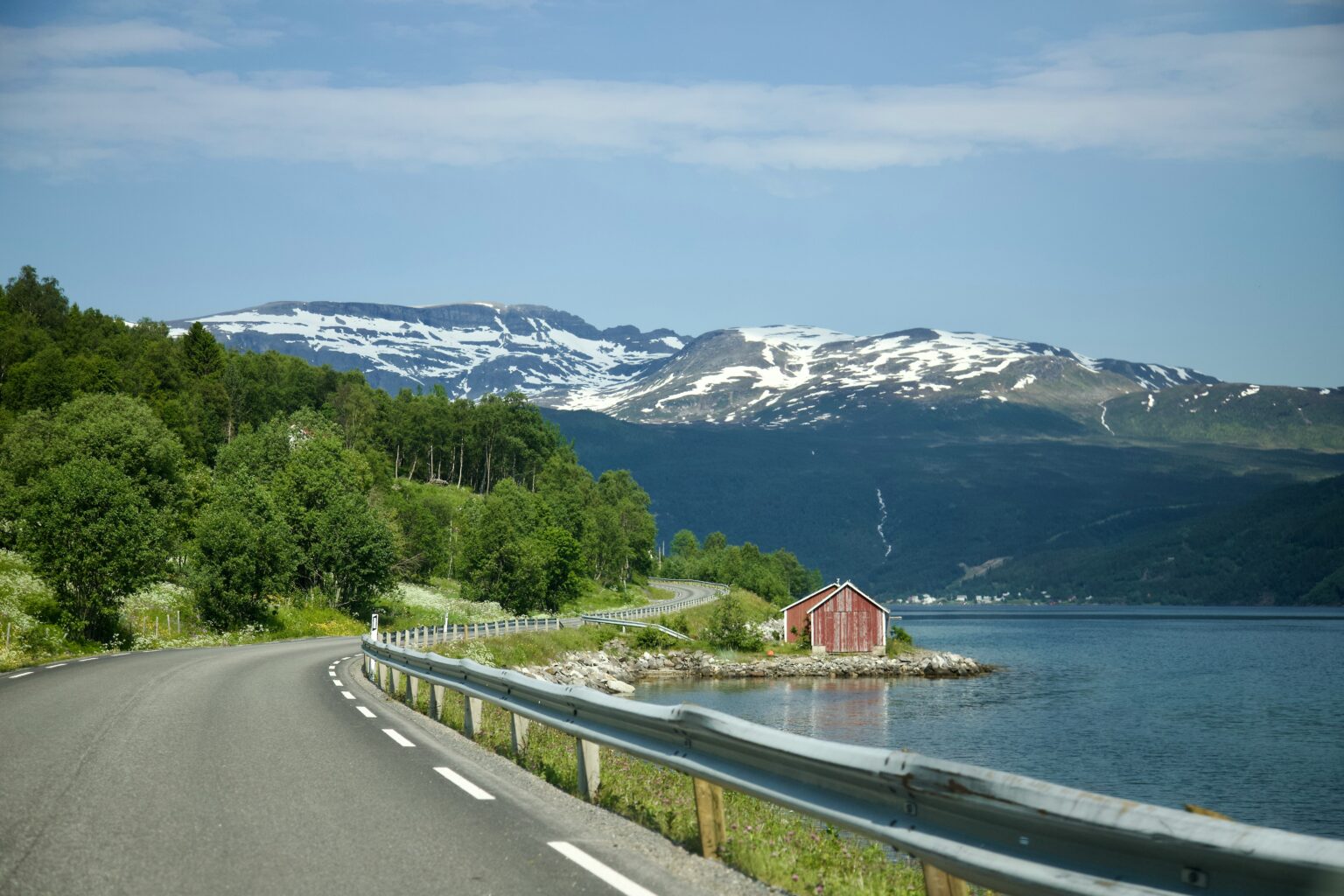
The Oslofjord is Norway’s innermost fjord, serving as an outdoor playground for water sports enthusiasts and outdoor hobbyists. Filled with characterful islands that give an intriguing glimpse of Norwegian countryside life, its temperate climate supports an abundance of species (countless forests of spruce pine fir), with each island boasting their own distinct charm – Hovedoya is famed for its monastery ruins while Gressholmen is popular with rabbits while Bleikoya provides a quiet retreat popular with runners & cyclists alike!
Oslofjord was created through thousands of years of tectonic plate movements and glacial activity, culminating in an astonishingly diverse landscape consisting of steep-sided valleys, shear granite walls, fertile forest areas and stunningly clear water that shimmers with sunlight reflections.
On a cruise of Oslofjord, you’ll discover its natural beauty and rich history no matter which vessel you take a tour on. Regardless of which way you explore this amazing fjord, you will surely be enchanted by its natural wonders and stunning history.
Experience Norway’s maritime history and vibrant capital city on an Oslofjord visit, featuring attractions such as the Oslo Opera House, Bygdoy Peninsula and Aker Brygge – just some of its many highlights!
The Oslofjord can be experienced all year long. Summer brings locals and tourists alike together on harbour side cafes for waterfront cafe dining while watching sleek sailboats sail past. Winter offers snow-covered hills as a beautiful sight while its frozen lake provides opportunities for skating or other winter-oriented activities.
Trip-ready gear from Amazon
As an Amazon Associate, grandgo.com earns from qualifying purchases. Links below are affiliate links — clicking them may earn us a small commission at no extra cost to you. Prices and availability are shown on Amazon.co.uk.
- Merino wool base layer travel — Nordic winter essential.
- Waterproof camera GoPro — Northern Lights + fjords.
- Lonely Planet Scandinavia guide — Multi-country Nordic guide.